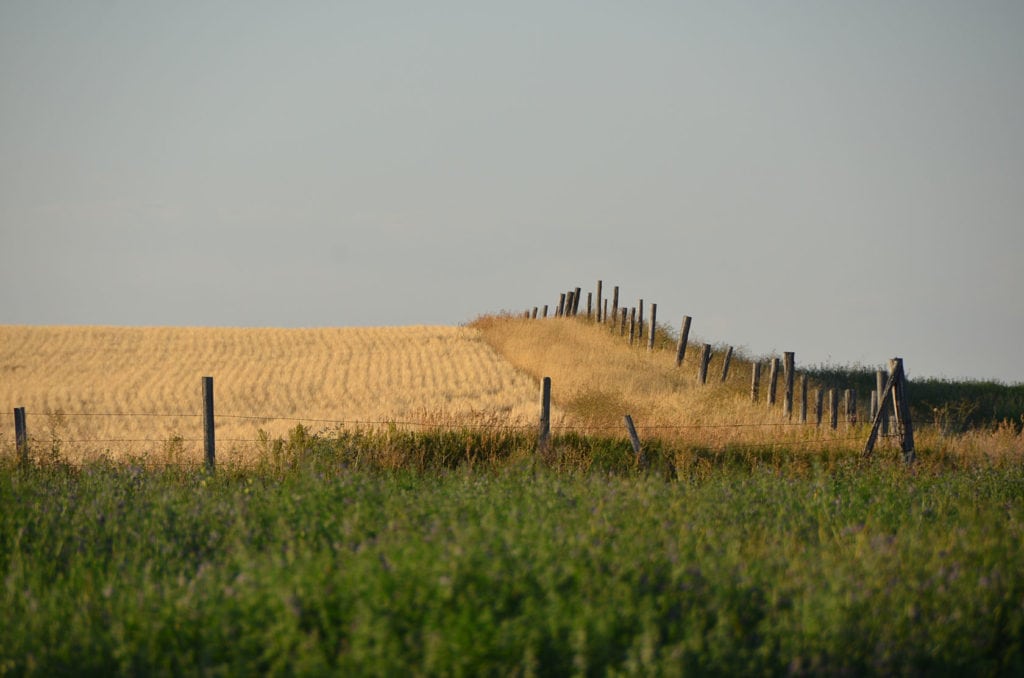
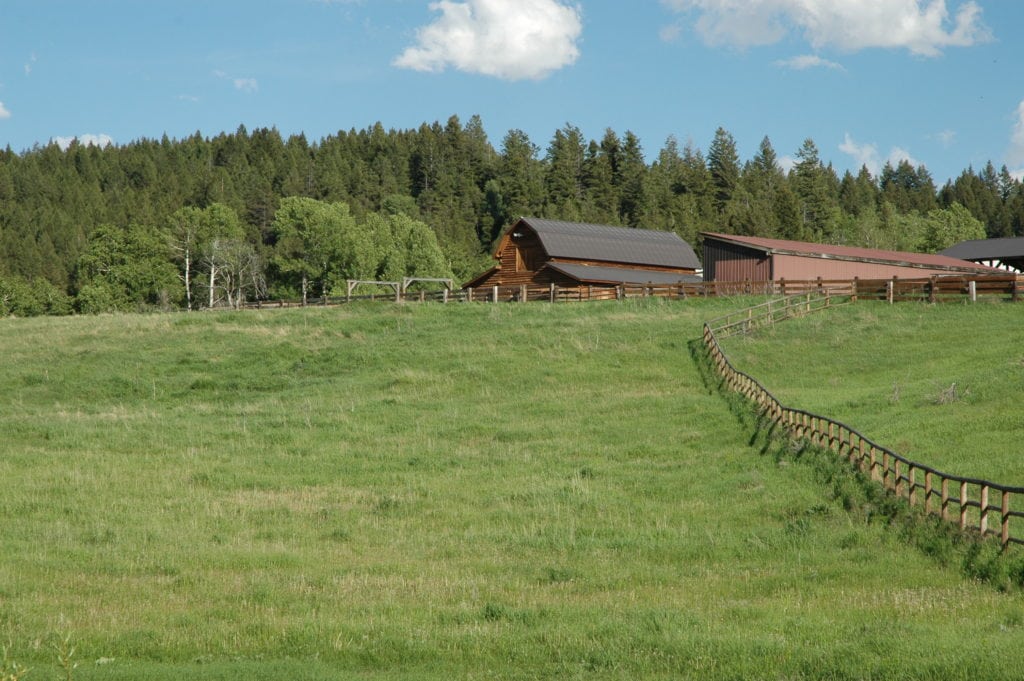
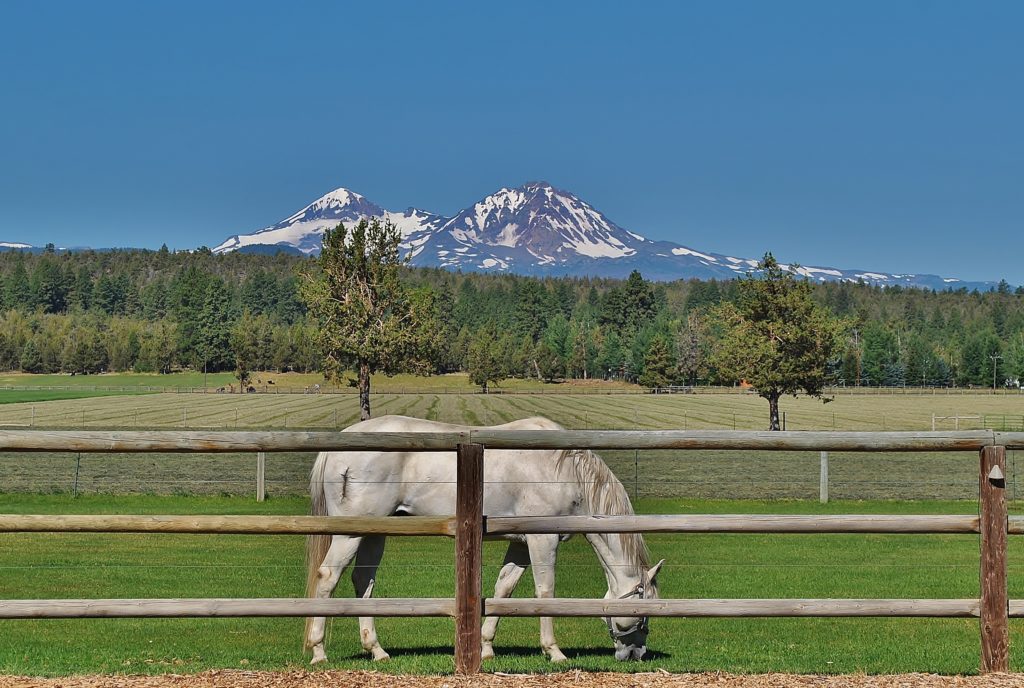
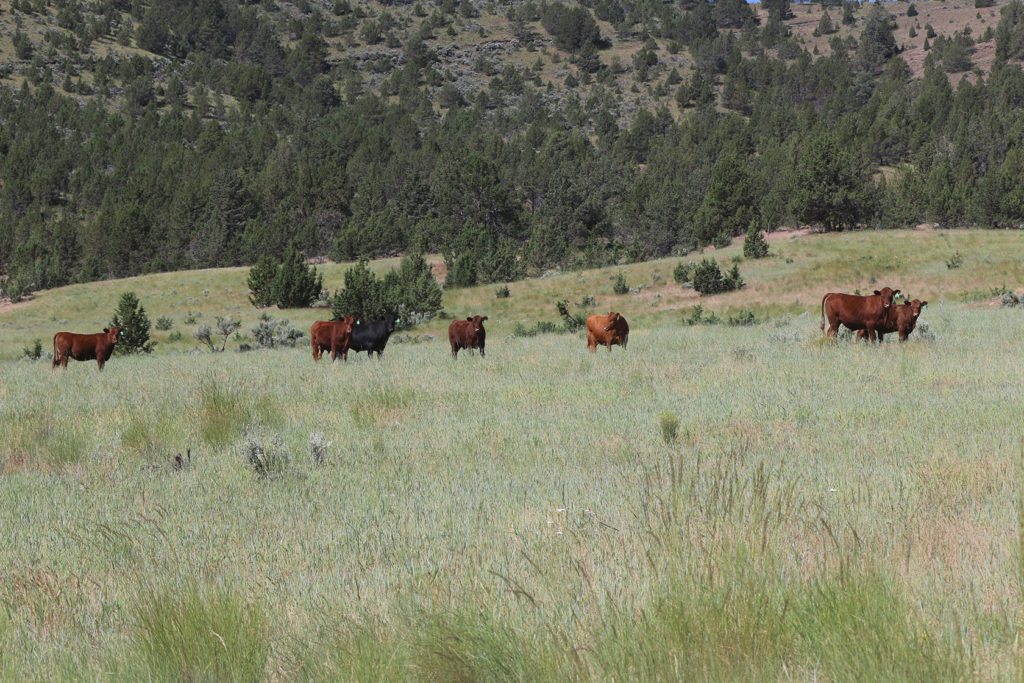
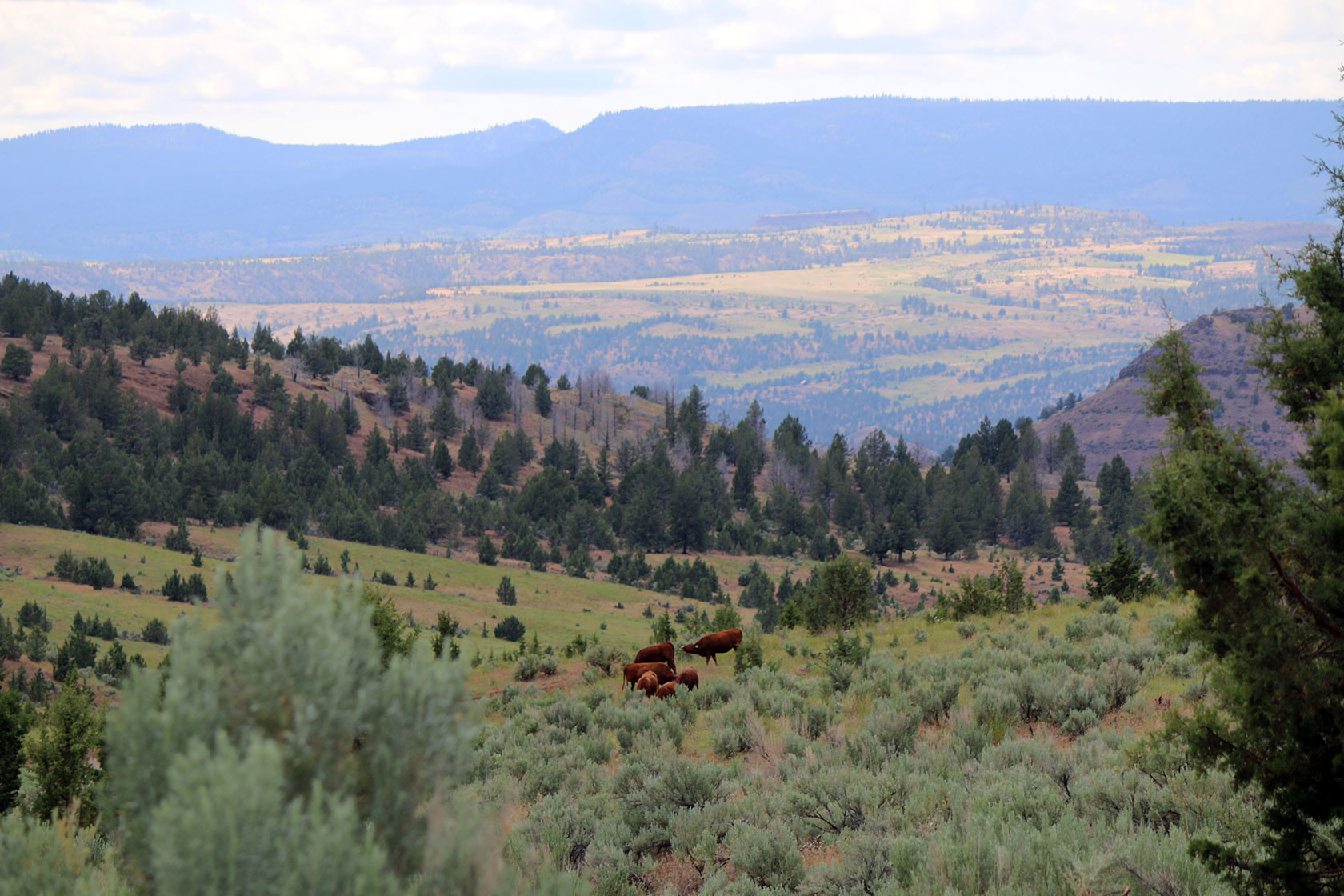
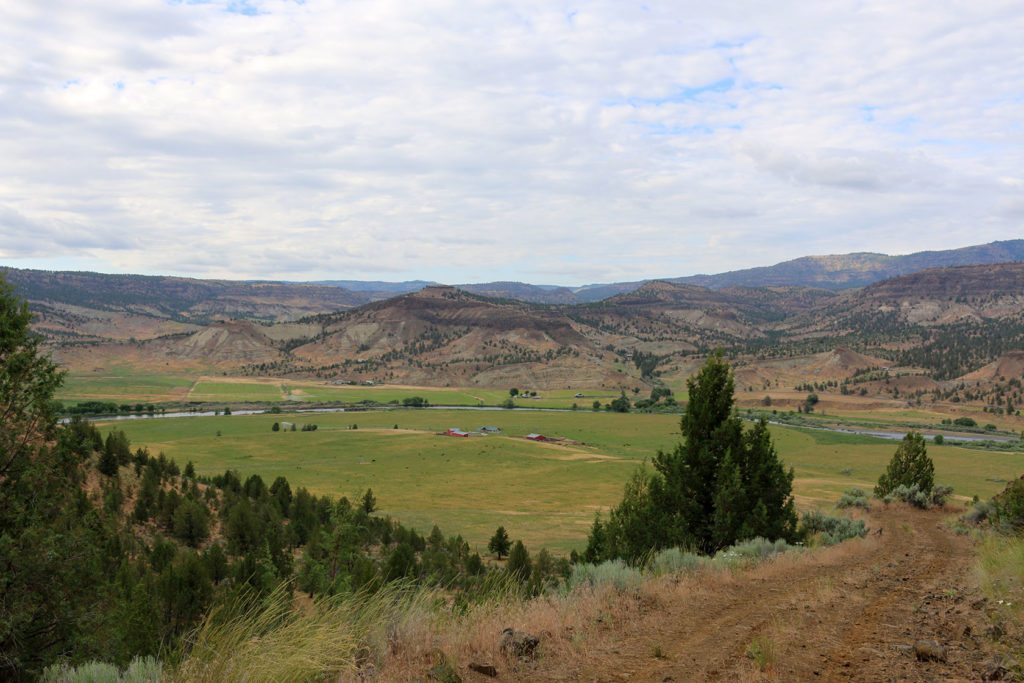
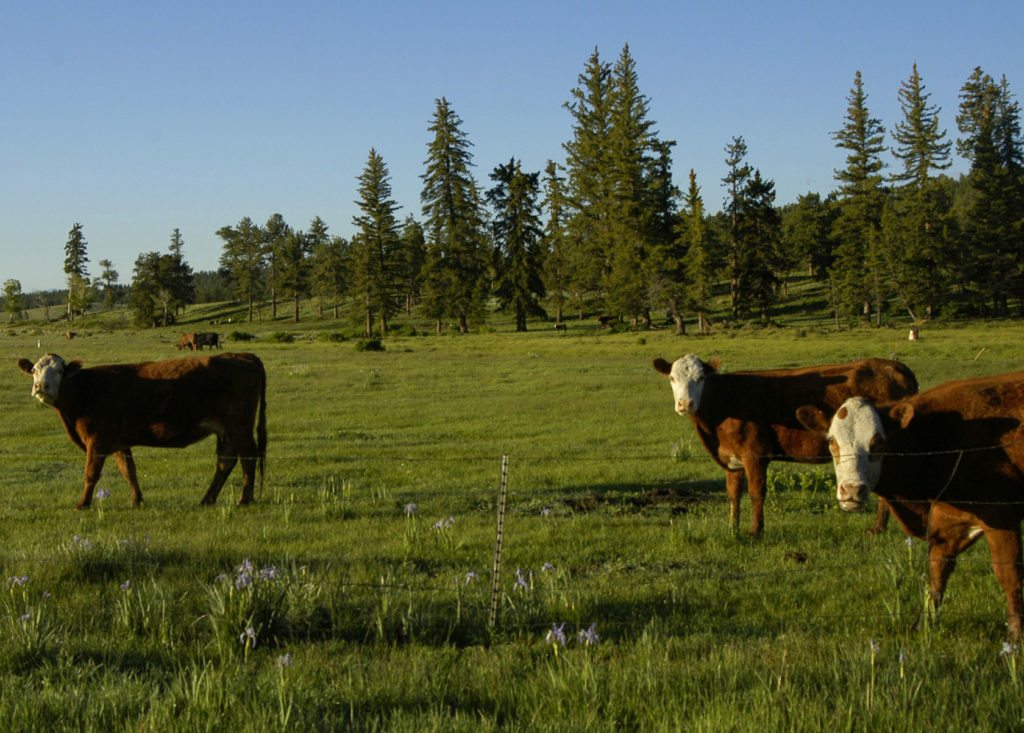
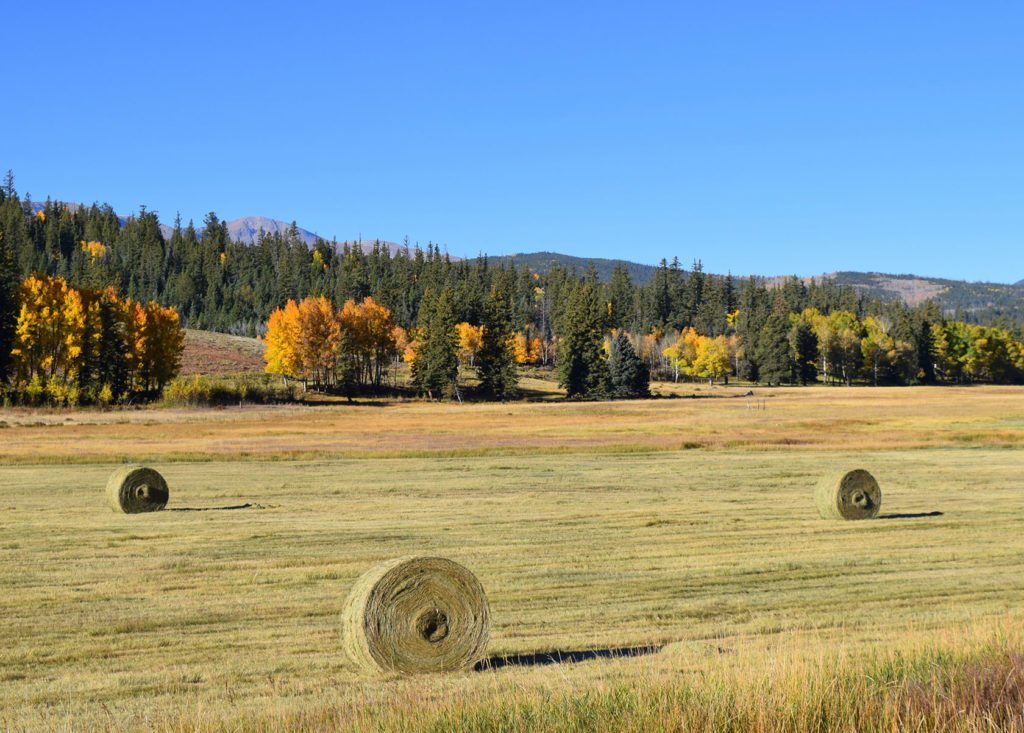
June has come and is slipping away, which means it is time for our annual Mountain Hatch Report, where our brokers give their expert advice for how to fish the rivers and streams of our premier collection of fly fishing ranches for sale. The lure of landing trout is what draws us out to the water, however the serenity and grandeur of each of these ranches is so often what sets the day apart. Beyond the hatch report, we would leave you with the words of Charles F. Orvis from 1886, “More than half the intense enjoyment of fly fishing is derived from the beautiful surroundings, the satisfaction felt from being in the open air, the new lease of life secured thereby, and the many, many pleasant recollections of all one has seen, heard and done.”
Colorado Hatch Report
Winding River Ranch – Fairplay, Colorado
Flows are steady, and the fishing is in primo. Small terrestrials fished tight to the undercut banks will be rewarded, while black and olive buggers will likely produce the “catch of the day” in the deeper pools. Anglers can expect to work the soft edges with smaller stoneflies and a variety of bead-head droppers during the middle of the day when hatches may have slowed. The explosive Blue Damselfly hatch is happening on the ranch’s four trophy lakes; this approach produces exciting “eats” and long runs from the resident rainbows. View Winding River Ranch
Hidden Lake Ranch – Pagosa Springs, Colorado
Hidden Lake Ranch offers three miles of meandering willow-lined bends, plunge pools and rocky pocket water on Weminuche – all of which hold trophies. PMDS and caddis will be the go-to small dries in the weeks ahead, while foam terrestrials with or without a dropper will land a fair share of sizeable trout. As the sun begins to fall, or clouds settle over the valley, streamers will be the hot fly fished tight against the extensive cover structure on the banks. This is often where we see the big fish lurking; of course, in the last hour of light a mouse pattern skated across the surface could lead to an explosive brown trout attack. The five lakes onsite are fishing great and offer a diverse array of dramatic scenery. View Hidden Lake Ranch
Rocking TW Ranch – McCoy, Colorado
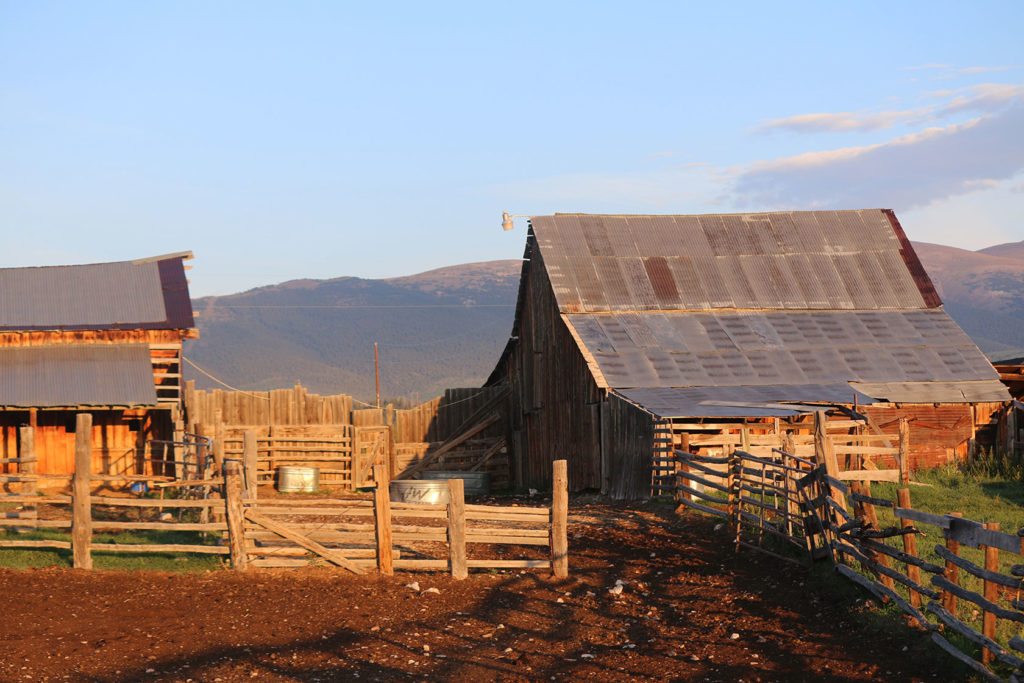
PMDs and caddis have been the go-to dries of late with potential for fun green drake action upcoming. Fish are holding in the deeper seams so when not actively feeding on the surface a stonefly nymph and caddis pupa fished deep should produce as fish go low to find cooler water. When clouds are present streamers can produce exciting grabs on this section of the Colorado. View Rocking TW Ranch
DM Ranch – Fairplay, Colorado
The fishing on the DM Ranch right now is excellent. Caddis hatches are thick and consistent with trout rising to them throughout the day. The “go-to” rig on the DM for the next few weeks will be a hopper dropper or a double caddis set up with varying hook sizes. When the fish aren’t looking up a small stonefly pattern should produce, given the abundance of stoneflies in the system. Don’t forget to prospect the deep slots behind the beaver dams with a black or olive streamer; that’s where the big ones can be found. View DM Ranch
Elk Meadows Ranch – Black Hawk, Colorado
The two lakes on Elk Meadows Ranch, which total approximately 15 acres, offer some of the premier stillwater fishing in the state of Colorado. There is an abundance of food sources in the system from mysis shrimp to a variety of scuds. When the caddis are popping, the fish are rising to the surface all over making it fun to pick your fish and target it with a long, precise cast. The true trophies can’t seem to resist a skated hopper placed tight to the banks; “the grabs” are often explosive, and then its game on. Hooking up on this ranch is one thing, landing the fish is another ball game altogether – these fish are BIG and healthy. View Elk Meadows Ranch
Sleeping Dog – Lake City, Colorado
As is the case with many of Colorado fisheries this year with the low snowpack flows are down this year on Cebolla Creek, but the fish are still thick in the system and bugs are hatching. Throughout the day anglers should be armed with a variety of caddis imitations as well as PMDs, As summer progress the hopper dropper should produce when fish are eager to rise to terrestrials or eating subsurface in the riffles and deep bends. If there is a lull in the fishing be sure to remember to look around at the grand surrounding; you may find a big horn sheep looking back at you from the hillside. View Sleeping Dog Ranch
Idaho Hatch Report
Greater Yellowstone Legacy Ranch – Ashton, Idaho
The Fall River remains high and off-color from its headwaters in Yellowstone N.P. above the ranch, all the way down to its confluence with the Henry’s Fork River. The recent rainy cycle in the area has bumped flows up again. Prior to that, the Fall River was dropping, clearing and fishing very well on both nymphs and dry flies, including the big Salmon Flies and Golden Stones! Smaller dry flies were also producing aggressive takes in the softer water and deeper buckets. Dropping a large rubber leg or beadhead prince or pheasant tail off one of your big dries will certainly increase your numbers. Look for healthy caddis hatches, PMDs and Yellow Stones as the warmer temps settle in, flows stabilize, and the river begins to clear. View Greater Yellowstone Legacy Ranch
South Fork Luxury Home and the River House on the Upper South Fork – Swan Valley, Idaho
The fishing on the South Fork of the Snake is entering prime time. The flows have been reduced to 17,000 cfs as of June 29 and there are Salmon Flies showing up on the lower river, including the lower reach of the Canyon. Nymphing and streamer fishing have been the most consistent methods of fishing but with water clarity improving, the dry fly fishing will get better every day. In addition to the Salmon Flies, there are Drakes, Caddis and PMDs beginning to hatch. This looks to be a big fish year on the South Fork, buckle up! South Fork Image (below right) Courtesy of World Cast Anglers
View South Fork Luxury Home
View River House on the Upper South Fork
Steelwohl Retreat on Henry’s Lake – Island Park, Idaho
Memorial Day marks the true beginning of trout fishing in the Island Park area with numerous fishing opportunities in Yellowstone Park nearby, including the Fire Hole, Gibbon, Gallatin, Madison and the famed Henry’s Fork River. This area has long been a draw for regional as well as destination anglers because of the many fishing options this area of the Rockies provides. Mid – June marks the tail end of the Salmon Fly hatch on the Henry’s Fork and the grand opening of the Railroad Ranch on June 15. Expect to see fish rising to PMD’s, Caddis, Golden Stones, Yellow Sallies and the occasional Green Drake. View Steelwohl Retreat on Henry’s Lake
Teton River Retreat – Victor, Idaho
Mother Nature is keeping us on our toes here in Teton Valley this spring. From sunny summer like days to several days of consistent heavy rains, the Teton River is back on the rise and off color. Anglers have been getting cutthroat and rainbows with nymph rigs and streamers for the most part with very limited dry fly fishing opportunities. The flows should begin to drop once this rainy system moves on and then summer conditions will finally be upon us! View Teton River Retreat
Bitch Creek Canyon Ranch – Ashton, Idaho
Bitch Creek is a major tributary to the Teton River and Henry’s Fork river systems and major spawning grounds for the Yellowstone Cutthroat trout. Much of the fishing on Bitch Creek remains subsurface with Pats Rubber Leg stone fly and simple pheasant tail patterns being most effective. Adult stone fly and PMDs will soon bring fish to the surface as will terrestrial patterns moving forward into the warmer months. View Bitch Creek Canyon Ranch
Montana Hatch Report
Lone View Ranch – Ennis, Montana
Much of the Upper Madison is fishable, but the tributaries are less clear. The recent cool weather has stalled most hatches, but we expect that caddis fishing to improve dramatically when we see a few warm days. Also expect to start seeing adult salmon flies when things warm up too. Nymphing has been good in the afternoons; try size 10 to 16 bead head prince, hares’ ears and lightning bugs as well as Golden Stone and Salmon fly nymphs.
The Gallatin is dropping. Currently it is not clear enough for good fishing. In a few weeks be ready with caddis, pale morning duns and yellow sallies. The evening rise over egg laying caddis and mayfly spinner falls can produce great fishing an hour or two before dark. Dry flies should work well all day, however if action slows you may do better nymphing or swinging a streamer. View Lone View Ranch
Lodge on the Bitterroot River – Hamilton, Montana
The Bitterroot is currently high and off color. We expect that to change in the next few weeks. As soon as the river starts to clear try a size 4 or 6 bugger or rubber legged fly. As it continues to drop tie on an elk hair or Goddard caddis, Chubby Chernobyl or ant and be ready to switch to your favorite PMD when you see fish on the surface. Later in the summer, search with a hopper/dropper rig, and don’t be afraid to fish the deeper holes with a bead-head indicator rig. View the Lodge on the Bitterroot River
West Fork River Mountain Retreat – Darby, Montana
There is plenty of water in the Bitterroot these days… After a snow-packed winter and steady rain storms this week, the “Root” is running higher than average going into late June. The West Fork and upper river remains fish-able with clear water and plenty of dry fly opportunities despite higher flows. Hatches of Salmonflies, Golden Stones, and Sallies have the fish looking up. As we near the end of June and beginning of July expect to see dropping flows coupled with prolific hatches of PMD’s, Bitterroot Stones, and Caddis. This river is poised to break out into its dry fly paradise potential river-wide as flows drop over the coming weeks. View West Fork River Mountain Retreat
Historic Black Bluffs on the Yellowstone River – Park City, Montana
The Yellowstone at Billings was shaping up to fishing form before the most recent rains. Currently at 52,500 cfs, nearly twice the 89-year June average, it will be early July before it clears. Flows coming from the upper tributaries should drop quickly with the end of the rain, and we will all be back in our boats. View Historic Black Bluffs on the Yellowstone River
The Circle Bar Ranch – Utica, Montana
The Judith River will be dropping and clearing in the next week or two. This property has quality fishing during the first three weeks after the flows come down, so grab your rod and waders. As the water clears expect to see good caddis hatches in the evenings with a few Yellow Sallies in the afternoon on the property and the adjoining forest service. When the river is low, fish are starting to look at general attractors like Wulffs and stimulators as well as terrestrials like ants and small hoppers. If dry fly fishing is slow, bead heads and small buggers can work well any time of day. View The Circle Bar Ranch
Bridger Creek Cabin – Bozeman, Montana
Summer conditions on Bridger Creek will be here soon. Like most Montana mountain streams, Bridger Creek calls for your favorite attractor fly, preferably one that’s easy to see. Bridger Creek is a nice mix of small pocket water, short riffles that drop into nice holes and undercut banks. Expect dry fly fishing so pack your favorite 7.5 to 8.5 foot, 4 or 5 weight. View Bridger Creek Cabin
Stillwater River Ranch – Nye, Montana
The Stillwater River is running at 6,400 cfs at Absarokee with the fishing best in June with flows under 3,800 cfs. The Stillwater can drop quickly and should be in good form by the first part of July. View Stillwater River Ranch
New Mexico Hatch Report
Canones Creek Ranch on the Chama River – Chama, New Mexico
The Chama River on the Canones Creek Ranch has been fishing well since early spring. Coming off a light snowpack year, which is the opposite of the two previous near record setting snowpacks, the river is still fishing well into the summer, although water levels are dropping much earlier than normal. With a current flow of approximately 40 cfs, the Chama is fishing well with both dries and nymphs. Small mayfly patterns and Grey Drakes have been the preferred dry flies recently with plenty of action below the surface, as well, on your traditional prince nymphs and flashy worm patterns. As always, don’t be afraid to throw a big nasty streamer into one of the many deep runs on the Canones Creek Ranch for a shot at a 24” hog such as this one!
View Canones Creek Ranch on the Chama River
Oregon Hatch Report
Salmonberry Estate & Lodge – Nehalem, Oregon
With Winter steelhead season long over, fishing over the summer on the Nehalem River turns to coastal cutthroat trout and, by July, sea-run cutthroat trout. The sea-run fish average 16-18 inches and are much larger than their resident brethren. The sea-runs, or “bluebacks” as they are known in the Pacific Northwest, are following the Summer and Fall chinook into the rivers on their annual pilgrimage to spawn. Tactics for chasing coastal cutthroat are standard trout flies as well as traditional sea-run cutthroat trout flies like the Female Coachman, Pete’s Special, Spruce fly, and Siletz Special. Egg patterns can also work well as Salmon get on their redds and begin to spawn. View Salmonberry Estate & Lodge

Wyoming Hatch Report
Flat Creek Fishing Estate – Jackson, Wyoming
A second year of solid snow pack in Jackson Hole and a cool damp June should provide excellent fishing opportunities on the Flat Creek Fishing Estate throughout this summer. There have already been emergences of early season drake mayflies, and this summer we expect to see mayfly, stonefly and caddis hatches that will bring the native cutthroats to the surface. Once again spring fishing has produced quality trout. View Flat Creek Fishing Estate
Rainbow Canyon Ranch – Saratoga, Wyoming
The Encampment River is running about 300 cfs and clear. Anglers are taking trout on Pat’s Rubber Legs, Posse Buggers and a variety of streamers. Expect hatches of midges and BWOs. View Rainbow Canyon Ranch
Double L Ranch Luxury Home – Etna, Wyoming
The prime attraction to the Salt River are the Snake River Fine Spotted Cutthroat and Brown trout in the 10-22-inch range. The river offers great opportunities to catch trophy sized fish during this time of year with fish moving to and from Palisades Reservoir. Spring run-off on the Salt occurs sooner and clears faster than many of the other rivers systems in the region. The current hatch report includes PMDs, Spotted Sedges, Golden Stones, Little Yellow stones and green drakes. View Double L Ranch Luxury Home
Barber Creek Ranch – Pinedale, Wyoming
Stream flows on the Green and New Fork Rivers are on par with the annual mean flows and have begun their recession. The rivers are gaining clarity daily and fishing should be great in time for the 4th of July festivities. Currently, anglers can expect to find fish moving out of their winter holding patterns and into the deeper holding water and along the slower inside seams and cut banks. Nymphing and streamer fishing remain the most productive this time of year, but we are only weeks away from incredible dry fly action with the emergence of the grey drake, caddis BWO and stone flies. View Barber Creek Ranch
Crow Creek Ranch – Afton, Wyoming
Crow Creek is a major tributary to the Salt River system a smaller, more intimate fishery, with Median flow of 80cfs. Fish in Crow Creek tend to be less educated than other regional fisheries due to lack of public pressure and difficult access on private lands. With spring run-off nearing its end on this tributary expect to find fish feeding on simple mayfly patterns like the Adam’s and small stones. As spring turns to summer, fish will settle on the banks looking for terrestrial patterns imitating grasshoppers. View Crow Creek Ranch
Popo Agie River Estate – Lander, Wyoming
The Middle Fork is still running a bit high at about 3,000 cfs at mid-day, but it’s clearing up. Anglers are taking browns and rainbows on larger, more visible patterns like red bead-head San Juan worms and conehead Wooly Buggers. Grasshopper naturals are also starting to appear. Try a #6 Dave’s Hopper with a Purple Batman dropper. View Popo Agie River Estate
North Platte Riverfront Estate – Saratgoa, Wyoming
The North Platte is running near 1,300 cfs in Saratoga and dropping quickly. The water is almost clear, and fish have been taking Yellow Sally nymphs, Pat’s Rubber Legs, and various worm patterns. Anglers are seeing Adult Caddis and Pale Morning Dun hatches, and Green Drakes are expected soon. View North Platte Riverfront Estate