


The Importance of Ranching and Agriculture in the United States
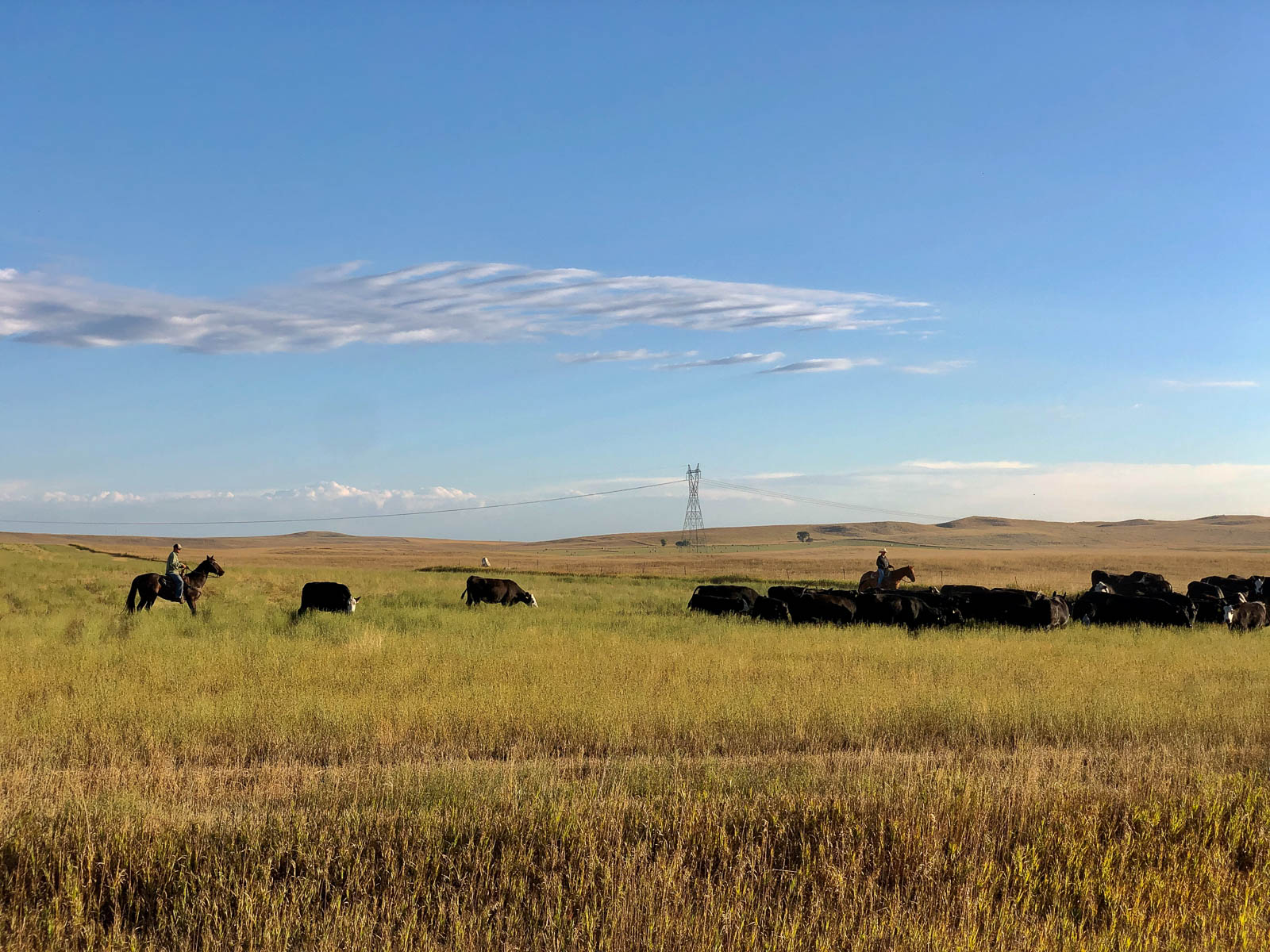
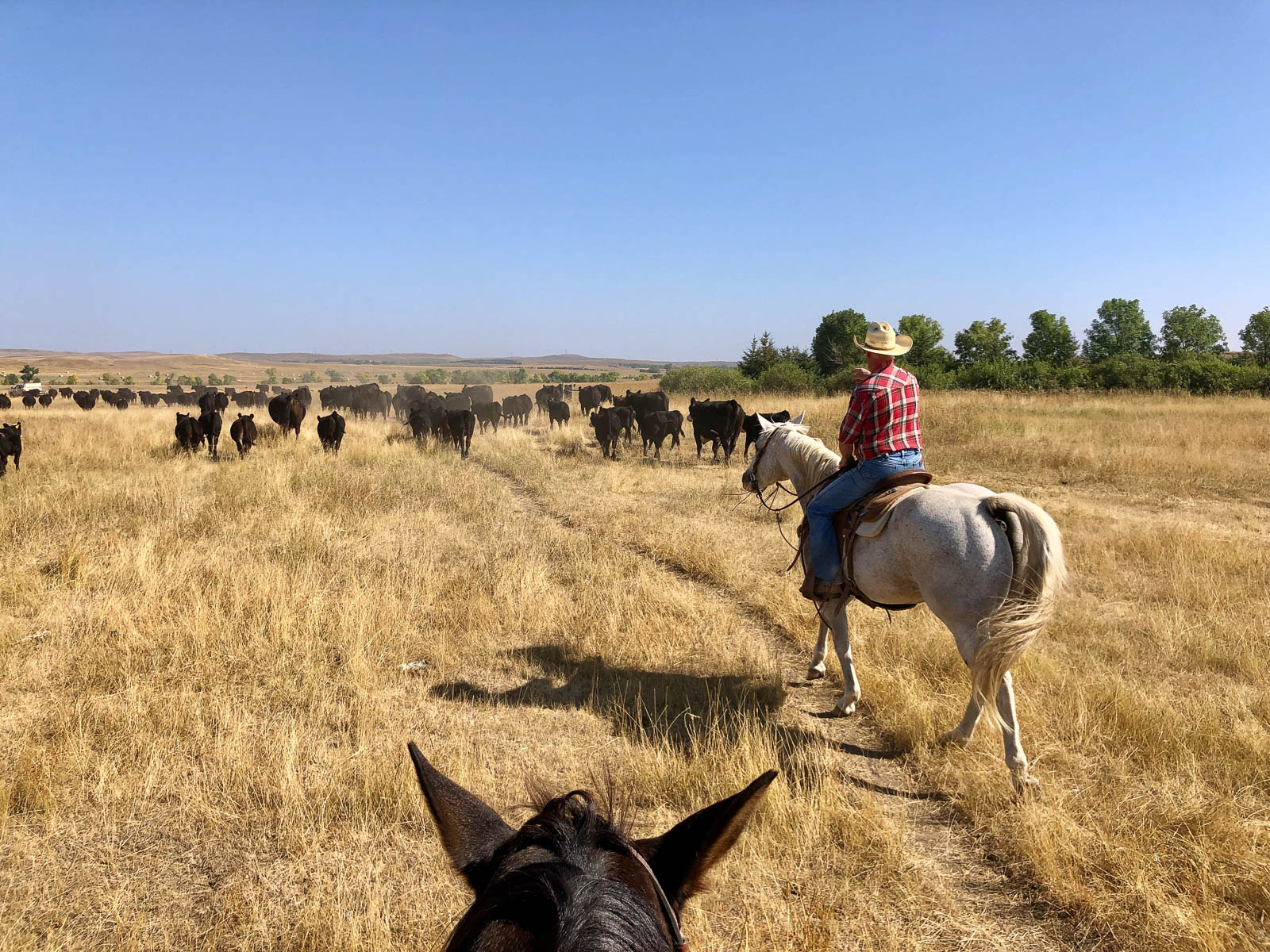
“Almost all of us take agriculture for granted,” says the Agriculture Council of America. To recognize the “greatness of agriculture,” they founded National Ag Day in 1973 to create awareness about agriculture’s role in modern society. How many of us stop to think about where our food comes from when we sit down to eat? American ranchers and cowboys are some of the most iconic personas in our country, yet some of the least understood and appreciated. Behind that mystique are the hard-working families that labor day in and day out to feed our country.
We wanted to hear firsthand from families engrained in ranching about the state of agriculture in the United States. They work the land themselves. It’s not like what you see on TV. There is no large staff of hired help. It is 24/7, and there are no vacation days. They do it for various reasons, but they all love the lifestyle and recognize their work’s importance in feeding our local communities and country.
Table of Contents:
Meet the Ranchers
Montana
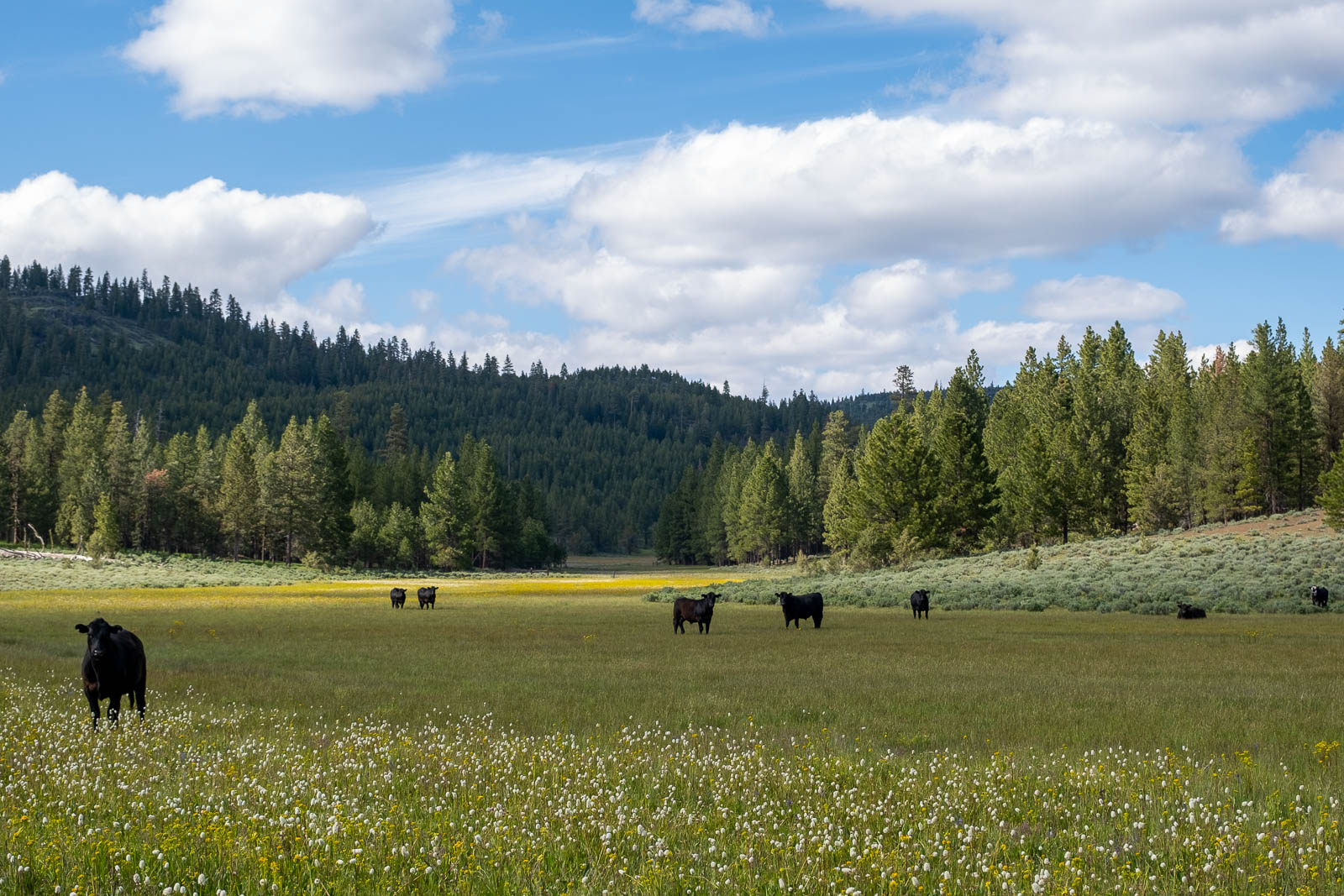
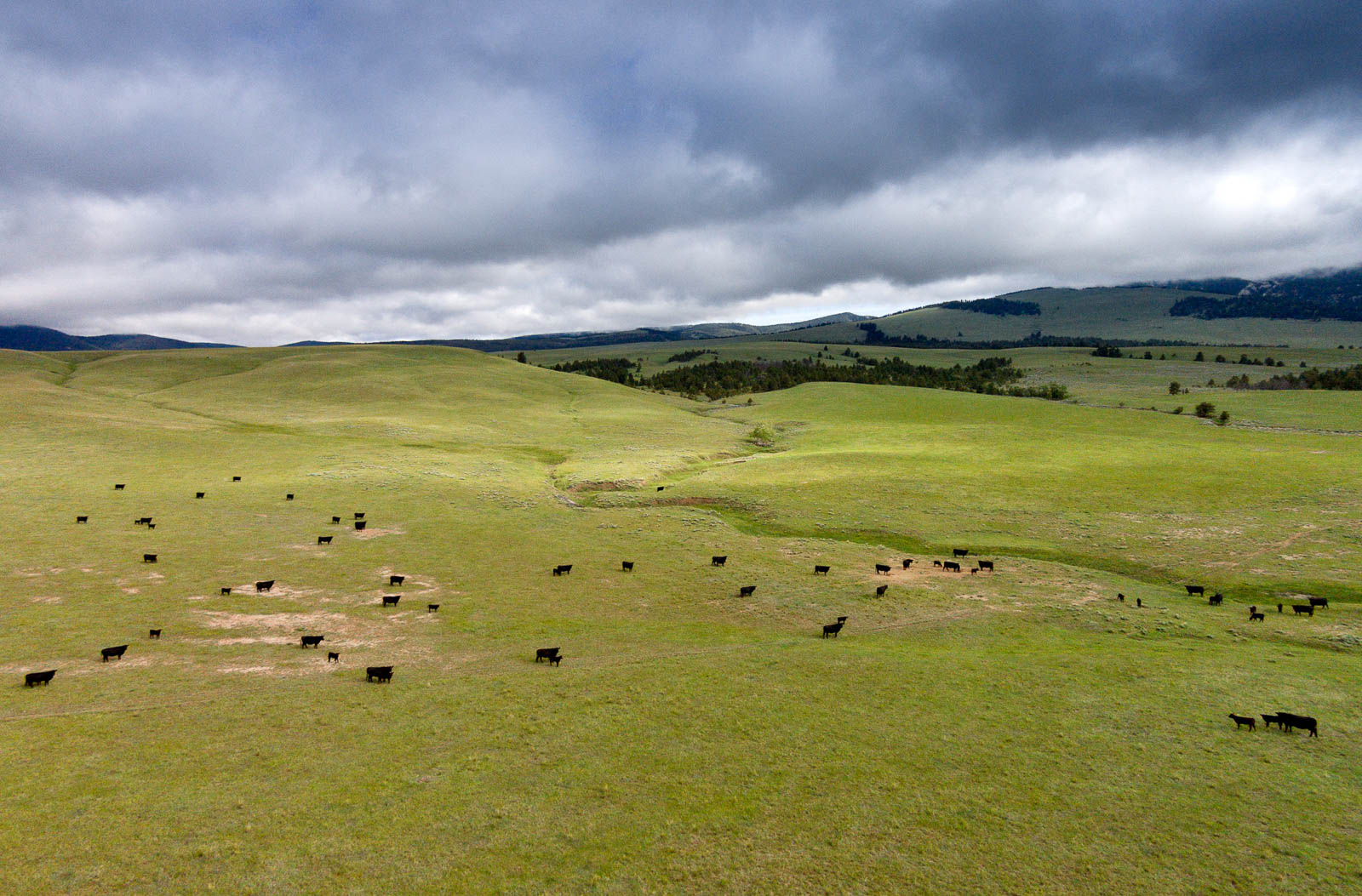
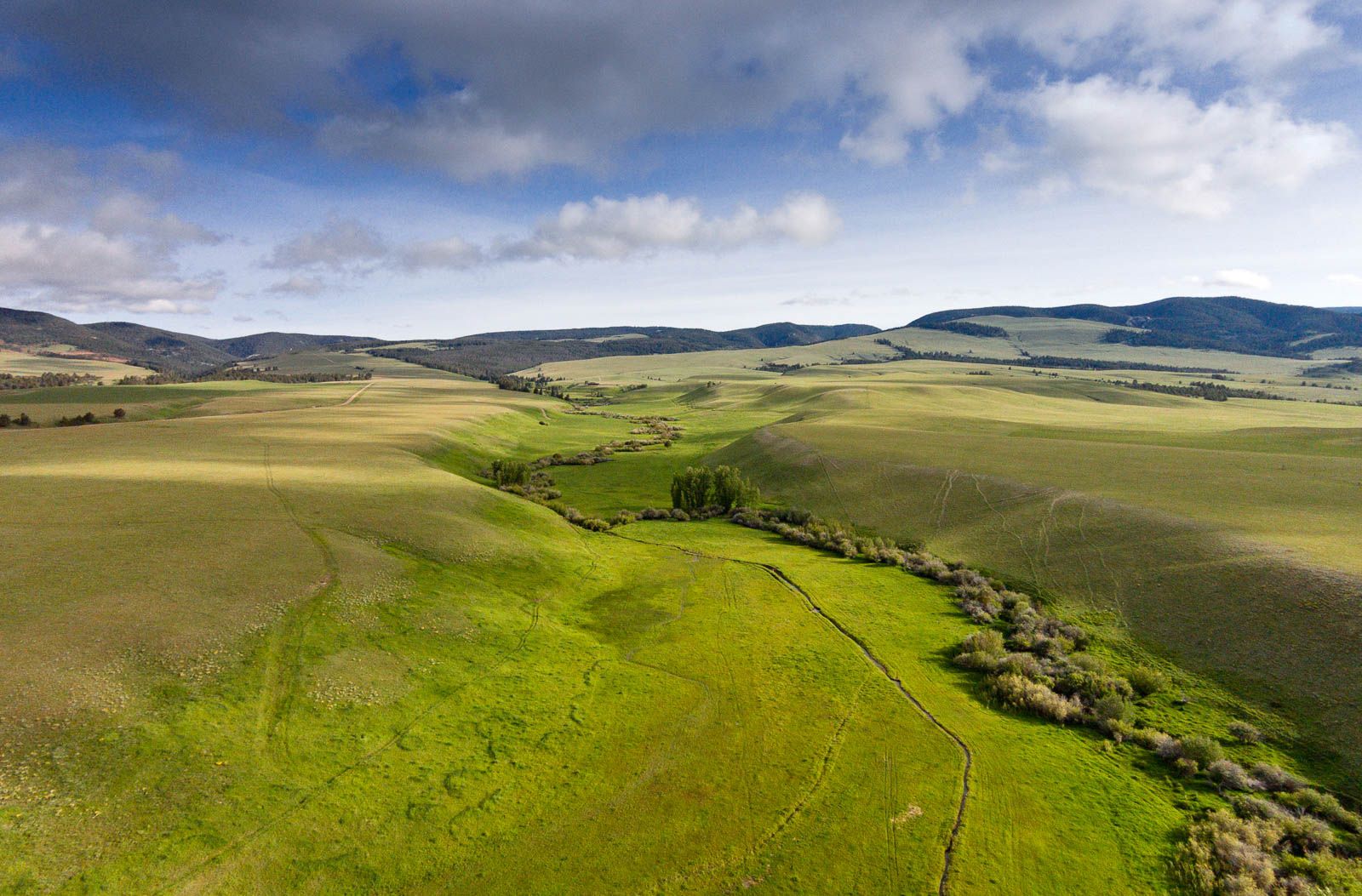
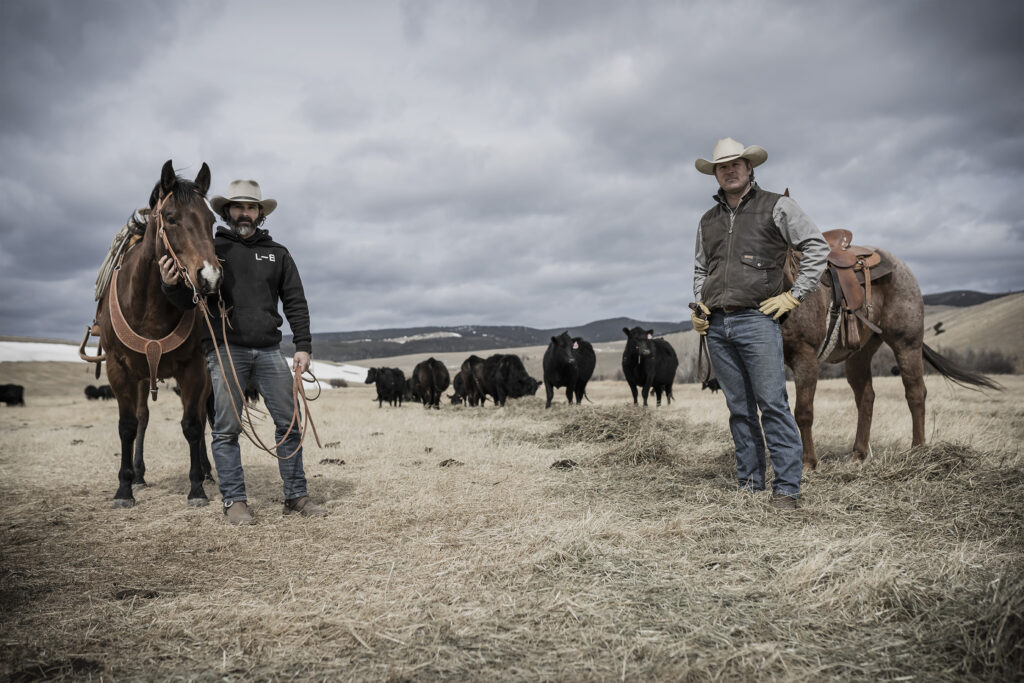
Greg Putnam and Tim Sheehey met while serving together as active-duty Navy SEALs and are now partners in Little Belt Cattle Co (LBCC). Tim, his brother Matt, and Greg started the ranch together that would become LBCC in 2020. “After looking at the food production system in America and realizing how important it was to our counties nation, we a recognized that a large number of acres were currently coming out of production. We started to assess how the system would be able to sustain itself as we know it without new producers starting agriculture businesses? We realized that it couldn’t, so that’s what we did. Today Little Belt Cattle Co has built a sustainable supple chain that raises cattle from start to finish all in Montana, that includes direct to consumer beef.
Wyoming
For generations, the Lyman family has worked hard and sacrificed to build Lyman Ranch Company to what it is today. Reed Lyman, his parents, and three brothers own and operate the ranch today. In 1914, his great-grandfather homesteaded along the Bighorn Mountains in Wyoming. His grandfather, who Reed notes had only a 7th-grade education, put together a few pieces of land and “scraped together every penny he could, even taking money out his kids’ piggy banks” to put a down payment on land in Tensleep. They worked from “daylight to dark.” The ranch was passed down to Reed’s father and his brothers. His dad was able to go to college – as would Reed and his brothers. His dad took his knowledge from banking and range management classes and kept taking advantage of good opportunities as he saw them. The family switched from raising sheep in the 50s to black Angus. At the time, Herefords were the area’s most common breed of cattle, and the Lymans were one of the rare families to raise Angus.
The Importance of Ranching to our Nation
While these families and ranches are different, ranging from multigenerational to first-generation, with ranches throughout the country, they quickly recognize and highlight the importance of ranching to our nation. “The food system is critical to the security of the United States,” says Putnam. “The U.S. is one of the few that can self-sustain within our own borders.” Putnam has seen the places without reliable food systems firsthand: “I honestly believe it is a critical component of what makes this country great.”
“The country, in general, has forgotten where its food comes from,” says Lyman. “It’s such a misbelief. As we see now, with any commodity, if you depend on another country, you’re at their mercy. We need to feed ourselves and the country,” says Lyman.
Threats to Agriculture
One of the reasons Putnam and Sheehy formed LBCC was witnessing the removal of acreage from our food systems. “There is a big threat with the subdivision of productive acres for development, recreation, or other things. There is a breaking away, but at some point, when there is not the ground needed anymore to sustain the system. It fractures the system down. It becomes unsustainable.
“I’d encourage people buying to take a good look and find the good partners to keep those acres in ag. And not get displaced by the misconception if you graze cattle, there won’t be grass for elk or that you would be degrading the land you bought. In actuality, you will be helping. Find the right production partners to help develop these as great holdings and businesses and keep them in this system because we need you, and we need this acreage.”
To Lyman, one of the biggest threats to agriculture is politics and the miseducation surrounding ag. Agriculture has been “mispainted” by many. Many quickly point to it and say it’s not environmentally friendly, but anyone who knows ranchers knows how far from the truth is. They are dependent on their land and stewarding their land well if they want to run a profitable business. “You buy the land, and you don’t force your ideas on the land. You work with what the land will give you,” says Lyman, whose grandpa instilled these values in him. “If you treat the land badly, it will help you for a year or two, but long term, it won’t. Any good ag person can’t abuse the land.”
Cattle Ranching and the Environment
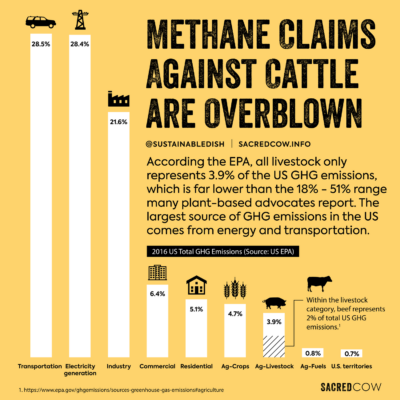
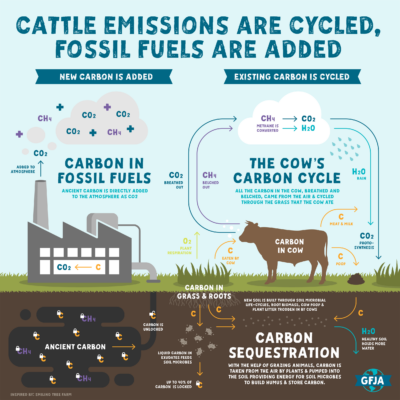
“The beef industry and ranching have been unjustly framed as being environmentally destructive,” says Putnam. Cattle eat what humans can’t consume and convert the grasses it forages on to the highest density nutrient-rich protein source available, all this while ultimately improving the land. “The positive environmental impacts, if grazed with certain practices, are hugely beneficial. There is a misconception that it is part of the problem. One of the best ways to sequester carbon is grazing and regrowing of grasslands, and while doing that, it improves the soil,” adds Putnam. “It is important for people to wake up that ranching is not the problem but could be even more of a solution moving forward. Regardless of thoughts on climate change, a good food system and the need for good high-quality nutrient-dense foods for communities and family doesn’t change.”
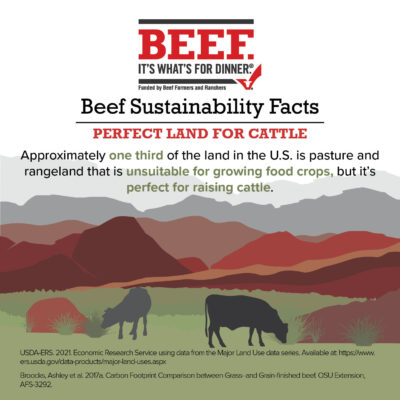 Ranchers are some of the first stewards of the land. Much of the new regenerative practices are practices that older ranchers have been using for generations. “The tried-and-true methods that our ancestors did for agriculture are all about having a well-balanced operation. It seems simple, but that goes a long way towards being profitable or not. The longer cows are on the fields, the more costly they are. More equipment takes away from your profit,” says Lyman.
“Cows are just a way of utilizing that grass. Ranchers are exceptional stewards of the land, not because they degraded the resource. They enhanced it. Ranchers have been doing this quietly for generations, and it works, and people know it works.” Says Putnam. Ranchers have an almost engrained desire to leave the land better than how they found it. Among many things in common, Lyman and Putnam share the desire to leave the land better than they found it to their future generations. It’s what so many ranchers who have come before them have done.
Hard Lives Make Strong People
With an everchanging political climate, droughts, and higher input costs such as fuel and fertilizer, it seems like agriculture is under continual attack. But with a family that has been in ag for generations, the Lymans have seen much of this before. “In general, ag seems to suffer nowadays, but in truth, that is what makes real ag people hold up. The trials and tribulations create strong people,” says Lyman. “Droughts and such are just part of life in general for ag. It comes and goes. The weather is cyclical. We’ve gone through droughts and extreme rainy periods before.”
It is perhaps the uncontrollable circumstances that have molded ranchers into who they are. Anyone who knows someone who depends on the land and livestock for their living will be the first to say they are the hardest working people they know. “A hard life makes for strong people. Ag people are stubborn. But it’s a good life. You put them in any situation, and they can figure out how to get through it,” says Lyman. “It’s the reason ranch kids are in high demand for colleges and jobs.”
Animal Rights and Welfare
Along with the work ethic of ranching comes the level of care it takes to produce high-quality food. “Here is a history of people that continue to keep working, trying, improving, and taking those risks to bring food to people’s tables,” says Putnam. “There is a level of care for those animals. When something doesn’t go your way, when something dies, there may be the misconception that you go – ‘oh well.’” However, that is far from the case.
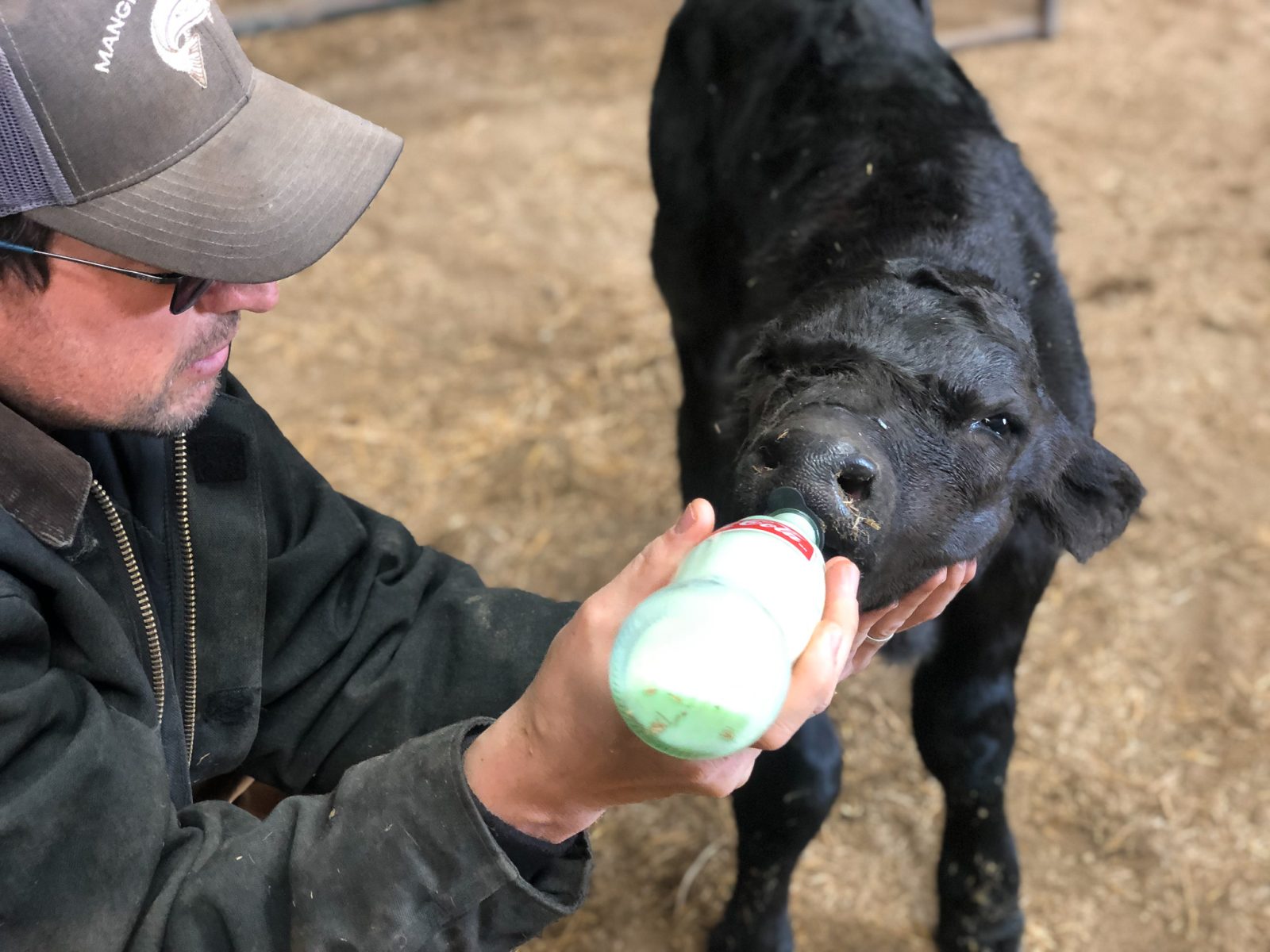
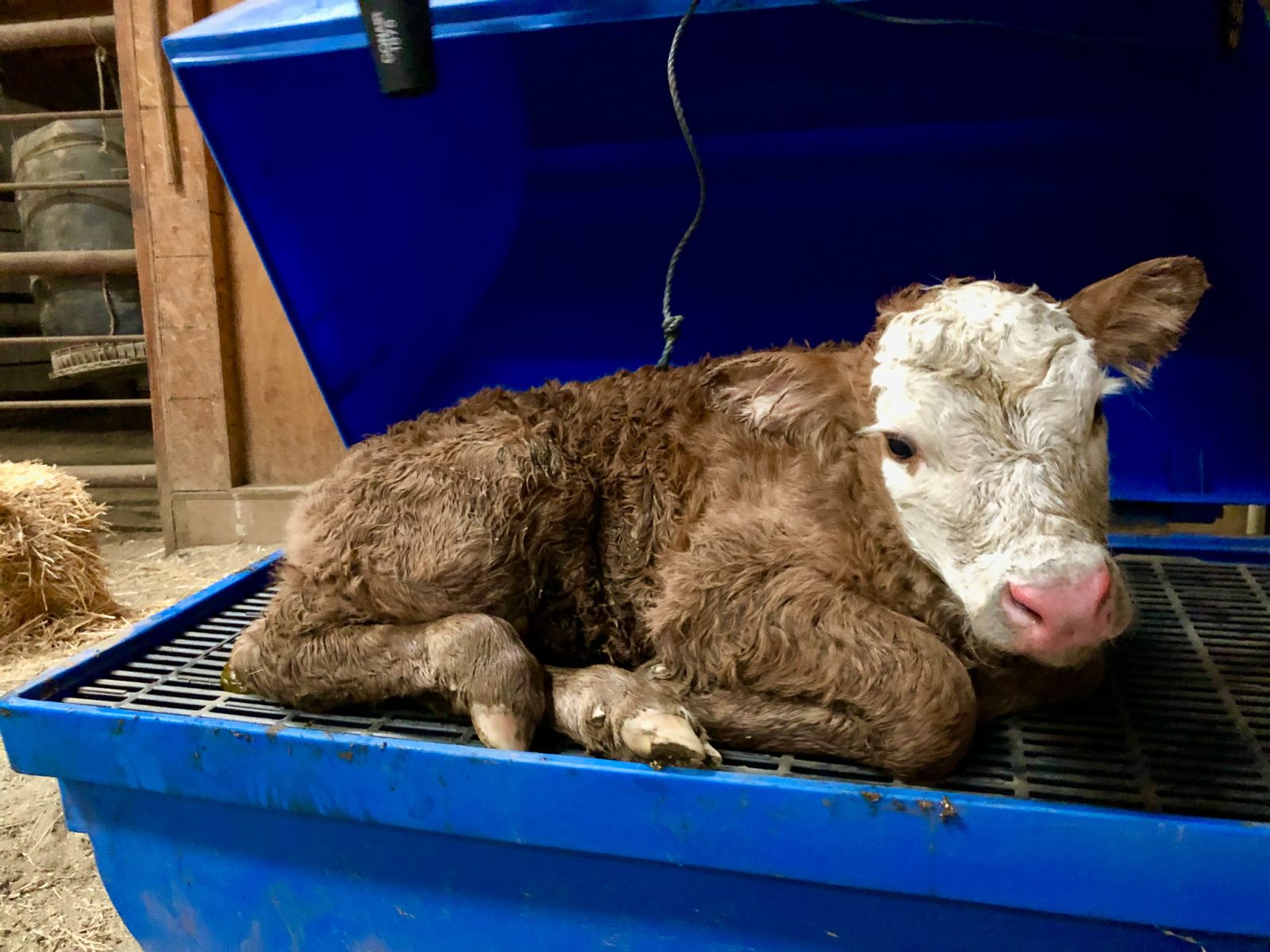
“Anyone running cows is constantly and daily looking at cows, evaluating them, looking for problems,” says Lyman. “Everything centers around the well-being of your animals. You are always focused on the care and requirements of the animals. There are generally no vacations because every time of year has something different you are watching your cows for. Anything going wrong takes away from your bottom line. You are always, always, always watching.”
After years of ranching, one learns the “tricks of the trade.” A rancher has to learn to identify what the different signs, body positions, and movements of livestock might mean. “A cow standing alone can be a problem. [You watch for] if she’s hanging her head and how’s she twitching her tail. You have to understand what’s going on so you can prevent problems,” says Lyman. “Ag tends to be greatly into animal rights and welfare. Any ag operation that undervalues animal care becomes unsustainable.”
Work Ethic
“What people do to keep their cattle herds and business going comes down to the care of the land and livestock first and themselves second,” adds Putnam. “It’s not what you see in other industries where you ask, ‘what do I get?’ Ag and ranching is ‘how do I benefit the we?’ And that’s something you don’t see all the time, and you don’t realize it until you see the level. It’s a mindset lost in other industries and ultimately what people need to get back to.”
The work ethic, the care, and the understanding of where food comes from all coincide. To Lyman, what he wishes more people understood about ag is, “The work ethic. The need and the importance of ag. Understanding where the food came from. Food coming in from other countries is greatly inferior because they don’t have the regulation for quality as the U.S. does. You think it will solve problems, but it doesn’t take into account how the animals are handled, treated, and chemicals used.” And that cycles back to the care and work put in by ranchers in America.
“There is such a disconnect between people going to a store buying steak and who did it come from, where did it come from. People assume that steak is going to be there and don’t think much about where it came from or who cared for it. The level of commitment to get to the end result is something that I know myself is something I’m impressed by on a daily basis.”
Who are Today’s Ranchers?
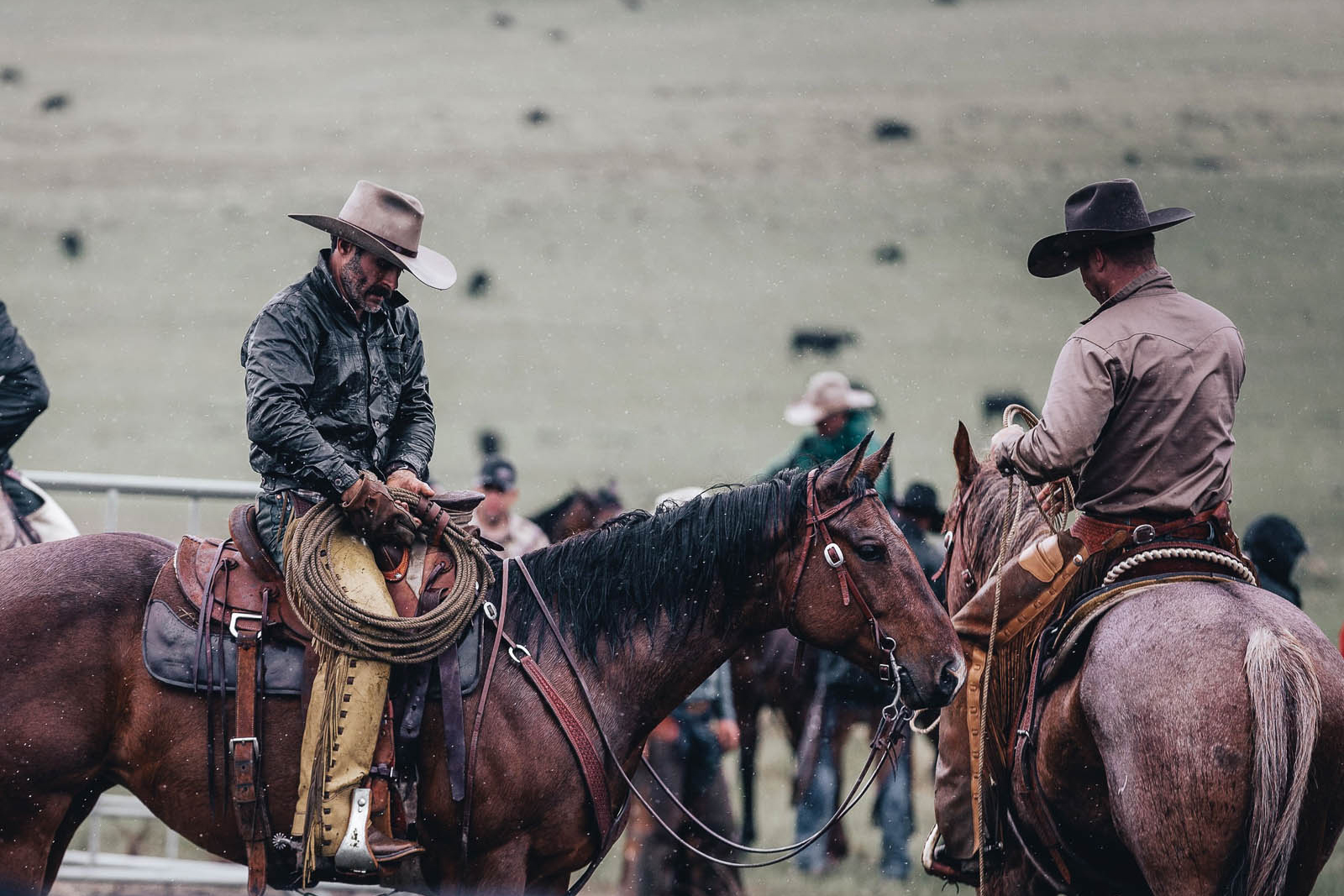
There has become a skewed perception of who the “real” rancher is. “It is more than just a hobby. It’s not a hobby for those who do it professionally. These are really smart professional people,” says Putnam.
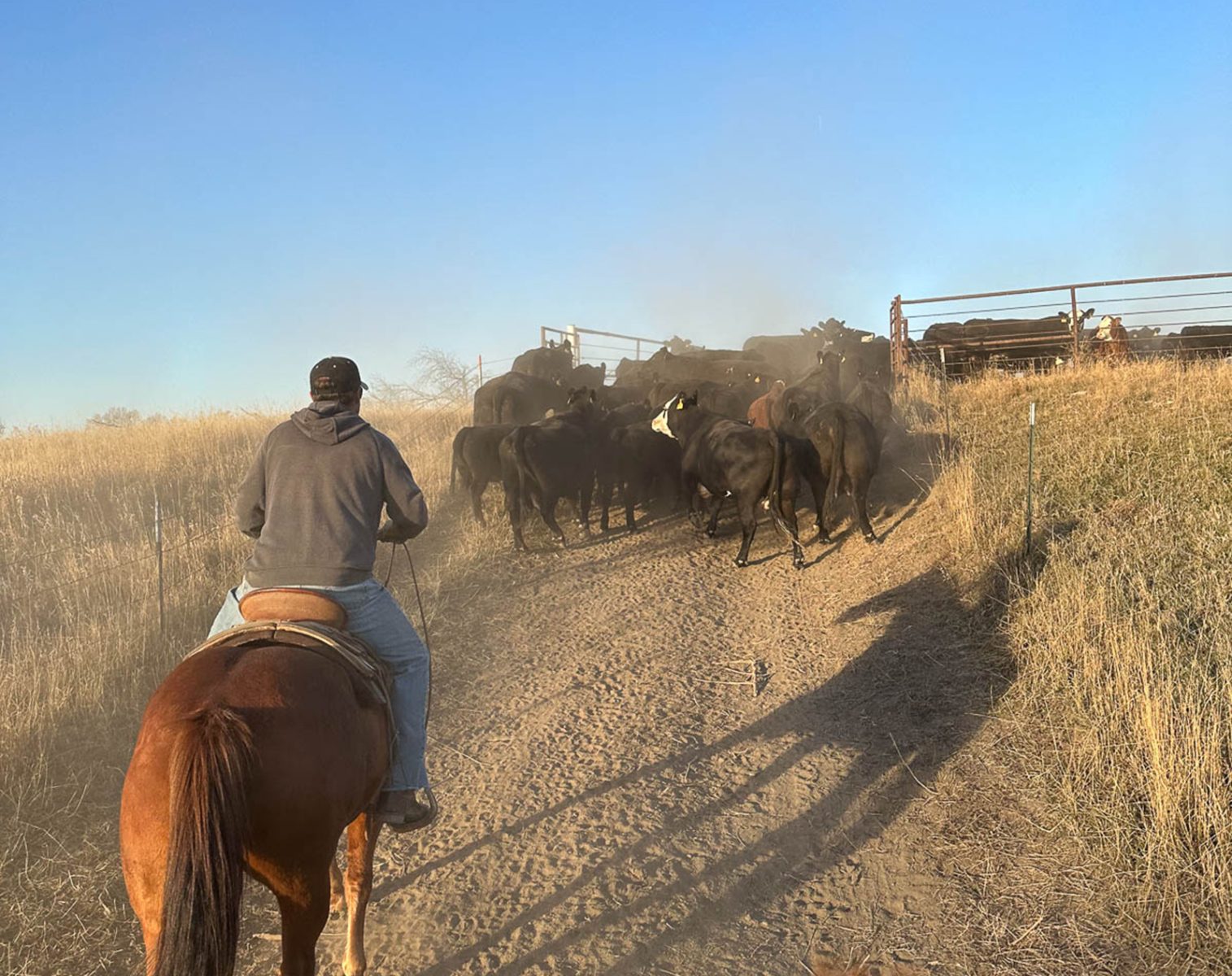
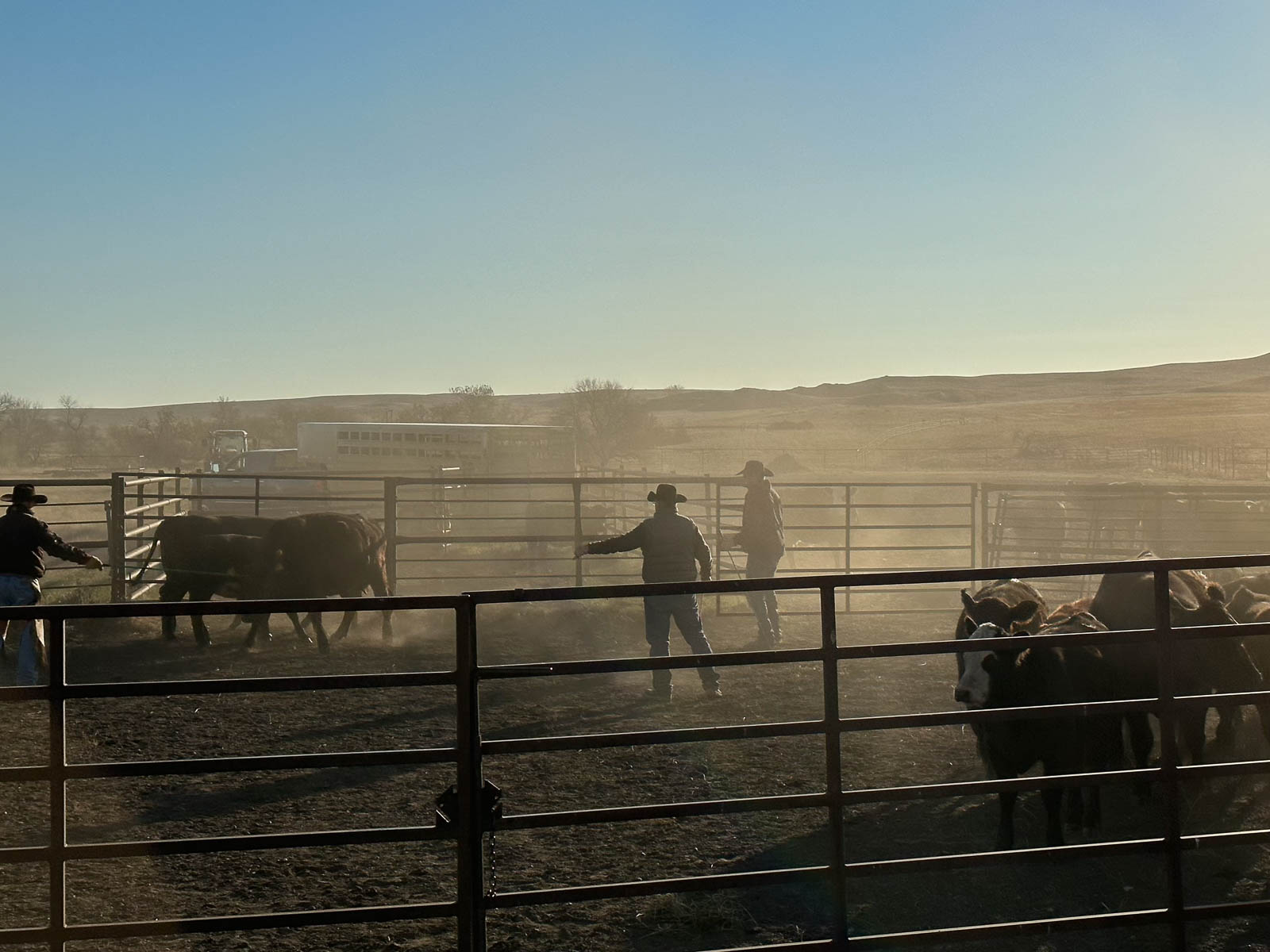
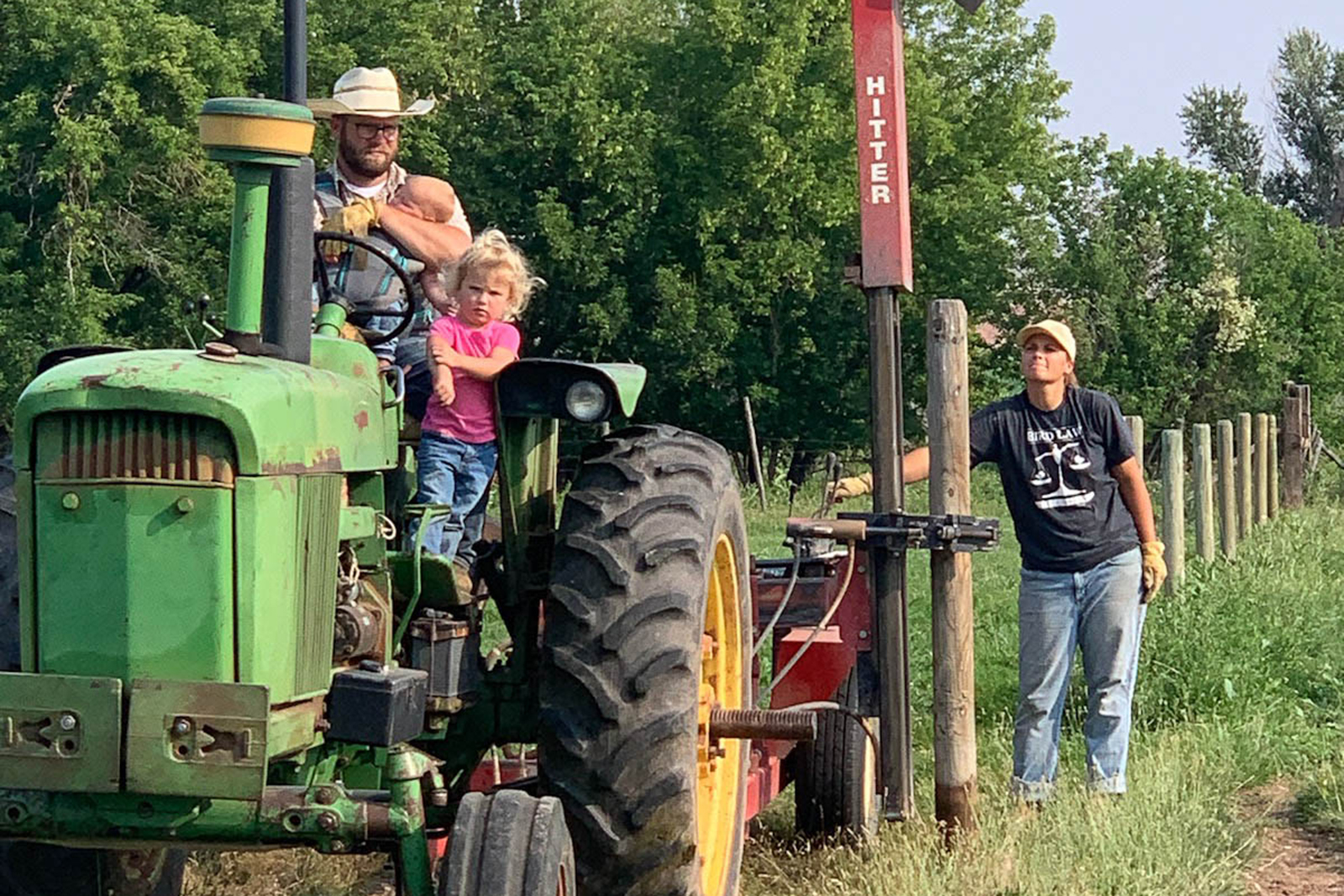
For the working ranch owner, there are no bunkhouses filled with workers to do the job for them. Often it is one or two people doing the job. In the Lyman’s case, he is fortunate to have three brothers to spread out the work. The job doesn’t stop at 5 pm. “People look at TV nowadays and think it’s a grand life, and you ride horses all day and don’t see it’s a poor man’s work,” says Lyman.
Why Ranching?
With all the challenges involved, why do ranchers continue to work day in and day out? “It’s important. It’s the lifestyle and the effort you put into it. You like to be recognized for what you’ve done. It’s where you’ve come from. It’s the values and how you’ve been raised,” says Lyman. “You want to pass that onto the generations. There is no greater way to do that than to pass on your livelihood.”
Great ranches take generations to build. “The reason ranching is generational is because it takes generations to build great programs,” says Putnam. “These are long-term, multigenerational ranches, and that’s how long it takes to build the reputation. It does not happen overnight. And you have to be patient. You have to look at it with a long-term mindset.
Anything that looks super easy is usually highly complicated.”
“I’m a firm believer that what ranching and ag can do for a positive impact on the country is worth doing. I personally don’t love when people say it’s a lifestyle. There is a lifestyle, but the people that do this well are professionals, and it’s their careers. They have done it well for a long period of time. I like being part of that and learning. What they are doing is valuable, not just to just one group of people. The actual ag system is about helping the country have a healthy food source of healthy, high-quality nutrient dense food in America. Tim and I are both proud to be a part of that.”
Thank you to Greg Putnam from Little Belt Ranch Company and Reed Lyman from Lyman Ranch Company for taking the time to discuss the state of ag in our country. And on this National Ag Day, thanks to all the farmers, ranchers and workers in ag who work incredibly hard, and too often without any thanks, to feed our country and keep us secure. To learn more, please reach out to [email protected]