

In the internet era, people often dismiss the importance of a Buyerโs agent in a ranch real estate transaction. โWhile the internet has changed information access and marketing in our industry, ranch real estate is still very much a relationship business,โ says Ryland Moore, Live Water Properties sales associate based in Hood River, Oregon. โPeople working with people get the deal done when things go awry.โ

Itโs no secret that a real estate transaction has two sides: a Seller and a Buyer. Although there are exceptions, generally, each side is represented by an agent. Each agent has different responsibilities. The Sellerโs agent is responsible for completing a listing agreement, gathering all materials necessary for due diligence, marketing, conducting showings, and educating potential Buyers and their agents about the property. Good and properly educated listing agents generally know more about the property than anyone other than the owners.

On the other hand, the Buyerโs agent helps Buyers locate and evaluate appropriate properties, reviews due diligence confirming the materials provided, understands current property values for accurate valuation, requests additional information as necessary, and conducts boots-on-the-ground due diligence to ensure the property meets a clientโs needs.
While there is a varied to-do list on each side of the transaction, the difference between the Sellerโs and Buyerโs agent is fundamental.
โEssentially, it boils down to who the agent is responding to and whose interest he or she is responsible for in the transaction,โ says Moore, who opened Live Water Propertiesโ Oregon office in 2009. โThe Sellerโs agent has a fiduciary responsibility to the Seller and no one else, while the Buyerโs agent has the same fiduciary responsibility to the Buyer.โ
Benefits of Using a Buyerโs Agent
Moore, a native of Virginia’s Blue Ridge Mountains, grew up outdoors and began exploring western states as a teen. After graduating from the University of the South (Sewanee), he headed to Jackson Hole, Wyoming, to work with a local land trust and the U.S. Forest Service in fisheries.
He stayed to indulge his passion for climbing, fly fishing, skiing, and hunting. When his parents began to question the โROIโ on his college education, Moore determined it was time for graduate school. He found a perfect academic fitโand lifestyleโfit in Oregon. He arrived in 1999, and he has been there since.
โI fell in love with the stateโand its diversity,โ says Moore, who worked in conservation with several land trusts and private equity around water and energy development before joining Live Water Properties. He is a shareholder of an independent registered investment advisory firm based in Portland.
Match-making
His admiration of his new home state, combined with his passion for all things outdoors, gave him a natural advantage in ranch real estate. His expertise as a Buyerโs agent is grounded in โlocation, location, location.โ
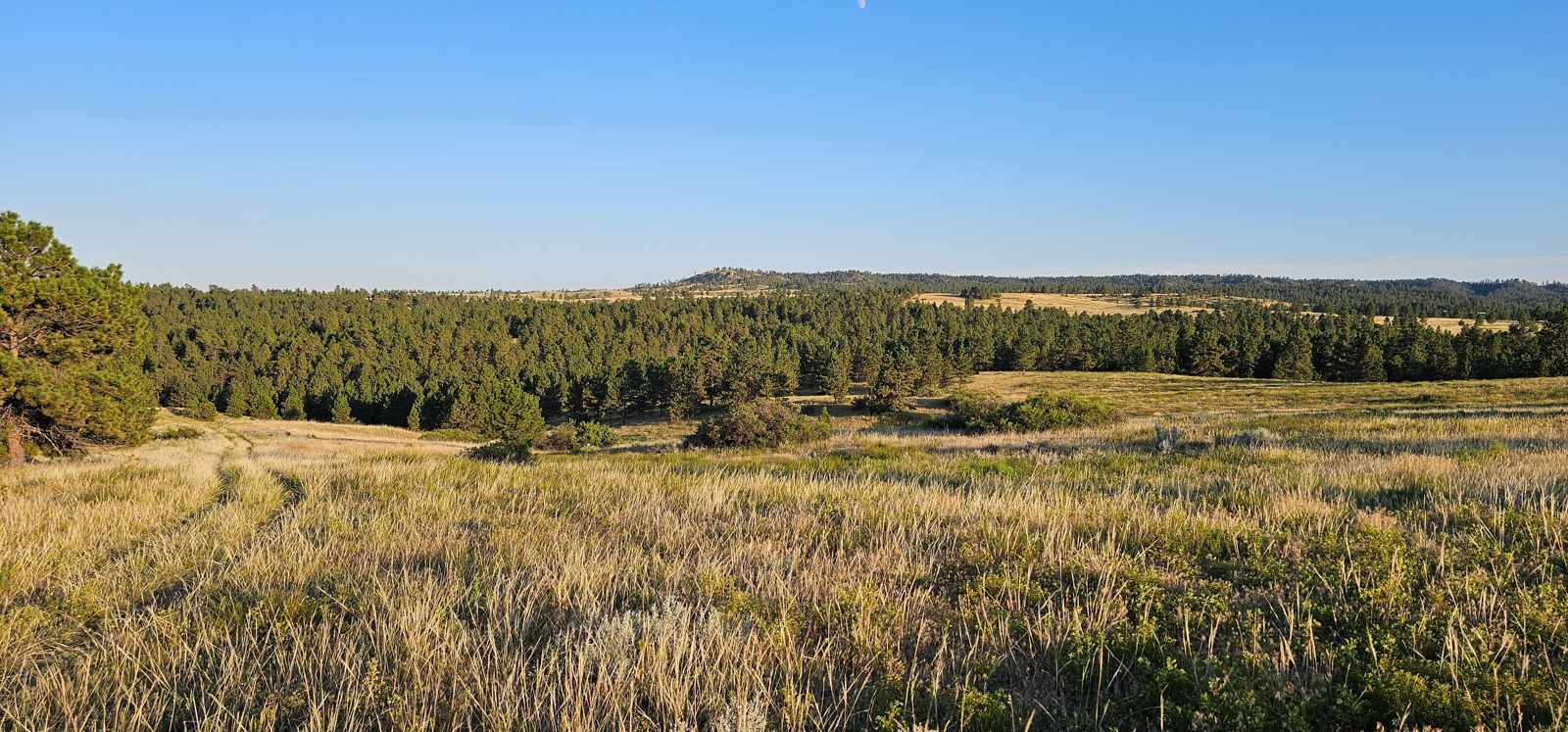
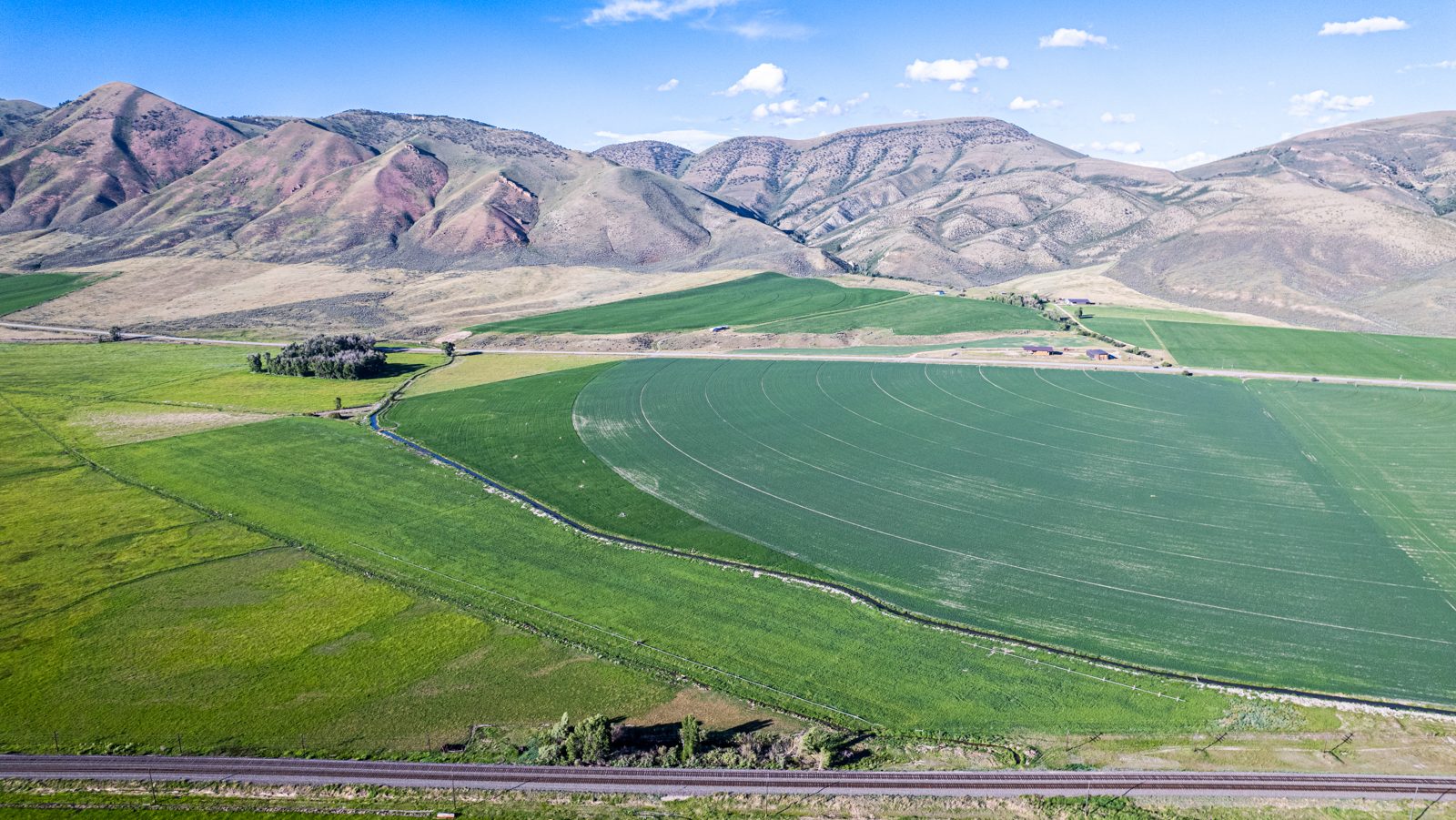
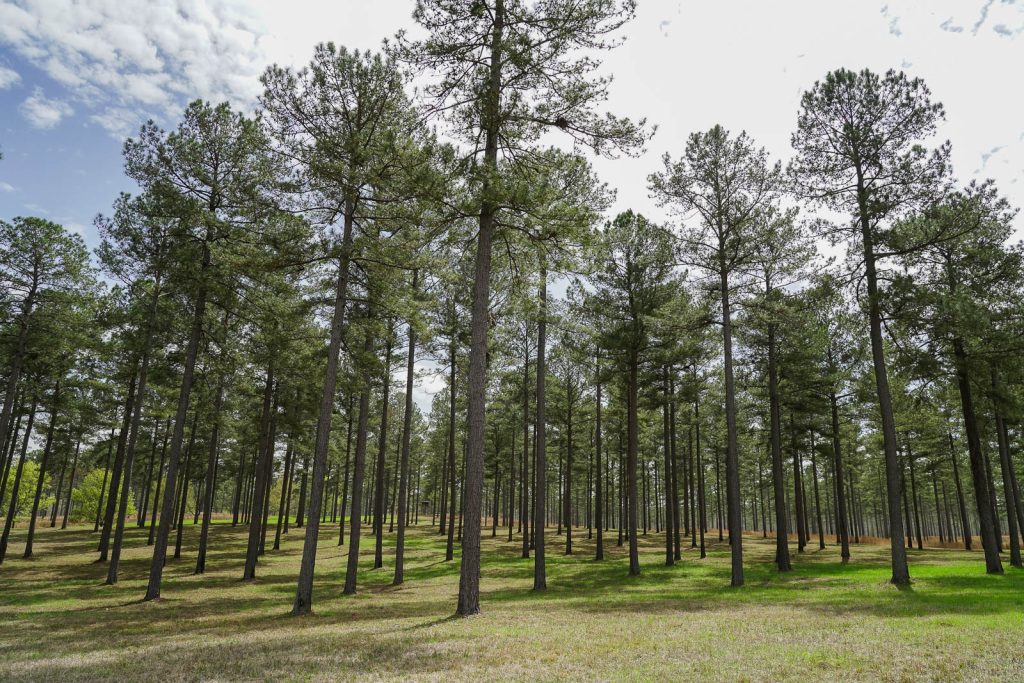
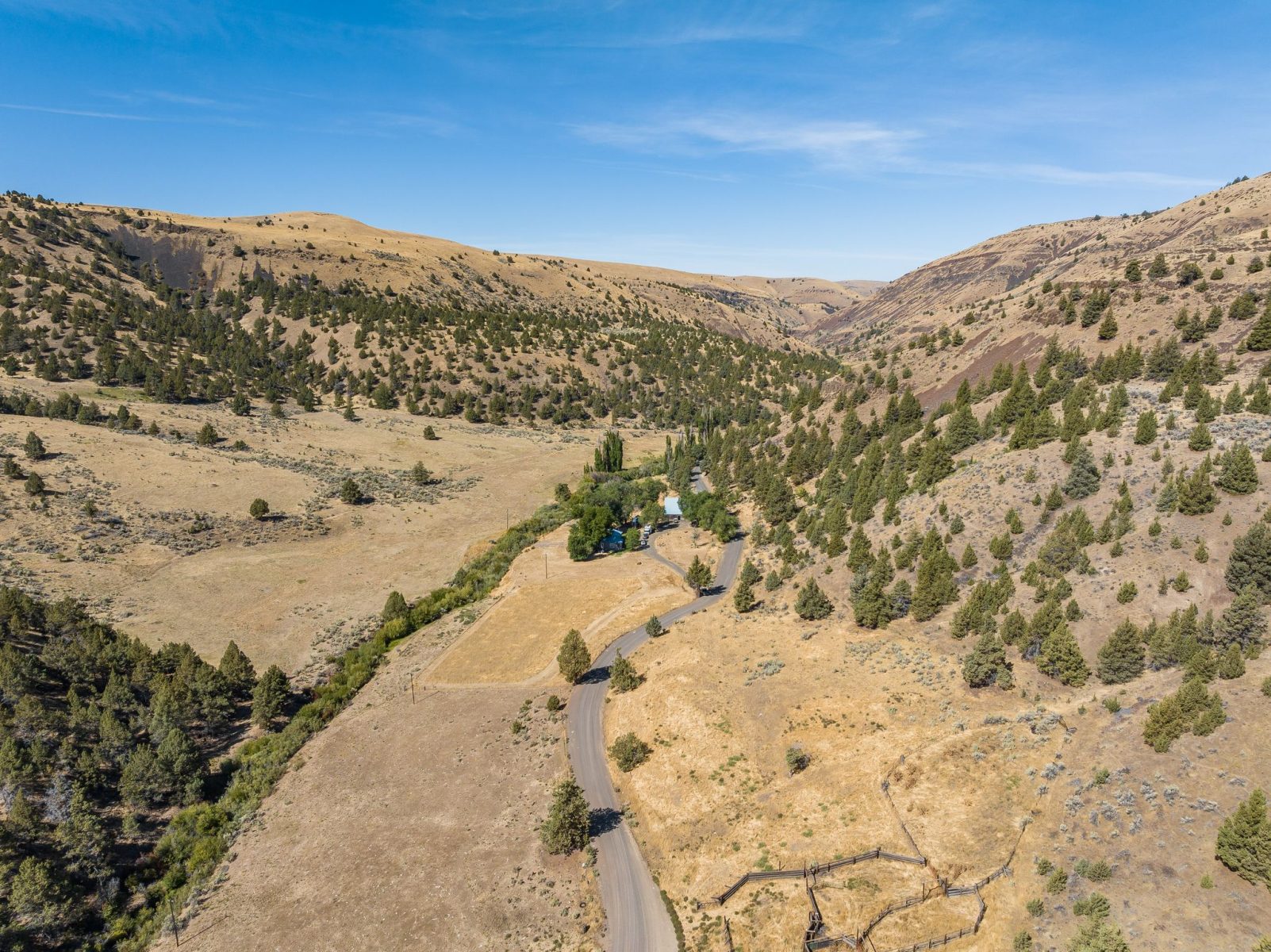
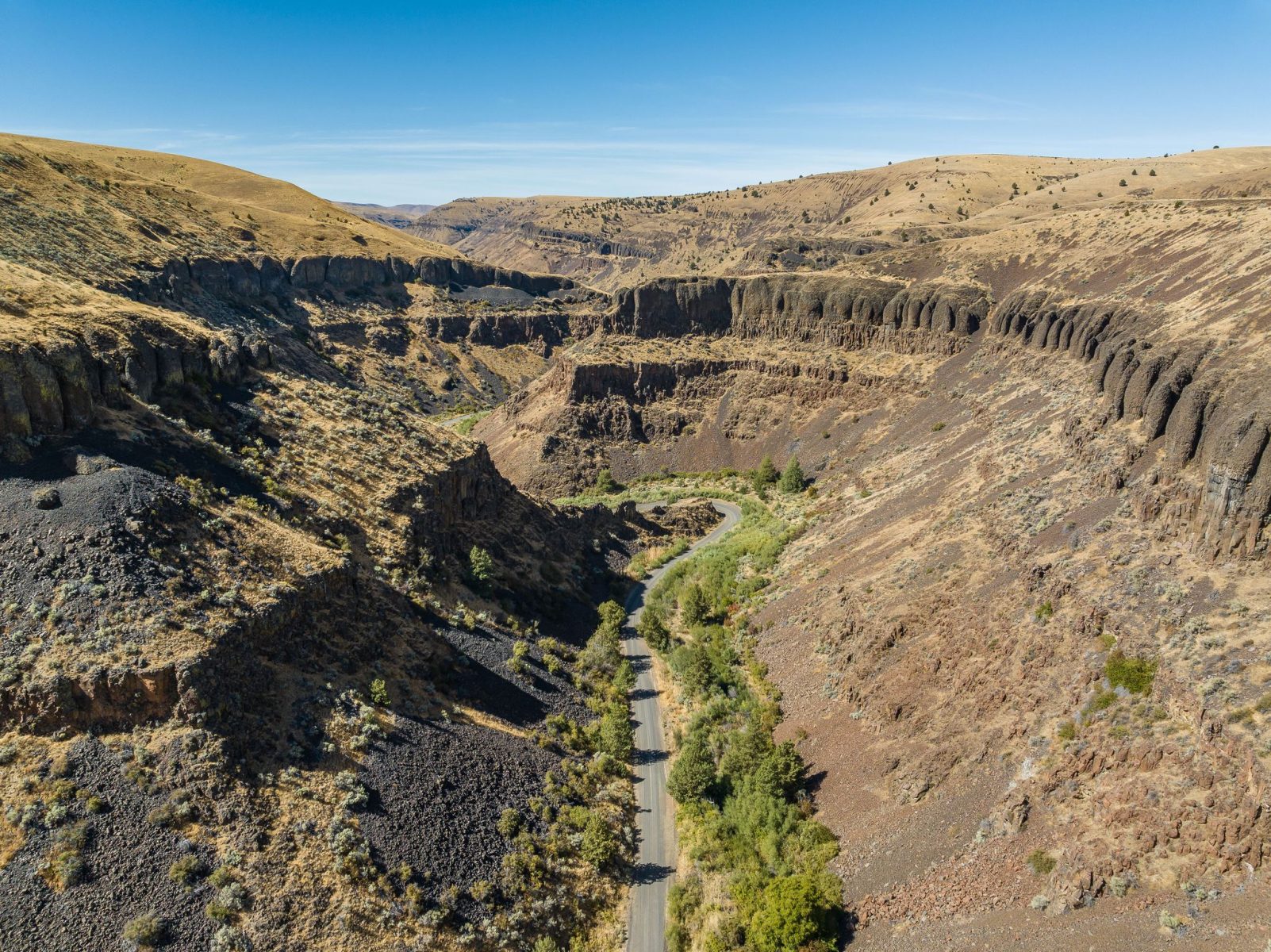
From first-hand experience, Moore can speak to the differences in the Oregon coast and its timbered, rocky slopes to the rich Willamette Valley in the central part of the state to the sprawling ranches in eastern Oregon marked by irrigated farmland, Ponderosa pine forests and high desert. As a result, he is an accomplished matchmaker, pairing Buyers with their dream properties.
โFrom my perspective, a good Buyerโs agent, at least in the beginning, does more listening than talkingโ except for asking questions,โ Moore says. โJob one is figuring out exactly what the client wants to do and where they want or need to be, to do it successfully.โ
Getting to that point requires an ongoing, far-ranging, and often detailed conversation. A good Buyerโs agent will sort through a myriad of seemingly unrelated details to ascertain a clientโs โmust haves, nice to haves, and not necessaries.โ It can include everything from how far a client is willing to drive from an airport (or to the grocery store), or whether they need a private landing strip on the property, to whether they are willing to traverse gravel roads or prefer paved roads to whether they want private access to river frontage or senior water rights for irrigation.
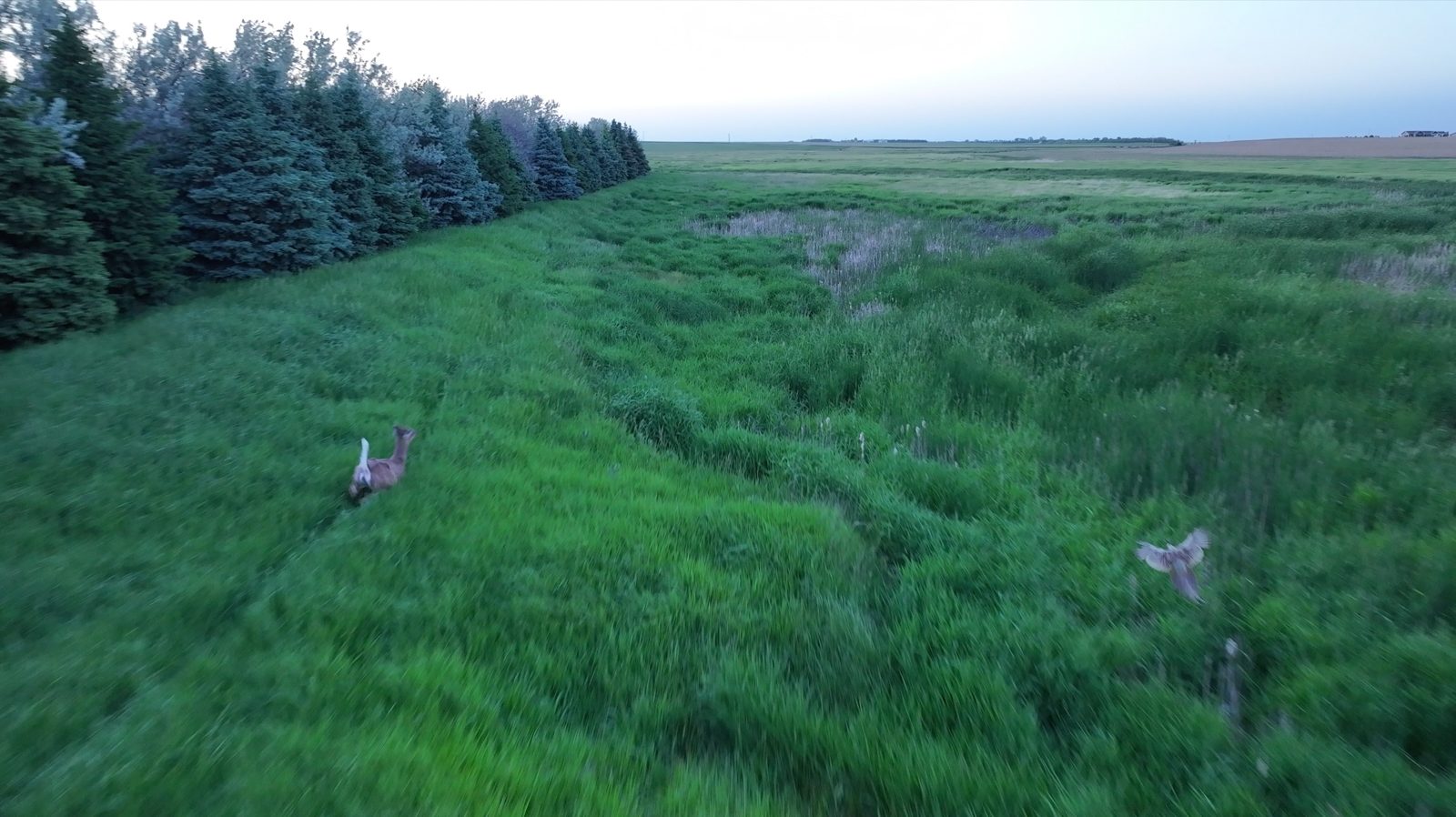
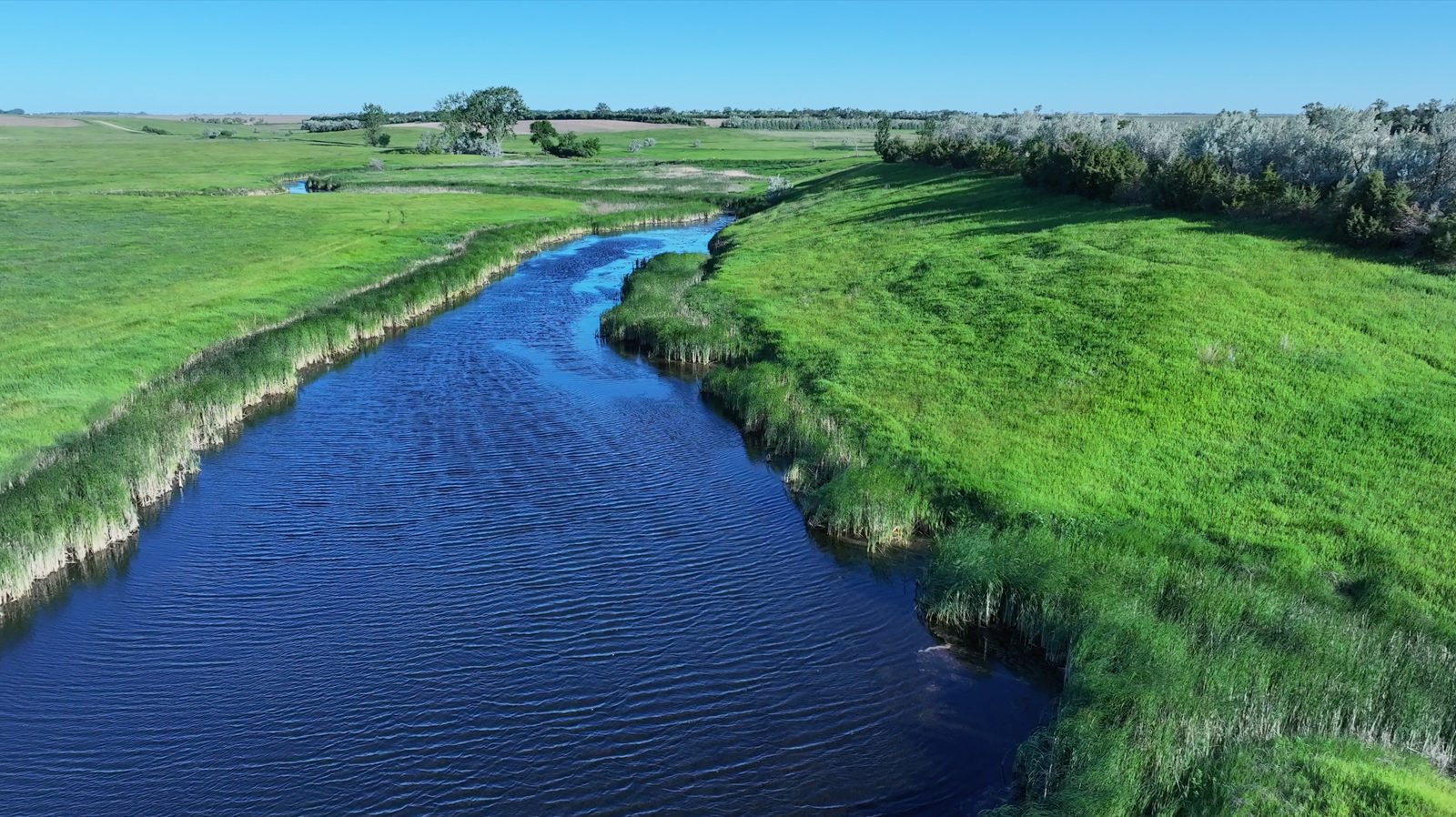
Are they in the market for a โfixer upperโ or do they want a turnkey property? Are they looking for a small getaway, an expansive hunting ranch with big game, a live water fishing property, a productive agriculture operation, or a multi-faceted property that can offer many things?
โIf I can rank their priorities, the more likely I am to find a property that is a perfect fit for them,โ Moore says.
Sometimes, clients come in with a specific location in mind, but after Moore hears what they hope to achieve, he may suggest alternative locations that might fit their needs better.
โBased on what I know about the various regions of the state, I can say, โThat sounds good, but have you considered looking near X,โโ Moore says. โI want to make sure that my clients donโt limit their options and opportunities by focusing on a single location if others also fit their needs.โ
Networking and Off-Market Deals
Over the past 15 years of working in Oregonโs farm and ranch market, Mooreโs network has grown alongside his knowledge of the state. Being plugged in with landowners, land professionals, and guides and outfitters of all types provides him with an inside track on off-market deals.
โOff-market deals are often a win-win situation where buyers obtain a perfect-fit property that isnโt publicly listed. Sometimes, the start of a deal is knowing that a long-time agriculture producer is considering retiring, or a recreational landowner is thinking about selling,โ Moore says.
Since 2017, off-market deals have been a large percentage of Mooreโs transactions. He recalls one deal where a potential Buyer walked into the office asking to see one of his listings. As part of the conversation, the Buyer mentioned he had already looked at 20 ranches and rejected them all.
After spending some time, asking a lot of questions, and hearing what the Buyer described as his ideal ranch, Moore said, โYouโre not looking at the right properties for what you say you want.โ
Knowing what the Buyer had in mind, Moore made one phone call. Although the landowner hadnโt listed the property, he was willing to let Moore show the property. As Moore anticipated, it was a perfect fit and the landowner agreed to sell.
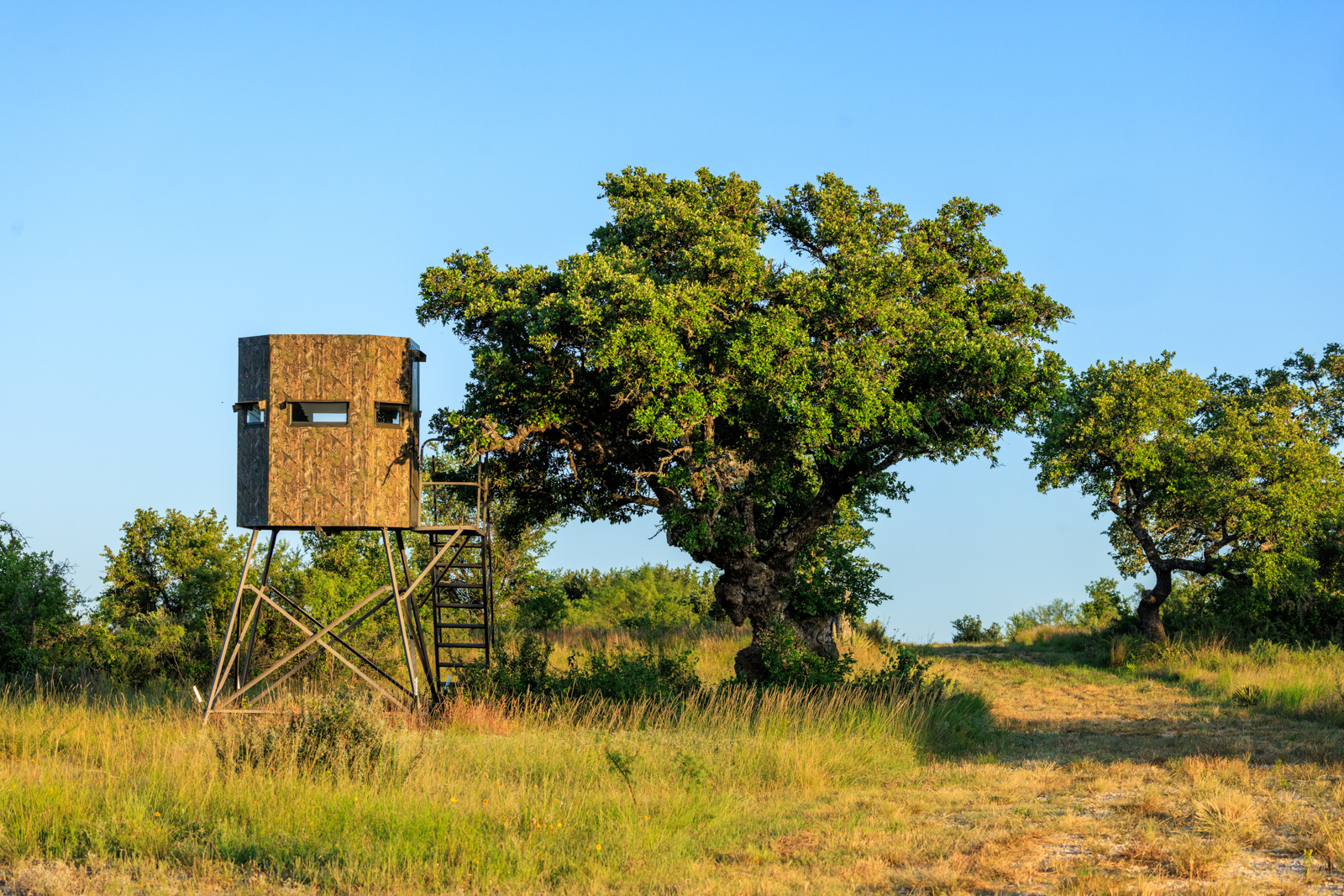
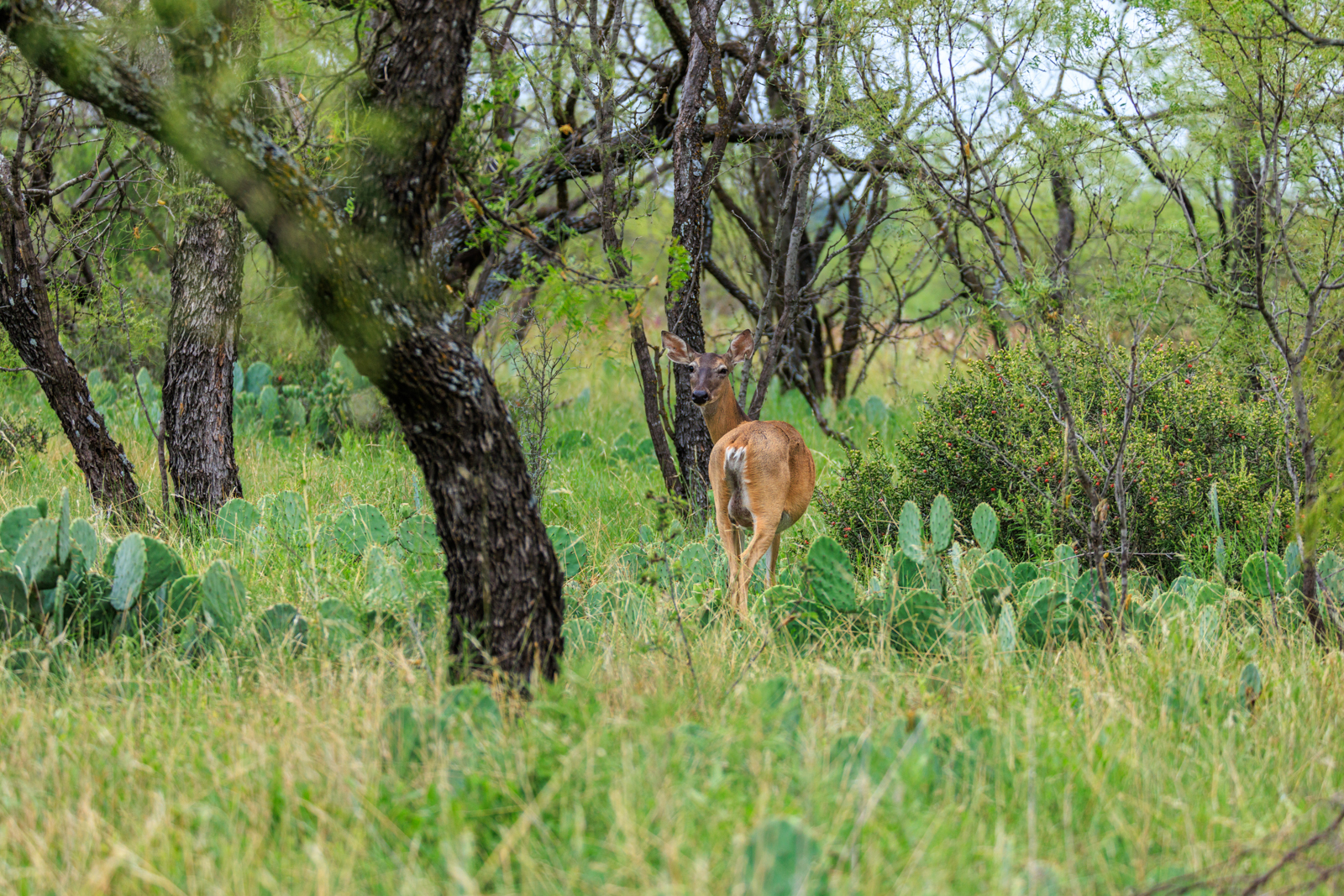
The Buyer, though, wanted a larger property. Moore got back on the phone. Eventually, he identified three other neighboring ranches, none of which were on the market, that together met the Buyerโs needs. They closed on all four properties on the same day.
In another example, a Buyer had close ties to a specific location because his grandfather had owned a place there and it held many special memories. When the Buyer contacted Moore, he had already purchased his grandfatherโs original 100-acre property. Still, he had a bigger vision for a multi-faceted property that included a trophy fishery, among other attributes.
โWe started knocking on doors,โ Moore recalls.
Over the course of several years, the duo closed on nine transactions to create the Buyerโs dream property. Only three of the properties he acquired were listed. Because he had the luxury of time, he eventually purchased those properties, which lingered on the market because they were initially priced too high, for significant discounts to their original asking price.
In addition to having patience and the luxury of time, the Buyer had a commitment to paying fair market value. To that end, the Buyer and the Sellers would commission a joint appraisal so there was an objective measure of value.
Ascertaining true market value is another benefit of using a Buyerโs agent. In farm and ranch real estate, where comparable properties are not nearly as easy to identify as in residential real estate, experience counts, especially when the Buyer may not be familiar with the nuances of farming, ranching, or wildlife and fisheries management.
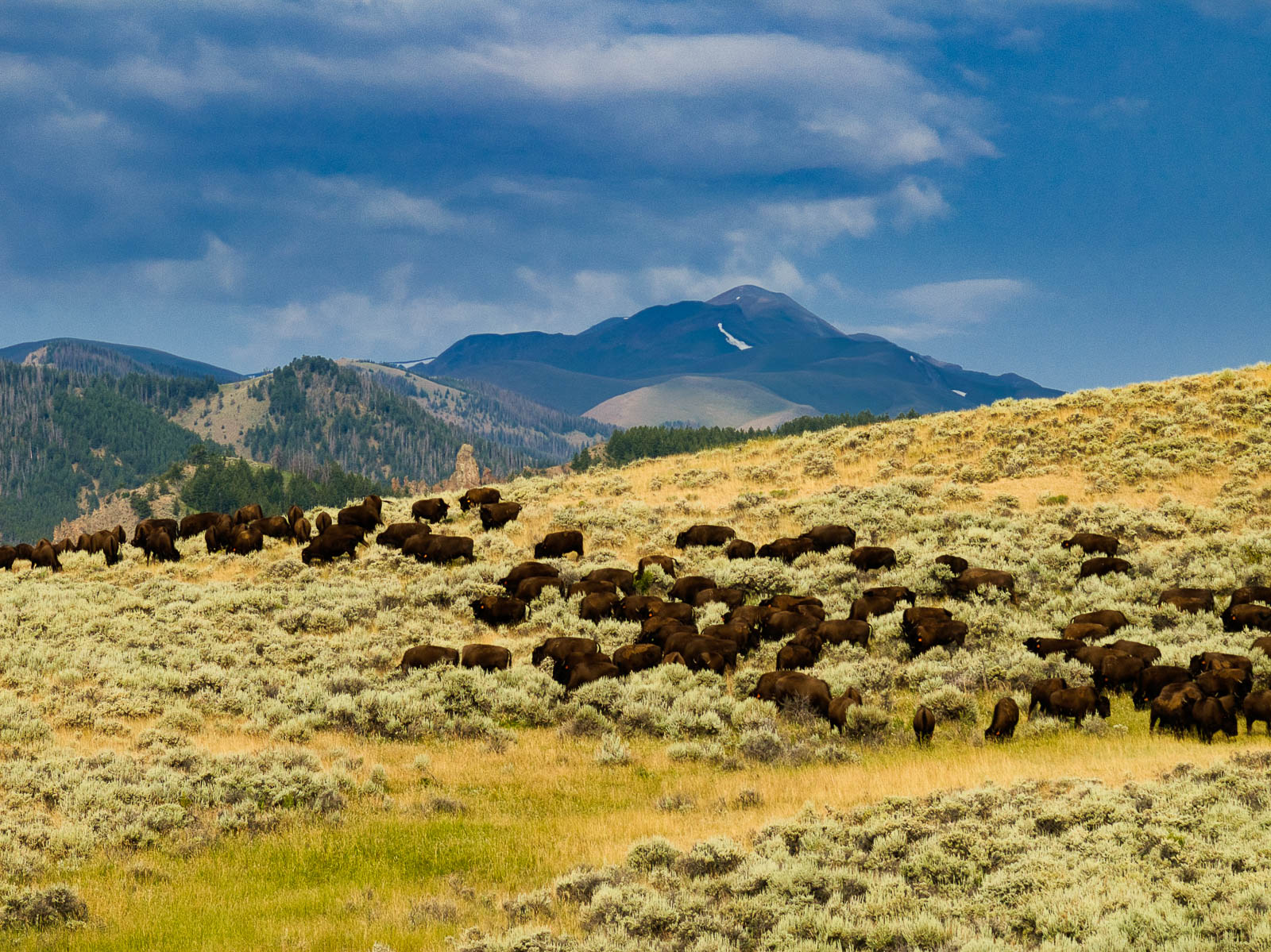
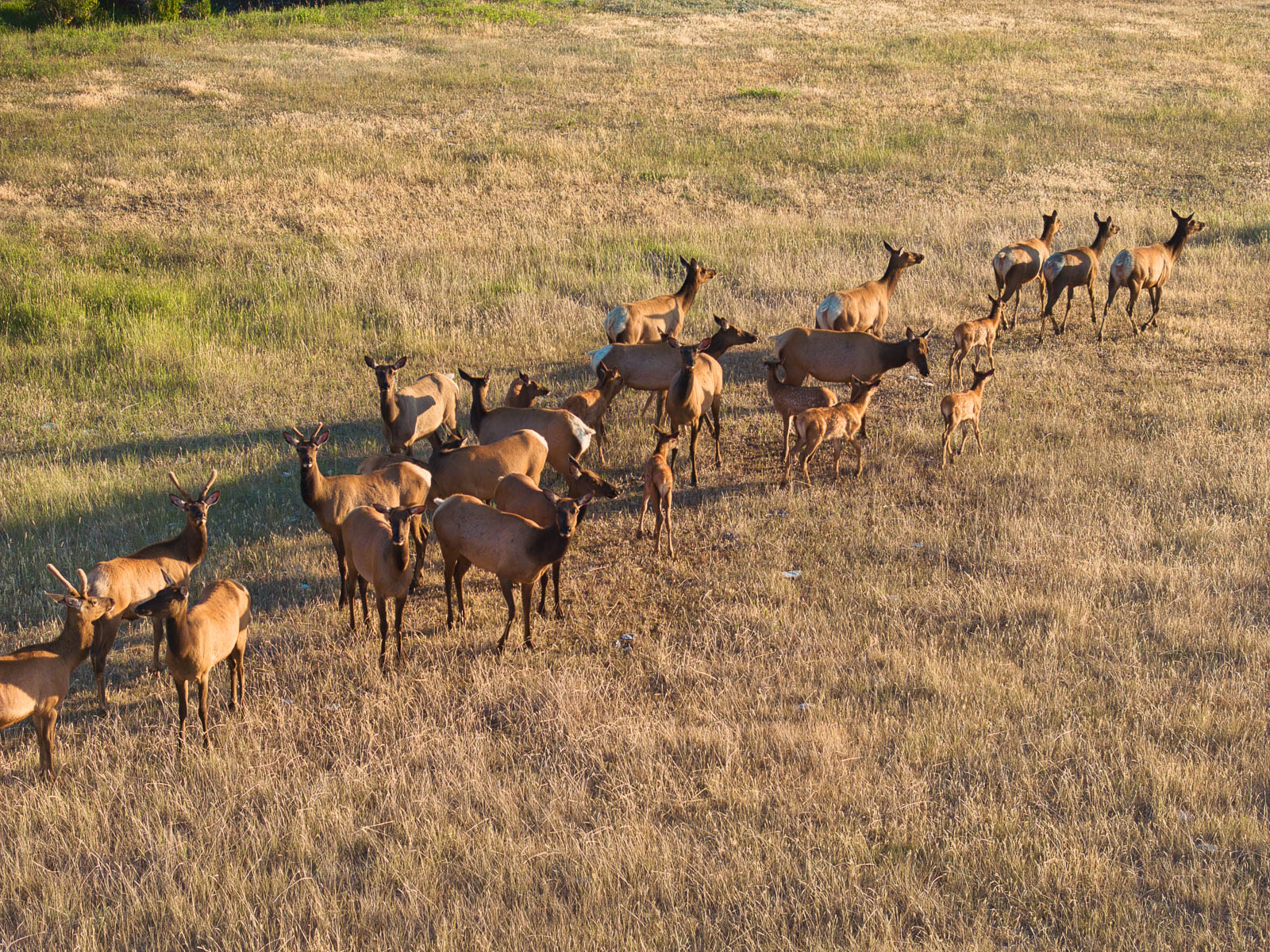
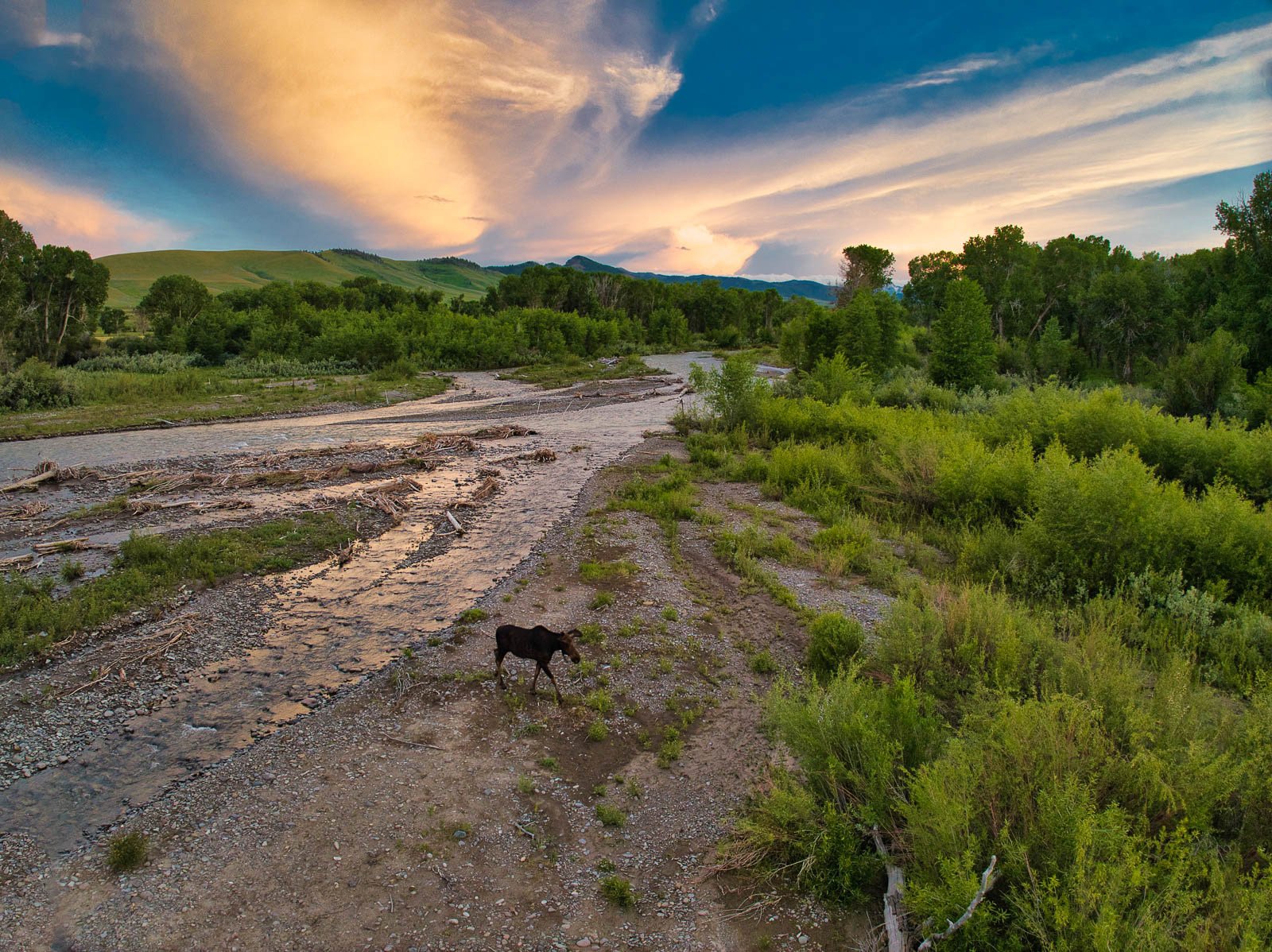
According to Moore, value in rural real estate, depending on the type of property, can be a complicated mix of factors. In the case of a working ranch, it may include everything from carrying capacity and water rights, state and federal grazing leases, and/or the availability of reliable workers. On the recreational side, a Buyerโs agent can provide keen insight into how big game animals move, the quality of a fishery in a certain stretch of a specific river, or the quality of habitat for upland game birds.
โItโs up to the Buyerโs agent to ground truth all the information during due diligence and to ask the hard questions that the paperwork might not answer,โ Moore says. โGood Buyerโs agents know exactly what theyโre looking at, its current condition and its potential, as well as the questions to ask to ensure the Buyerโs interests are protected.โ
A Buyerโs agent who is enmeshed in land-based lifestyles such as farming, ranching, and legacy hunting and fishing properties can also provide helpful insight to buyers who may not understand the ties that families have to the land. In Mooreโs experience, the sale of multi-generational property stirs up deep emotions that need to be recognized and valued.
โObviously, my job as a Buyerโs agent is to know the best qualities of the land, but I also need to be able to read the emotional temperature on the Sellerโs side and convey that to the Buyer,โ Moore says. โSometimes, itโs important to give on seemingly small details to make a transaction happen.โ
In the past, heโs helped negotiate deals that allowed legacy owners to visit a family cemetery once a year or made it possible for grandchildren to return to fish a stretch of river for a specified number of years. On more than one occasion, heโs helped Buyers see the benefit of providing a life estate that allowed lifelong farming and ranching couples to live out their independent days in their home on the property after the operation sold.
โConcessions like this can go a long way to helping Sellers come to peace with their decision and move forward with a transaction,โ Moore says.
โItโs a way that the Sellers can have their cake and eat it, too that can also benefit the Buyer. Those Sellers have a lifetime of experience with the property, which means a new Buyer wonโt have to reinvent the wheel when they start managing their purchase.โ
Finding a Buyerโs Agent
The key to a successful working relationship between Buyers and their agents is trust.
โAs a Buyer, youโre looking for someone who you trust as a person and as a professional,โ Moore said. โItโs ideal to have a relationship that is so strong that the first call you make on any property you might discover online is to your Buyerโs agent, not the listing agent.โ
Case in point: a repeat client recently spotted a promising listing online. He liked the location, the view, and the amenities but wanted an opinion on the quality of the fishing in the river that cut through the property, so he called Moore. Moore, who was familiar with the property and the condition of the water on it, dubbed the quality of the fishery in that stretch of river โmediocre.โ The client knew to continue searching.
To find the right fit, Moore suggests trying a Buyerโs agent on for size by inviting him or her to accompany you to view a listed property that piques your interest. During the day, assess the agentโs knowledge, forthrightness, and personality to determine if there is potential in the relationship.
He says itโs a prime time to ask about any off-market listings the potential agent might be aware of.
โIf someone is pushing you to only look at their listings instead of listening to what you want and need, that is red flag for me,โ Moore said.
In his own business, Moore is willing to sign a one-off Buyerโs agreement for a new client. Under this arrangement, the new client is only committed to working with him on a single property.
โItโs a good way for both sides to test the working relationship,โ Moore says.
Honesty resulting in trust and knowledge are two of three intangible essentials of a good Buyerโs agent. The third is passion.
โI chose Oregon because I identify with its environment,โ Moore says. โIn my world, nothing is better to sell than something Iโm passionate about. For me, itโs land, not just for its financial value, but for the inherent value of what it offers in the way of lifestyle, productivity, creating memories, and ecology.โ


When Jenkins arrived, Jackson Hole was a relatively isolated, small town in the nationโs least populous state where the year-round residents had been drawn by the rich diversity of the natural playground. Most residents came from other places, leaving the security and support of extended family behind. As a result, the townspeople relied on one another to meet the challenges of life in a place that was equally beautiful and unforgiving.


To MacMillan, the heart of his work is relationships. โThe foundation of my business is building long-term relationships, based on trust and transparency,โ said MacMillan. โI am very grateful and appreciative to my clients for placing their inherent trust in me. I deeply value these relationships, and they continue to motivate me to go above and beyond in delivering exceptional results and ensuring the best outcome in each transaction.โ

Owning a Colorado ranch is like owning a ranch anywhere in that it provides a tangible asset that delivers solid return on investment and irreplaceable memories. When considering purchasing one of the many beautiful Colorado ranches for sale, there are some things potential buyers need to know to enjoy all the benefits of land ownership.