


Stay Up To Date Join Our Newsletter

This field is for validation purposes and should be left unchanged.

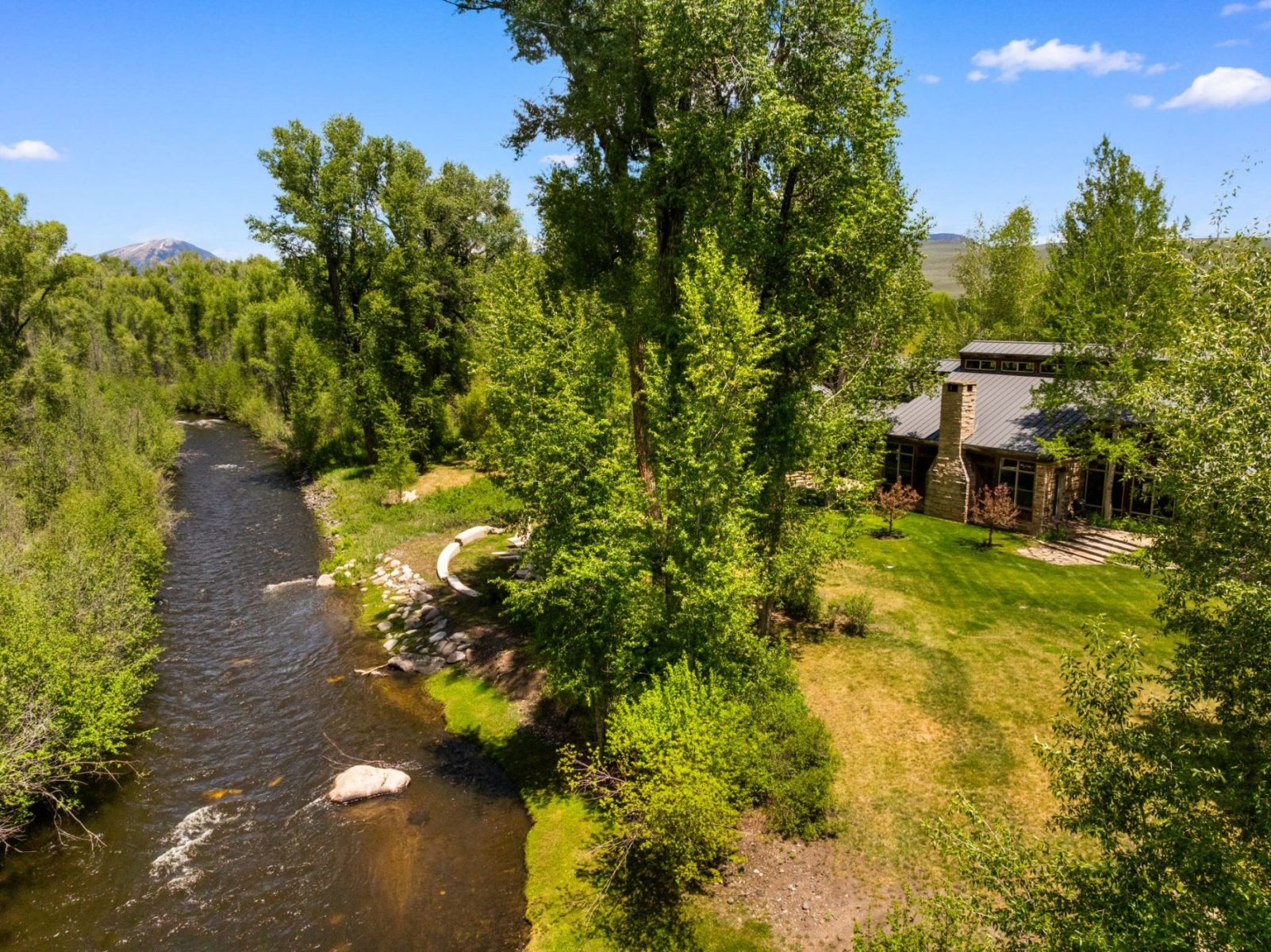
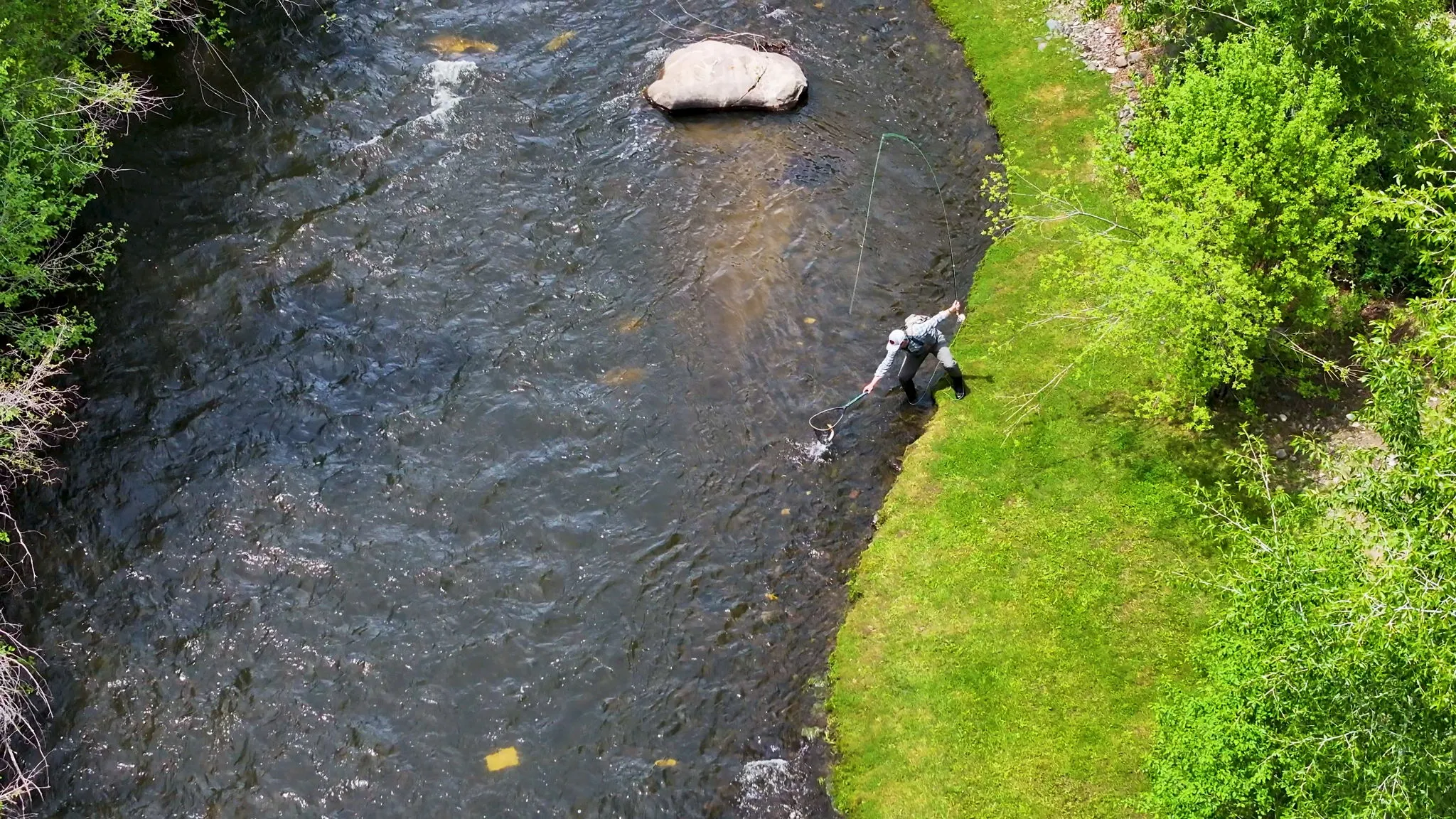
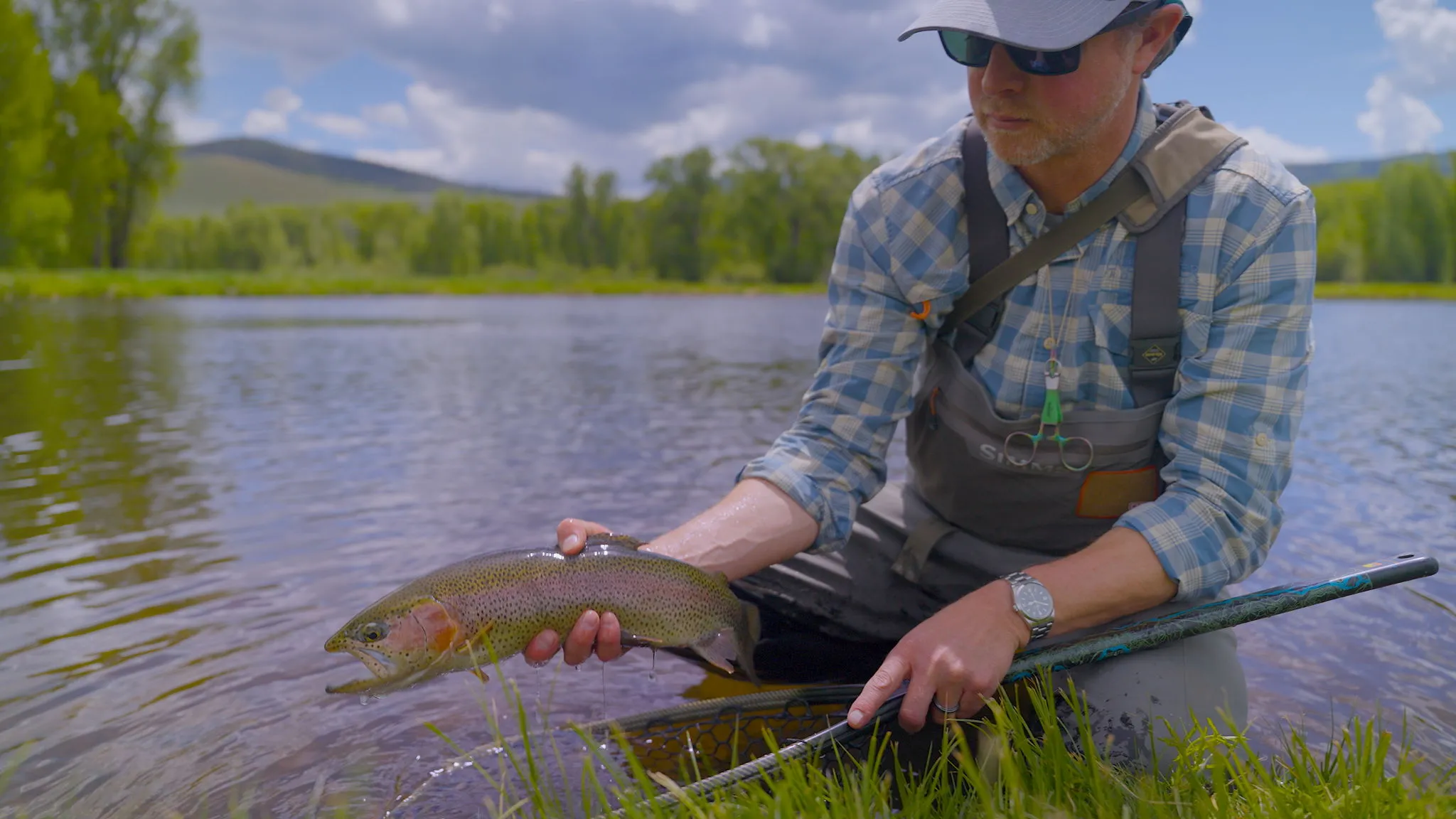
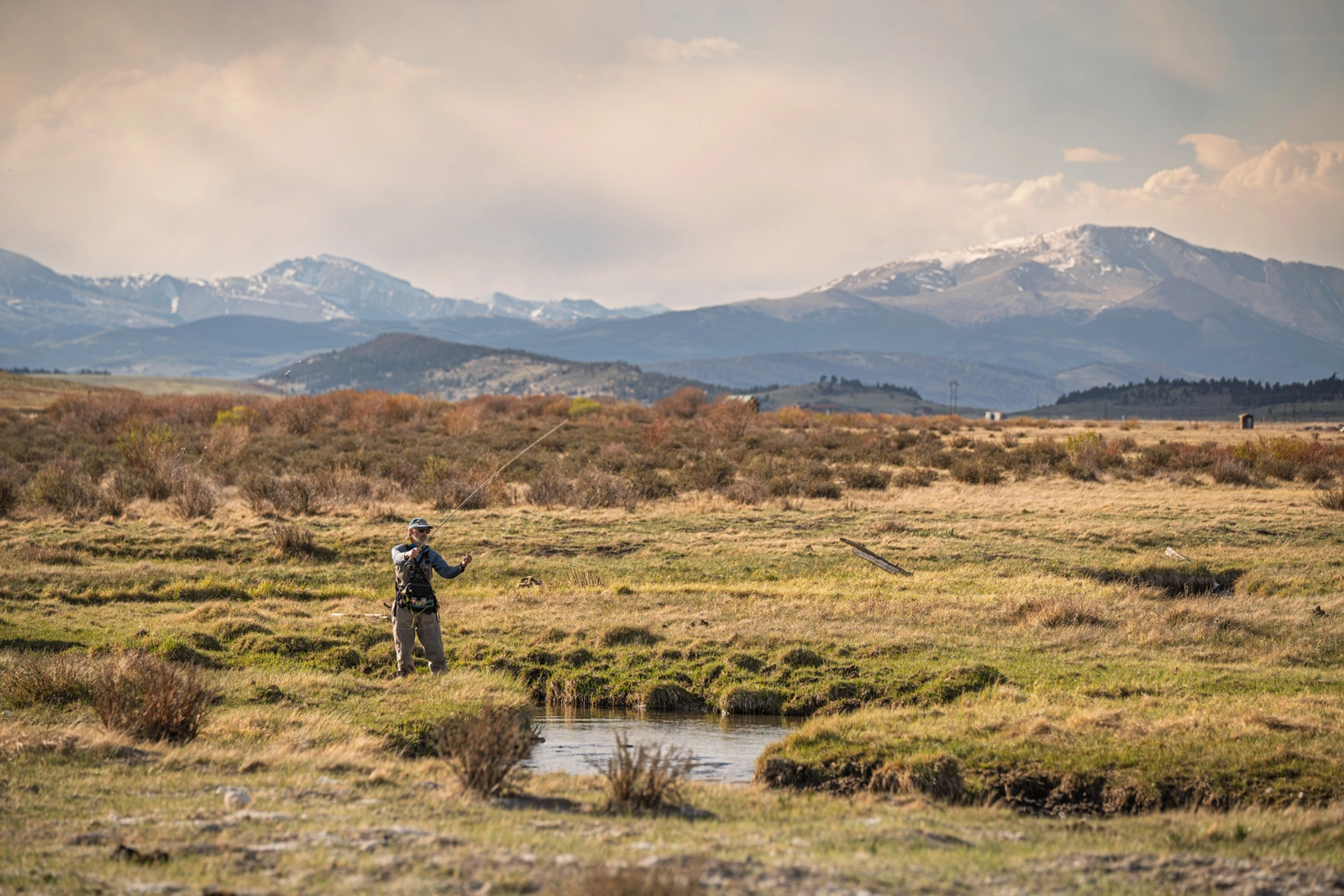
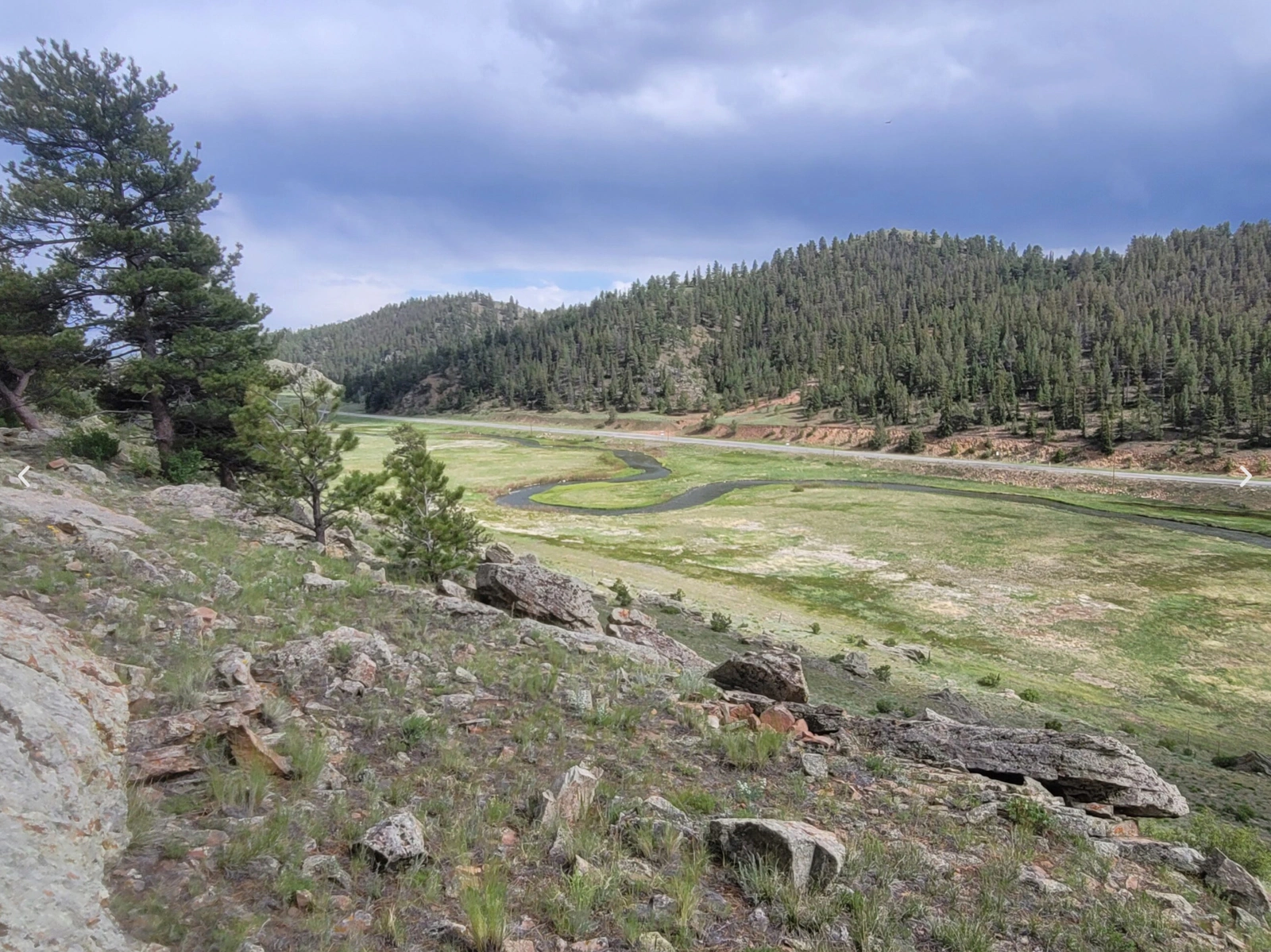
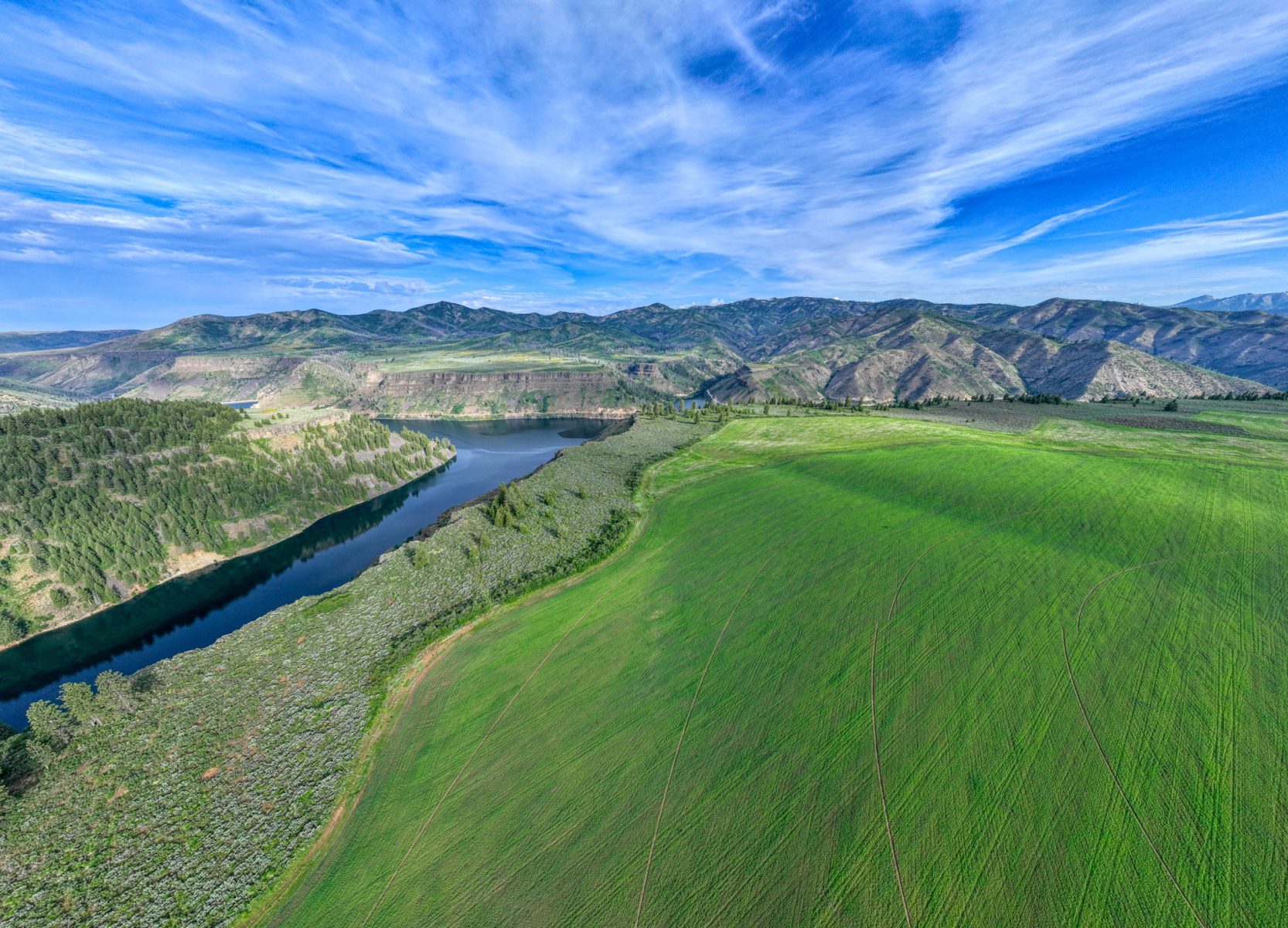
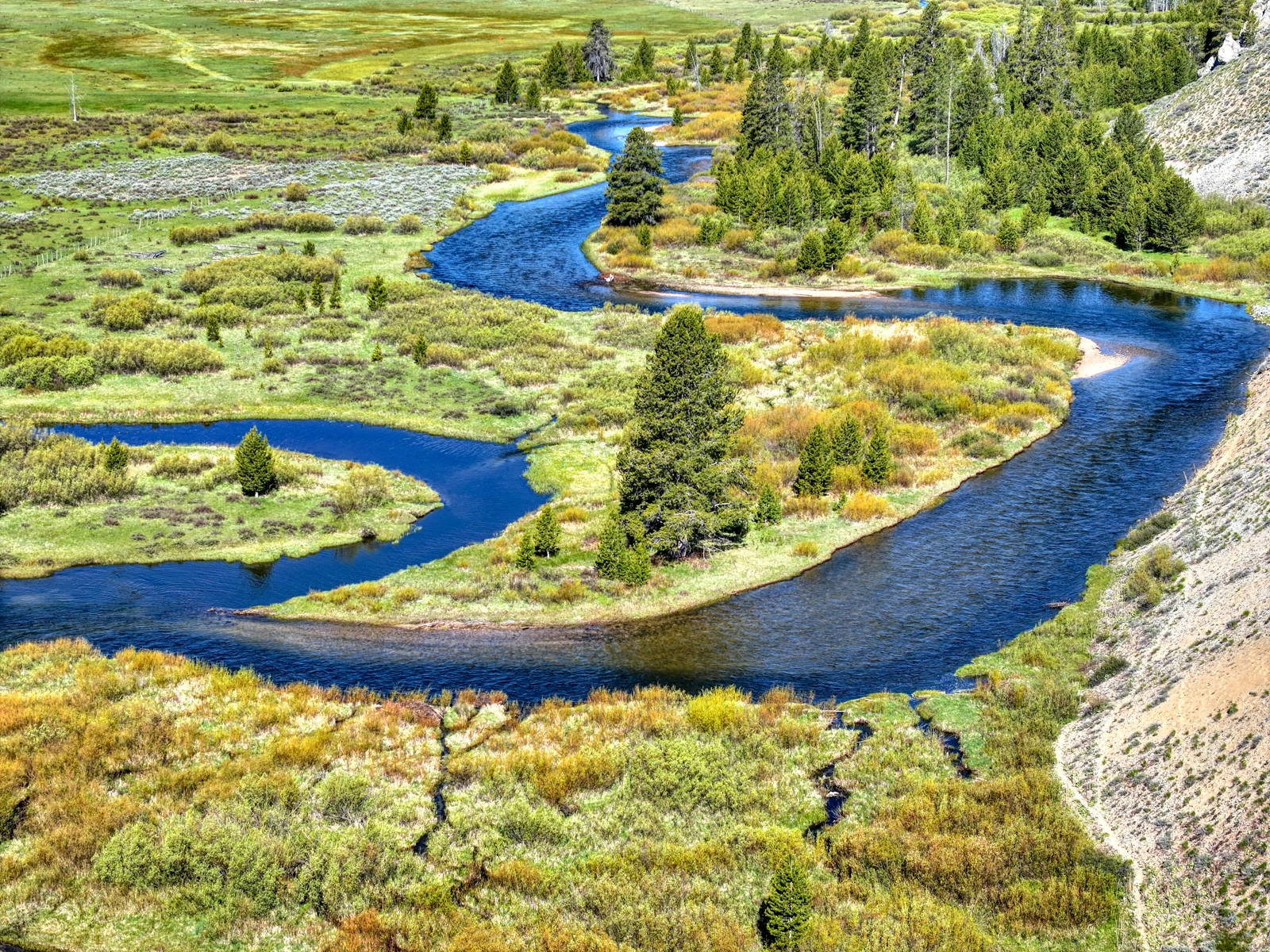
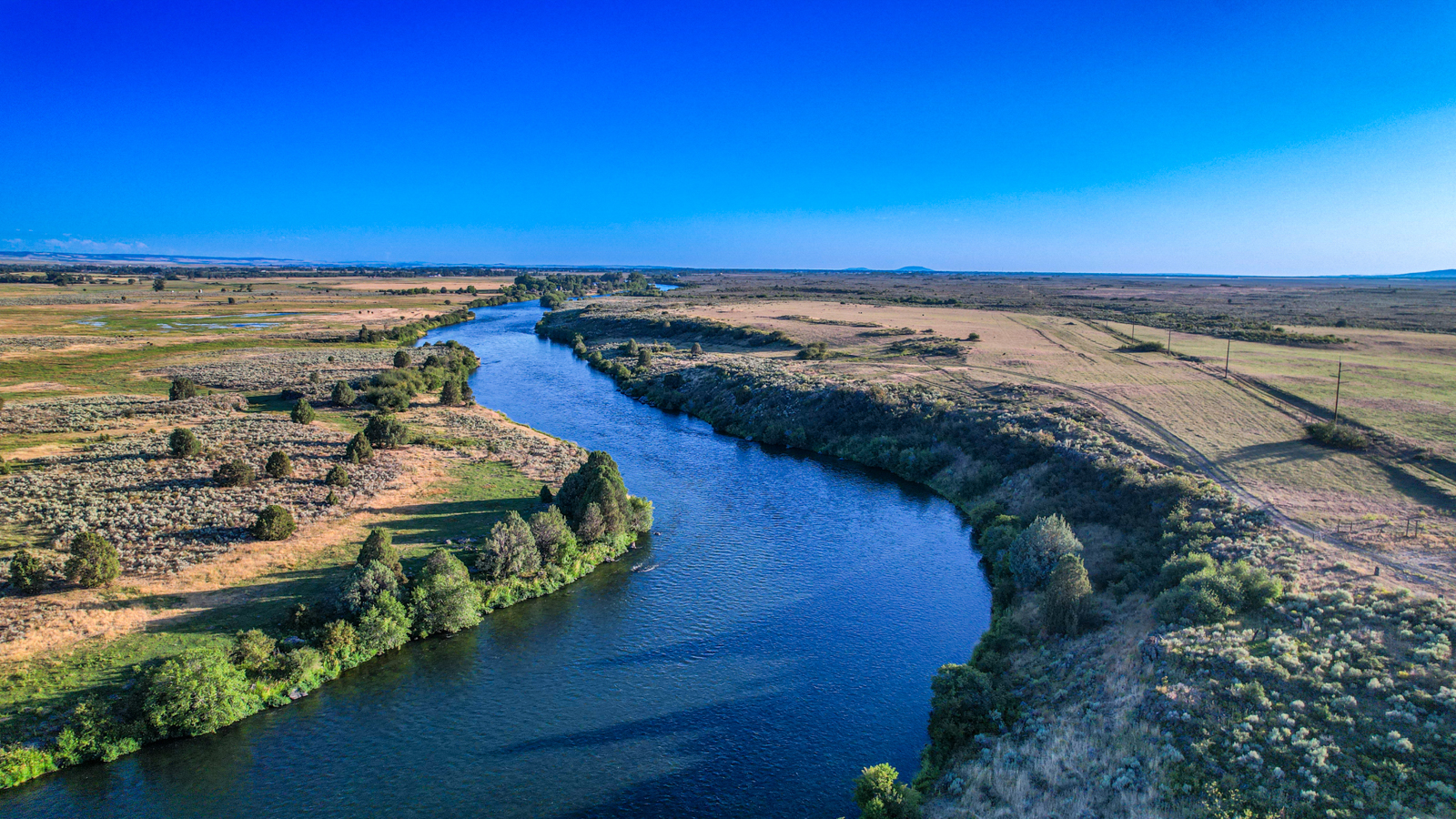
As summer settles across the Rocky Mountain West, rivers begin to clear, water temperatures stabilize, and some of the year’s most anticipated fly fishing opportunities come into focus. From legendary tailwaters and spring creeks to remote freestone rivers, seasonal hatches bring trout to the surface and create exceptional dry fly fishing across the region. Timing these hatches can make all the difference.

In this year’s Mountain West Hatch Report, Live Water Properties Brokers provide a comprehensive look at 25 premier fly fishing properties across the Rocky Mountain West, sharing current hatch conditions, proven fly patterns, and seasonal insight to help anglers make the most of the months ahead.

Fly Fishing Ranches for Sale in Wyoming

Red Hills Ranch (Gros Ventre River)ย 
Jackson Hole, WY | 190 Acres

Current Patterns:ย Microfoamย (Circus Peanuts, Purple Bruce), Caddis, PMDs, Split-Case Nymphs, Smaller Stoneflies,ย Pink Bead Headย Duracells, PMXsย 

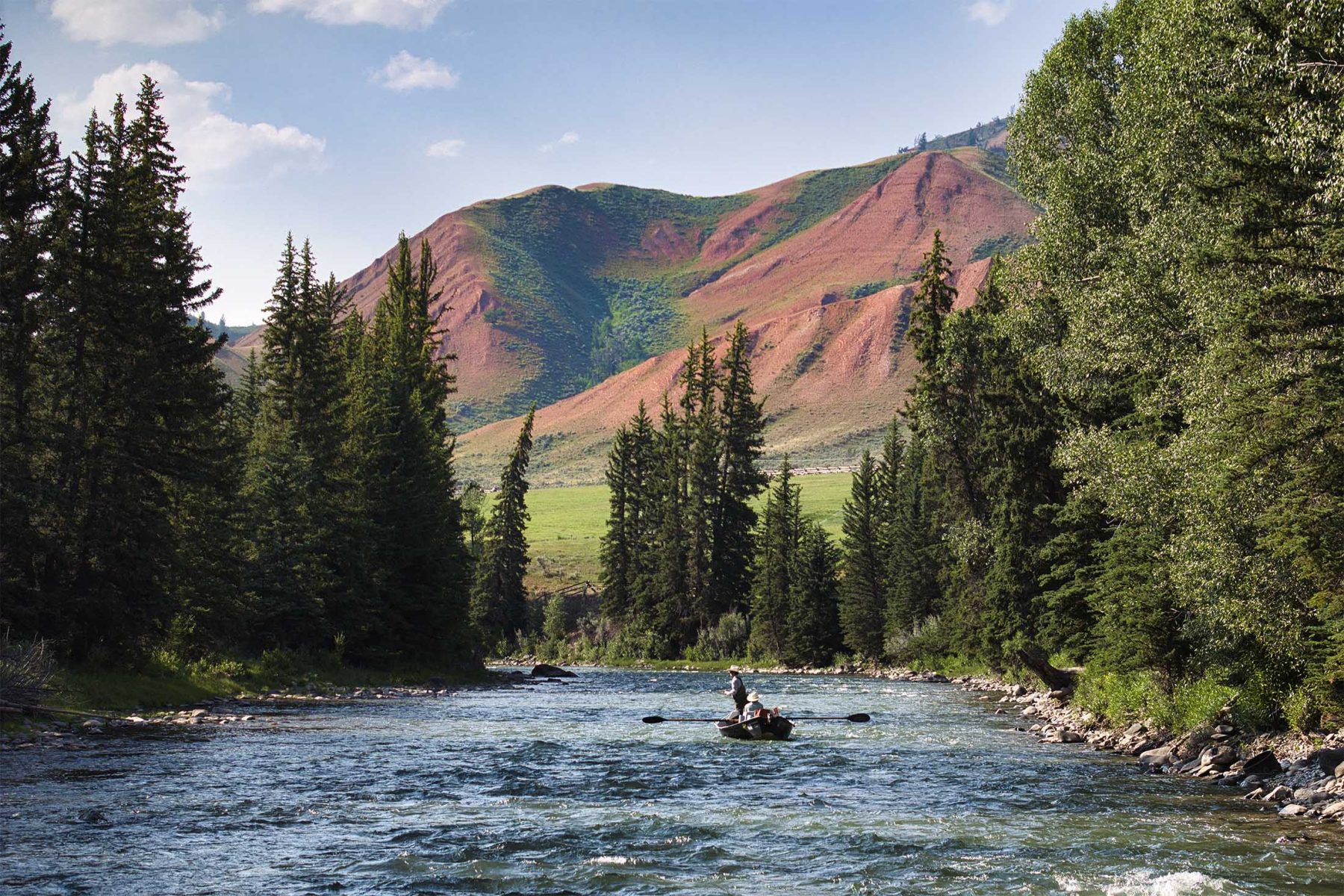
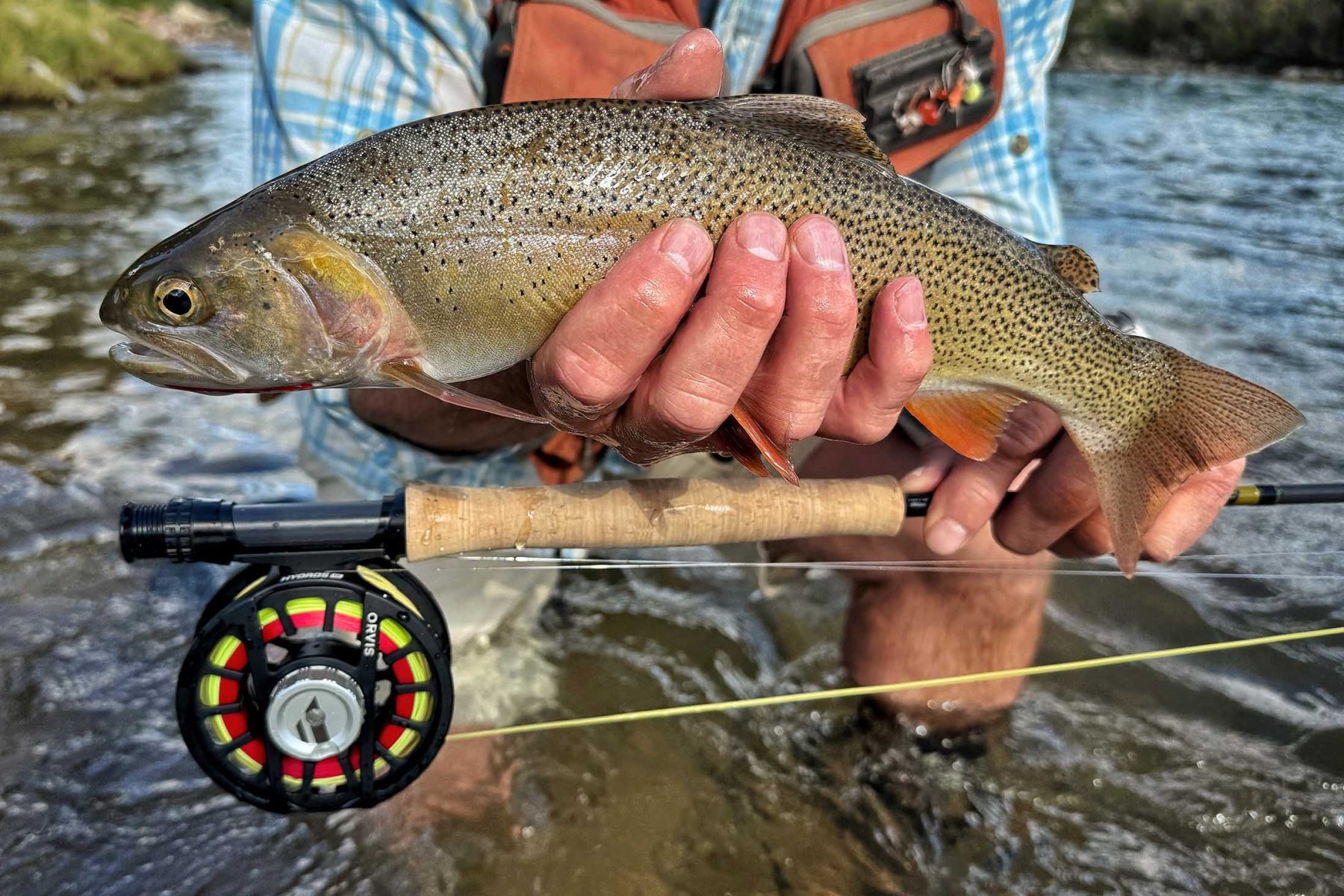
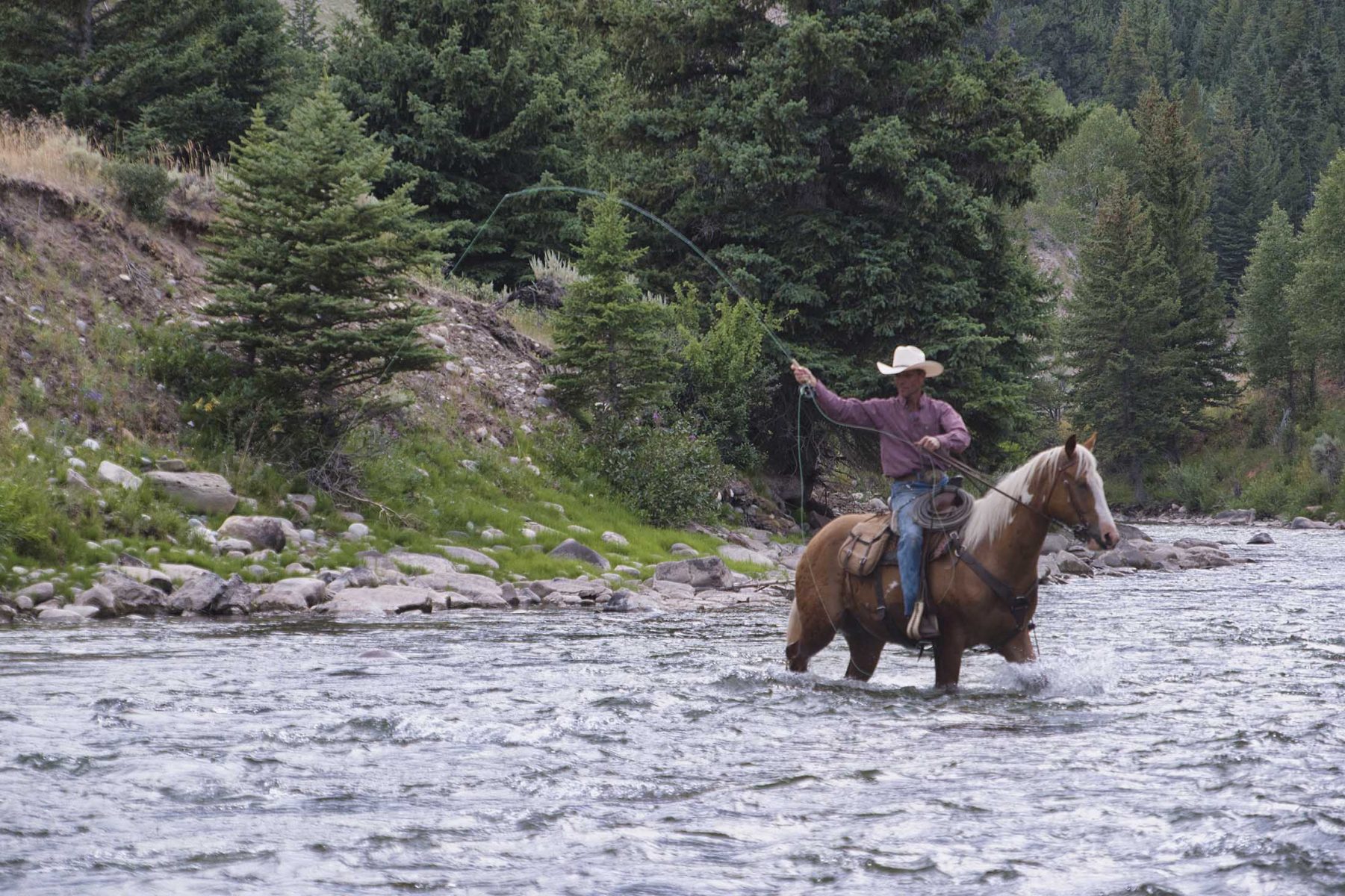
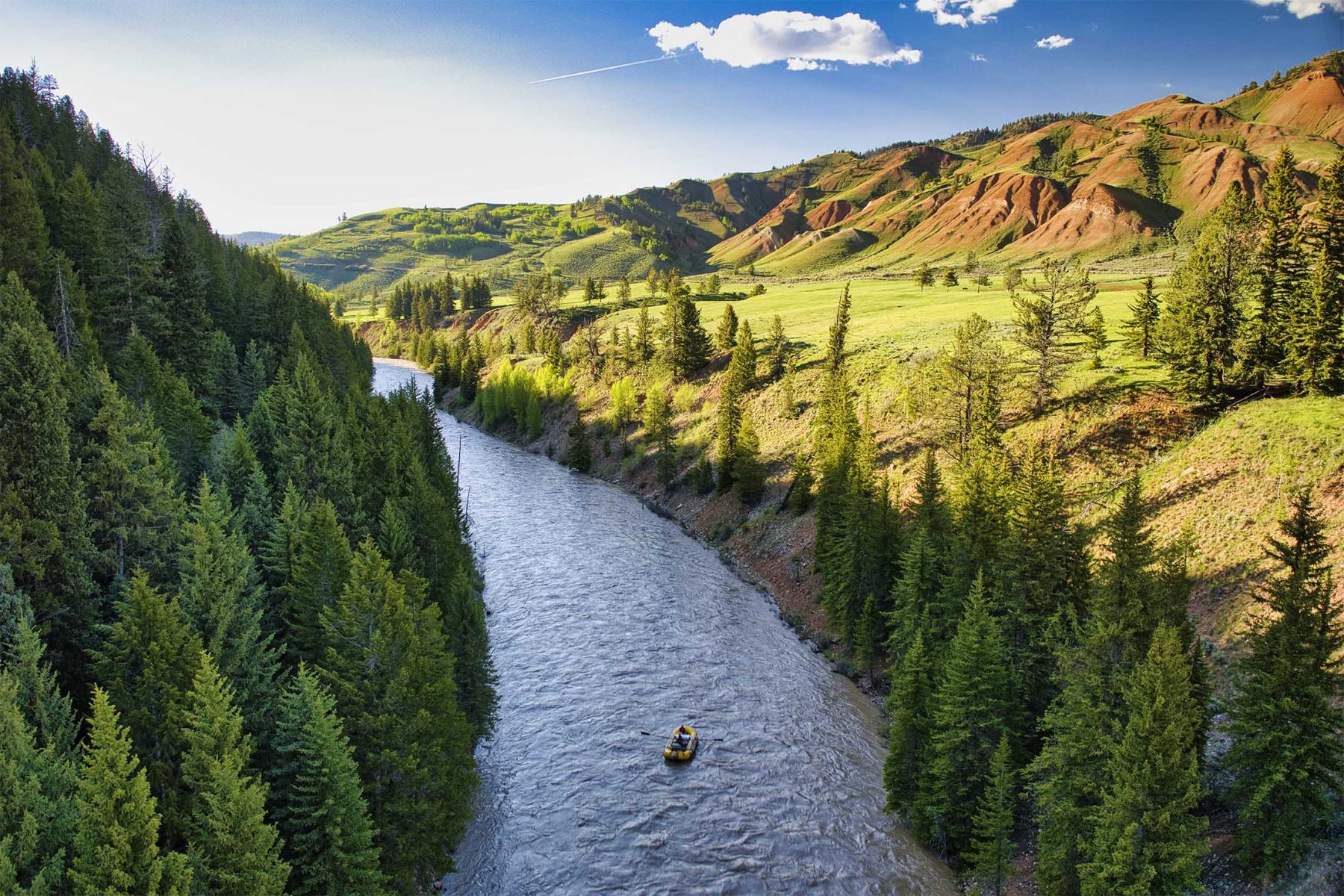
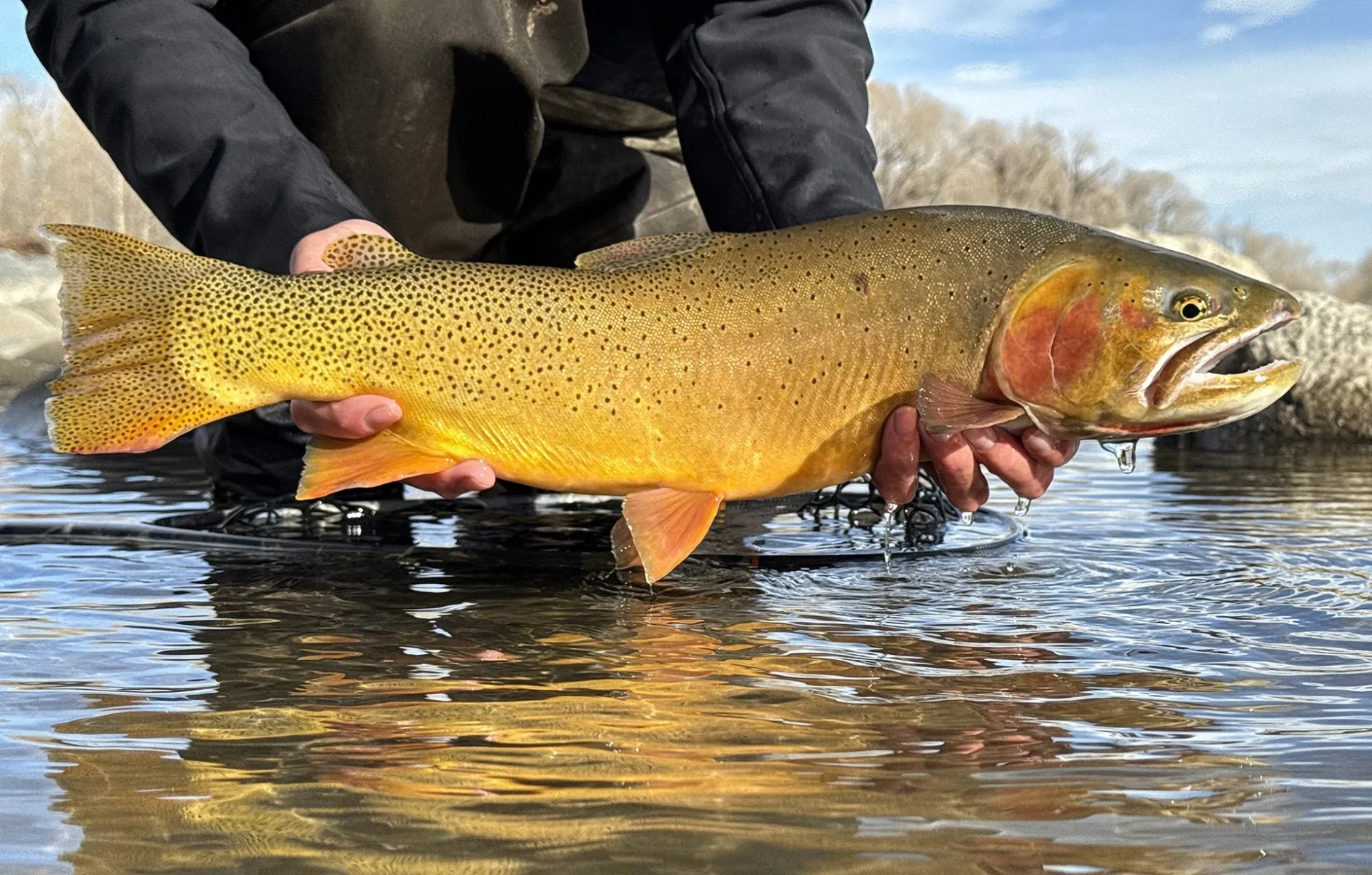
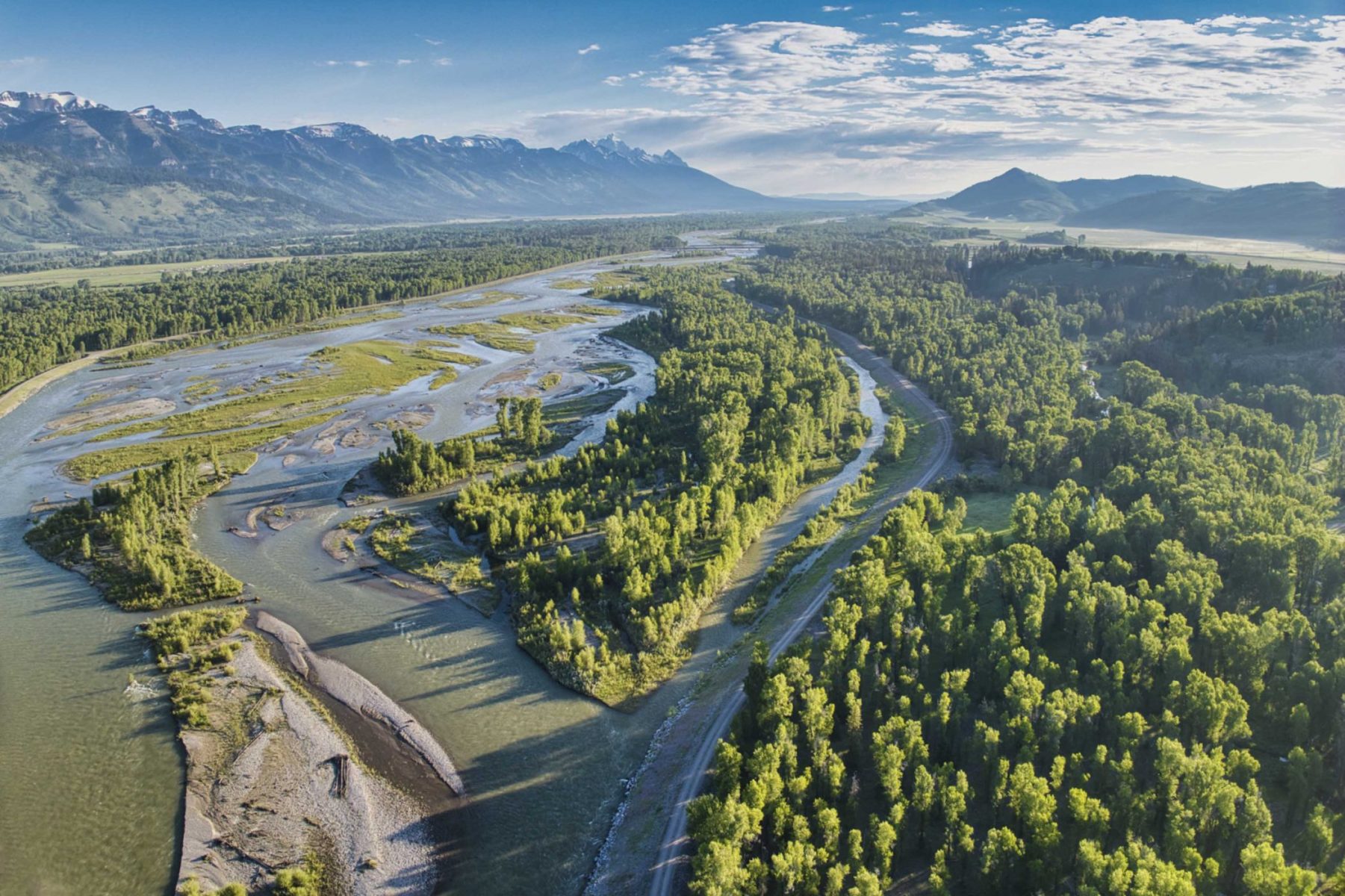
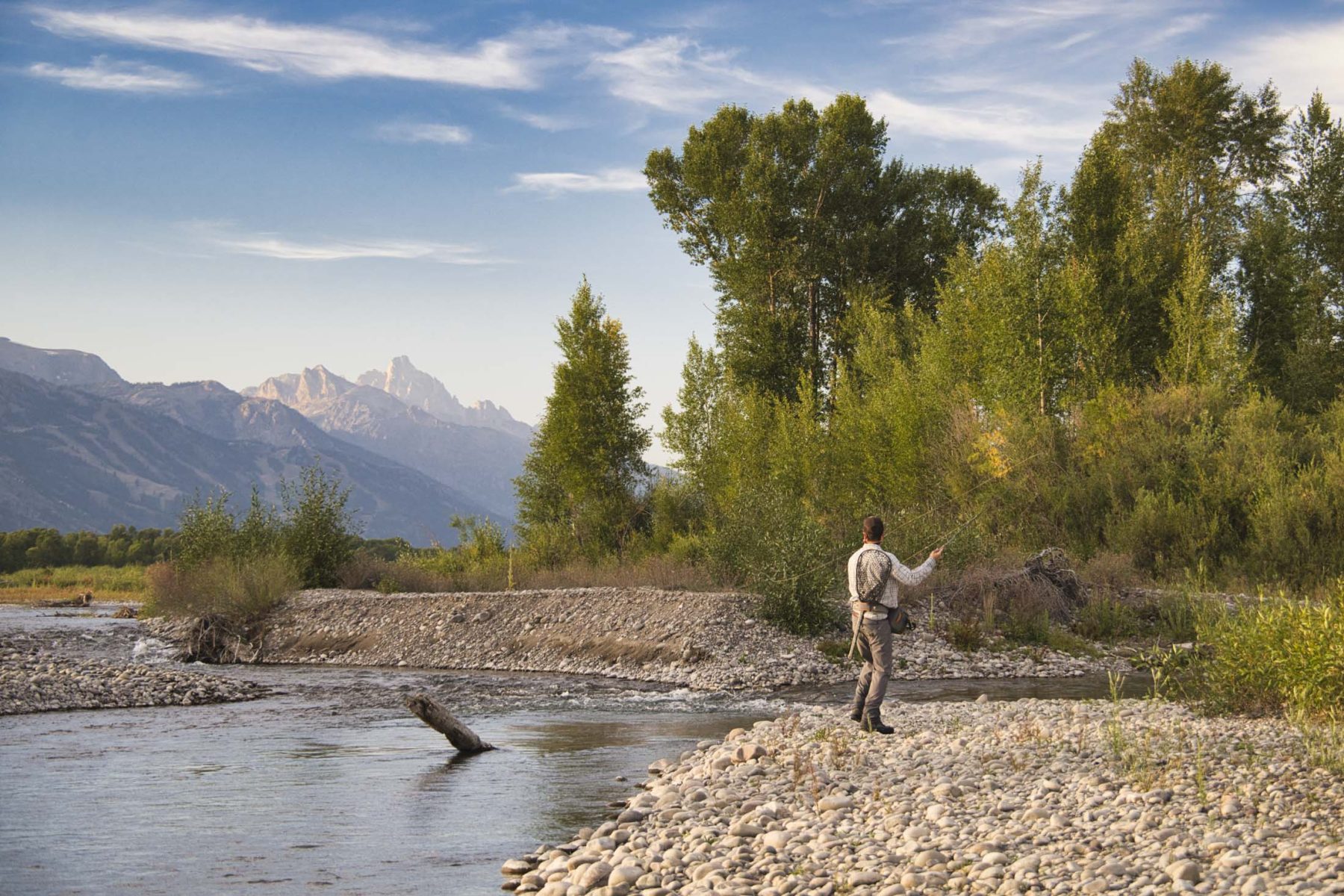
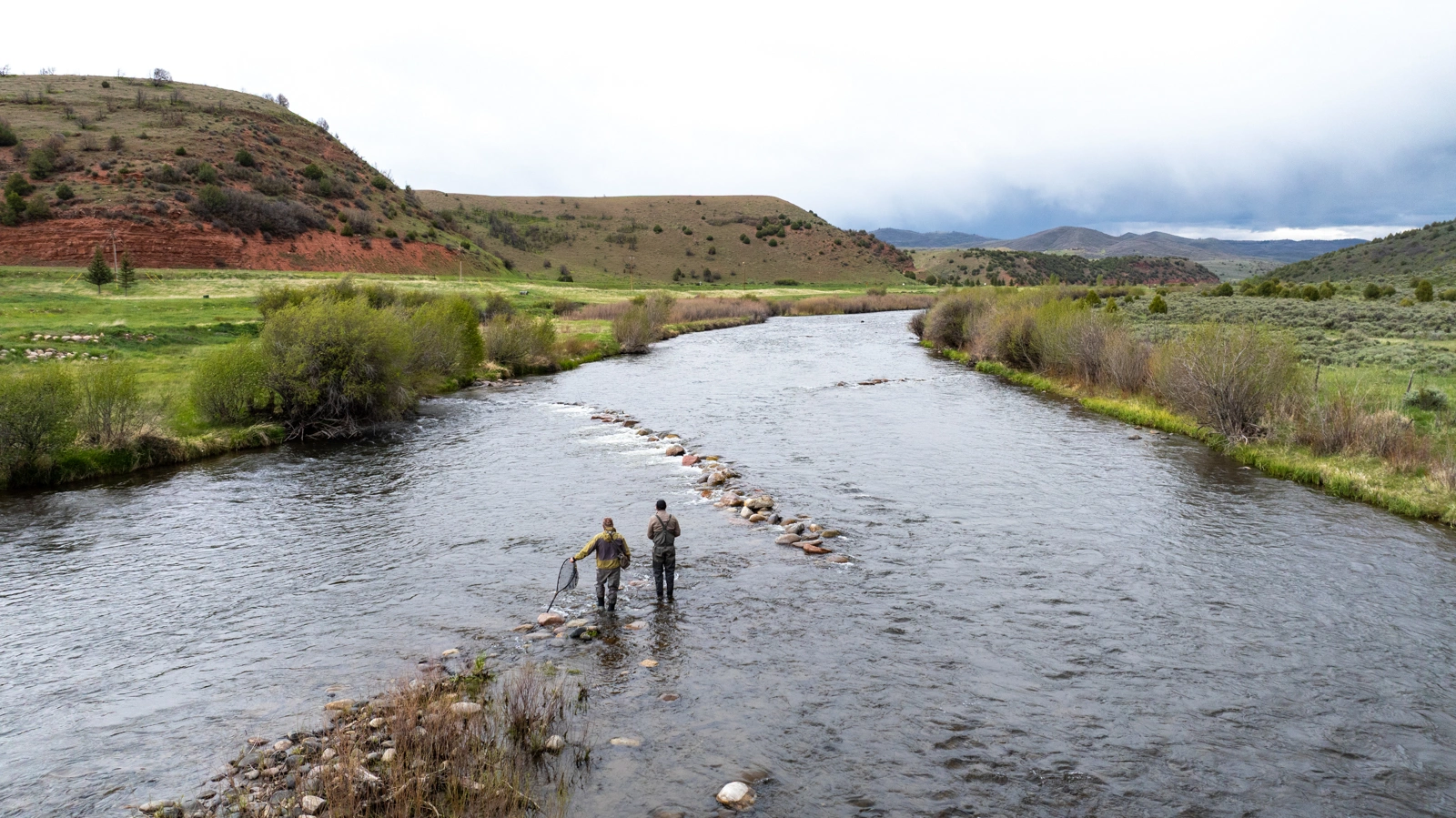
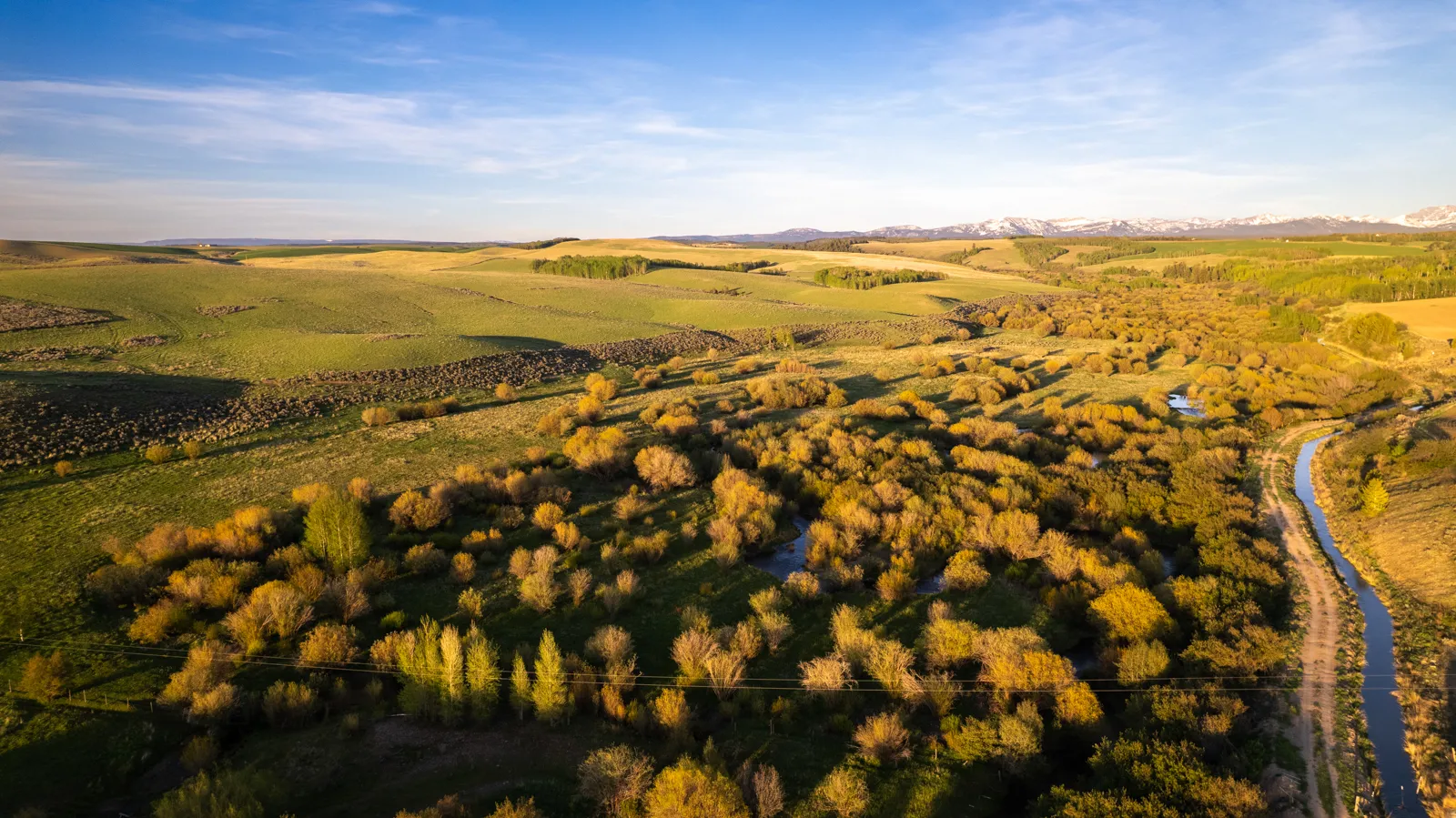
For more than four decades, the private retreat of the late U.S. Senator Herb Kohl, Red Hills Ranch, has offered 1.5 miles of frontage on the wild and scenic Grosย Ventreย River, aย blue-ribbonย native trout fishery tucked 25 miles from downtown Jackson andย borderedย by national forest and wilderness.ย After a low-snow winter in 2026, the Grosย Ventreย cleared approximately two weeks ahead of schedule, allowing fishing conditions to improve earlier than normal.ย This happensย whenย snow runoff timing naturally shifts each year with changes in snowpack, temperatures, and spring weather, making earlierย conditionsย seen in 2026ย not uncommonย and opening the river to excellent walk-wading and float conditions in early June. Early season fishing for native Snake River Fine Spotted Cutthroat is well underway. Smallerย stoneflyย and foam patterns, particularly Circus Peanuts and Purple Bruce, draw fish into shallow feeding water. At the same time,ย caddis, PMD imitations, and split case nymphs continue to produce through deeper seams and pockets. As the season progresses into July and flows stabilize, dry fly opportunities become more consistent across theย Ranch.ย By mid-July, grasshoppers and larger terrestrials become the dominant food source, bringing native cutthroat to the surface onย foamย attractor patterns. As summer gives way to fall, streamers become a productiveย optionย for targeting larger nativeย cutthroatย while terrestrial fishingย remainsย strong.

Explore Red Hills Ranch

Pitchfork Ranch (Greybull River)
Meeteetse, WY | 96,115 Acres

Current Patterns: Caddis, Blue-Winged Olives, PMDs, Foamย 

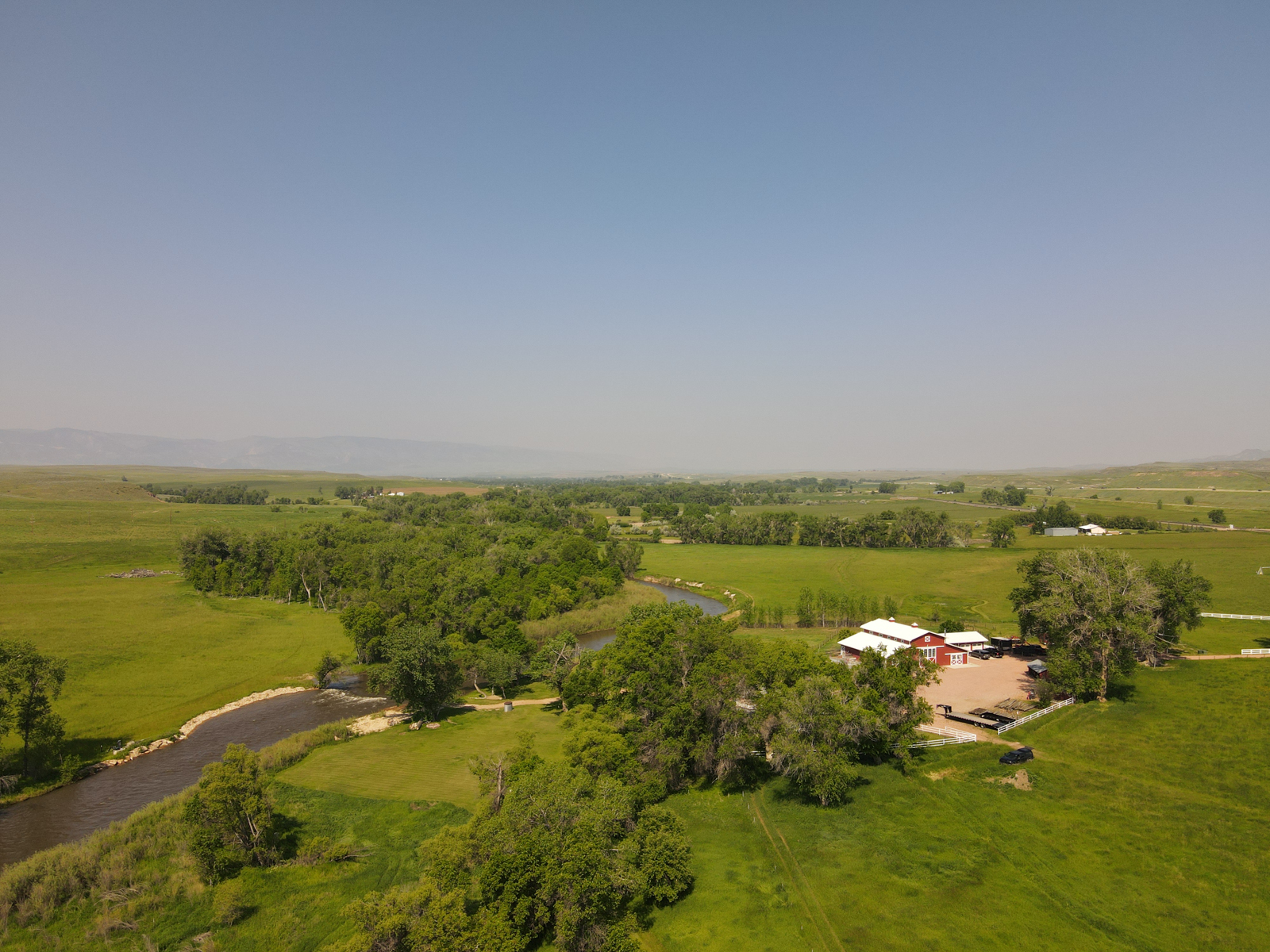
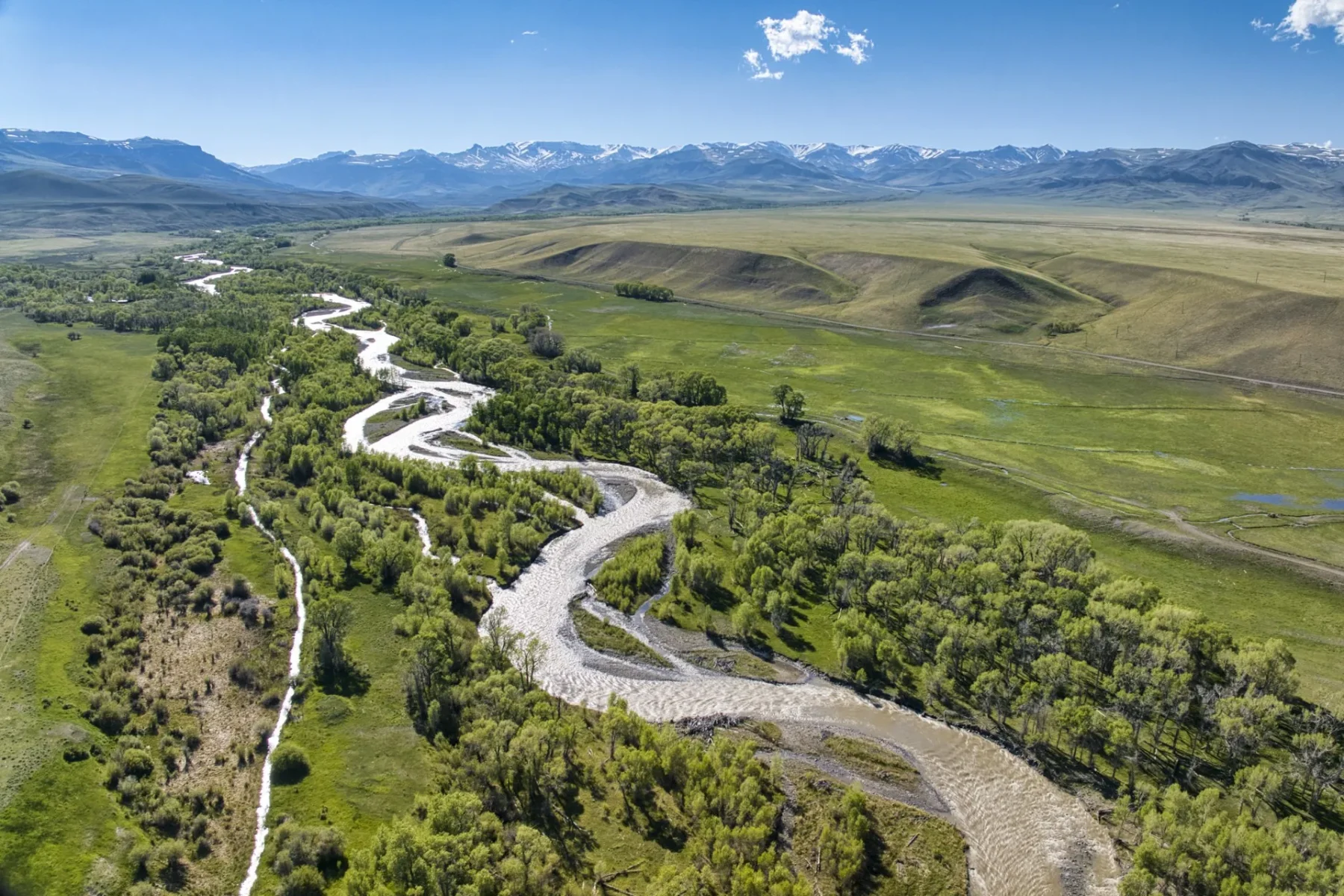
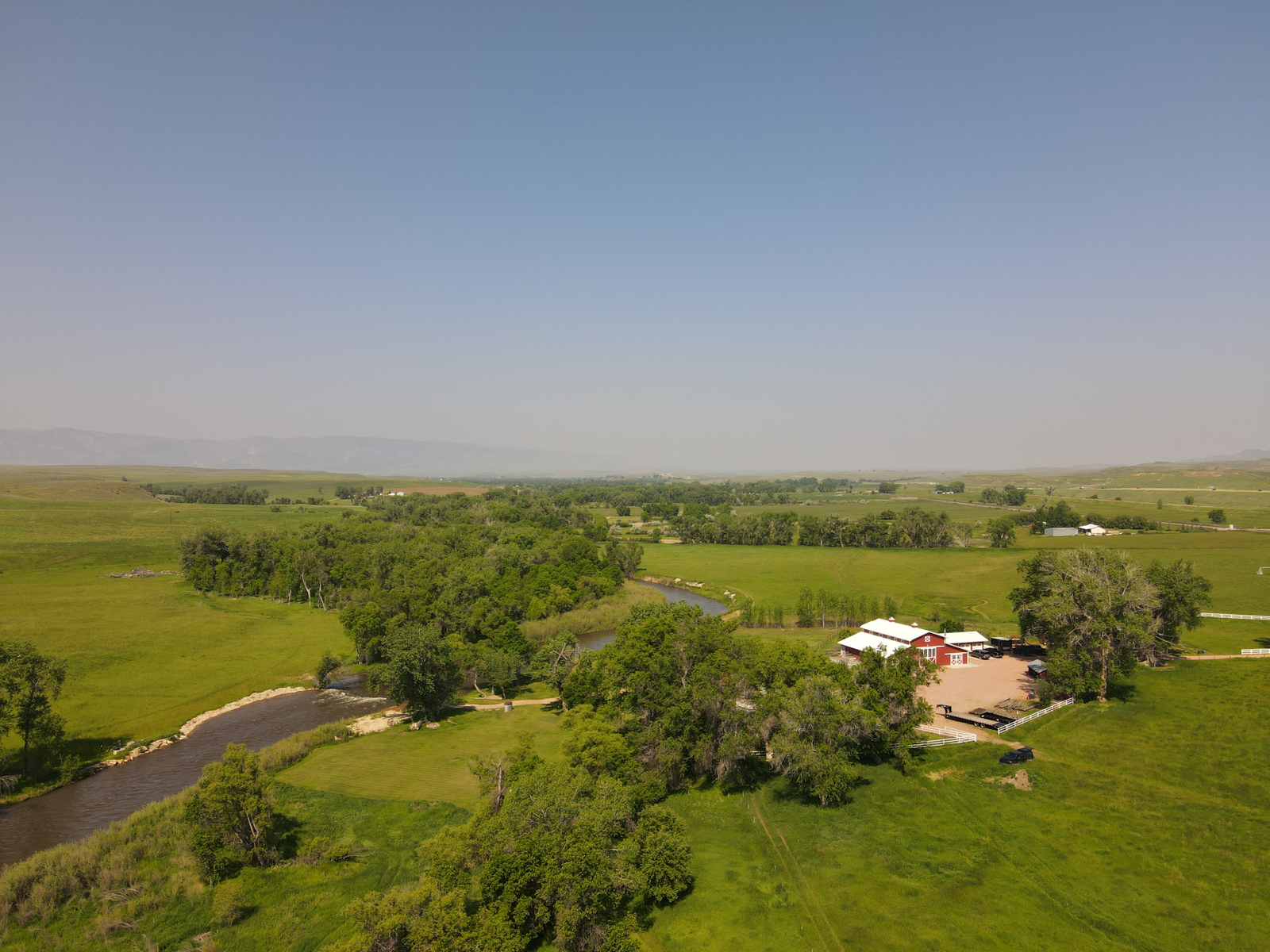
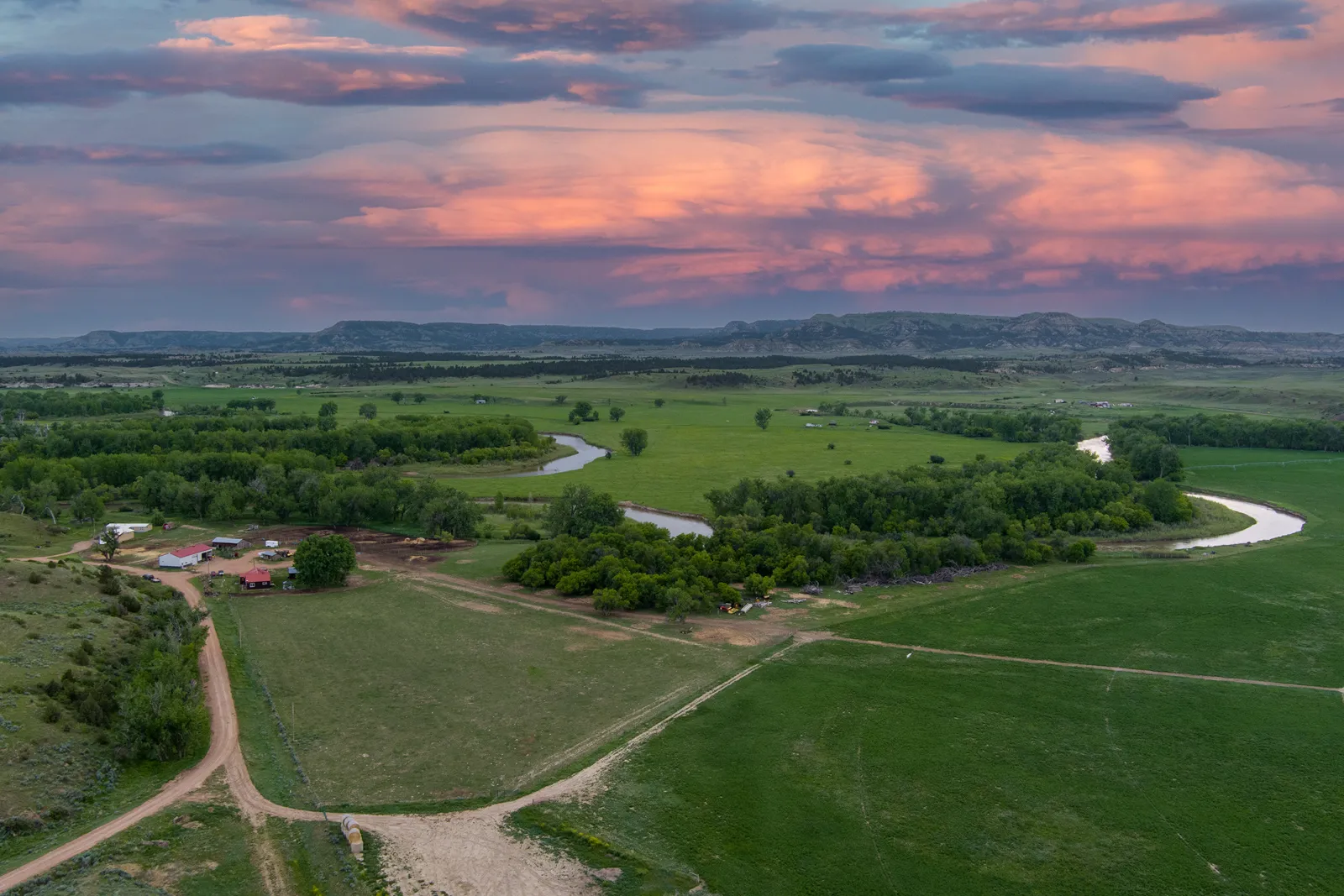
Founded in 1878 by Otto Franc von Lichtenstein, documented through Charles Belden’s photography in Life and National Geographic, and later used as the backdrop for Marlboro Man campaigns, Pitchfork Ranch remains one of the most storied properties in the American West. Spanning over 96,000 total acres beneath the towering Absaroka Mountains, the Ranch includes more than six miles of private Greybull River frontage, one of Wyoming’s last true strongholds for native Yellowstone cutthroat trout outside of Yellowstone National Park, in a setting that feels genuinely unchanged from the era in which the Ranch was founded. The Greybull is a classic Absaroka freestone river, rising in true wilderness and flowing through pocket water, riffles, and cutbanks that reward a patient and careful angler. July opens the prime dry fly window as runoff clears and flows settle into ideal wading levels, with caddis and foam attractors bringing cutthroat to the surface throughout the day. August sharpens the fishing considerably, with PMDs and Blue-Winged Olives creating reliable hatch-matching opportunities morning and evening across six miles of water that sees almost no outside pressure. By September, native cutthroat feed with exceptional confidence, reflecting the wild character and limited fishing pressure that continue to define the Greybull.

Explore Pitchfork Ranch

RR Lodge In Ely Springs (Ely Springs Creek & Snake River)
Jackson, WY | 21.18 Acres

Current Patterns:ย Circus Peanuts, Purple Bruce, PMDs, Spanish Bulletย 

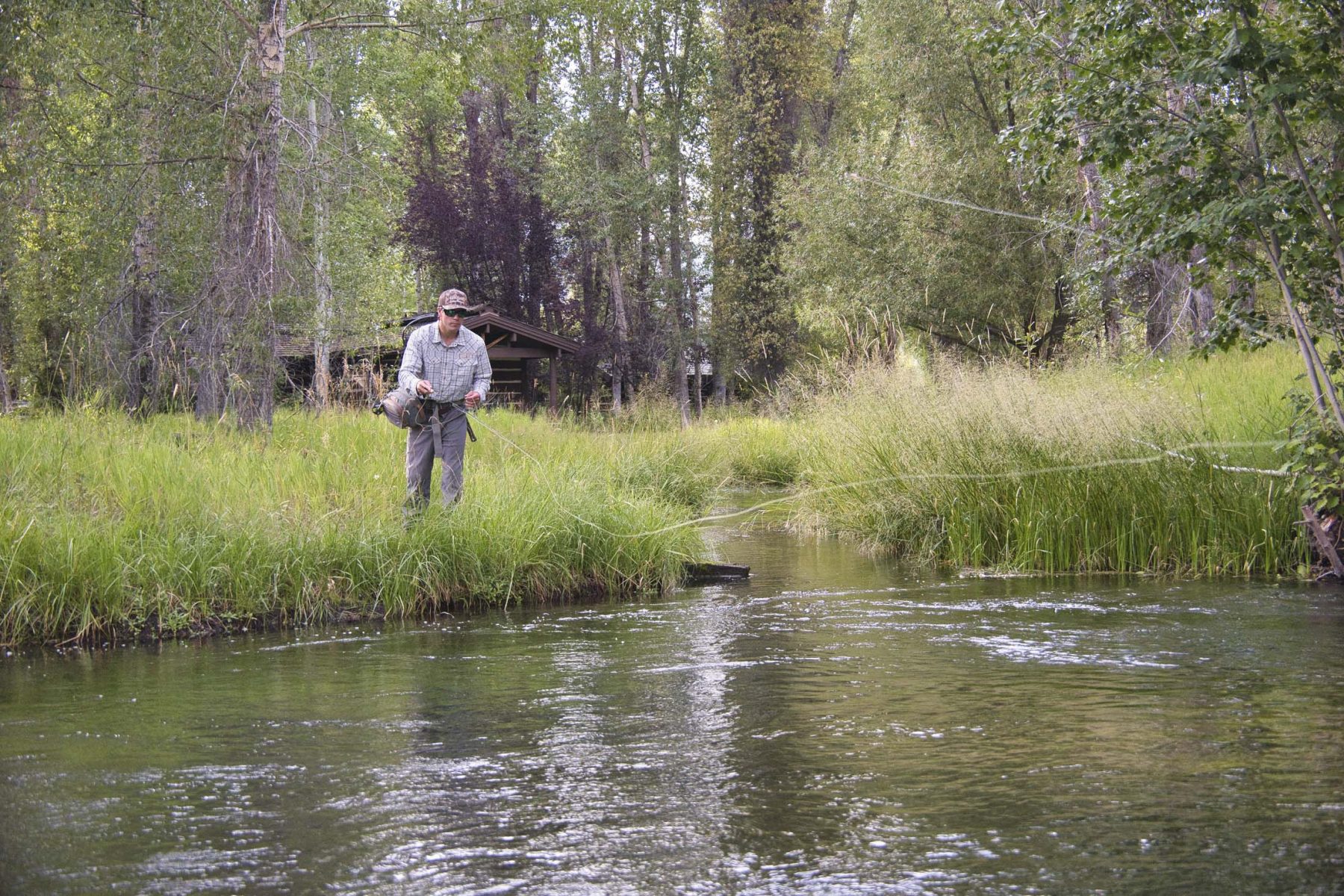
Tucked near the end of Ely Springs Road,ย minutes from Jackson, RR Lodge sits at the intersection of two distinctย fly fishingย experiences: a spring-fed creek winding through the property and a quarter mile of private Snake River frontage along its western edge.ย Ely Springs Creek offers intimate and technical dry fly fishing for Snake River Fine Spotted Cutthroat through the early season, aligning with the period when cutthroatย moveย into smaller spring-fed creeks to spawn.ย Following a low-snow winter in 2026, the Snake Riverโ€™s water became cleanย and more productive for fishing in late June.ย Foam patterns, including Circus Peanuts and Purple Bruce, create excellent surface opportunities as cutthroat begin spreading into softer summer holding water, while Spanish Bullet nymphs become an effectiveย optionย below the surface for covering deeper seams and transitional water. By August, PMD activity becomes increasingly dependable across both fisheries and highlights the advantage of fishing two different systems from one property. As September arrives, cooler mornings andย lighter fishing pressureย create some of the most enjoyable fishing experiences of the season as cutthroatย continueย feeding ahead of fall.

Explore RR Lodge in Ely Springs

Double J Ranch (Horse Creek)
Daniel, WY | 3,210 Acres

Current Patterns:ย Blue-Winged Olives, Stoneflies, Attractor Dry Flies, PMDs, Caddisflies, Grasshoppers, Beetleย 

An hour south of Jackson Hole and recognized by the State of Wyoming with its Landowner of the Year award for exemplary stewardship, Double J Ranch offers over four miles of Horse Creek alongside several miles of spring creeks and an aerated trout pond, three distinct fishing experiences on one property. Horse Creek is classic small stream water, fishing best during the spring and fall when trout hold in pocket water and undercut banks, rewarding a careful approach over distance covered. Blue-Winged Olives, stoneflies, and attractor dry flies produce consistent action during these shoulder seasons. The spring creeks provide a technical, year-round fishery where anglers willing to fish finer tippets and slower water find consistent opportunities throughout every season. Through July and August, PMDs, caddisflies, grasshoppers, and beetles keep the spring creeks fishing well on the surface. By September, cooler temperatures bring Horse Creek back into prime condition, and the off-grid cabin overlooking Horse Creek offers a level of solitude that feels increasingly difficult to find.

Explore Double J Ranch

Bull Creek Ranch (Fish Creek)
Teton County, WY | 150 Acres

Current Patterns:ย PMDs, Small Foam, Caddis, Circus Peanuts, PMXsย 

Clear water and intimate creek structure shape the summer experience on Fish Creek, where healthy cutthroat populations reward anglers willing to slow down and fish with intention. As runoff fades and flows calm, PMDs and caddis drive steady dry fly fishing through meadow sections, softer seams, and slower runs where fish establish reliable feeding patterns. By midsummer, smaller foam patterns such as Chubby Chernobyls, Circus Peanuts, PMXs, and dry dropper setups become an efficient way to cover water while matching the creek’s more technical character. Later in the season, cooler mornings and lower flows place greater emphasis on smaller profiles and accurate presentations as fish become increasingly selective. Bull Creek Ranch is not a property that asks an angler to cover ground. It asks them to slow down, read the water, and earn what is there. The experience is made even more special by the fact that nearly all of the surrounding fishable water remains private, creating a level of seclusion and limited angling pressure that is increasingly difficult to find in the region.

Explore Bull Creek Ranch

Soaring Eagle Ranch (Tongue River)
Ranchester, WY | 287 Acres

Current Patterns:ย Stimulators, Foam, Blue-Winged Olives, Bead Heads, Caddisย 

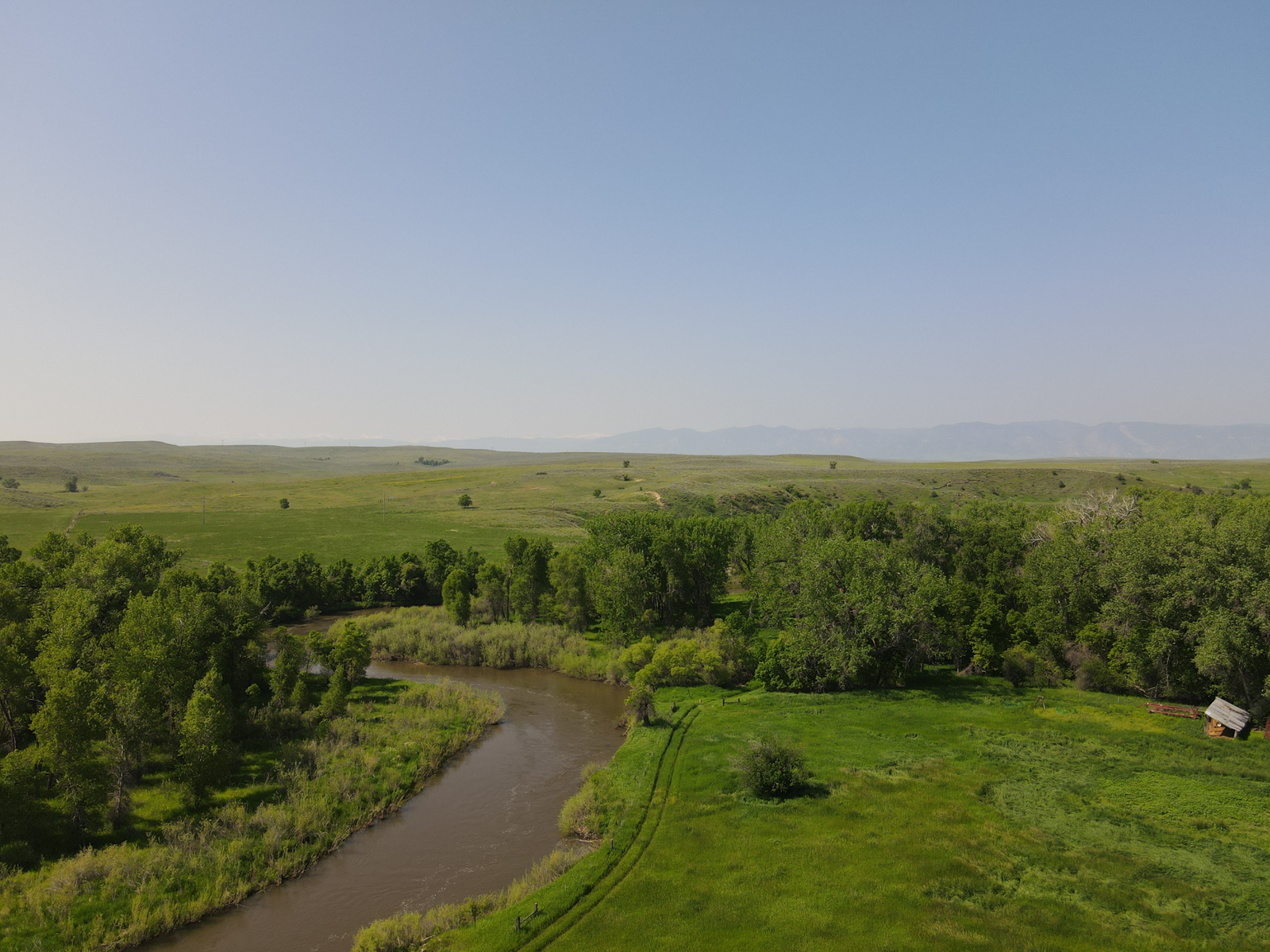
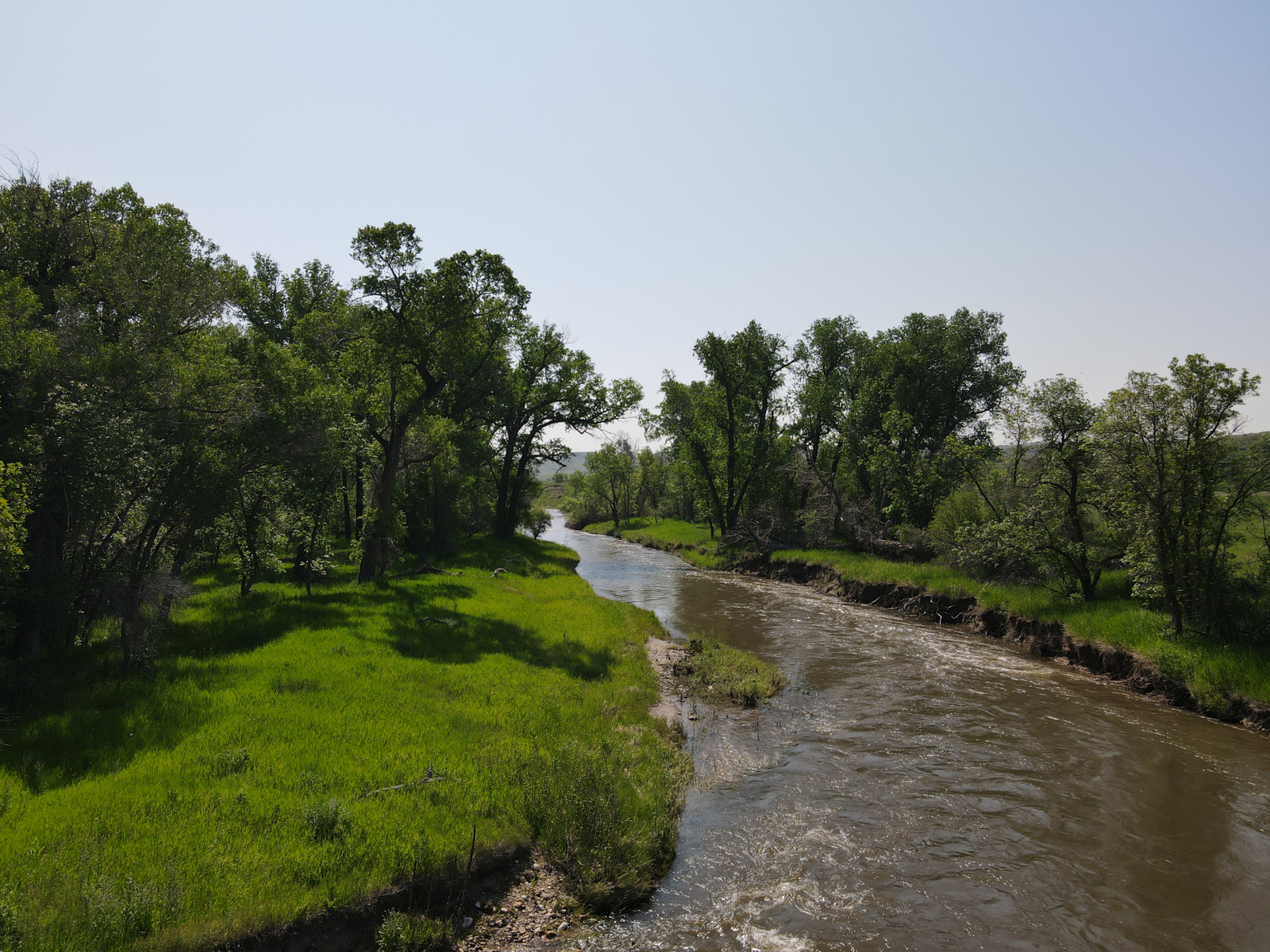
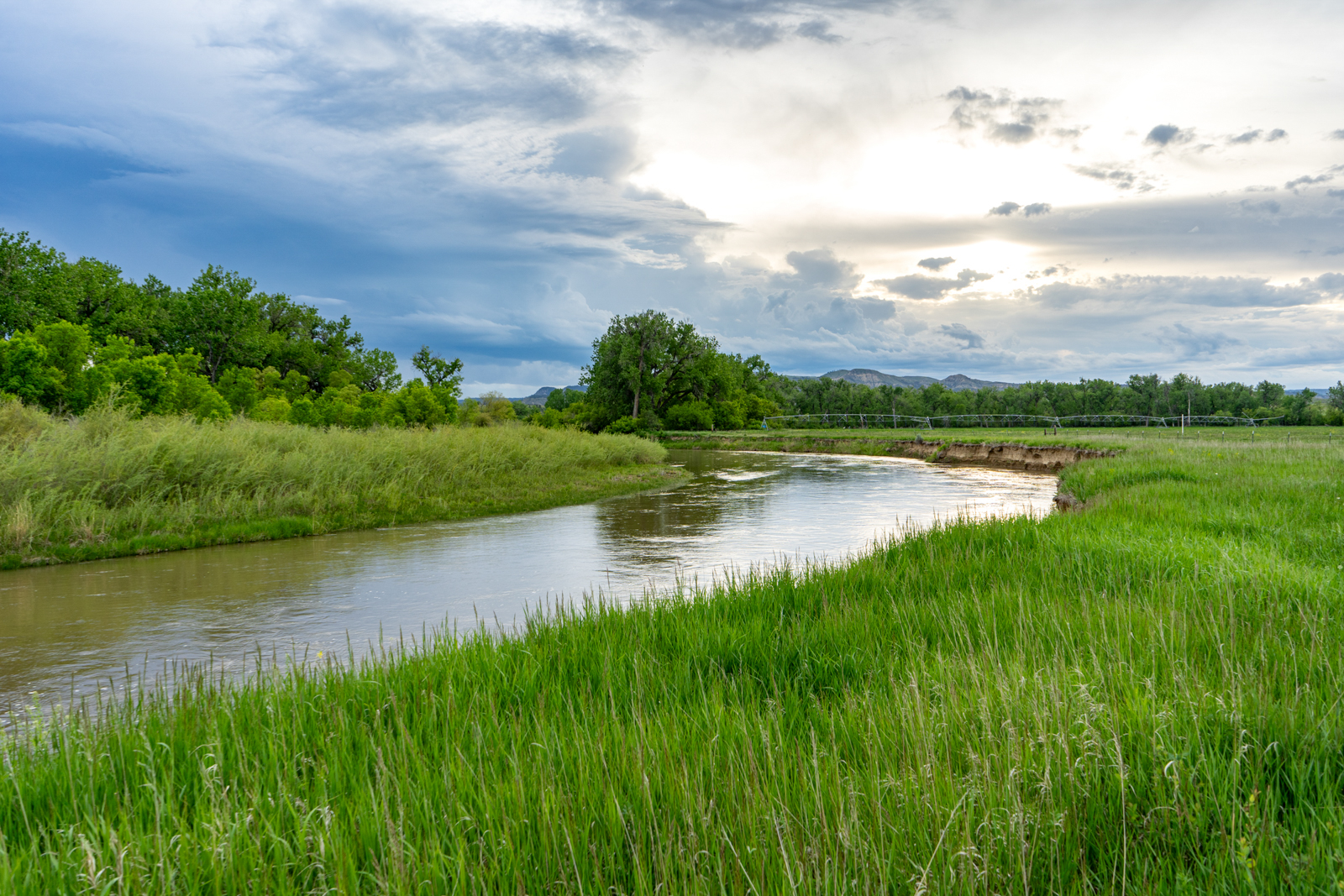
Fifteen miles from the historic town of Sheridan and minutes from the Big Horn Mountains, Soaring Eagle Ranch sits at the doorstep of one of Wyoming’s most productive and least crowded trout fisheries. The Tongueย River, managed as a wild trout fishery with documented populations of 4,000 to 5,000 trout per mile, offers walk-and-wade access to rainbow, brown, and brook trout across a diverse mix of riffles, runs, and deeper pools. June brings the first reliable dry fly fishing of the season as Stimulators, foam patterns, andย caddisย begin producing consistent surface action. July and August represent the prime fishing window, withย caddisย hatches building through the afternoons, terrestrials becoming increasingly effective, and beadย head nymphs producing steadily in the deeper runs and seams. By September, Blue-Winged Olive hatches return during cooler, overcast periods whileย caddisย continue to fish well, allowing anglers to alternate naturally between dry flies andย beadย headย nymphs as conditions change.

Explore Soaring Eagle Ranch

17 Rocking Chair (Wind River)
Dubois, WY | 22 Acres

Current Patterns:ย Foam, Midges, Girdle Bugs, Scuds,ย PMDs,ย Caddisย 

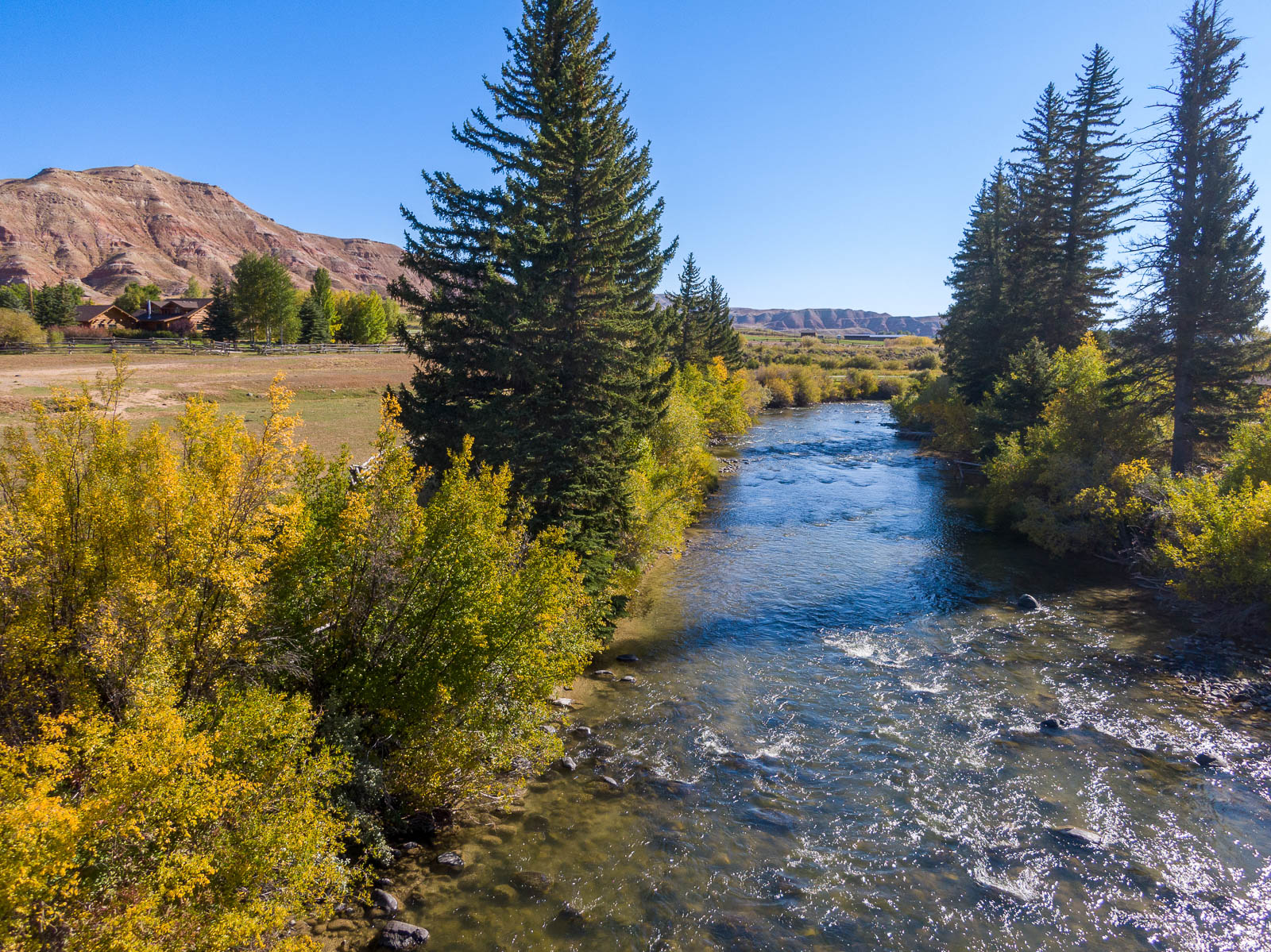
Six miles west of Dubois, 17 Rocking Chair sits directly on the banks of the upper Windย River, with the Absaroka Range rising to the north and the dramatic Dubois Badlands framing the valley to the south. The landscape and fishery feelย closely connectedย here, with the water carrying the same quiet and deliberate character as the surrounding valley. The Windย River is a classic naturalย river, cold and clear through the summerย months, with wild brown and rainbow trout holding in defined runs, deeper seams, and the kind of pocket water that rewards an angler willing to slow down and read theย river carefully.ย PMDs and caddisย flies drive the early summer dry fly fishing, with midges filling in throughout the day when hatch activity slows. As July moves into August, foam attractors and terrestrials take over along the grassy banks, and the browns become aggressive, moving further to eat a well-placed pattern. By September, the Badlands take on their deepestย color,ย the crowds passing through Dubois in summer are long gone, and the upper Wind fishes with a quiet intensity that is challenging to find on public water anywhere in Wyoming.

Explore 17 Rocking Chair

Snakeย River Sporting Club, Lot 82 (Snake River)
Jackson, Wyoming | 0.56 Acre

Current Patterns:ย Circus Peanuts, Purple Bruce,ย PMDs, Pink Bead Headย Duracellย 

Snake River Sporting Club sits along the Snake River on the southern edge of Jackson Hole, a private community built around a 26,000 sqft clubhouse and nearly six miles of private fly fishing along the Snake River, putting one of the most iconic trout fisheries in North America steps from the front door. Lot 82 is a secluded half-acre, framed by mature trees at the end of a quiet cul-de-sac, positioned to take full advantage of everything the club offers while maintaining genuine privacy close to Jackson. Snake River Sporting Club’s Outdoors Pursuits guides offer guided fly-fishing trips on the Snake River and on-property casting clinics, creating opportunities for anglers to refine their technique throughout the season. The river here is defined by its population of Snake River Fine Spotted Cutthroat, which make up nearly every fish landed on this stretch. Prime dry fly conditions arrive in early July with Circus Peanuts and Purple Bruce drawing explosive surface takes. Pink bead head Duracells produce consistently through deeper runs and softer summer holding water, while PMDs extend surface opportunities well into August. By September, the valley quiets, the cutthroat are feeding heavily ahead of fall, and the Snake feels as close to private water as a river this celebrated ever gets.

Explore Snake River Sporting Club, Lot 82

Fly Fishing Ranches for Sale in Colorado

Teelawuket Ranch (Pine River)ย 
Bayfield, CO | 940 Acres

Current Patterns:ย Stimulators,ย Chubbies, Foam Attractors, Pat’sย Rubberlegs, Pheasant Tails, Caddis, PMDsย 

The Upper Pine River winds for more than one mile through Teelawuket Ranch, where East Creek joins the river alongside a five-acre private pond, creating a remarkably diverse fishery for brown, rainbow, and brook trout. As runoff subsides in late June, Stimulators, Chubbies, and other foam attractors produce consistent surface action, while Pat’s Rubberlegs and Pheasant Tail nymphs excel beneath a dry-dropper rig. Through the heart of summer, caddis, PMDs, and terrestrials provide dependable dry fly fishing, while dry-dropper presentations remain one of the most productive approaches across the river and creek. The diversity of water allows anglers to adapt naturally to changing conditions throughout the season, whether fishing the river, creek, or private pond.

Explore Teelawuket Ranch

Medicine Bow Ranch (Canadian River)ย 
Walden, CO | 83 Acres

Currentย Patterns:ย Small Streamers, Terrestrials, Caddis, PMDsย 

Set across 83 private acres at the base of the Rawah Peaks in Colorado’s North Park, Medicine Bow Ranch offers 1.6 miles of both sides of the Canadian River in a valley that receives a fraction of the attention its fishing deserves. The recently renovated residence overlooks the water, with the sound of the creek naturally carrying through the property and views across the surrounding mountains and valley. The Canadian holds wild brown and brook trout in riffles, deep runs, and undercut banks that see no meaningful pressure outside the Ranch boundary. July and August bring caddis and mayflies through the morning and afternoon windows, with terrestrialย fishingย inย betweenย hatches. Fall is when the browns become their most aggressive, moving freely to grasshoppers and streamers along the deep undercut banks. As the Rawah Peaks take on their first snow around September, the brook trout push into the deeper runs and the Canadian fishes with an intensity that catches most anglers off guard this late in the year.ย 

Explore Medicine Bow Ranch

Elk Creek Ranchโ€”Lot 41 (White River, South Fork & Elk Creek)ย 
Meeker, CO | 0.5 Acre

Current Patterns:ย Hopper Droppers, Yellow Stimulators with Legs, PMDs, Caddisย 

Elkย Creekย Ranch is one of the most fully realized sporting communities in the American West. Set in the White River Valley 15 miles southeast of Meeker and surrounded by the largestย elkย herd in the nation, the property combines access to 25+ miles of private water across the White River, South Fork of the White River, andย Elkย Creekย with a fully stocked fly shop and expert guides. The fishing calendar here runs longer than most. Caddis and stonefly hatches open the season as runoff clears in June, and by early July, the White River is producing some of the most dependable dry fly fishing in western Colorado. PMDs and Yellow Sallies bring cutthroat, rainbow, and brown trout to the surface across riffles and pocket water, and yellow stimulator hopper-dropper rigs along the grassy banks become the defining approach through August. September is when the Ranchย earns its reputation for those willing to stay.ย Terrestrialsย remainย effective, and 33 miles of private water give anglers the ability to spread out and enjoy a level of access andย solitudeย seldom found elsewhere in the West.ย 

Explore Elk Creek Ranch – Lot 41

Creekside at Eagle Ridge Ranch (Ohio Creek)ย 
Gunnison, CO | 35 Acres

Current Patterns:ย Hopper Dropper, Nymphsย 

Set between 8,000 andย 10,000 feetย in Colorado’s Ohio Creek Valley, minutes from Gunnison and Crested Butte, Eagle Ridge Ranch is a conservation-protected community where professionally improved private trout water runs through the heart of the property. Ohio Creek, a tributary of the upper Gunnison, flows through the Ranchย carrying rainbow, brown, and brook trout in the kind of high-altitude freestone water that defines Colorado fly fishing at its best. With a record-low snowpack across the Gunnison basin in 2026, Ohio Creek is running lower and clearer than normal, putting it in ideal condition for the hopper-dropper fishing that defines the July through September season here. As grasshoppersย emergeย along the meadow banks through midsummer, a well-placed hopper with a nymph dropper fished tight to undercut banks and grassy edges draws aggressive takes throughout the day. By September, the valleyย quietsย and the aspens begin to turn,ย while Ohio Creek continues fishing well in a setting that feels removed from the pace of the summer season.

Explore Creekside at Eagle Ridge Ranch

Arrowhead Ranch (South Fork of the South Platte River/Fourmile Creek)ย 
Park County, CO | 2,980 Acres

Current Patterns:ย Blue-Winged Olives,ย PMDs, Caddis,ย Tricos, Terrestrials, Streamersย 

Nearly nineย miles of live water define the fishing experience at Arrowhead Ranch, where 4.79 miles of the South Fork of the South Platte River converge with 3.80 miles of Fourmile Creek to provide exceptional access for brook, brown, and rainbow trout. The diversity of water allows anglers to spend the day exploring everything from broad river runs to intimate creek stretches without ever leaving the Ranch. Early summer brings Blue-Winged Olive,ย PMD, andย caddisย hatches, while dry-dropper presentations produce consistently across both fisheries. Into July and August, terrestrials become a defining feature of the fishery, with outstanding hopper fishing developing along grassy banks asย tricosย andย caddisย continue to hatch. Streamer fishingย remainsย equally productive throughout the deeper runs, undercut banks, and pools, offering another effective approach for targeting larger trout.

Explore Arrowhead Ranch

ย 

Paradise View Ranch (South Fork of the South Platte River)ย 
Park County, CO | 200.39 Acres

Current Patterns:ย Blue-Winged Olives,ย PMDs, Caddis,ย Tricos, Terrestrials, Streamersย 

Nearly oneย mile of the South Fork of the South Platte River winds along Paradise View Ranch, creating exceptional habitat for brook, brown, and rainbow trout in one of Colorado’s most storied trout fisheries. Early summer brings dependableย PMDย and caddis hatches, with dry-dropper presentations producing consistently as flows settle into summer.ย By mid-summer terrestrials become increasingly important, and large grasshoppers excel along the property’s grassy banks and undercut edges. As cooler temperatures return later in the season, Blue-Winged Olives once againย provideย dependable dry fly opportunities, while streamersย remainย productive beneath the surface. Broad meadows, undercut banks, and a steady progression of summer hatches give the South Fork a rhythm that changes naturally through the season, rewarding anglers willing to adapt alongside it.ย 

Explore Paradise View Ranch

Fly Fishing Ranches for Sale in Idaho

Anderson Ranch (Anderson Ranch Reservoir & South Fork of the Boiseย River)
Mountain Home, ID | 3,896 Acres

Current Patterns:ย Salmonflies, Golden Stones, Foam, Stimulators,ย PMDs, Caddis, Streamersย 

Perched on a scenic plateau between Boise and Sun Valley, Anderson Ranch sits above Anderson Ranch Reservoir with the South Fork of the Boise River running below the dam at theย Ranchโ€™sย edge, creating two entirely different fisheries within the same holding. Theย Reservoir draws rainbow and bull trout alongside fall Chinook salmon and smallmouth bass. The South Fork tailwater below the dam isย a different experienceย entirelyโ€”cold,ย consistent, and canyon-bound, with the kind of year-roundย clarity that most freestone rivers in the region cannot touch. Goldenย stonesย and Salmon Flies open the summer season on the South Fork, with big foam and stimulator patterns pulling fish to the surface through the canyon runs in June. By midsummer,ย PMDs and caddis take over, and the dryย fly fishingย builds steadily through July and August, while streamersย remainย effective in the deeper pools throughout. For the angler who wants a different question to answer each morning, Anderson Ranch is built for it.

Explore Anderson Ranch

Valley Creek Ranch (Valley Creek)
Stanley, ID | 560 Acres

Current Patterns:ย Stimulators, Foam, Streamers, Brown Drakesย 

Framed by the jagged peaks of the Sawtooth Mountains in one of the most striking valleys in the American West, Valley Creek Ranch sits along nearly two miles of one of central Idaho’s most storied trout streams. Valley Creek also serves as a critical spawning habitat for both Chinook salmon and steelhead, connecting the property to the broader Salmon River ecosystem in a way few private holdings can match. July opens the prime season as flows calm and stimulators and foam attractors begin drawing Westslope cutthroat, rainbow, brown, and brook trout to the surface in the creek’s clear, fast-moving runs. August is the highlight of the year. Brown Drake hatches bring the largest and most selective fish up consistently. Streamers produce well in the deeper pools throughout the day, and the combination of resident trout and the first hints of returning salmon activity makes for a desirable late-summer experience. By September, morning frosts sharpen the air against the Sawtooth backdrop, and the combination of continued trout activity and returning salmon creates one of the most distinctive periods of the season on Valley Creek.ย 

Explore Valley Creek Ranch

Henry’s Fork Confluence Ranch (Henry’s Fork & Snake Confluence)
Rexburg, ID | 250 Acres

Current Patterns:ย Salmonflies, Golden Stones, Mutants, Green Drakes, Streamers, Yellow Sex Dungeons, Goldiesย 

Set along 2.4 miles of the Henry’s Fork River and featuring side channels, slough habitat, and mature riparian cover, Henry’s Fork Confluence Ranch offers a style of fishing that feels different from much of the surrounding region. The diversity of holding water creates opportunities to target qualityย rainbow, brown, and cutthroat trout throughout the summer season. As flows settle into shape,ย Salmonflies, Golden Stones, and Green Drakes create the defining dry fly windows of early summer, drawingย aggressive surface takes across the main channel and side channels alike. Of everything in the box, Mutant Stone Flies have proven the most consistently effective, accounting for takes when other patterns struggle to move fish.ย Timing the moon cycleย has also provenย to amplify their effectiveness, with the most aggressive surface activity often coinciding with the lunar cycle. The fishing is often at its peak during the early morning and again in the evening as the moon rises, when larger troutย becomeย eager to feed on the surface. When floating, the preferred launch times are before sunrise or at sunset to capitalize on the day’s most productive low-light periods. As summer matures, yellow streamers, including Sex Dungeons and Goldies, become increasingly effective for covering deeper water and targeting the larger fish holding in the slough habitat and heavier runs. Floating lines and light sinking lines can be especially productive for controlling streamer depth and keeping presentations in the strike zone of larger fish. By September, cooler mornings and stable flows reward anglers willing to alternate between larger dries and streamers, with the emphasis shifting toward quality over numbers. That has always been the identity of this fishery. Henry’s Fork Confluence Ranch is not a place built around counting fish but around the ones worth remembering.

Explore Henry’s Fork Confluence Ranch

Lower Teton River Ranch (Teton River)
Newdale, ID | 114 Acres

Current Patterns:ย Drag-Free Drifts, Green drakes, Golden Stones, Salmon flies, Streamersย 

Lower Teton River Ranch sits onย 114 acresย of cottonwood-lined river bottom in eastern Idaho, with 1.2 miles of Teton River frontage running through willow habitat, open meadows, and elevated bench terrain overlooking the valley. Where the upper Teton has built its reputation on technical spring creek style fishing, the lower stretch is a different animal altogether. Cutbanks, side channels, and shaded structure hold healthy populations of wild Yellowstone cutthroat, brown trout, and rainbow trout, with the occasional brook trout appearing in theย deeper,ย cooler lies that most anglers never reach on public water.ย Green Drakes, Golden Stones, andย Salmonfliesย create consistent opportunities throughoutย the summer season, but the fishย remainย opportunistic and willing to eat beyond concentrated hatch windows.ย Largely unpressured, these trout respond well to a drag-freeย driftย or a streamer worked through the deeper cutbanks, encouraging anglers to cover water with confidence.ย This is not a technical fishery. It rewards anglers who read water well and stay patient more than those chasing a specific hatch. For the angler who values solitude and unpressured water over reputation, theย Lower Tetonย River Ranchย delivers a fishing experience that is quietly in aย class of its own.ย 

Explore Lower Teton River Ranch

River Pointe Ranch (Henry’s Fork)
Ashton, ID | 115 Acres

Current Patterns:ย Golden Stones, Green Drakes,ย PMDs, Split Cases, Midgesย 

River Pointe Ranch sits onย 115 acresย of elevated bench terrain above the Henry’s Fork, withย 2,500 feetย of private river frontage on the tailwater section below Ashton Dam. Bordered byย 3,000 acresย of conservation land and framed by sweeping Teton views, it occupies one of the quieter stretches of a river that elsewhere draws crowds from around the world. The tailwater below Ashton Dam offers a more stable and controlled fishery than many sections of the Henryโ€™s Fork during peak summer conditions whileย maintainingย a fraction of the pressure. Golden Stones and Green Drakes define the early summer fishing beforeย PMDs take over through July, creating the precise and methodical dry fly fishing the Henry’s Fork has long been known for. Split case nymphs and midges carry the action between hatch windows. By September, theย conservationย land surrounding the property helpsย maintainย the quiet character of this stretch of river, and the Henry’s Fork continues fishing well after more heavily trafficked sections begin to thin out.ย 

Explore River Pointe Ranch

Conant Creek Ranch (Conant Creek)
France, ID | 358.8 Acres

Current Patterns:ย PMDs, Tricos, Gray Drakes, Blue-Winged Olives, Small Foam, Split Cases, Blowtorchesย 

Conant Creek Ranch sits onย 358 acresย of working barley fields and sub-irrigated pasture in eastern Idaho’s Teton Valley, with 1.12 miles of private creek corridor running through a lush cottonwood and willow bottom, creating an unexpected contrast to the surrounding farmland. The creek fishes in the true Teton styleโ€”technical, clear, and intimate, rewarding patience over coverage. July bringsย PMDs and smaller foam patterns that draw fish to the surface, while split-case nymphsย remainย effective between hatch windows. August brings the most technical fishing of the season. Trico spinner falls in the early morningsย drawย precise, selective feeding from fish that can be frustratingly difficult to fool. By afternoon, Blue-Winged Olives takeย over onย overcast days, and Blowtorches account for the largest fish in the deeper runs when the hatches close. September delivers the Gray Drake hatch, a large and dramatic event on a small stream that produces some of the most memorable dry fly fishing of the season on water that sees little outside pressure.ย 

ย Explore Conant Creek Ranch

Fly Fishing Ranches for Sale in Montana

Bowman Creek Ranch (Tongue River)
Ashland, MT | 3,350 Acres

Current Patterns:ย Clouser Minnows, Woolly Buggers, Articulated Streamers, Bunny Leeches, Crayfish Patternsย 

Bowman Creek Ranch provides access to approximately 2.5 miles of the Tongue River, whereย a diverseย warmwater fishery offers a distinctly different angling experience fromย Montana’s traditional trout rivers. Northern pike, carp, and goldeyeย provideย consistent opportunities across a variety of habitats, while larger brown trout may beย encounteredย closer to the river’s colder tailwater influence. Streamer fishing is the defining approach, with large baitfish patterns proving especially effective for pike and larger trout, while carp reward careful sight fishing with crayfish,ย leeches,ย and other subsurface patterns. The diversity of water throughout the property encourages anglers to adapt their approach from one stretch of river to the next, creating a fishery built around versatility rather than seasonal hatch cycles.ย 

Explore Bowman Creek Ranch

Montana Riverfront Resort (Bighorn River)
Fort Smith, MT | 107 Acres

Current Patterns: Foam,ย Smallย Dries, Sowbugs, Scuds, Zebra Midges,ย PMDsย 

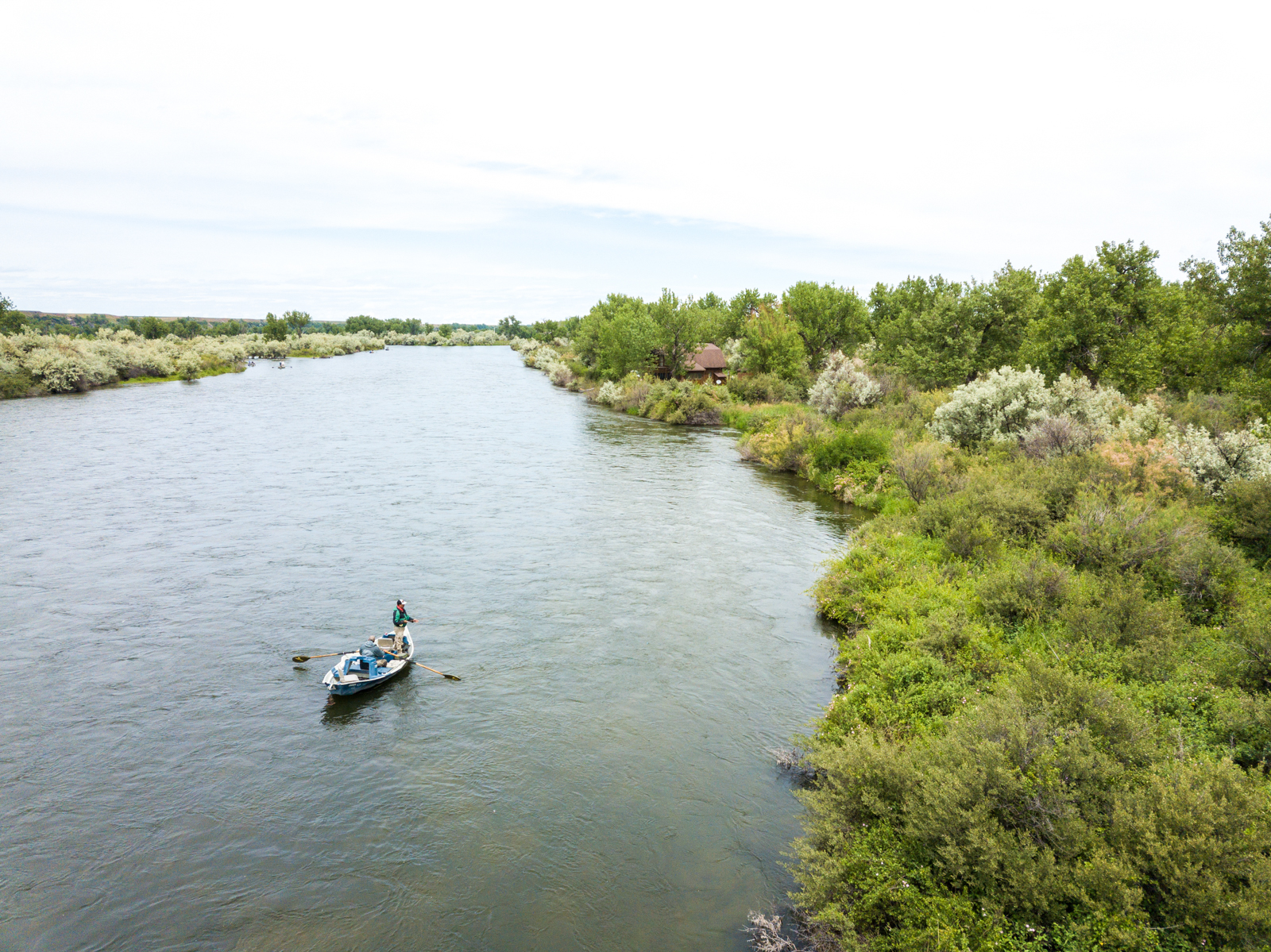
Positioned along the upper Bighorn River, below Yellowtail Dam,ย Montana River Resort hasย operatedย as one of Montana’s premier fly-fishing destinations for over thirty years, offering world-classย fishing for all anglers. The property’s private boat launch and theย Orvis-Endorsed Main Lodgeย reflect a level of operational history that most fishing properties cannot match. The river itself is defined by consistency. Unlike many surrounding fisheries that change dramatically through summer, this tailwater maintains cold temperatures, stable flows, and reliableย clarity, allowing anglers to focus on fishing rather than timing conditions. As summer develops, the river shifts toward a more technical style. Smaller dries become increasingly important during concentrated feeding periods, while sowbugs, midges, and scuds continueย producing throughย deeper seams and slower holding water. PMDs and caddis create dependable hatch windows through July and August, rewarding anglers willing to slow down and match what is on the water. Surface opportunitiesย remainย available well into fall, withย tricosย extending the dry fly season long after most western rivers have wound down. With thirty years of history behind it and conditions that hold when others falter,ย Montana Riverfront Resort offers a style of trout fishing built around time on the water rather than timing runoff.

Explore Montana Riverfront Resort

Fly Fishing Ranches for Sale in Montana Coming Soon

Clarks Fork Riverbend Ranch (Tongue River)
Belfry, MT | 886 Acres

Current Patterns:ย Golden Stones,ย Salmonflies, Caddis, Stonefly Nymphs, Jigged Attractors,ย PMDs, Terrestrials, Blue-Winged Olivesย 

Clarksย Fork Riverbend Ranch encompasses over one mile of private frontage along theย Clarksย Fork of the Yellowstone River within the scenicย Clarksย Fork River corridor, providing exceptional fishing for rainbow and brown trout. Late June marks the beginning of the river’s most consistent dry fly fishing as Golden Stones,ย Salmonflies, and caddis bring trout to the surface, while stonefly nymphs and jigged attractors continue producing beneath faster seams and deeper runs. Into July and August, PMDs and caddis remain dependable as terrestrials become increasingly effective along grassy banks and undercut edges. Blue-Winged Olives extend the dry fly season into early fall, carrying consistent dry fly opportunities beyond the peak of summer.ย 


Eagle Nest Lodge (Bighorn River)
Hardin, MT | 58 Acres

Current Patterns:ย Clouser Minnows, Woolly Buggers, Bunny Leeches, Crayfish Patterns, Articulated Streamersย 

ย Set along the Bighorn River, Eagle Nest Lodge hasย operatedย as one ofย Montana’s respected sporting lodges for more than three decades. Private float boat and jet boat launches provide immediate access to the river, allowing owners and guests to step directly from the lodge onto one of the West’s most celebrated fisheries. Located approximately 45 minutes from the legendary 13-mile trout float below Yellowtail Dam, the property occupies a different reach of the Bighorn where brown troutย areย joined by northern pike, goldeye, and smallmouth bass. Early summer encourages aggressive feeding from pike and brown trout, making large baitfish streamers a productive choice. Throughout the warmerย months, streamer fishingย remainsย the primary approach, with Clouser Minnows, Woolly Buggers, articulated baitfish patterns, and crayfish imitations producing consistently through deeper runs, slower pools, and shoreline structure. As cooler temperatures arrive in late summer and fall,ย pikeย continue feeding heavily while brown trout become increasingly aggressive ahead of the spawn, extending quality streamer fishing well into the season.ย 

Fly Fishing Ranch for Sale in Utah

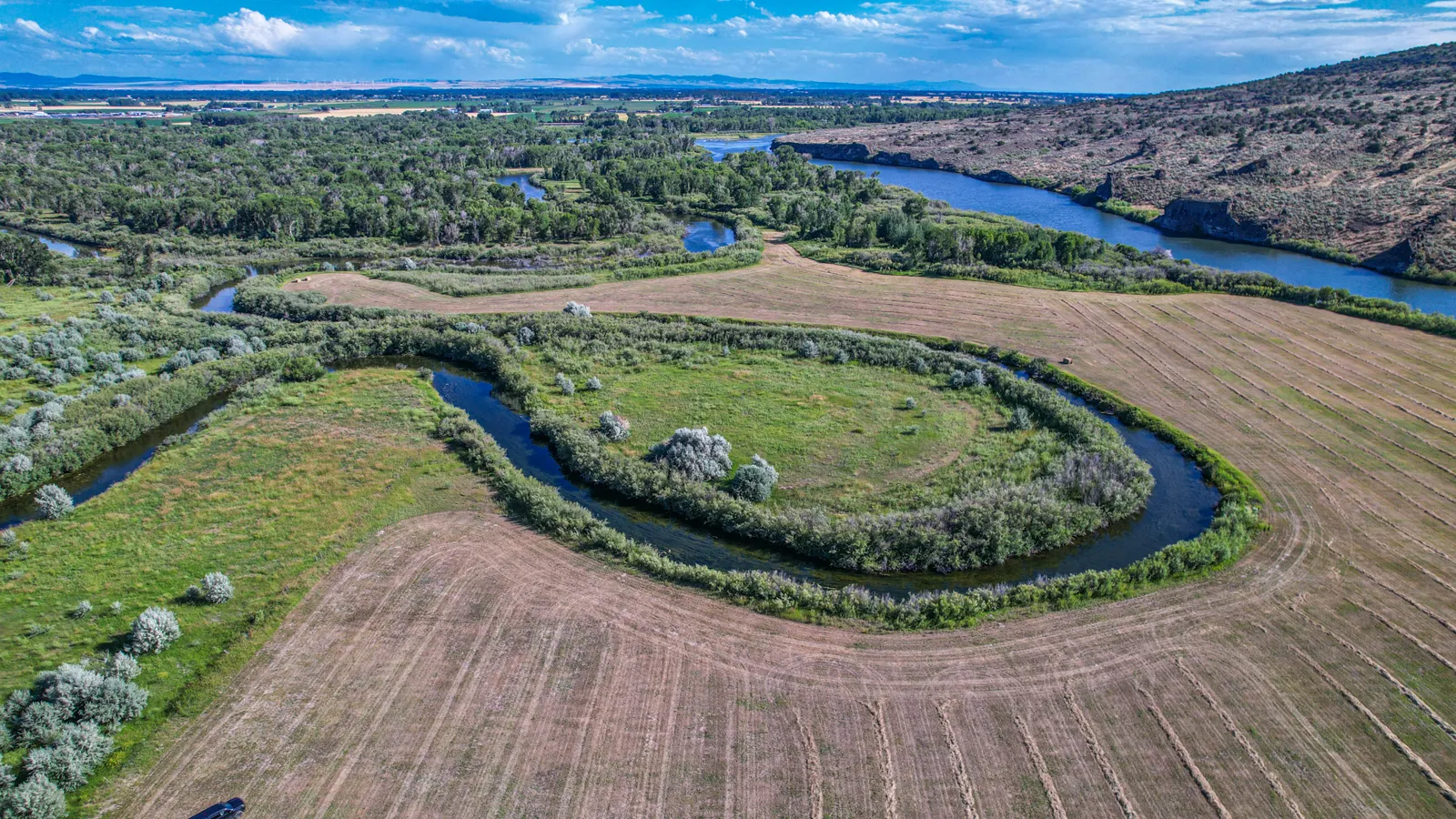
Crystal Ranch (Yellowstone River & Summer Creek)
Mountain Home, UT | 470 Acres

Current Patterns:ย Foam,ย PMDsย (rusty spinners),ย Kreelexย 

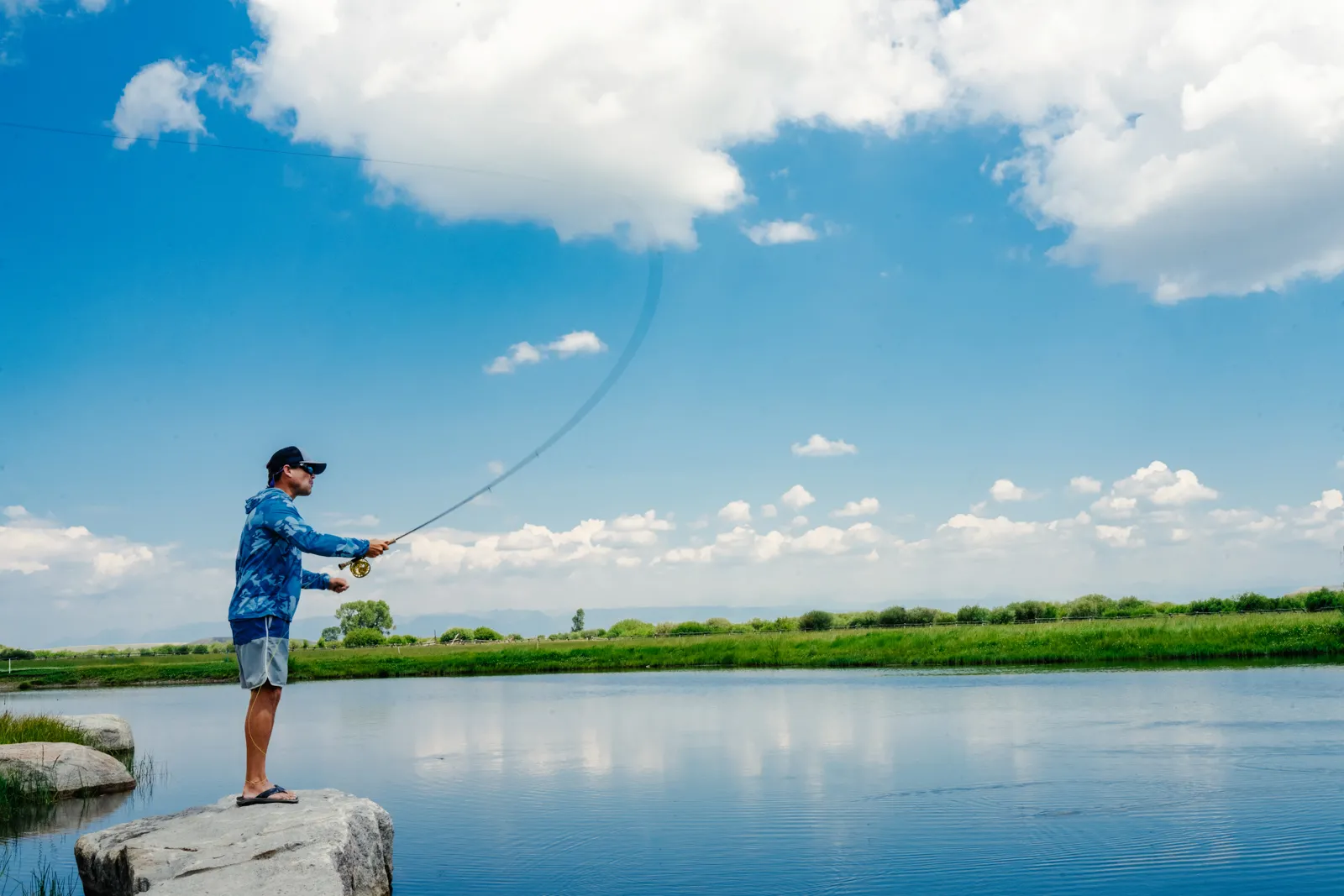
Crystal Ranch offers a fishing experience shaped by the contrast between the Yellowstone River and Summer Creek. Withย nearly threeย miles of private water, anglers can move from broad river water into a more intimate spring creek influenced fishery without leaving the property, creating opportunities for Yellowstone cutthroat, rainbow, brown, and brook trout across changing conditions and presentations.ย By late June and into July, improving waterย clarity and warming temperatures bring dependableย PMDย hatches and rusty spinner activity, creating strong dry fly opportunities across both fisheries.ย The Yellowstoneย encourages anglers to cover water and fish with more pace, while Summer Creek rewards slower presentations and careful approaches. As summer progresses into August, foam patterns, including Chubby Chernobyls, Parachute Hoppers, and Yellow Stimulators, become increasingly effective and extend surface opportunities beyond concentrated hatch periods.ย Kreelexย streamers offer a natural shift in approachย forย covering deeper water and targeting larger trout. By September, chillier mornings and stable flows create flexibility to move between dry fly fishing and subsurface techniques depending on conditions. With exceptionally clean water and enough variety to fish each stretch differently, Crystal Ranch offers a summer fishery defined by range, flexibility, and different experiencesย each day.

Explore Crystal Ranch

The American West is known for its large swaths of land preserved for public use and enjoyment, and is home to some of the most sought-after western ranches for sale. The first National Forest was created in 1891, and government activity to preserve these lands continued throughout the early 1900s. Goals of this formation were preserving public use while also maintaining the health and productivity of the land. This included timber production, wildlife habitat preservation, watershed protection, among other important focal points. At the same time, the United States government was incentivizing Americans to move out west through the Homestead Acts. There were conflicts amongst the two initiatives, leading to the 1906 Forest Homestead Act, allowing for specific parcels with agricultural value to be homesteaded within the Forest Service Boundary. Over time, those parcels became increasingly scarce. Today, these remaining landscapes are increasingly reflected in the limited supply of western ranches for sale across the United States. They also represent a unique opportunity to own property that feels both private and connected to something much larger than its boundaries.

There is a quiet paradox to wild places. The same qualities that make them less convenient are what have protected them over time. While much of the West has continued to grow and modernize, these landscapes have remained largely intact. They are shaped not by rapid development or heavy use, but by water, wildlife, and the steady rhythm of the seasons. These special properties offer a kind of presence that is difficult to replicate. A sense of space, quiet, and continuity that stands in contrast to the pace of modern life.

Why Off the Beaten Path Matters

Remoteness plays a meaningful role in preserving both the character of the land and the experience it provides. Properties that require effort to access tend to see less traffic over time. There are fewer people moving through them, fewer disruptions to wildlife, and less strain on natural resources. That absence of pressure allows the land to function more naturally and more consistently. Many of todayโ€™s most desirable western ranches for sale share this same defining trait of remoteness and ecological integrity.

In regions like the Bridger-Teton National Forest, this is especially important. Large, connected landscapes allow wildlife to move freely between seasonal habitats, and migration corridors remain intact, supporting species that rely on long-distance travel to survive. These patterns have existed for generations, and in areas where the land remains undisturbed, they continue much as they always have.

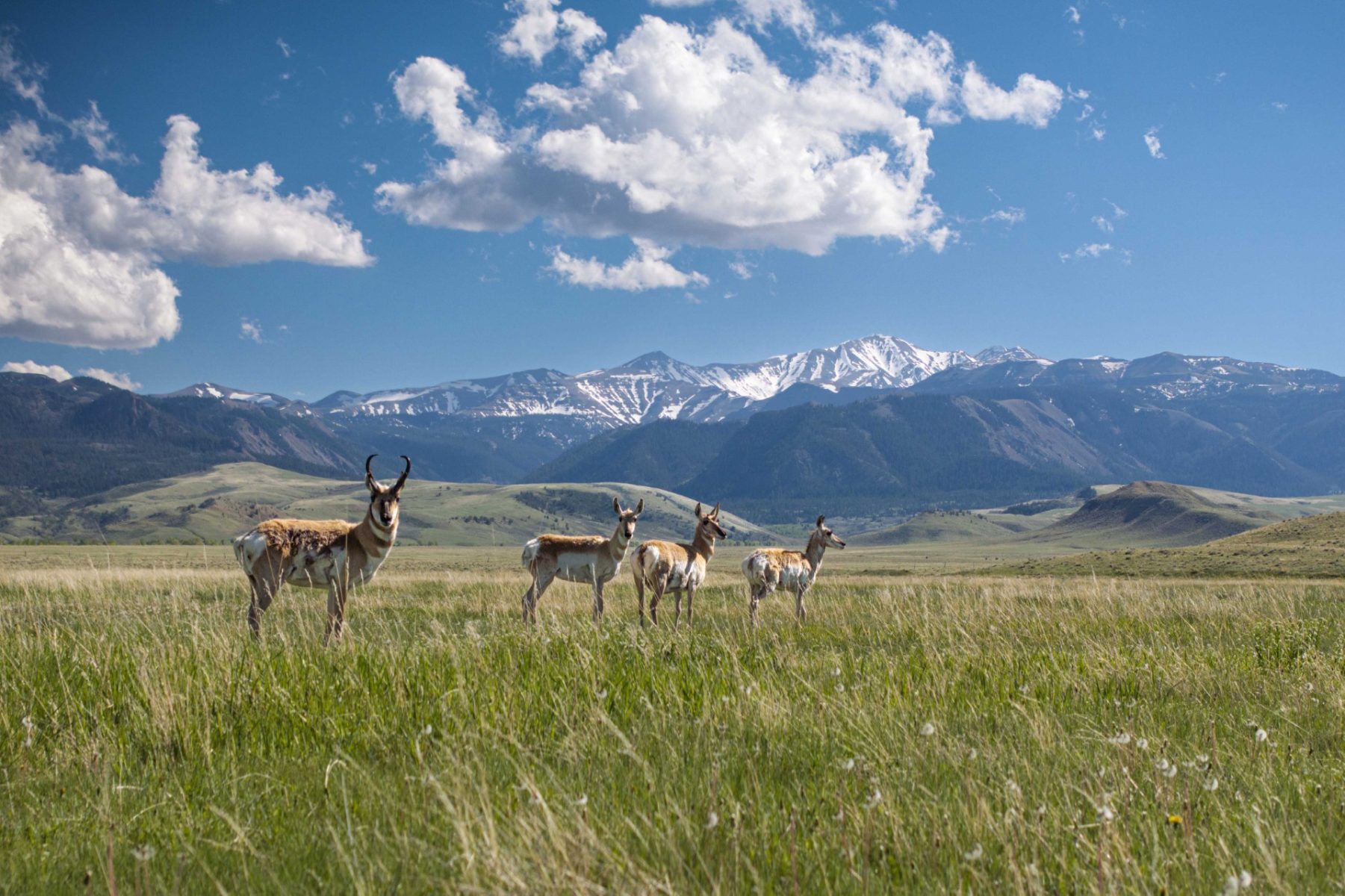
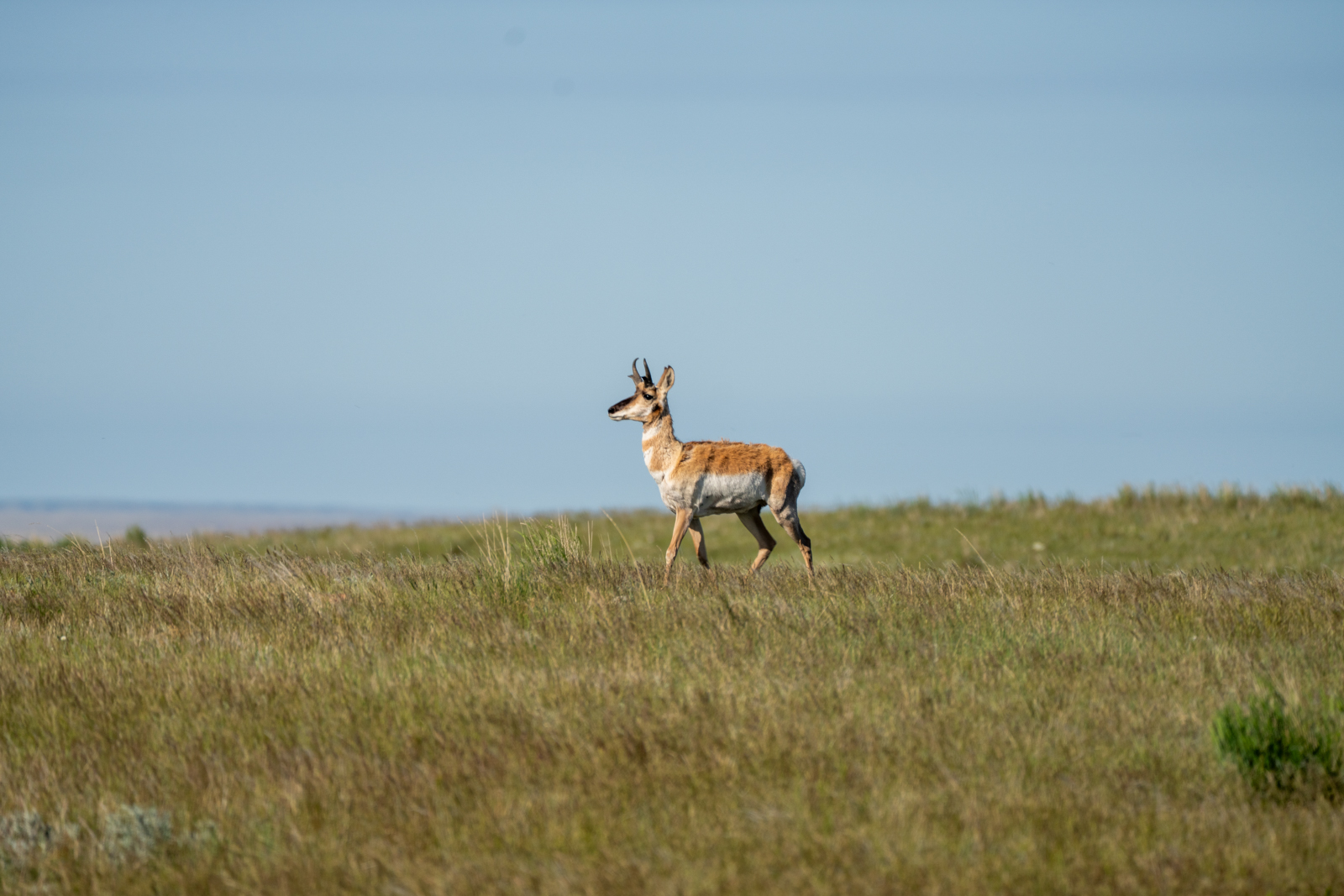
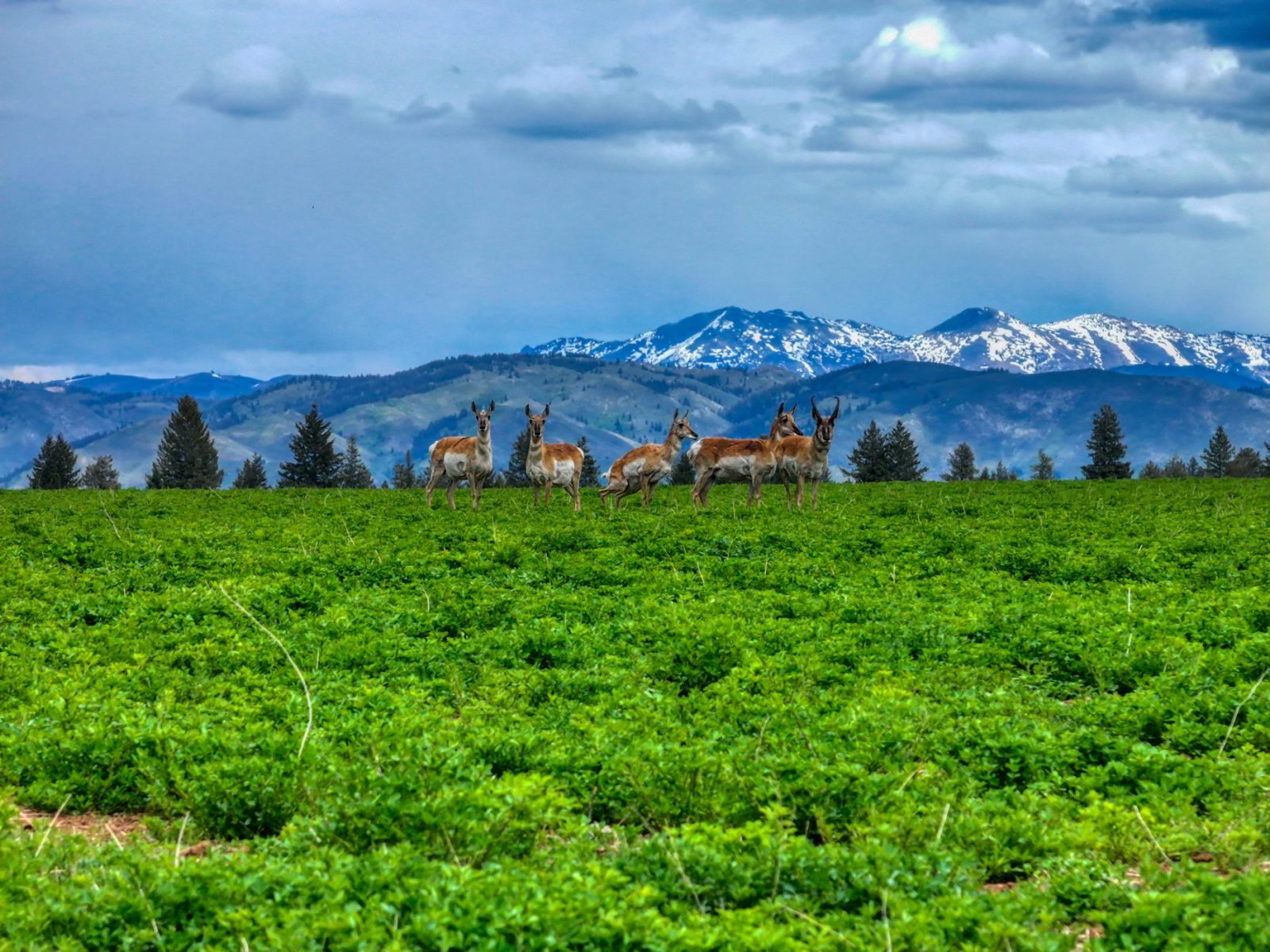
A clear example of this can be seen in western Wyoming, where one of the longest pronghorn migrations in North America moves between wintering grounds in Sublette County and summer ranges in Grand Teton National Park. Each year, pronghorn travel hundreds of miles along this corridor, passing directly through landscapes like Bull Creek Ranch in the Gros Ventre drainage.

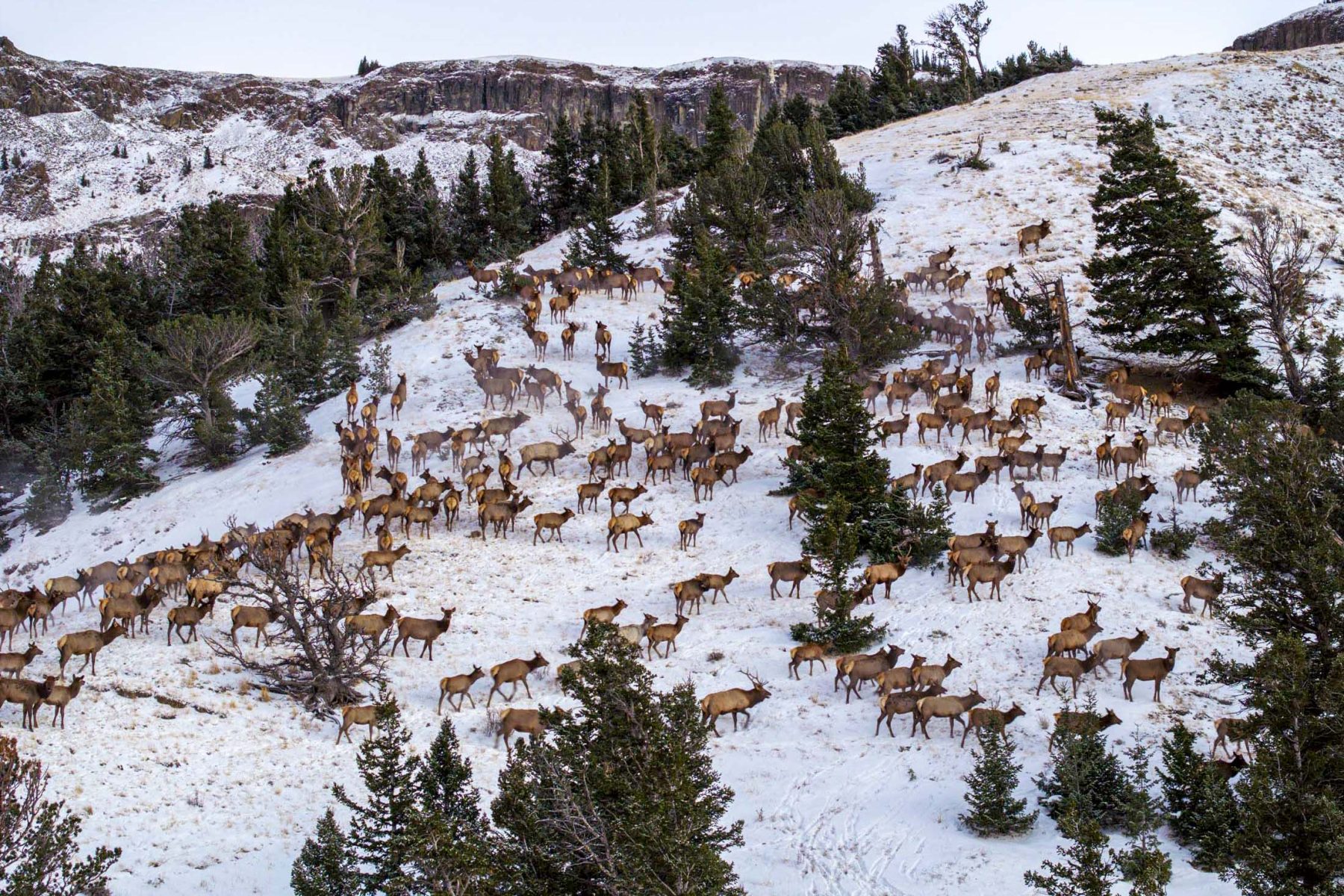
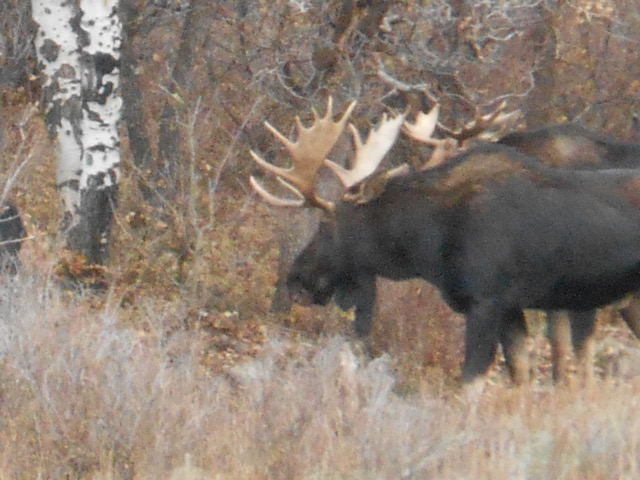
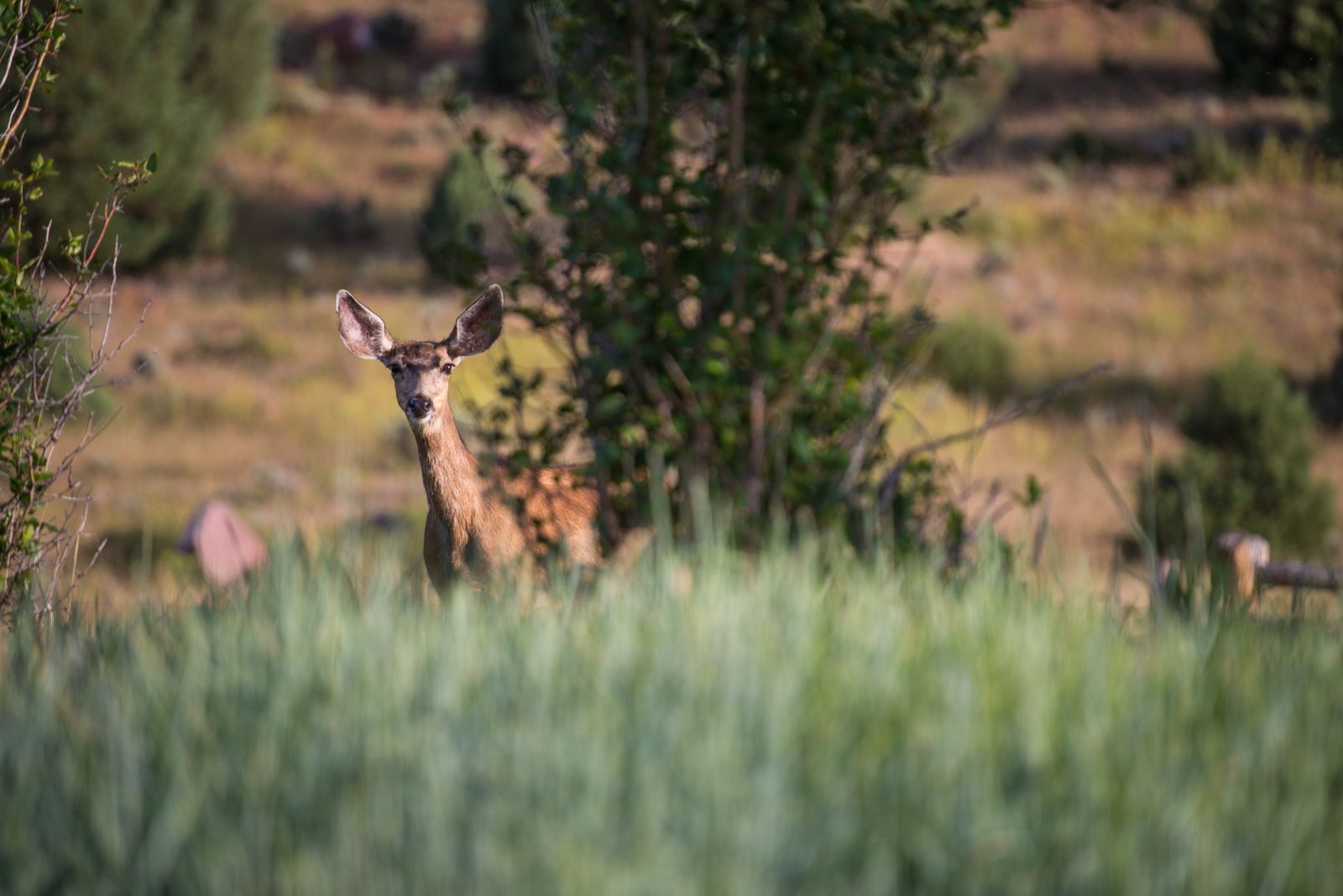
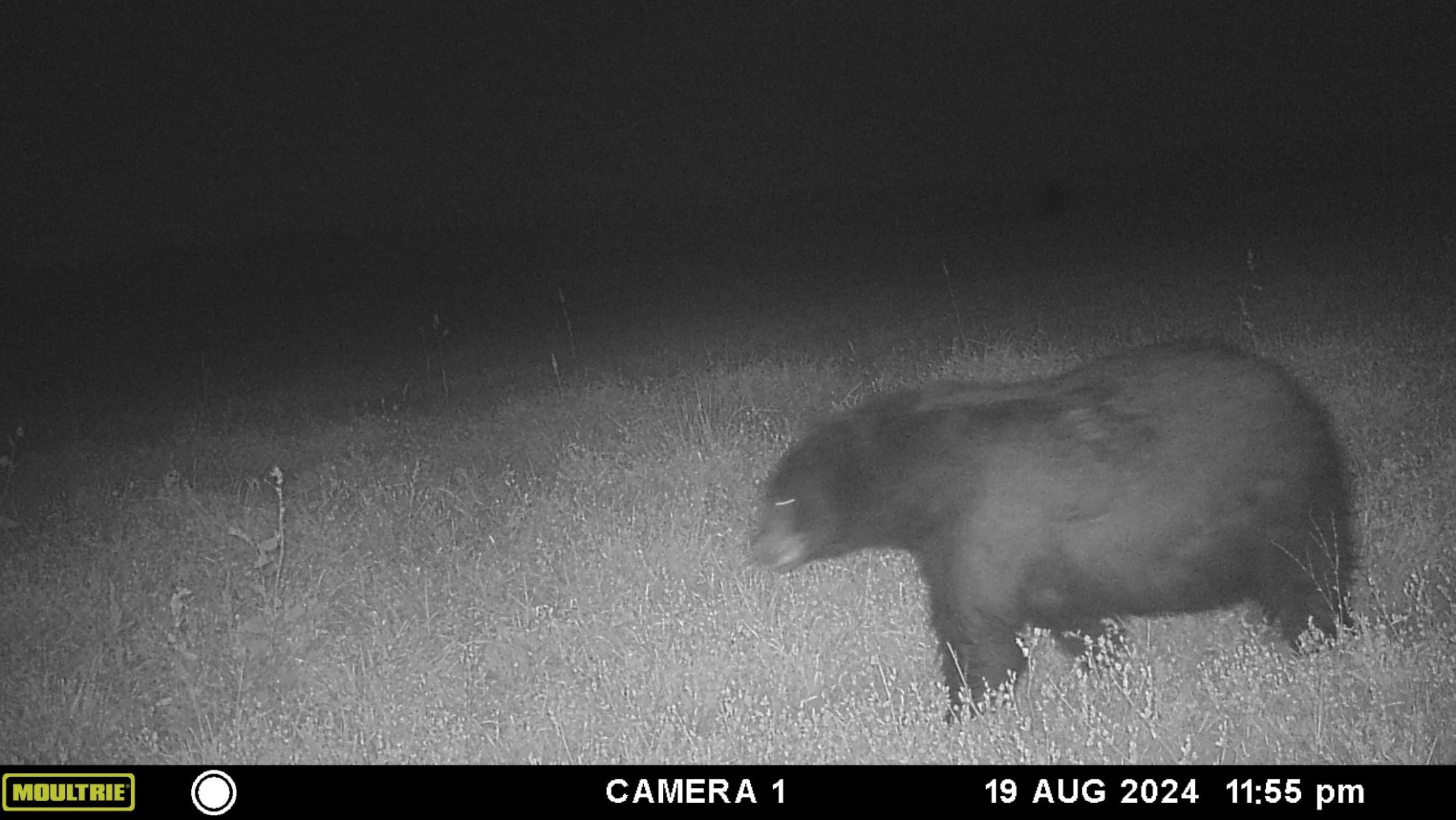
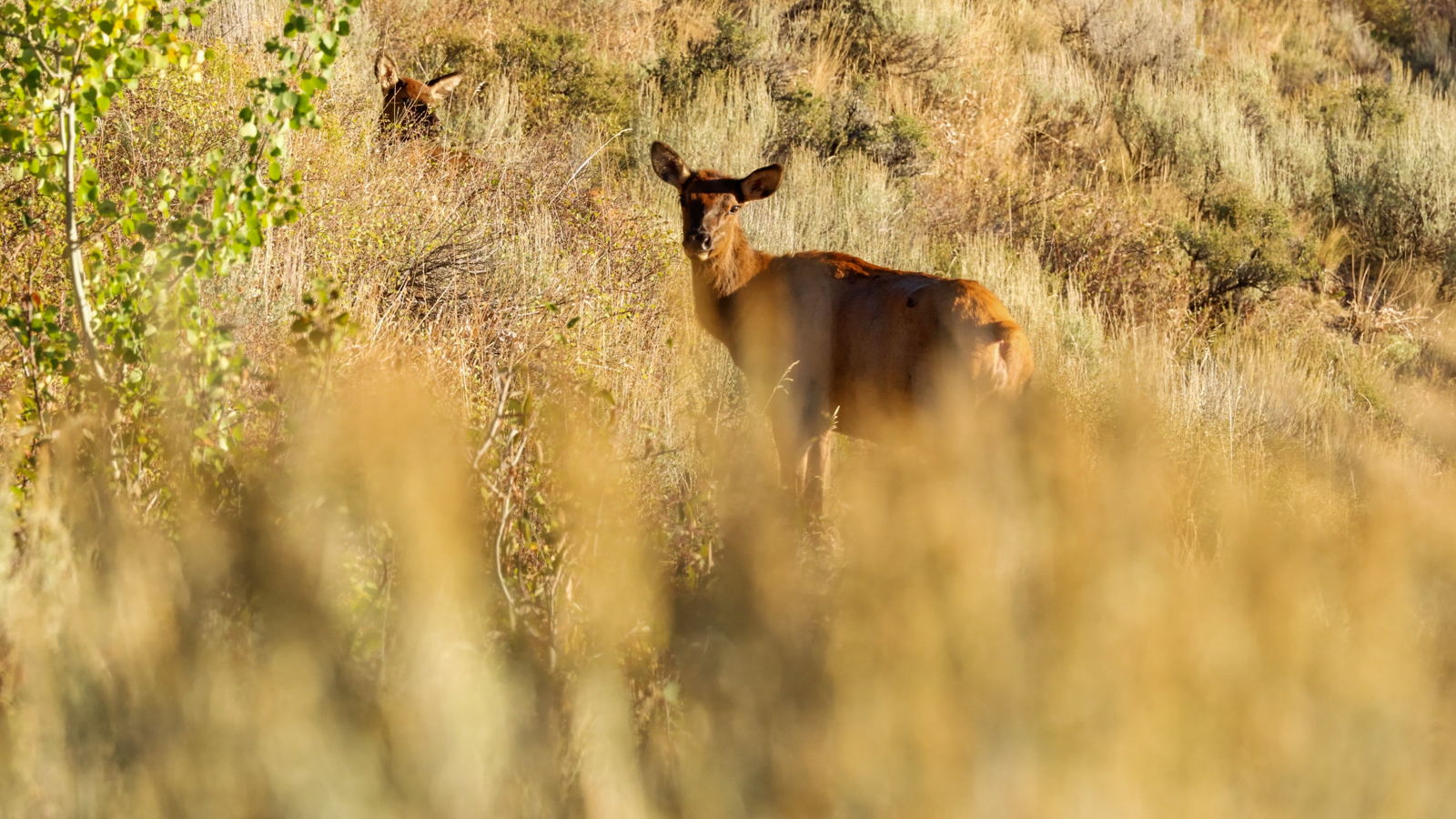
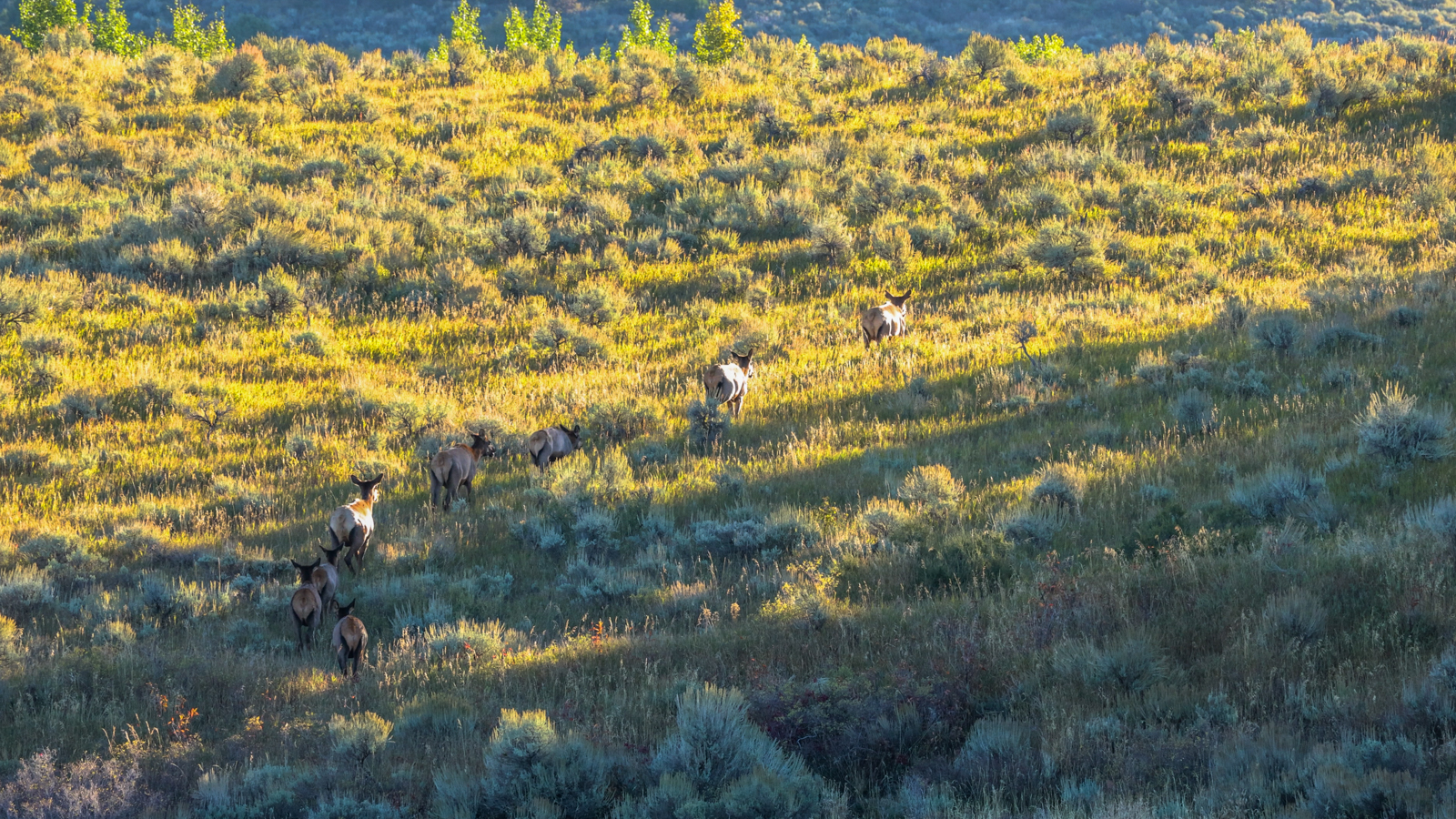
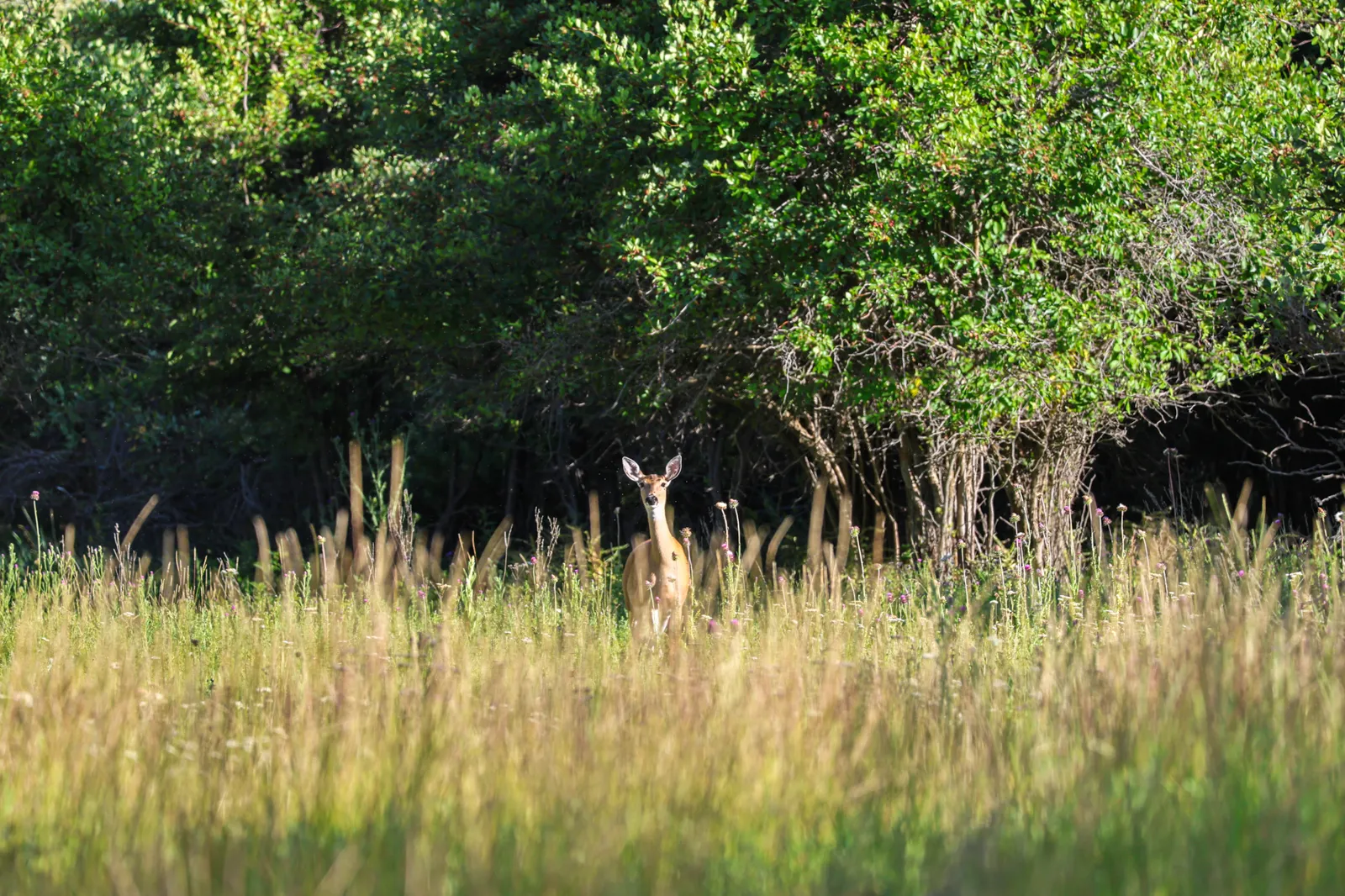
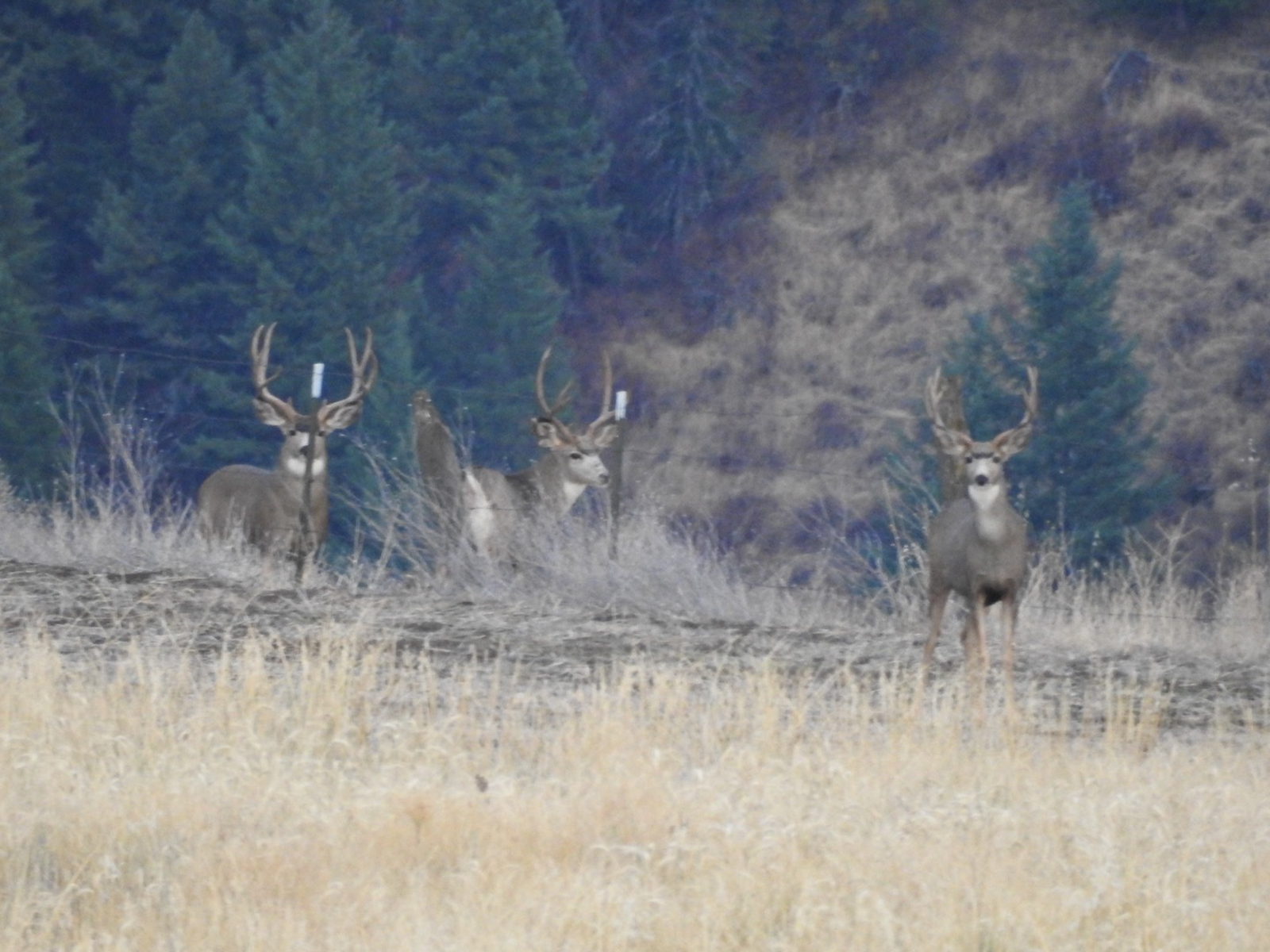
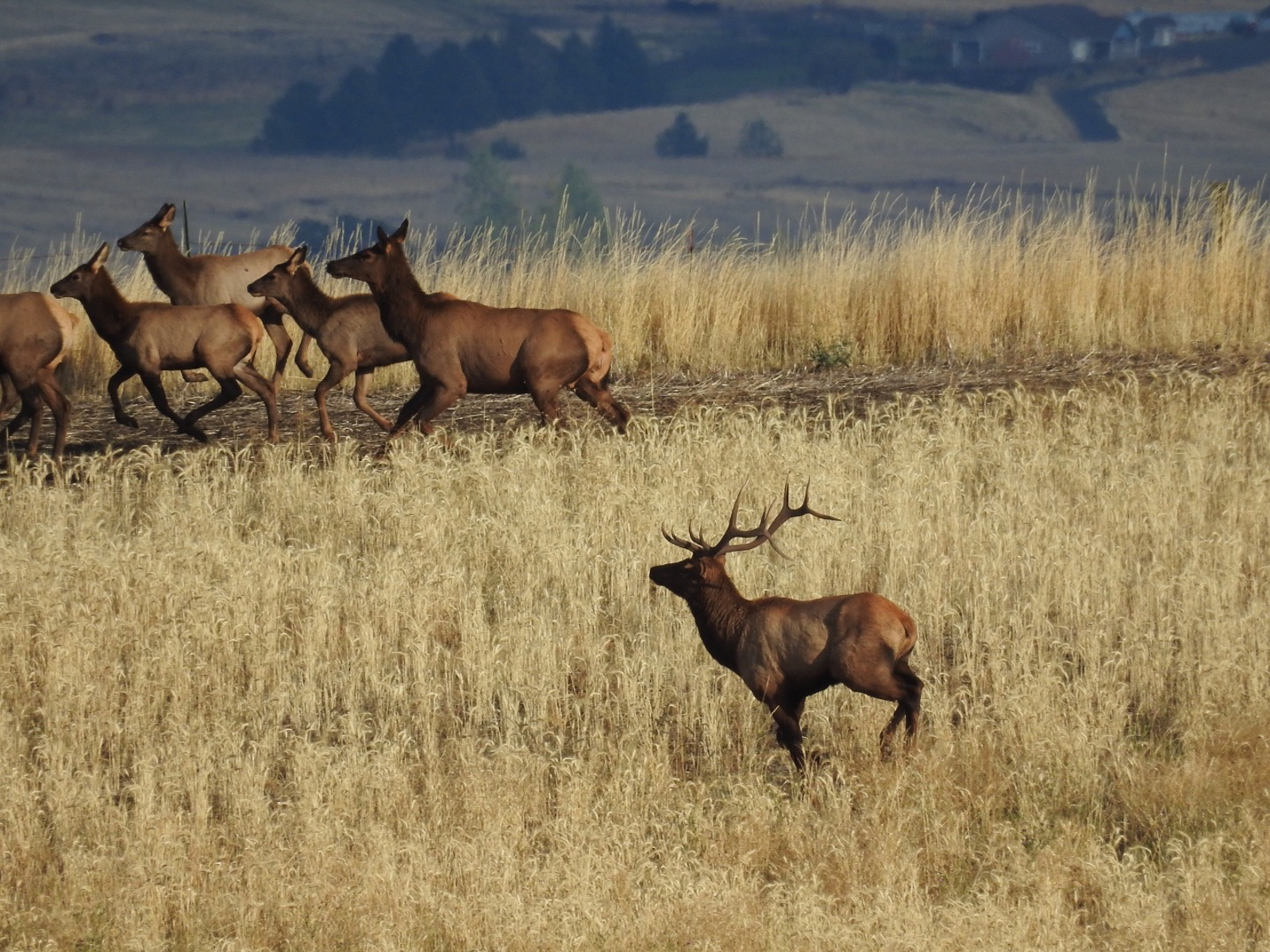
Valley floor properties, particularly those with reliable water sources, naturally become focal points within these ecosystems. At Bull Creek Ranch, moose are year-round residents, while elk and mule deer move through in predictable seasonal patterns. Predators follow these same systems, and birdlife thrives in the presence of healthy water and habitat. The experience is not occasional; it is consistent and embedded in the land itself.

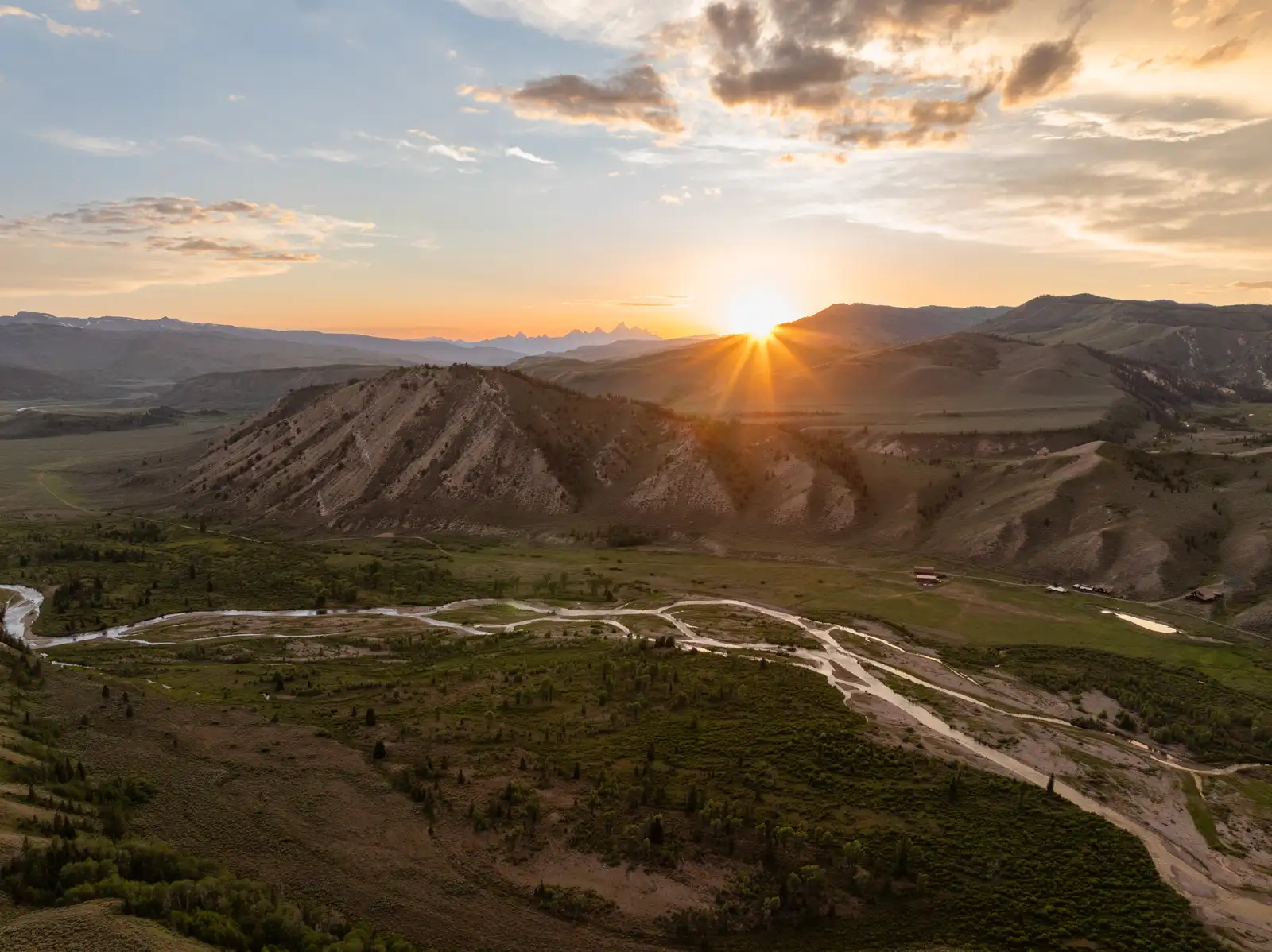
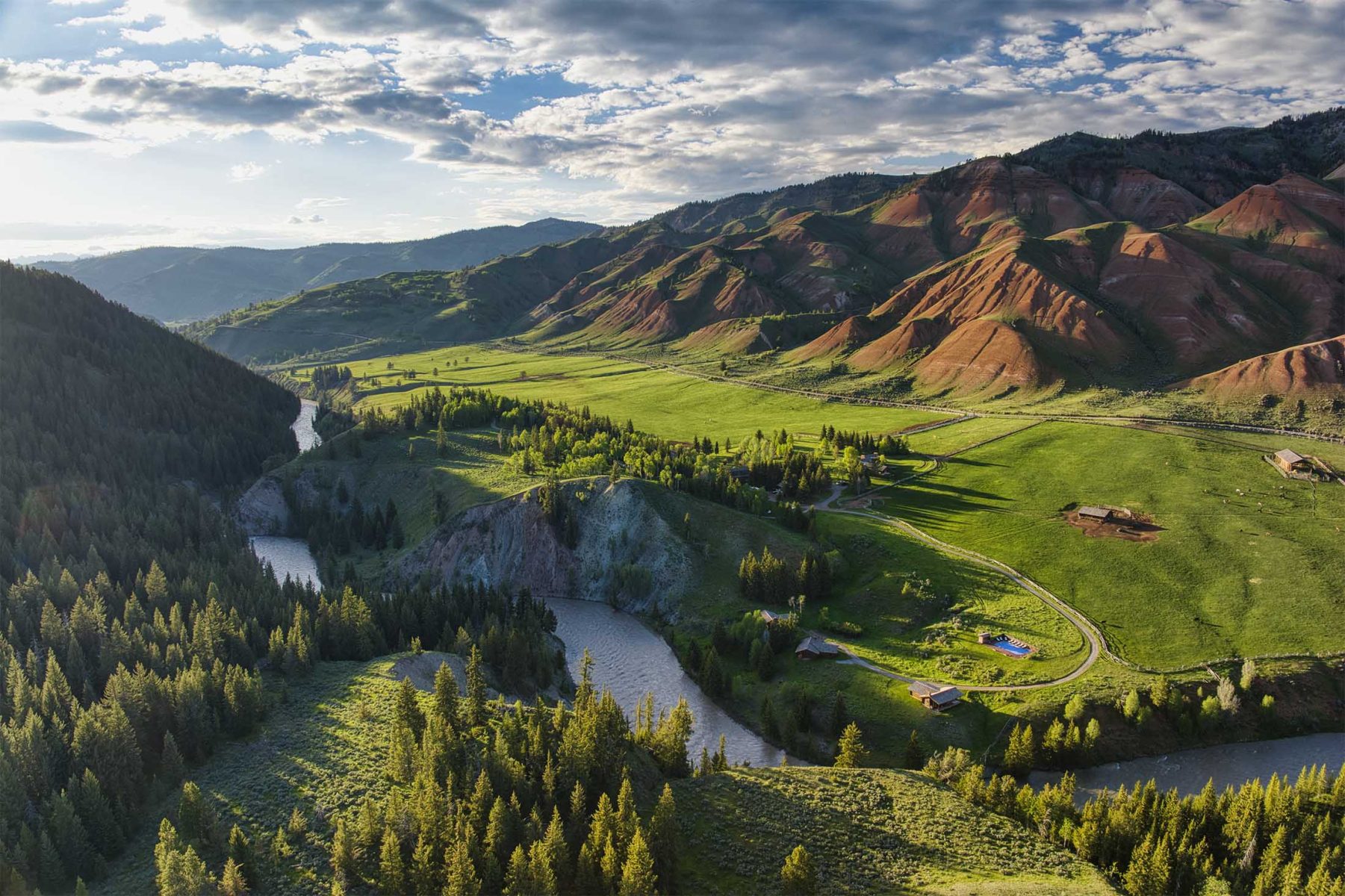
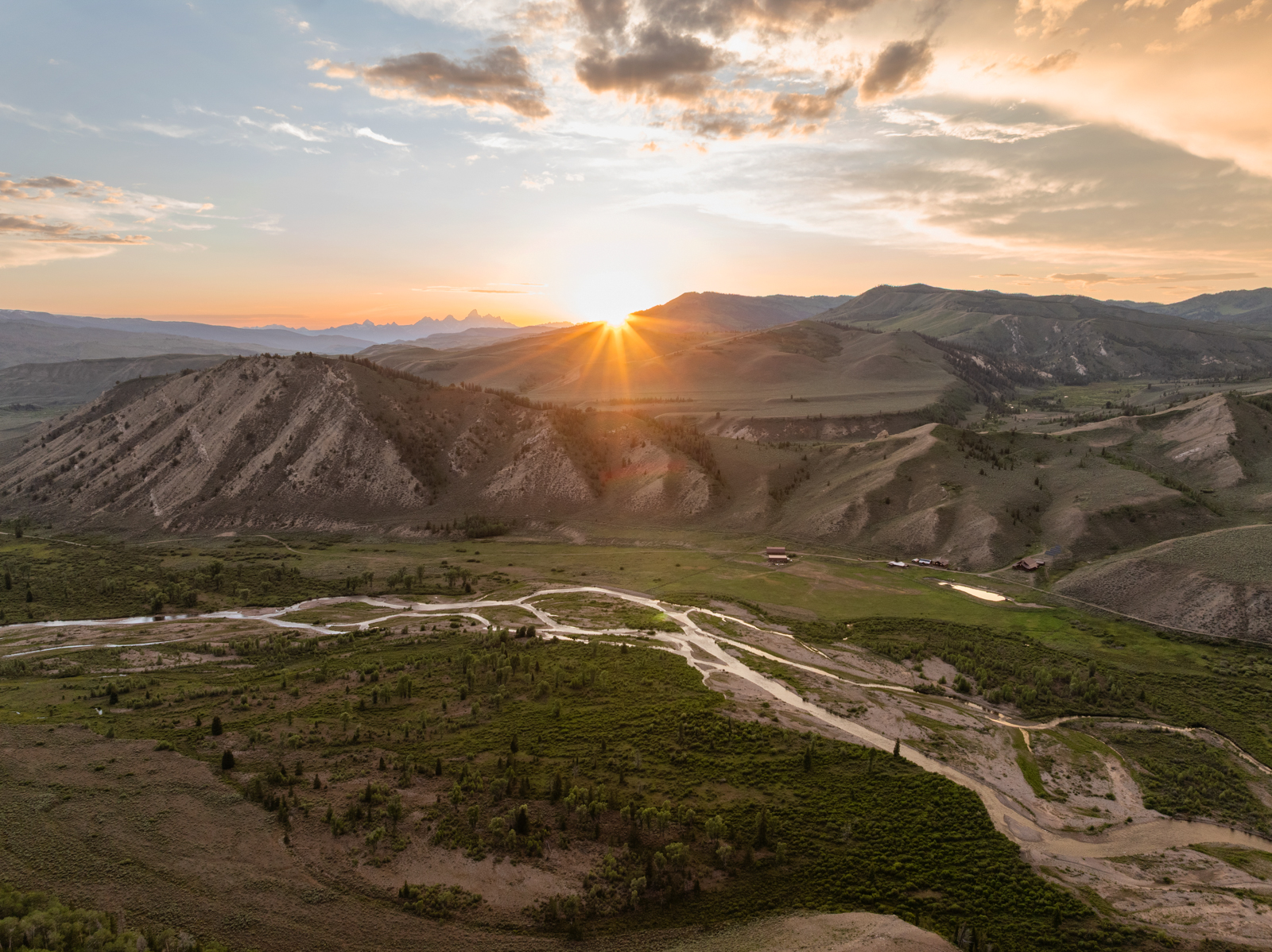
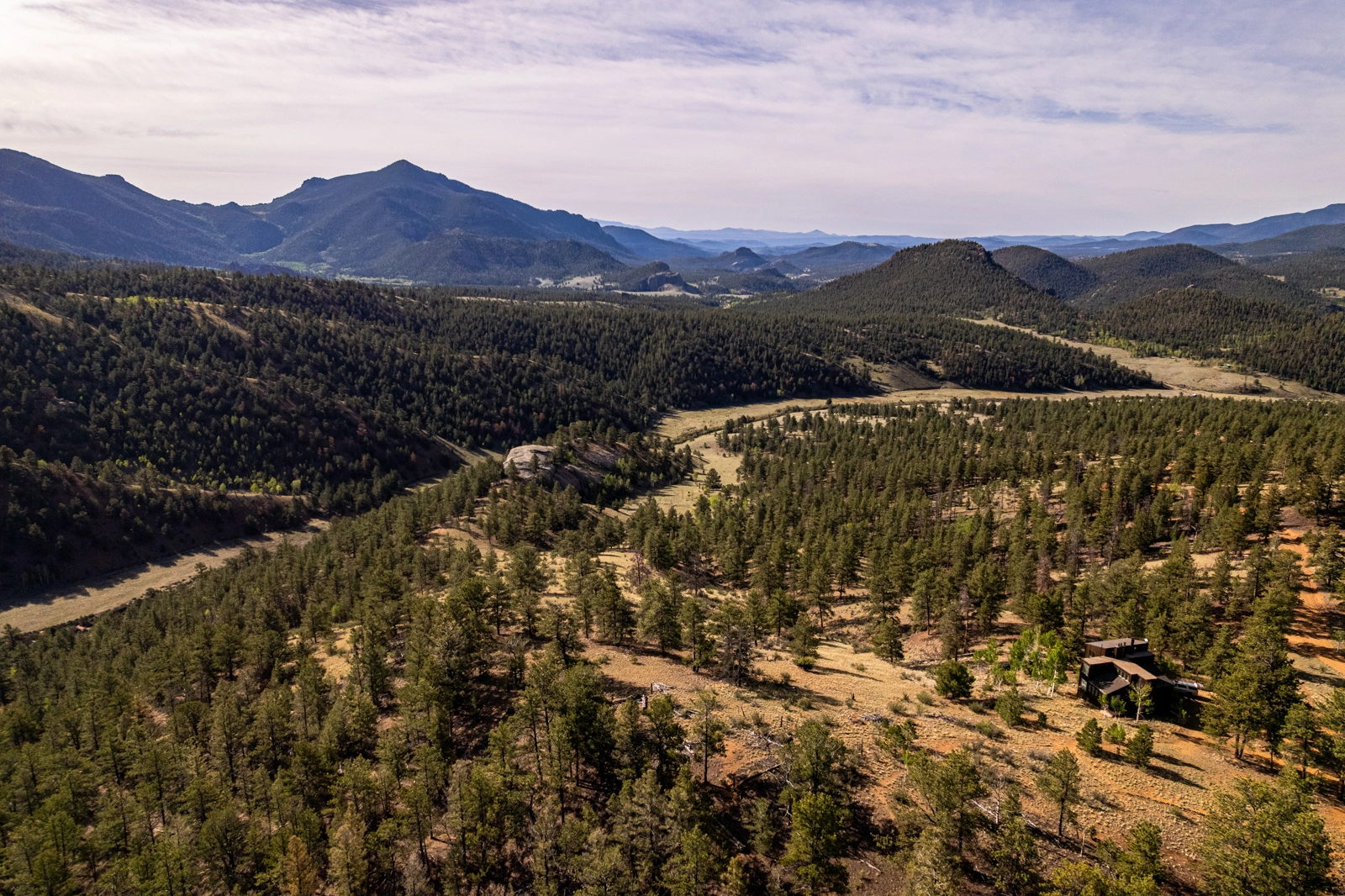
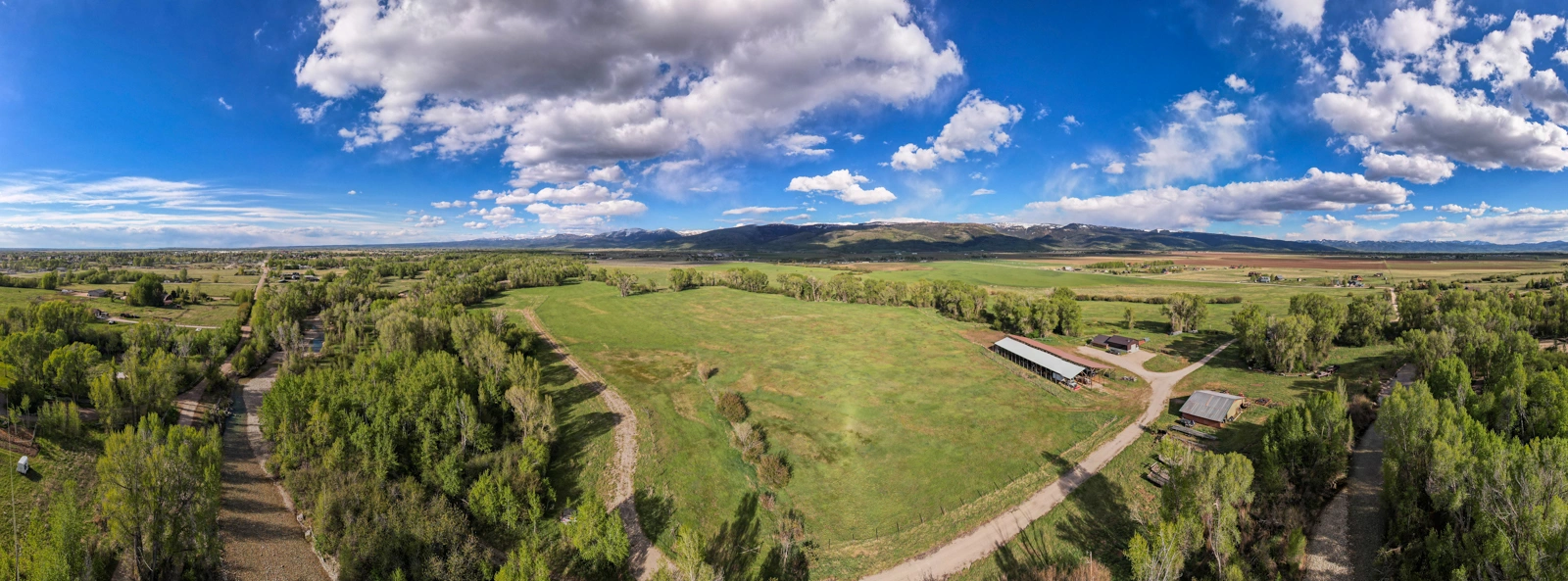
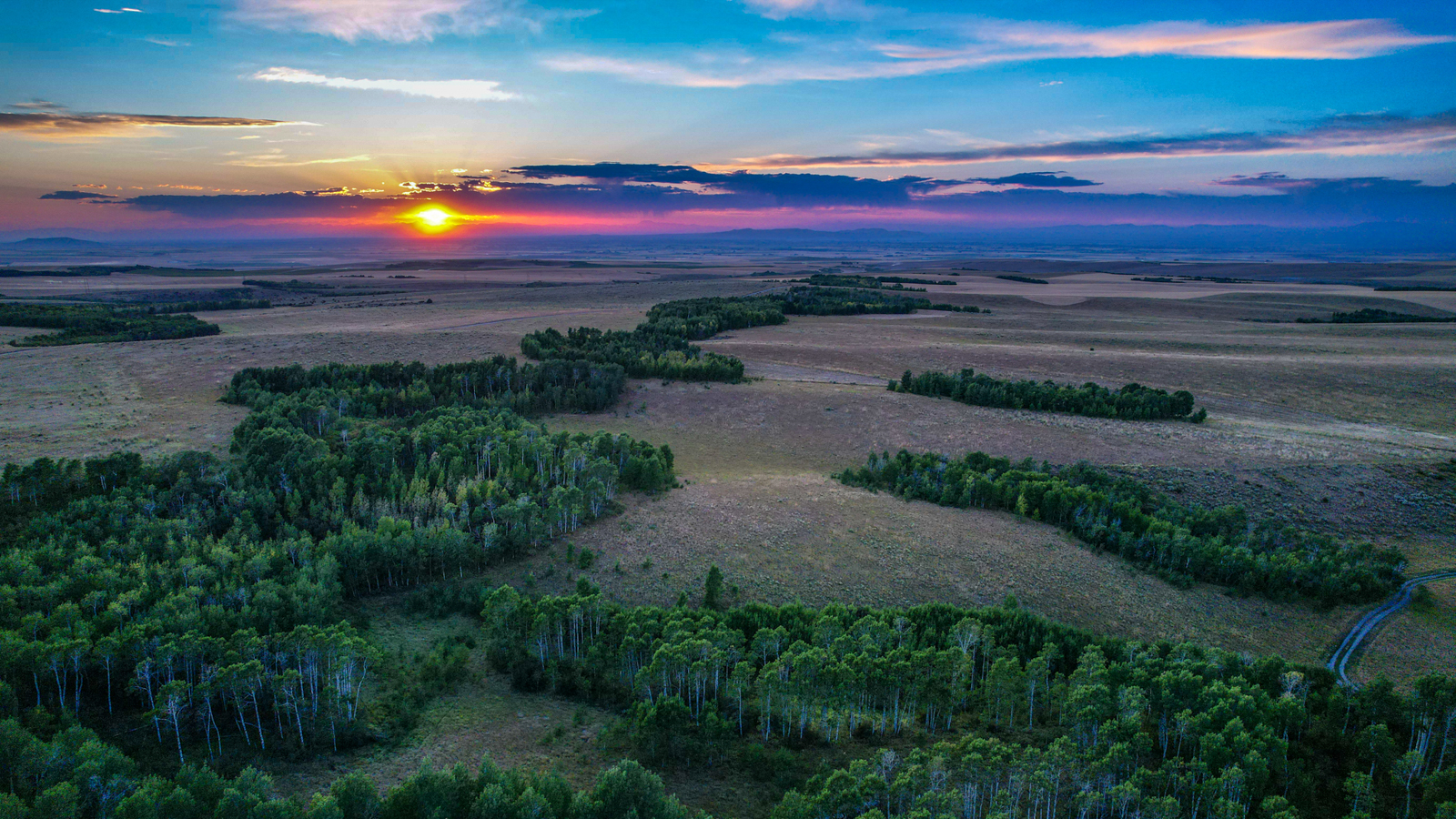
aerial view of Bull Creek Ranch at sunset
Bull Creek Ranch | Teton County, WY

For a landowner, this creates an experience that feels both dynamic and dependable. Wildlife is not something you hope to see but rather something you expect to see.

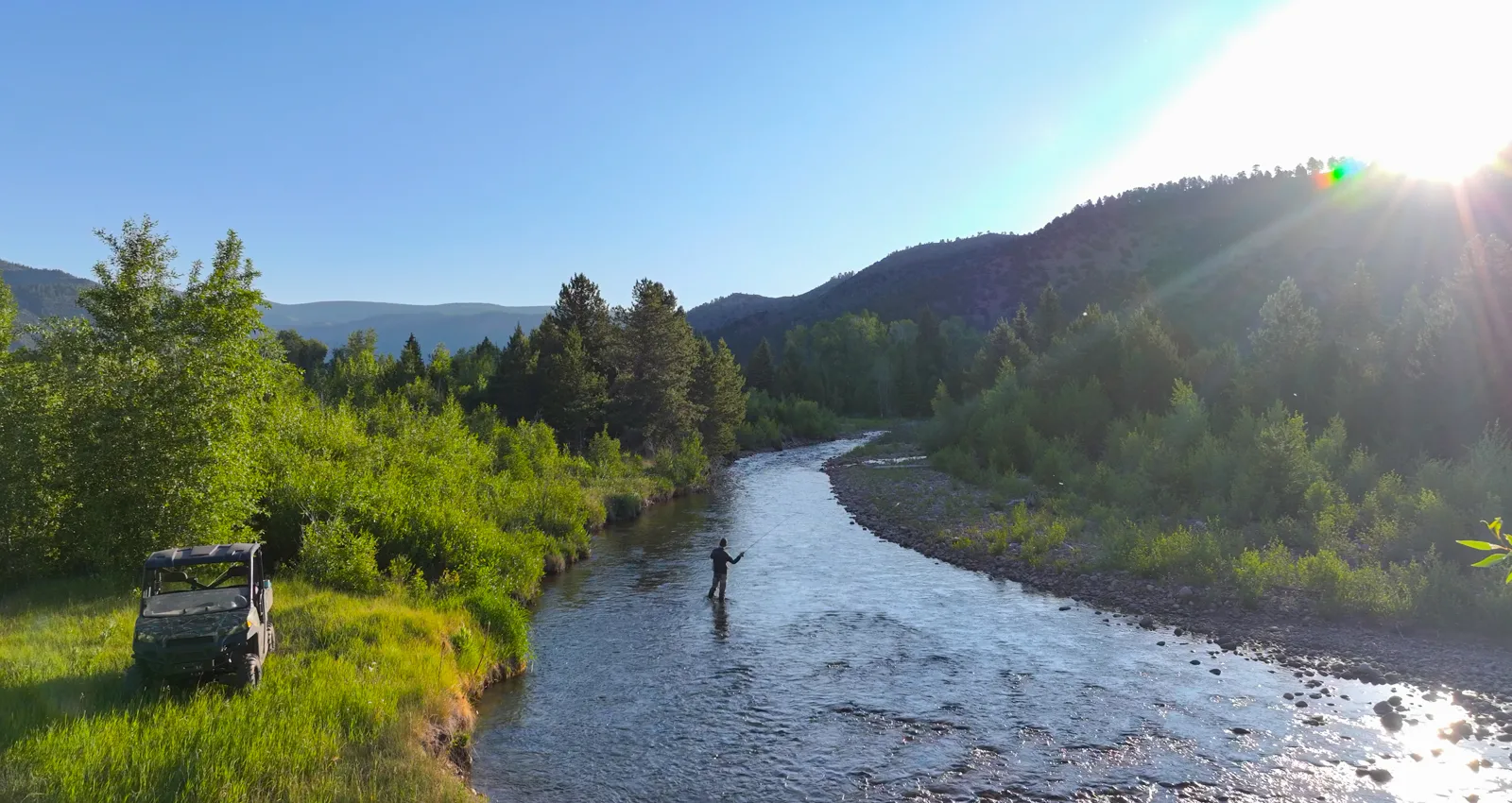
man fishing on western ranches for sale
Crystal Ranch | Fly Fishing

The same principle applies to fisheries. Remote creeks and rivers tend to remain colder, cleaner, and less pressured. Spawning cycles are left untouched, and fish populations are able to sustain themselves in a more natural way. The result is not only better fishing, but a more authentic connection to the resource.

This dynamic is clearly demonstrated at Crystal Ranch in Utah, where the Yellowstone River and Summer Creek flow through a largely undisturbed valley surrounded by national forest. Together, they provide over three miles of private fishing water supporting brown, rainbow, brook, and cutthroat trout. The combination of a freestone river and a spring creek system creates both diversity and consistency, allowing for a long fishing season and a fishery that remains resilient even during periods of drought. This is also why many of the most desirable western ranches for sale share these same characteristics of clean water, limited pressure, and intact habitat systems.

In this sense, being off the beaten path is not a limitation, but rather a form of protection that preserves the land, wildlife, and the overall quality of the experience.

The Tradeoffs of Wild Land Ownership

Owning land in these settings comes with a different set of considerations and understanding them is an important part of the process.

Access is often the first factor to evaluate. Roads may transition from pavement to gravel, and in some cases may be seasonal depending on elevation and weather conditions. Travel times to nearby communities can be longer, and winter access may require planning and the right equipment.

Infrastructure is another key element. Traditional utilities are not always available in remote locations, and developing a property may involve building independent systems for power, water, and communications. This requires a thoughtful approach, both in terms of design and long term reliability.

There can also be regulatory considerations. Properties located within or adjacent to national forest boundaries may involve coordination with agencies for permitting, access routes, or future improvements. These processes are manageable, but they require patience and an understanding of how to work within those systems.

At the same time, modern advancements have significantly changed what is possible in remote environments. Solar energy systems have become more efficient and reliable; battery storage allows for consistent power, and water systems can be designed to operate year-round. Satellite based connectivity, including services like Starlink, has made it possible to stay connected even in locations that feel far removed from everything else. As a result, the gap between remote living and modern comfort has narrowed considerably.

For many buyers, these tradeoffs are not viewed as drawbacks. They are part of what ensures that the land remains preserved. The same factors that require a bit more effort are the ones that prevent overdevelopment and maintain the integrity of the landscape.

What Experienced Landowners Understand

Buyers who are drawn to these types of properties tend to approach ownership with a different perspective. They are not simply looking for land, they are looking for a place that holds its character over time. A place defined by space, privacy, and a sense of continuity that extends beyond short term trends or market cycles.

There is also an understanding that landscapes like these are finite. This scarcity is especially evident in premium western ranches for sale that border national forest or wildlife corridors. Large, intact tracts of land connected to vast public systems are becoming extinct. As surrounding areas continue to develop, opportunities to acquire properties in wild place become more limited. Because of these scarce opportunities, ownership often carries a sense of stewardship. Maintaining healthy habitat, protecting water resources, and preserving the overall character of the land are not secondary considerations; they are part of the value itself. This mindset influences how the land is used. Improvements are made thoughtfully, and development is approached with consideration. The goal is not to change the property, but to maintain what makes it exceptional.

There is also a strong appreciation for what these places are missing. The absence of congestion, the lack of public pressure on valuable natural resources, and a soundscape defined more by the seasons than by human activity. For experienced landowners, that simplicity is not something lacking, it is something worth preserving.

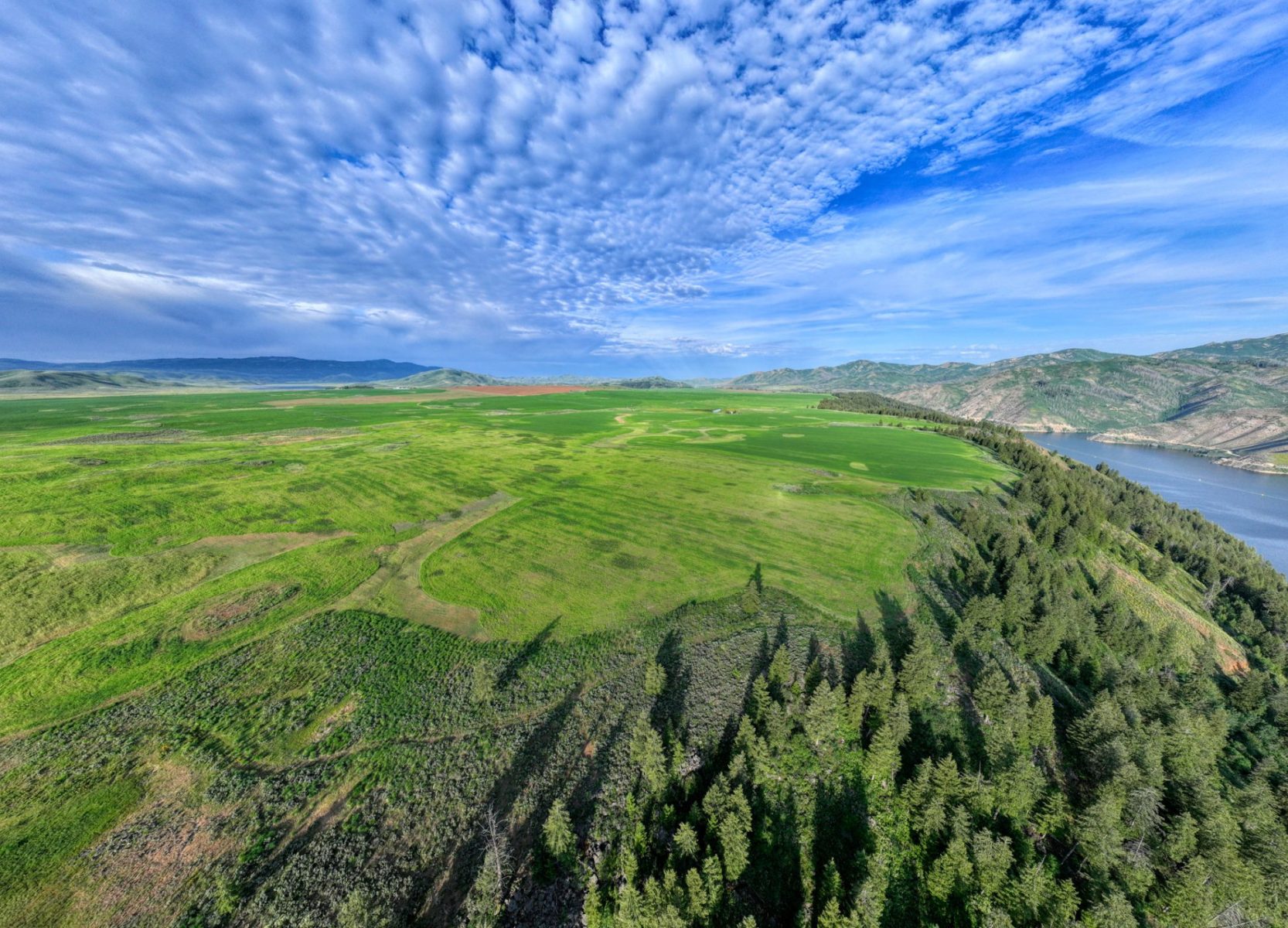
This is particularly evident on properties like Crystal Ranch in Utah, where nearly 470 acres sit surrounded by the Ashley National Forest. The scale of the surrounding landscape, combined with over three miles of private fishing on the Yellowstone River and Summer Creek, creates an environment where ownership extends beyond the deed. The experience is shaped as much by what lies beyond the boundary as what lies within it.

Crystal Ranch aerial view
Crystal Ranch | Mountain Home, UT

When the Effort Becomes the Reward

There is a distinct transition that occurs when traveling to a property like this. As the road narrows and the surroundings begin to open up, there is a noticeable shift in pace. The distractions of everyday life begin to fade, replaced by a sense of quiet and space. By the time you arrive, the effort it takes to get there no longer feels significant. It feels like part of the experience.

What follows is often difficult to describe but immediately understood. It may be the stillness of an early morning, where the only sound is water moving through a creek. It may be watching elk, deer, moose, or predators move naturally across the landscape, without urgency or interruption. Or it may simply be the feeling of being somewhere that has remained unchanged for generations.

Many of these wild places are surrounded by public land with limited access, creating a sense of scale that extends well beyond the property itself. The boundaries begin to feel less defined, and the experience becomes more expansive.

Modern comforts may be present, but they exist quietly in the background. They support the experience without shaping it. In these moments, it becomes clear that the effort required to reach the property is not separate from its value, but part of what creates it.

Wild Places on the Market

barn and lake on western ranches for sale
Bull Creek Ranch | Fly Fishing

The characteristics that define these properties can be seen across select ranches in the West. Examples of todayโ€™s most compelling western ranches for sale can be found in properties like Bull Creek Ranch in Wyoming and Crystal Ranch in Utah. Nestled deep within Wyomingโ€™s Gros Ventre Mountain Range, Bull Creek Ranch sits within one of the most active wildlife corridors in the region. Pronghorn move through these landscapes each year as part of a documented migration stretching from the Red Desert to Grand Teton National Park, while moose remain on the property year-round. Elk, mule deer, and predators pass through seasonally, following patterns that have remained unchanged for generations.

The setting is often compared to the famed Lamar Valley of Yellowstone National Park. Not for its proximity, but for its density and diversity of wildlife, and the feeling of being immersed in a fully functioning ecosystem.

Water plays a central role in these environments. Clean, cold creeks provide the conditions necessary to support native trout populations, allowing for natural spawning and long-term sustainability. Fish Creek, which flows through Bull Creek Ranch, is a defining feature of the property, offering private frontage and direct connection to a larger watershed system. Each year, native cutthroat trout move upstream in search of its clear, cold water, reinforcing the ecological importance of these intact riparian corridors.

In Utah, properties such as Crystal Ranch reflect a similar dynamic, though expressed through a different landscape. Located beneath the Uinta Mountains and nearly surrounded by national forest, Crystal Ranch offers over three miles of private fishing on the Yellowstone River and Summer Creek. These waters support four species of trout and provide a long, diverse fishing season rarely found in a single property.

Equally notable is the balance between seclusion and accessibility. While the ranch feels remote and protected, it remains within reach of communities like Heber City and Park City, offering a combination of privacy, scale, and usability.

Together, these properties illustrate a broader truth. The most compelling ranches are not defined by a single attribute, but by how all elements of the landscape work together. Water, wildlife, topography, and location combine to create something that is both functional and enduring.

The Value of Places That Remain Wild

As the American West continues to evolve, truly wild landscapes are becoming more difficult to find. Development expands, access improves, and areas that were once considered remote become increasingly connected. In that context, properties that remain off the beaten path stand apart. Their value is not defined by convenience or proximity, but by preservation and the ability to experience land that still functions as it always has, shaped by natural systems rather than external pressures. They require more intention, and at times more effort. But that is exactly what protects them. Properties like Bull Creek Ranch and Crystal Ranch demonstrate that these opportunities still exist, but they are increasingly limited, and often overlooked by those prioritizing convenience over character. This is what continues to drive demand for western ranches for sale across the American West. For those who understand what these places offer, the value is clear. Not just in ownership, but in the experience itself. Because in the end, the landscapes that remain just out of reach are often the ones that endure, and the ones that matter most.

Explore Western Ranches for Sale

The most compelling western landscapes are not defined by convenienceโ€”they are defined by character, water, wildlife, and time. These are places where land functions as it always has, shaped by natural systems rather than pressure or development.

If you are considering the purchase or sale of western ranches for sale, our team specializes in representing legacy properties across the American West with a focus on stewardship, privacy, and long-term value. We work with buyers and sellers who understand that these properties are not just real estateโ€”they are enduring assets tied to land, water, and generational opportunity.

Connect with Live Water Properties to explore available listings or discuss the unique qualities of your property.

Benchmark Sale of Antlers Ranch Sets New Standard for Wyoming Legacy Ranch Transactions

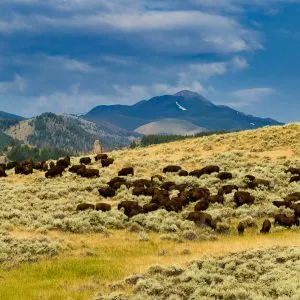
Bison operation on Antlers Ranch in Wyoming
Antlers Ranch, Bison Operation

Antlers Ranch, one of the American Westโ€™s most significant legacy ranches, has successfully closed in a private transaction, marking a benchmark sale for Wyoming ranch properties. The transaction represents the largest sale in Live Water Propertiesโ€™ history and a milestone moment for the firm and the brokerage team that brought the deal to completion. The buyer and purchase price were not disclosed.

The transaction is widely regarded within the industry as a benchmark for legacy ranch sales in Wyoming, both in scale and execution.

The sale reflects the continued strength of the market for premier legacy ranch assets and highlights the role experienced representation plays in unlocking value for multigenerational landowners. Antlers Ranch in Wyoming has transitioned to its next steward, who plans to maintain the ranchโ€™s agricultural operations and long-term vision while preserving the landโ€™s character, scale, and role within the surrounding landscape.

For Live Water Properties, the transaction affirms the firmโ€™s position as a national leader in the brokerage of legacy ranches and landholdings where scale, history, conservation value, and operational complexity intersect.

The marketing campaign for Antlers Ranch reached a global audience of qualified buyers and advisors, generating exceptional international engagement across digital, media, and private channels. By leading with story and stewardship, the Live Water team filtered broad interest down to a precise match, resulting in a successful transition to the right next steward.

The listing was represented by three of Live Water Propertiesโ€™ top agents specializing in legacy ranch assets: Toby Griffith, Matt MacMillan, and Latham Jenkins. Together, their complementary disciplines, deep land expertise, and national reach created a precise match for a ranch of Antlersโ€™ caliber and complexity.

โ€œIโ€™ve known this ranch and this country for more than 30 years,โ€ said Toby Griffith. โ€œWalking it, riding it, hunting it, fishing it, and watching it change through the seasons gave this assignment deep personal meaning. Opportunities like Antlers come along once in a career, if ever, and honoring the land and the May familyโ€™s legacy mattered at every step.โ€

โ€œIf weโ€™re fortunate, weโ€™re invited to represent landscapes of such quality that telling their story is a privilege,โ€ said Matt MacMillan. โ€œAntlers is far more than river miles, trophy elk, and big views. Itโ€™s the feeling of standing on the Wood River and looking up the valley toward Francs Peak. Representing one of the finest landscapes in the West was a true honor, and weโ€™re grateful to the May family for their trust.โ€

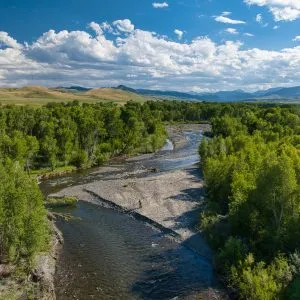
aerial view of Antlers Ranch in Wyoming
Antlers Ranch, Fly Fishing

Latham Jenkins added, โ€œThe opportunity to represent a ranch like Antlers is a privilege. We approached this assignment with deep reverence for the land, its history, and the responsibility that comes with stewarding a transaction of this significance. This was about honoring the past while positioning the property properly for its next chapter.โ€

The May family, which has stewarded Antlers Ranch in Wyoming since 1895, credited the Live Water teamโ€™s execution in achieving the outcome.

โ€œMatt, Latham, and Toby did a first-class job representing our ranch and generating the return we expected on a piece of Wyoming that has been in our family for five generations,โ€ said Sam May, who represented his family in the transaction. โ€œTheir understanding of the land, the market, and how to properly position a ranch of this importance made all the difference.โ€

About Antlers Ranch

Offered to the market for the first time in five generations, Antlers Ranch in Wyoming is a turn-key working ranch and wildlife sanctuary located in Park County near Meeteetse, Wyoming. With 16,532 deeded acres, control of more than 40,000 acres, approximately 2,000 feet of elevation change, and 18 miles of private rivers and creeks, Antlers Ranch functions as both a productive agricultural operation and a vital wildlife landscape within the Greater Yellowstone Ecosystem, often described as a private โ€œLittle Yellowstone.โ€

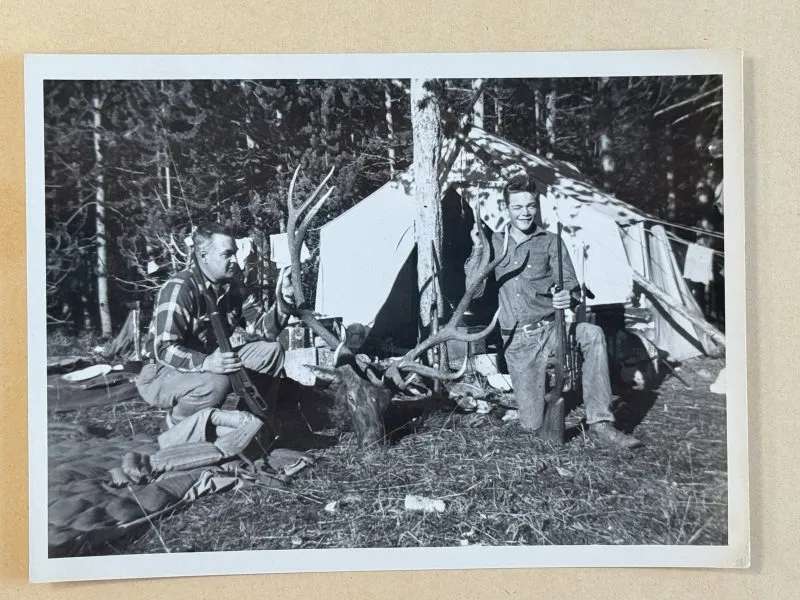
old photo of two hunters at Elk Camp at Antlers Ranch in Wyoming
Antlers Ranch, Elk Camp

About Live Water Properties

Live Water Properties is a ranch and land brokerage company specializing in premier fly fishing, hunting, ranching, recreational, and conservation land. With billions of dollars in closed transactions, the firm is uniquely qualified to assist in all aspects of ranch ownership. Live Water Properties operates nationwide with brokers across the Rocky Mountain West, Pacific Northwest, Northern Plains, Texas, and the Southeastern United States.

Explore Similar Legacy Ranches for Sale

The successful sale of Antlers Ranch underscores the continued demand for large-scale, legacy ranches in Wyoming and across the West. While landmark properties like Antlers are rarely available, opportunities with similar character, scale, and stewardship value do come to market.

If youโ€™re interested in exploring available ranches for sale with comparable qualities – river access, wildlife habitat, and long-term legacy potential – Live Water Properties represents some of the most exceptional offerings in the American West.

Connect with our team to discover current opportunities.

Celebrating 25th Anniversary for Live Water Properties

Following Record-Breaking Year for Our Expert Ranch Brokers

A Quarter Century of Ranch & Land Brokerage Defined by Preservation, Sales Performance, and Legacy

In 2001, Live Water Properties was founded with a clear and focused mission: to represent exceptional ranch and land properties while honoring the stewardship, heritage, and legacy they embody as leading ranch brokers.

Twenty-five years later, that founding vision remains unchanged. As experienced ranch brokers, Live Water Properties continues to define excellence in land brokerage.

As Live Water Properties enters its 26th year in business in 2026, the firm is poised for record momentum following its most successful year in history. In 2025 alone, Live Water represented $529.621 million in closed and pending transactions at last asking price. Since its inception, the firm has surpassed $4+ billion in closed sales nationwide.

These numbers tell a story of scale. However, behind them lies something far more enduring: trust, stewardship, and a disciplined approach to ranch and land brokerage that has defined Live Water Properties for a quarter century.

Record-Breaking Performance in 2025

The year 2025 marked a historic milestone for Live Water Properties.

Across legacy working cattle ranches, income-producing agricultural operations, premier fly-fishing properties, conservation landscapes, and multigenerational family compounds, the firm achieved record-breaking transaction volume while maintaining its relationship-driven, high-integrity approach as trusted ranch brokers.

2025 By the Numbers:

  • $529.621 million closed and pending at last asking price
John Merritt, Partner & COO of Live Water ranch brokers
John Merritt, Partner & COO

Approximately 50,000 acres sold 34 Sellers represented 48 Buyers represented

These transactions reflect more than market strength. They demonstrate national reach, deep Buyer relationships, and an evolving understanding of how ranch real estate brokerage must operate in todayโ€™s environment.

โ€œOur record year in 2025 reflects both the strength of the land market and the trust our clients place in our team,โ€ said John Merritt, COO & Partner. โ€œThese properties represent far more than acreage; they represent legacy, stewardship, and long-term vision. Itโ€™s a responsibility we take seriously.โ€

The scale of 2025 was not accidental. It was the result of 25 years of accumulated expertise, refined marketing strategy, and a growing national network of qualified Buyers seeking legacy investments.

Preserve & Enhance: The Principle Behind Every Transaction

At the core of Live Water Propertiesโ€™ approach is a philosophy that has guided the firm since its founding:

Preserve & Enhance.

Ranch and land brokerage requires far more than listing property and negotiating price. Each ranch carries unique operational, ecological, and historical dimensions. Water rights, grazing capacity, wildlife habitat, conservation easements, mineral interests, fisheries management, and generational planning all influence value and long-term viability.

Macye Maher, Owner & CFO of Live Water ranch brokers
Macye Maher, Owner & CFO

Preservation means understanding what makes a property irreplaceable. It means protecting productive agricultural ground, ensuring wildlife corridors remain intact, recognizing the intrinsic value of private river frontage, and guiding ownership transitions in ways that honor the landโ€™s character.

Enhancement means positioning a property for its next chapter. That may involve strategic marketing to conservation-minded Buyers, connecting working ranches with experienced operators, advising families through succession planning, or highlighting the agricultural and recreational attributes that define long-term value.

Live Water has consistently approached transactions through the lens of preservation and enhancement. The firmโ€™s role is not merely to transact land, but to steward its transition responsibly.

โ€œHave you ever heard the saying you should leave something better than you found it? If you are looking to go for a win โ€“ that is buy or sell a legacy or recreational ranch, there is no better team than Live Water Properties. We believe there is a higher purpose to preserve and enhance.โ€, said Macye Maher, Owner and CFO

25 Years of Growth in the Ranch & Land Market

When Live Water Properties began in 2001, the ranch and land market looked very different. Digital marketing was limited. Buyer networks were often regional. Agricultural land was frequently viewed separately from recreational or sporting value. Conservation-driven ownership was growing but had not yet become central to many transactions.

Over the past quarter century, the landscape of ranch real estate brokerage has evolved dramatically.

Todayโ€™s Buyers include:

  • Multigenerational families seeking legacy ranch ownership
  • Agricultural investors focused on income-producing land
  • Conservation-minded individuals prioritizing habitat preservation
  • Recreational Buyers seeking privacy and sporting opportunity
  • Investors diversifying into tangible land assets

Demand for ranches for sale in the United States now reflects a convergence of agriculture, recreation, conservation, and wealth preservation. Buyers increasingly seek properties that deliver both operational performance and long-term legacy.

Live Water Properties has evolved alongside this shift, combining traditional ranch expertise with modern, data-driven marketing strategies, national exposure, premium visual storytelling, and targeted outreach.

The record-setting 2025 performance demonstrates how 25 years of market knowledge translates into measurable results.

What Sets Ranch & Land Brokerage Apart

Ranch real estate is unlike any other asset class. This level of complexity underscores the importance of working with knowledgeable ranch brokers.

Each transaction involves layers of complexity that extend well beyond residential or commercial real estate. Agricultural production, water adjudication, federal and state grazing permits, habitat conservation, mineral rights, development potential, tax structuring, and estate planning all shape how a property must be evaluated and positioned.

Fly-fishing properties require an understanding of fisheries management and river systems. Conservation ranch sales demand knowledge of easements and long-term land stewardship. Agricultural land brokerage requires operational fluency in farming and ranching economics.

Live Water Properties has built its reputation on this depth of expertise.

The firm provides strategic guidance on valuation, marketing, operational transition, and ownership strategy. Its clients include multigenerational ranching families, institutional investors, conservation-focused Buyers, and individuals seeking meaningful long-term land ownership.

โ€œThe landscapes we represent are finite,โ€ said Macye Maher, Owner & CFO. โ€œOur role is to ensure they are represented with the care, strategy, and expertise they deserve. As we begin our 26th year, we remain deeply committed to our clients and the land itself.โ€

A National Footprint, A Relationship-Driven Model

Live Water Properties currently represents 19 states, demonstrating both geographic reach and sustained Buyer relationships.

Unlike transactional models built purely on volume, Live Waterโ€™s growth has been rooted in trust. Many clients return over decades. Buyers become Sellers. Families rely on the firm for valuation guidance long before a sale occurs.

This relationship-driven approach is particularly critical in the ranch and land sector, where ownership transitions are often generational and highly personal.

The firmโ€™s marketing platform, which combines premium visual storytelling, targeted digital strategy, editorial positioning, and direct Buyer outreach, has evolved alongside the market. However at its core, success remains grounded in relationships and credibility.

Milestones Along the Way

Over 25 years, Live Water Properties has marked significant milestones:

  • Founded in 2001, with a focused ranch brokerage vision
  • Expansion beyond the Rocky Mountain West into a national footprint
  • Representing major legacy ranch and conservation transactions
  • Achieving $4+ billion in total closed sales
  • Record-breaking performance in 2025
  • Established a premium marketing platform combining cinematic film, editorial storytelling, and targeted national exposure for ranch and land properties

Each milestone reflects steady, disciplined growth rather than rapid expansion for its own sake.

Looking Ahead: The Next Chapter

As Live Water Properties enters its 25th year, the broader land market continues to be shaped by enduring fundamentals: agricultural productivity, conservation awareness, recreational demand, privacy, and long-term wealth preservation.

Alex Maher, owner and CEO of Live Water ranch brokers
Alex Maher, Owner & CEO

Land remains limited. Water remains essential. Stewardship remains critical.

The firmโ€™s record-breaking 2025 performance provides a strong foundation for the years ahead, but the guiding philosophy remains unchanged.

โ€œOur responsibility is larger than any single transaction,โ€ said Alex Maher, Owner & CEO. โ€œWe are entrusted with properties that carry history, ecological value, and generational significance.โ€

Twenty-five years is a milestone, yet for Live Water Properties, it is also a starting point.

With national reach, deep expertise, and a steadfast commitment to land stewardship, Live Water looks toward the next quarter century prepared to continue representing exceptional ranch and land properties across the United States.

Bird hunting season stirs memories of early mornings with hand-me-down shotguns, gas station biscuits, and those unforgettable hunts weโ€™ll always try to relive. Whether youโ€™re watching mallards circle overhead or walking a field behind your pointer, this season holds something special for every hunter. Explore our Waterfowl and Upland Bird Hunting Properties to create lasting memories with family and friends.

Bird Hunting Properties in Tennessee

Island 34 | Lauderdale County, TN | 2,549 Acres

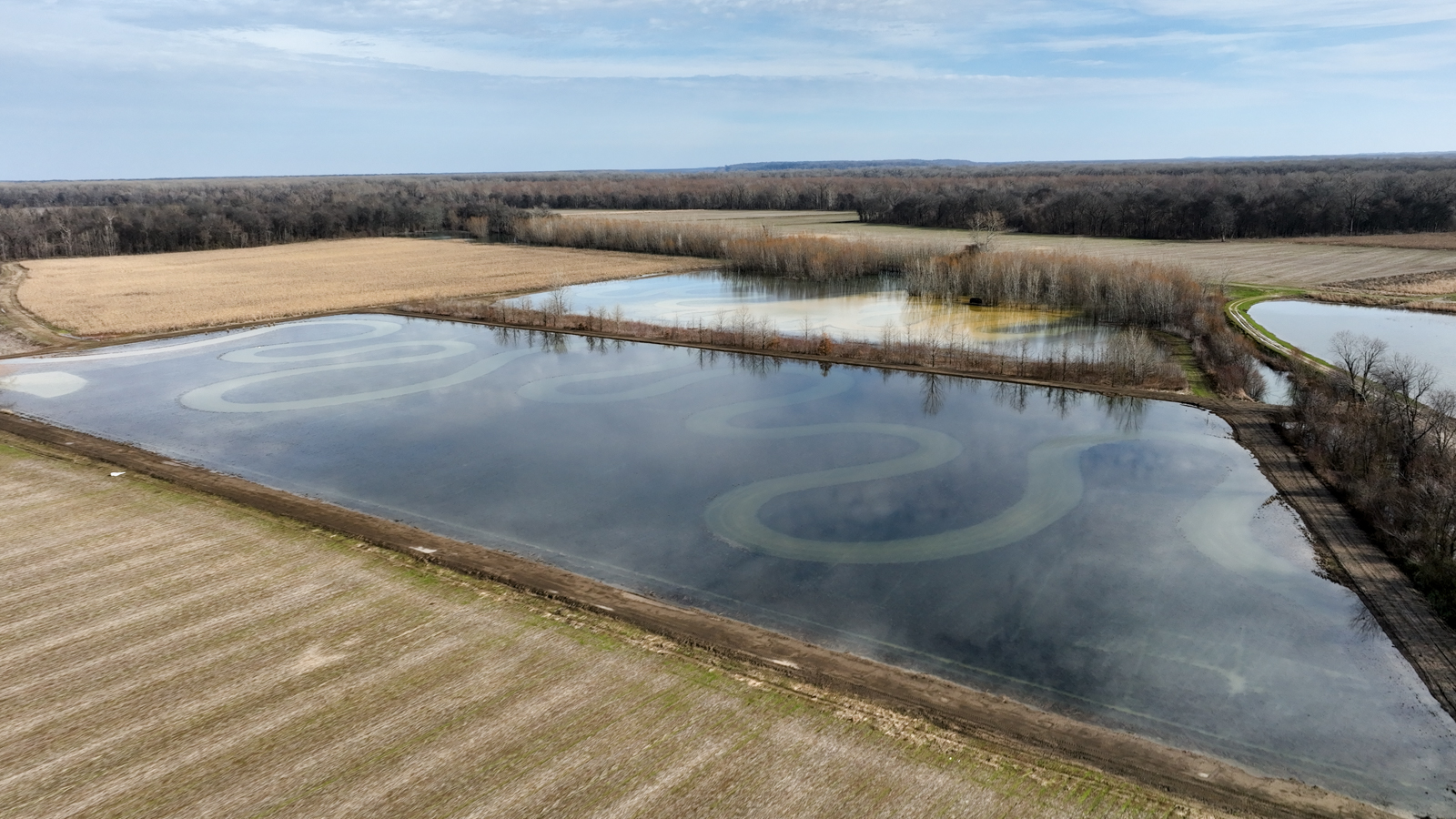
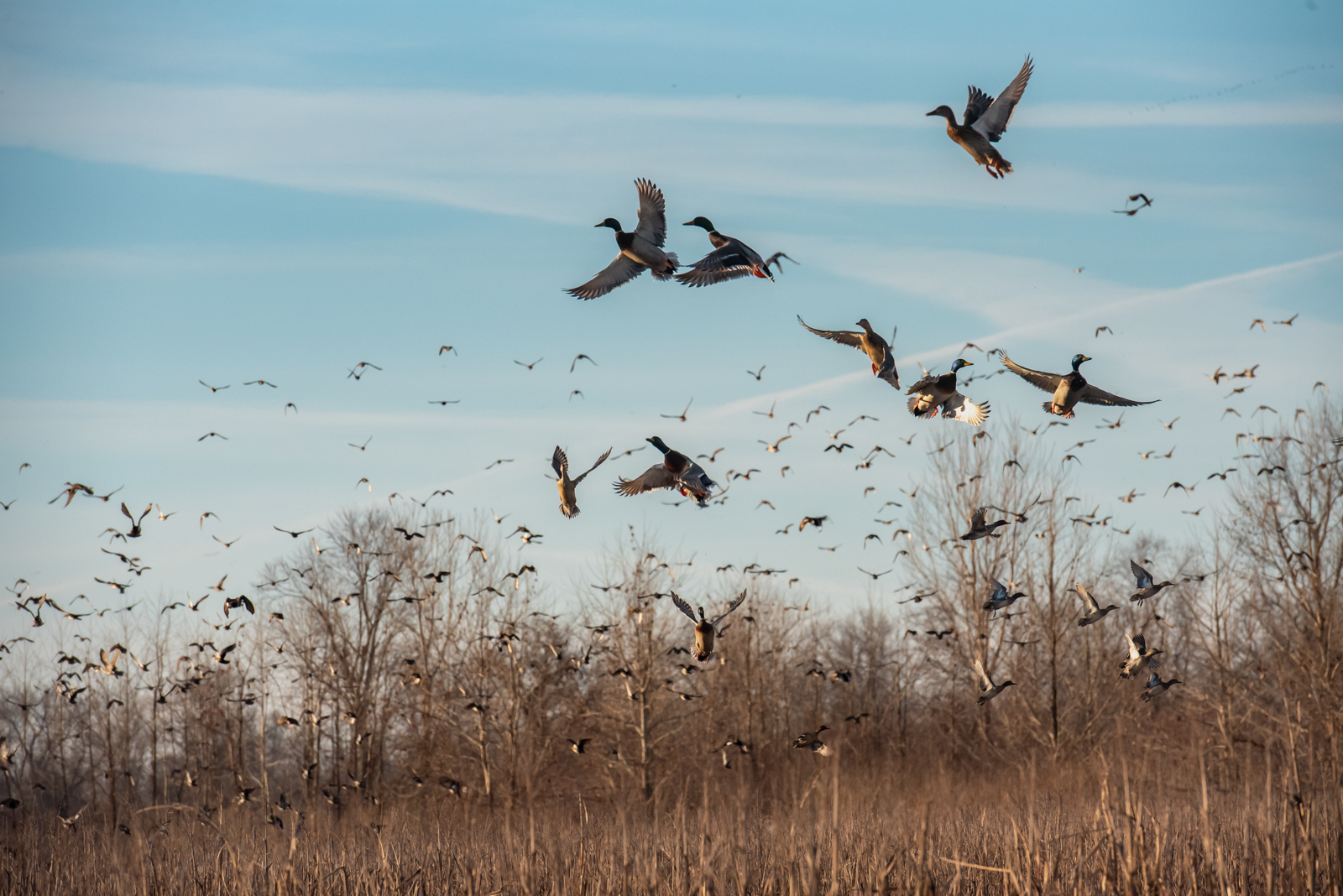
Island 34 is a premier 2,549-acre waterfowl sanctuary in northwest Tennesseeโ€™s Mississippi Flyway, created through three years of vision and conservation by hunter-conservationist Ruste Via. Surrounded by more than 90,000 acres of wetlands and farmland, the property is one of the best bird hunting properties in Tennessee as it features a natural river chute, flooded corn and rice fields, mature timber, and managed wetlands that sustain a thriving ecosystem. Waterfowl numbers have grown dramaticallyโ€”from 90,000 to over 400,000 wintering ducks, including mallards, pintails, and green-winged teal.

Designed for habitat sustainability and world-class hunting, Island 34 offers 12 designated hunting areas: nine field blinds and three flooded timber sites. Among them are luxury pit and container blinds equipped with electricity, heating, and cooking; others feature risers to maintain open water in freezing conditions. Four blinds are ADA-accessible, all with drive-up access, accommodating up to twelve hunters and two guides each.

At the heart of the property is a 16,000 sqft lodge blending rustic Southern charm with modern comfort. Featuring 17 bedrooms, 17.5 baths, and space for 30 guests, it offers fireplaces, a handcrafted bar, a grand dining room, and an observation deck overlooking the wetlands. Island 34 stands as a testament to conservation, craftsmanship, and the enduring heritage of waterfowl hunting.

2025 Waterfowl Season (Mississippi Flyway) โ€“ November 29th โ€“ November 30th, 2025 | December 5th – January 31st, 2026

Explore Island 34

Bird Hunting Properties in Idaho

Anderson Ranch | Mountain Home, ID | 3,896 Acres

Anderson Ranch is a notable early-season waterfowl property in South-Central Idaho. The Ranchโ€™s three ponds and 40-acre reservoir naturally attract strong flights of ducks and geese during early migration. Productive grain fields on the property provide an abundant food source that keeps birds in the area through the first part of the season. While primarily known for its waterfowl opportunities, the sagebrush edges and crop transitions also hold the occasional Hungarian partridge, adding variety to the experience.

2025 Upland Bird Season โ€“ August 30th โ€“ January 31st

2025 Waterfowl Season (Pacific Flyway) โ€“ October 19th โ€“ January 31st

Explore Anderson Ranch

Bull Elk Creek Ranch | Felt, ID | 421.32 Acres

Bull Elk Creek Ranch showcases rolling fields, mature groves of aspen and conifers, and the riparian corridor of Bull Elk Creekโ€”all set against the striking backdrop of four peak Teton views. Tucked at the end of a quiet county road, the property offers exceptional privacy and a balance of agricultural productivity and wildlife cover, ideal for upland bird habitat. Approximately 350 acres are leased to a local tenant farmer and planted annually with small grains. This blend of farmland, native cover, and creekside habitat makes Bull Elk Creek Ranch a premier sanctuary for upland birds, offering exceptional opportunities for both conservation and sport.

2025 Upland Bird Season โ€“ August 30th โ€“ January 31st

2025 Waterfowl Season (Pacific Flyway) โ€“ October 4th โ€“ December 28th

Explore Bull Elk Creek Ranch

Two Canyons Ranch | Kamiah, ID | 2,015 Acres

Two Canyons Ranch supports an exceptional mix of bird species across its canyons, riparian zones, and farmland. The Ranch is a paradise for the upland hunter, offering a level of diversity that is difficult to find across the West. Pheasants and Hungarian partridge roam the tall grasses near the farm fields, while chukar call out from the rocky cliffs and rolling hillsides. The hillsides and riparian creek bottoms are home to quail and the occasional grouse, creating varied hunting experiences throughout the landscape. Although waterfowl hunting is secondary, the propertyโ€™s ponds and waterways attract seasonal ducks, creating additional variety to the hunting experience.

2025 Upland Bird Season โ€“ August 30th โ€“ January 31st

2025 Waterfowl Season (Pacific Flyway) โ€“ October 19th โ€“ January 31st

Explore Two Canyons Ranch

Henryโ€™s Fork Confluence Ranch | Rexburg, ID | 256 Acres

Situated along the Henryโ€™s Fork River, this ranch is among the best bird hunting properties and is a waterfowl and upland bird hunterโ€™s haven. The riparian corridors, cottonwood stands, agricultural aspects, and side channels host strong populations of ducks and geese, complemented by abundant upland birds such as pheasants and grouse. A half mile north of the Ranch, the Cartier Slough Wildlife Management Area (961 acres) enhances the surrounding ecological value. Established in 1976 to offset wetland and waterfowl habitat loss from dam construction, Cartier Slough WMA includes cottonwood groves, willow thickets, floodplain grasslands, and seasonal wetlands. Managed by the Idaho Department of Fish and Game, it supports over 200 wildlife species. Together, the Ranch and Cartier Slough WMA, create an unparalleled setting for hunters and conservationists alike, where thriving waterfowl and upland bird populations reflect the regionโ€™s rich habitat diversity and enduring ecological stewardship.

2025 Upland Bird Season โ€“ August 30th โ€“ January 31st

2025 Waterfowl Season (Pacific Flyway) โ€“ October 4th โ€“ January 16th

Explore Henry’s Fork Confluence Ranch

Norway Canyon Hunting Retreat | Kamiah, ID | 655 Acres

The Norway Canyon Hunting Retreat is a premier upland property offering a variety of bird species across its 655 acres. Pheasants, Hungarian partridge, chukar, quail, and the occasional grouse thrive in the mix of farmland, canyon slopes, and timbered draws. The fully furnished main lodge offers six luxury bedrooms, spacious living areas, and a chef-designed commercial kitchen for restaurant or catering use. Additional features include a pro shop, office, and expansive indoor and outdoor dining spaces centered around an elegant bar and dining area that can accommodate up to 100 guests. The Retreat also features three guest cabins and extensive recreational facilities, including a five-stand shotgun range, skeet shooting range, and pistol and rimfire range. These features make Norway Canyon Hunting Retreat a spectacular destination for sportsmen and guests alike, blending upland hunting opportunities with first-class lodging and recreational amenities in a premium setting.

2025 Upland Bird Season โ€“ August 30th โ€“ January 31st

Explore Norway Canyon Hunting Retreat

Long Hollow Ranch | Madison County, ID | 616.8 Acres

Long Hollow Ranch sits in the foothills of the Teton Range and provides excellent upland and waterfowl opportunities. Pheasants, grouse, and other upland species are common across the CRP fields, aspen groves, and coulees, while ducks frequent the lower riparian areas. The Ranch can also support recreational leasing opportunities. The current owner has partnered with a regional upland bird hunting outfitter, who has established approximately 20 acres of food plots, divided into smaller sections. These plantings not only attract native wildlife but also provide habitat for farm-raised birds released on the Ranch each fall hunting season. The Ranchโ€™s 616 acres of mixed habitat create a balanced environment for both hunting and conservation.

2025 Upland Bird Season โ€“ August 30th โ€“ January 31st

2025 Waterfowl Season (Pacific Flyway) โ€“ October 4th โ€“ January 16th

Explore Long Hollow Ranch

Bird Hunting Ranches in Montana

LC Ranch | Three Forks, MT | 1,121 Acres

The LC Ranch offers the opportunity to decoy or jump shoot ducks and geese in the morning, followed by hunting for Hungarian partridge and pheasant in the afternoon of the same day, all within its 1,121 acres of rangeland, historic crop ground, and riparian habitat. A proportionate amount of water on the property does not freeze in winter, and ducks and geese are often seen in large numbers on the Ranch beginning in mid to late November. Coveys of Hungarian partridge are scattered throughout the property, and the riparian areas of the Ranch support a modest population of pheasant. The Ranch has abundant water resources and tremendous cover habitat, which could be enhanced appreciably from a wildlife standpoint by seeding portions of the property with food crops favored by wildlife.

2025 Upland Bird Season โ€“ September 1st โ€“ January 1st

2025 Waterfowl Season (Pacific Flyway) โ€“ October 4th โ€“ January 16th

Explore LC Ranch

The Schellin Ranch | Chinook, MT | 8,000 Acres

Located along Montanaโ€™s Hi-Line, The Schellin Ranchโ€™s combination of native grasses, cropland, and coulees provides ideal cover, feed, and nesting grounds that sustain healthy pheasants, Hungarian partridge, and sharp-tailed grouse year after year. A particularly unique feature is a section of the Ranch specifically managed to enhance upland bird habitat. Ample water and the Ranch’s strong agricultural productivity draw waterfowl to the low-lying wetlands and natural drainage areas scattered throughout the property. For the sportsman or conservation-minded buyer, this ranch offers an exceptional opportunity to enjoy hunting alongside productive farming and ranching operations.

2025 Upland Bird Season โ€“ September 1st โ€“ January 1st

2025 Waterfowl Season (Central Flyway) โ€“ October 4th โ€“ January 8th

Explore The Schellin Ranch

Bowman Creek Ranch | Ashland, MT | 3,350 Acres

Located in the heart of Southeastern Montanaโ€™s wild and scenic Rosebud County, this ยฑ3,350 deeded-acre ranchโ€”plus a centrally located 640-acre BLM leaseโ€” is one of the most scenic bird hunting properties that supports both agricultural productivity and rich wildlife habitat across riparian zones, native grasslands, and timbered ridges. Sharp-tailed grouse and pheasants thrive throughout the property, while the nearby Tongue River attracts ducks and geese. In early fall, before the river freezes, ducks and geese flock to the area, creating excellent waterfowl hunting opportunities. The river corridor, surrounding fields, and wooded ridges serve as key flight paths and feeding zones, providing prime habitat for upland birds and seasonal waterfowl, making this a highly diverse sporting property.

2025 Upland Bird Season โ€“ September 1st โ€“ January 1st

2025 Waterfowl Season (Central Flyway) โ€“ October 4th – October 12th | October 25th – January 20th

Explore Bowman Creek Ranch

Montana Riverfront Resort | Fort Smith, MT | 107 Acres

Montana Riverfront Resort was built, owned, and operated by the same family for over 30 years. This legendary resort offers a special opportunity to own a fully established, turn-key fly fishing and upland bird hunting destination in the heart of South-Central Montana. The regionโ€™s geography ranges from rich irrigated farmland and rolling grasslands to lush cottonwood-lined river bottoms and dramatic alpine terrain, offering upland bird hunters an abundance of pheasants, sharp-tailed grouse, and Hungarian partridge throughout the area. At the same time, the propertyโ€™s river frontage offers substantial potential for expanding into waterfowl hunting. The river remains ice-free during the winter months, allowing for hunting throughout the season. At the center of the property is the Orvis-Endorsed main lodge, a thoughtfully designed structure that captures the spirit of Western hospitality. Guest accommodations include seven spacious one-bedroom, one-bath cabins, each offering privacy, scenic views, and easy access to all lodging amenities. Outdoor features include a trap shooting area, two tranquil ponds, and a large firepit gathering spaceโ€”ideal for evening drinks and conversation after a memorable day afield. Its established reputation and outstanding habitat make it a well-rounded recreational retreat.

2025 Upland Bird Season โ€“ September 1st โ€“ January 1st

2025 Waterfowl Season (Central Flyway) โ€“ October 4th – October 12th | October 25th – January 20th

Explore Montana Riverfront Resort

Bird Hunting Ranches in Wyoming

Double J Ranch | Daniel, WY | 3,430 Acres

Situated an hourโ€™s drive south of Jackson Hole, Double J Ranch lies in the heart of a sage-grouse critical habitat area designated by the Natural Resources Conservation Service, offering outstanding upland bird hunting amid rolling sagebrush hills. The Ranchโ€™s irrigated meadows and wetlands further enhance its appeal, supporting waterfowl. With a 5,800 sqft custom residence and six guest cabins accommodating up to 17 guests, Double J Ranch combines premier bird habitat with exceptional comfort, making it an ideal retreat for hunters and outdoor enthusiasts alike.

2025 Upland Bird Season โ€“ September 1st โ€“ January 31st

2025 Waterfowl Season (Pacific Flyway) โ€“ September 27thย โ€“ January 9th

Explore Double J Ranch

Cakebread Ranch | Thayne, WY | 220 Acres

With nearly two miles of open water along the Salt River, Cakebread Ranch offers extraordinary waterfowl hunting for mallards, geese, and various duck species. Irrigated meadows and riparian corridors provide additional habitat, giving hunters a mix of water and field shooting opportunities within a well-managed property. Originally designed as a clubhouse for ranch guests, the lodge invites relaxation and refinement, offering world-class dining after a day on the field and a nightcap by the outdoor riverside fireplace. There are current plans to convert the office in the lodge into guest quarters to accommodate owners overnight in this remarkable setting.

2025 Upland Bird Season โ€“ September 1st โ€“ January 31st

2025 Waterfowl Season (Pacific Flyway) โ€“ September 27thย โ€“ January 9th

Explore Cakebread Ranch

Soaring Eagle Ranch | Ranchester, WY | 287 Acres

Located minutes from the historic town of Sheridan, WY, Soaring Eagle Ranch spans nearly a mile along both sides of the iconic Tongue River, which winds gracefully through this remarkable property. Lush vegetation, cottonwood-lined riverbanks, and open meadows create ideal habitat for pheasants, Hungarian partridge, and sharp-tailed grouse, while freshwater sloughs, wetlands, and irrigated fields attract abundant ducks and geese. Whether hunting over water or in dry fields, sportsmen will find Soaring Eagle Ranch an outstanding destination that seamlessly blends productive agriculture, diverse wildlife habitat, and unmatched natural beauty.

2025 Upland Bird Season โ€“ September 1st โ€“ January 31st

2025 Waterfowl Season (Central Flyway) โ€“ September 21st โ€“ January 9th

Explore Soaring Eagle Ranch

Nieslanik Ranch | Cokeville, WY | 399 Acres

Located five miles north of Cokeville, WY, in Lincoln County, the Nieslanik Ranch is one of bird hunting properties that not only encompasses 399 deeded acres, but also has 360 acres of highly productive irrigated fields and pastures. Set along Chalk Creek and adjacent to thousands of acres of public land, pride of ownership is clear from the well-maintained pivot-irrigated fields to the mature landscaping surrounding the residence. With 25 years of dedicated care, the Ranch is a haven for wildlife, including waterfowl like ducks, geese, and Sandhill cranes. Its ยฝ mile proximity to the Bear River makes it an ideal spot for waterfowl hunting and wildlife observation.

2025 Upland Bird Season โ€“ September 1st โ€“ January 31st

2025 Waterfowl Season (Pacific Flyway) โ€“ September 27thย โ€“ January 9th

Explore Nieslanik Ranch

Bird Hunting Properties in Georgia

Mann Creek Retreat | Tallapoosa, GA | 319 Acres

Mann Creek Retreat offers duck and goose hunting across its 14-acre private lake, two miles of Mann Creek frontage, and the nearby Tallapoosa River. The propertyโ€™s blend of open water, flooded bottoms, and managed pastures creates an ideal waterfowl habitat that attracts migrating and local birds throughout the season. The retreat combines exceptional hunting opportunities with comfortable lodging, scenic building sites, and a master plan for future expansion or conservation.

2025 Upland Bird Season โ€“ November 8th โ€“ February 28th

2025 Waterfowl Season (Atlantic Flyway) โ€“ November 22nd – November 30th | December 6th – January 25th

Explore Mann Creek Retreat

Please refer to your local Game and Fish regulations for season dates, regulations, and bag limits.

By Will Johnson

A Season of Tradition, Fellowship, and the Outdoors

Author and Broker Will Johnson

In the South, the arrival of fall isnโ€™t marked by a date circled on the calendar. It announces itself quietly, with hints and whispers. The first signs are subtle: a morning breeze carrying a touch of coolness, afternoon light that leans softer across fields, the sound of cicadas fading into the evenings. Summerโ€™s pace begins to slow, and both the Southern land and people seem to exhale after the long, humid stretch of July and August. For Southerners, this change in the air is more than weatherโ€”it is a signal that tradition, fellowship, and outdoor life are about to come into full swing.

Fall in the South invites us outside. The hardwood ridges glow in a patchwork of amber and russet. Cotton fields open, white bolls rolling like waves across the countryside. In the Lowcountry, tidal creeks fill and empty in steady rhythm, pulling redfish into the grass and oysters onto the tables. Itโ€™s a season when the landscape itself seems to gather people togetherโ€”onto porches, into kitchens, and across fields where old traditions are carried forward into new generations.

Dove Season: The First Signal of Fall

Bill Calton and Jon Callaghan

For many Southerners, autumn truly begins when dove season opens. Ask a hunter in Georgia, South Carolina, Mississippi, or Tennessee, and theyโ€™ll tell you: Labor Day weekend is more than a holidayโ€”itโ€™s a rite of passage.

Across the region, landowners prepare all summer for this moment. Fields of millet, corn, sunflowers, or wheat are carefully planted and managed with the season in mind. The work isnโ€™t done only for the hunt itself; itโ€™s a practice rooted in stewardship, ensuring that doves have habitat and food sources long after the opening weekend. When the season arrives, those fields come alive with more than wingsโ€”they become gathering grounds for families, neighbors, and friends.

Anyone who has sat on the edge of a dove field in early September can recall the scene: folding chairs lined along a fencerow, coolers tucked into the shade of trucks, children running through the rows as the older generation reminds them to hush when birds approach. The air fills with laughter, storytelling, and the occasional friendly ribbing over a missed shot. It is hunting, yes, but it is also a social event as old as the farms themselvesโ€”a time to reconnect after the busy days of summer and before the heavier hunts of deer and waterfowl season.

For many children, a dove field is where they first learn the rhythms of hunting. The lessons are bigger than shooting: patience, safety, respect for the resource, and gratitude for the land beneath their feet. These early experiences often mark the start of a lifelong connection to both preserve and enhance the land, key tenets of Live Water Properties.

The Broader Value of Southern Land Ownership

Dove season illustrates something larger: the value of land. Across the South, farms, ranches, timber tracts, and plantations serve not only as economic assets, but as canvases for memory and tradition. They provide space for work and livelihood, as importantly, they offer sanctuaries where stories are written year after year.

Southern land is where lessons are passed between generations. A grandfather teaches his granddaughter how to line up a shotgun safely. Parents remind their sons that the morning starts early, chores must be done before the hunt, and responsibility comes before reward. Friends gather under the same oak year after year, swapping stories that grow taller with each retelling. These moments add up to something far greater than a deed or a parcel mapโ€”they create a heritage.

At Live Water Properties, we see this heritage every day. Our clients often speak of their properties not simply as investments, but as stages upon which their family histories play out. Whether itโ€™s a South Georgia plantation that has hosted dove shoots for decades, a Tennessee farm where children learn to fish, or a Carolina timber tract where stewardship and conservation are as important as hunting, each property holds a story worth continuing. Helping land transition from one steward to the next is an honor we carry with pride, because we know these places arenโ€™t soil and timberโ€”they are living legacies.

Outdoor cathedrals such as Georgiaโ€™s Buckelew Farm or Tennesseeโ€™s Island 34 stand as reminders of this truth. These landscapes are more than acreage; they are cultural landmarks where community, conservation, and recreation meet.
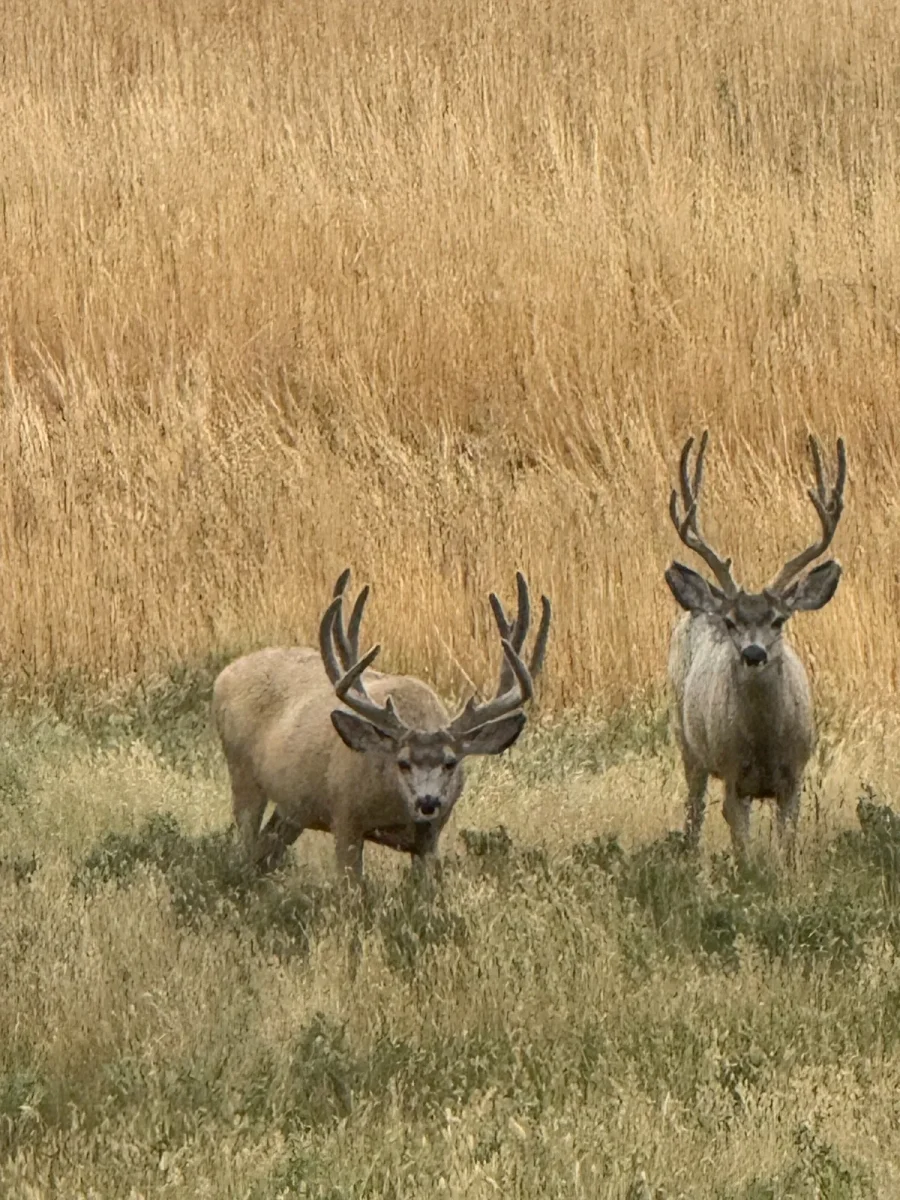
From Field to Table: The Southern Kitchen

When the hunt ends and guns are cased, the day doesnโ€™t conclude. Instead, it shifts naturally to the kitchen and the table. In the South, the transition from field to meal is as deeply ingrained as the hunt itself.

For generations, dove has held a place of honor in Southern cuisine. In the Lowcountry, the bird often finds its way into a hearty perlooโ€”a rice dish enriched with stock, vegetables, and the game harvested that very afternoon. In Mississippi, bacon-wrapped dove breasts grilled over pecan coals are a staple of opening weekend. Across Texas, cast iron skillets sizzle with dove fried crisp and served family-style.

Dove perloo dish
Smithey Ironware – Dove Perloo

The preparation is always communal. Children pluck feathers alongside grandparents, friends swap recipes, and the kitchen becomes another gathering place. These meals are more than sustenance; they are celebrations of heritage, season, and shared effort.

To prepare them well requires not only fresh ingredients, but tools crafted with the same sense of permanence as the Southern land itself. In Charleston, Smithey Ironware has embraced that philosophy, creating heirloom-quality cookware that blends craftsmanship with heritage. Their skillets, Dutch ovens, and roasters are designed to last generations, much like the properties that dot the Southern landscape.

As Smithey Vice President Will Copenhaver notes, โ€œTo me, a cast iron skillet is every bit as essential to a good hunt as a cherished shotgun. The cooking of the birds is the completion of the experience, and a cast iron skillet filled with bounty from the hunt is the ultimate reward for a day well spent.โ€ That connection between field and table underscores why Southern land is so deeply cherished. It sustains us, it gathers us, and it enriches every season of life.

For those who appreciate the tools of tradition as much as the traditions themselves, Smitheyโ€™s collection of cast iron cookware can be explored at smithey.com.

Classic Carolina Dove Pilau (Perloo) Recipe

The Broader Sporting Season

Dove season may open the door, but fall in the South stretches far beyond September fields. The months ahead unfold like chapters in a book every sportsman and landowner knows by heart.

Deer Season โ€” As September fades, attention turns to the hardwood ridges and pine bottoms where whitetail deer roam. For many, deer season represents not only a pursuit of game, but a deeper connection to the forest. Dawn in a deer stand is as much about stillness as it is about harvestโ€”the quiet hum of the woods waking up, the frost forming on leaves, the chance to reflect. Venison harvested in these months fills freezers and kitchens, reminding families throughout winter of the care put into both land and wildlife.

Waterfowl Season โ€” When cold fronts sweep down from the Midwest, Southern skies fill with ducks and geese. From Arkansas rice fields to the tidal marshes of South Carolina, waterfowl season brings with it both anticipation and preparation. Decoys are mended, blinds brushed, retrievers trained, and mornings start long before the first hint of light. Few sights stir the soul like the whistle of wings overhead at dawn.

Quail Hunting โ€” Later in the season, the uplands call. Quail hunting remains one of the most revered traditions in the South, carried out across longleaf pine savannas and broomstraw fields. The partnership between hunter and pointing dog, the explosion of a covey rise, and the crisp air of a Southern winter morning combine into an experience as timeless as any. Plantations across Georgia, Florida, and Alabama have preserved these landscapes, ensuring that the pursuit of bobwhite quail remains a living tradition.

Fishing the Fall Run โ€” And while fields and forests take center stage, rivers and coasts are never far from mind. Fall fishing is legendary in the South, with redfish tailing across flooded spartina grass, speckled trout feeding aggressively before winter, and bass in reservoirs chasing baitfish near the surface. These waters, like the Southern land, serve as stages for memory, fellowship, and connection.

Each pursuit builds upon the last. Together, they form a calendar not dictated by months alone, but by tradition, migration, and the turning of leaves.

A Season That Enriches Every Generation

Doves on a hunting chair on Southern land
Buckelew Farm
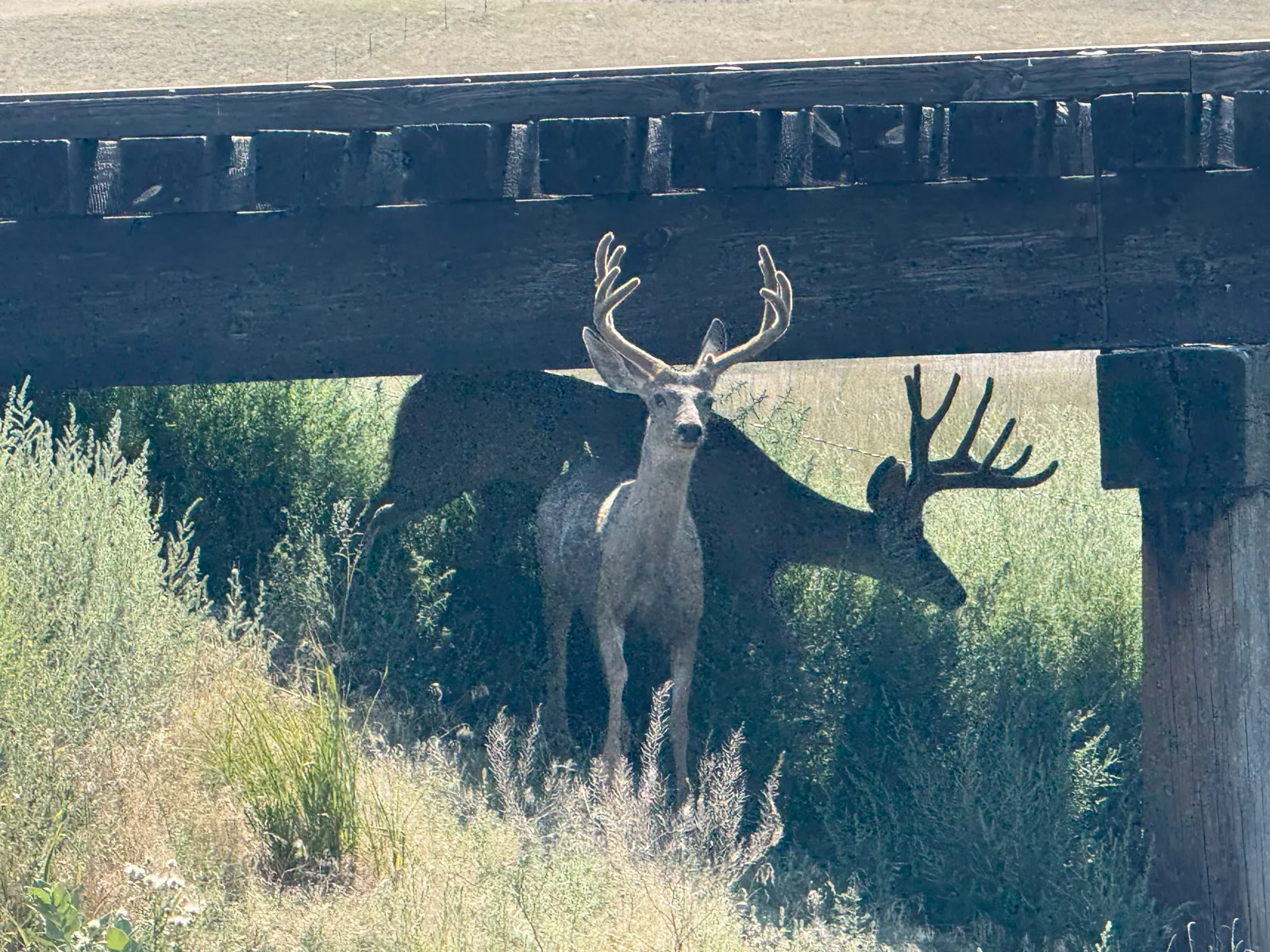
Dove season is more than a pastime. It is the opening chapter of a broader sporting season, one that stretches through deer stands, duck blinds, quail fields, and coastal waters. It is a season that enriches not just the present, but every generation that follows. In the South, fall is not simply a time of yearโ€”it is a tradition, a fellowship, and an enduring reminder of the gift of land.

Taken together, these experiences remind us why Southern land is so deeply valued. It is not merely acreage measured in acres or appraisals; it is the foundation of a way of life. Southern land provides for us materially, yes, but also culturally and spiritually. It gathers families, teaches lessons, and carries forward legacies.

At Live Water Properties, we are honored to work alongside landowners who understand this truth. Their properties are not just holdingsโ€”they are living, breathing spaces that connect people to each other, to tradition, and to the outdoors. Each fall, as fields come alive with dove shoots, kitchens glow with cast iron meals, and woods echo with the call of deer and quail, we are reminded of why stewardship matters.

"(Required)" indicates required fields

This field is for validation purposes and should be left unchanged.
Name(Required)
Skip to content