


Stay Up To Date Join Our Newsletter

This field is for validation purposes and should be left unchanged.

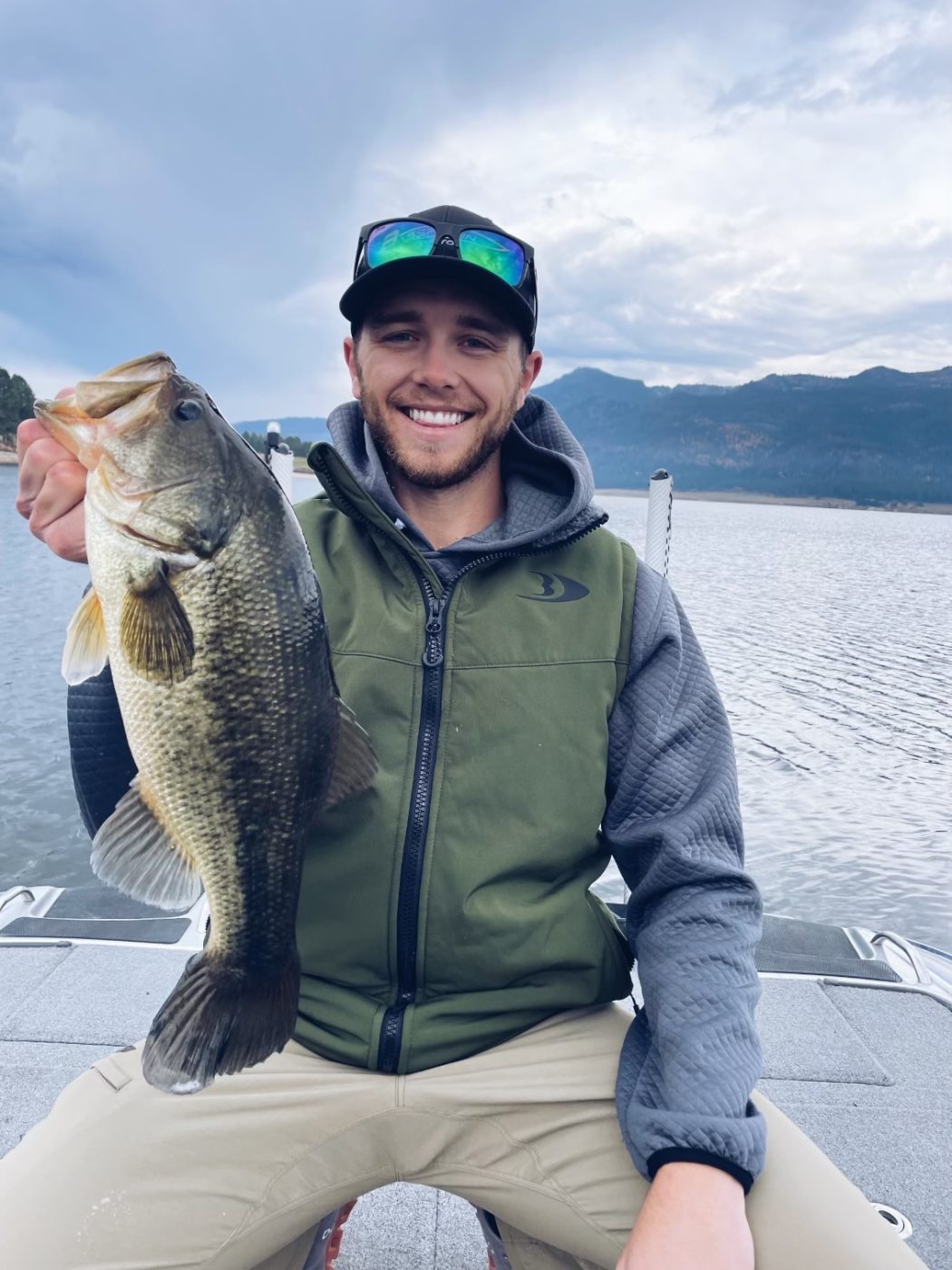
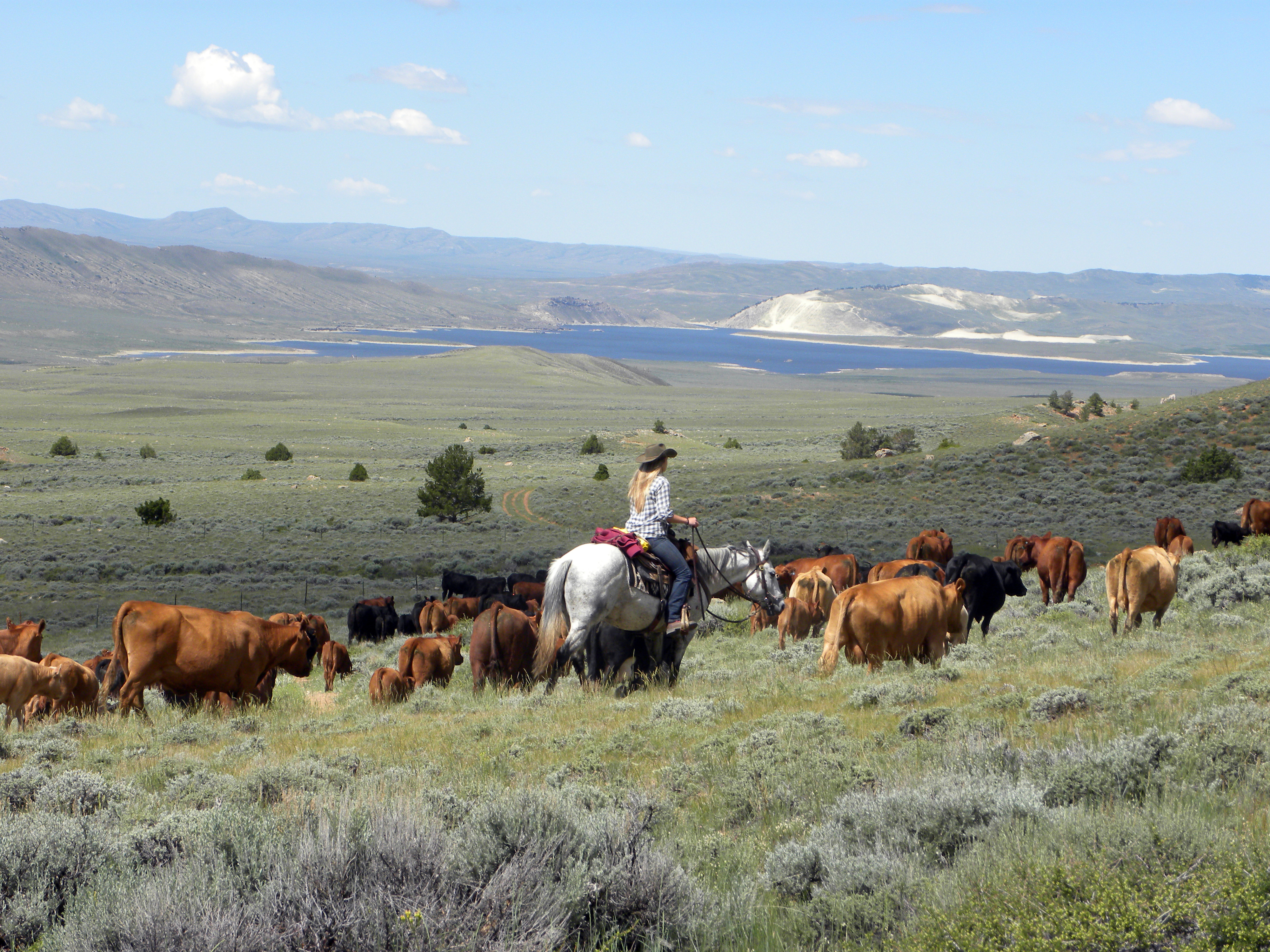
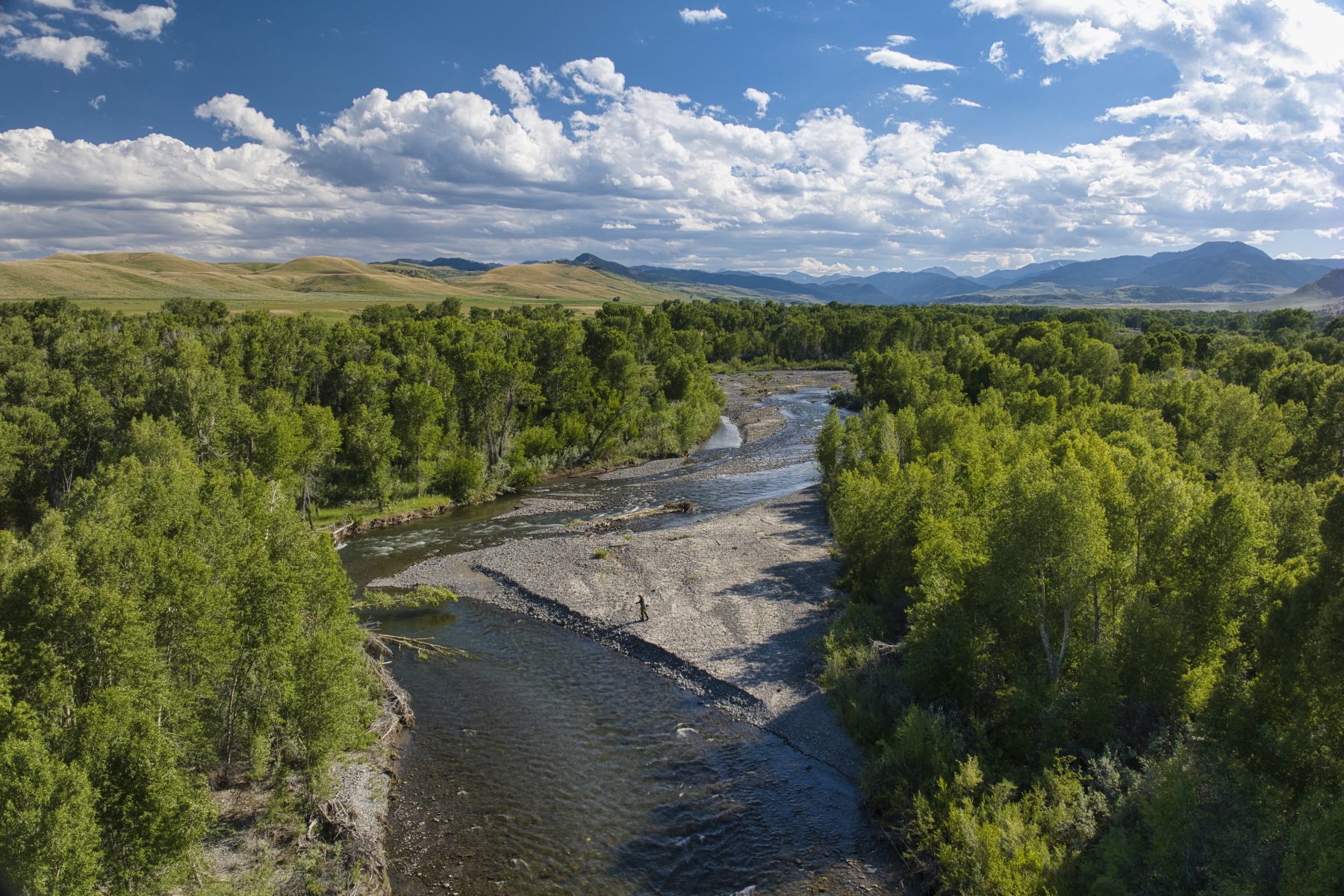
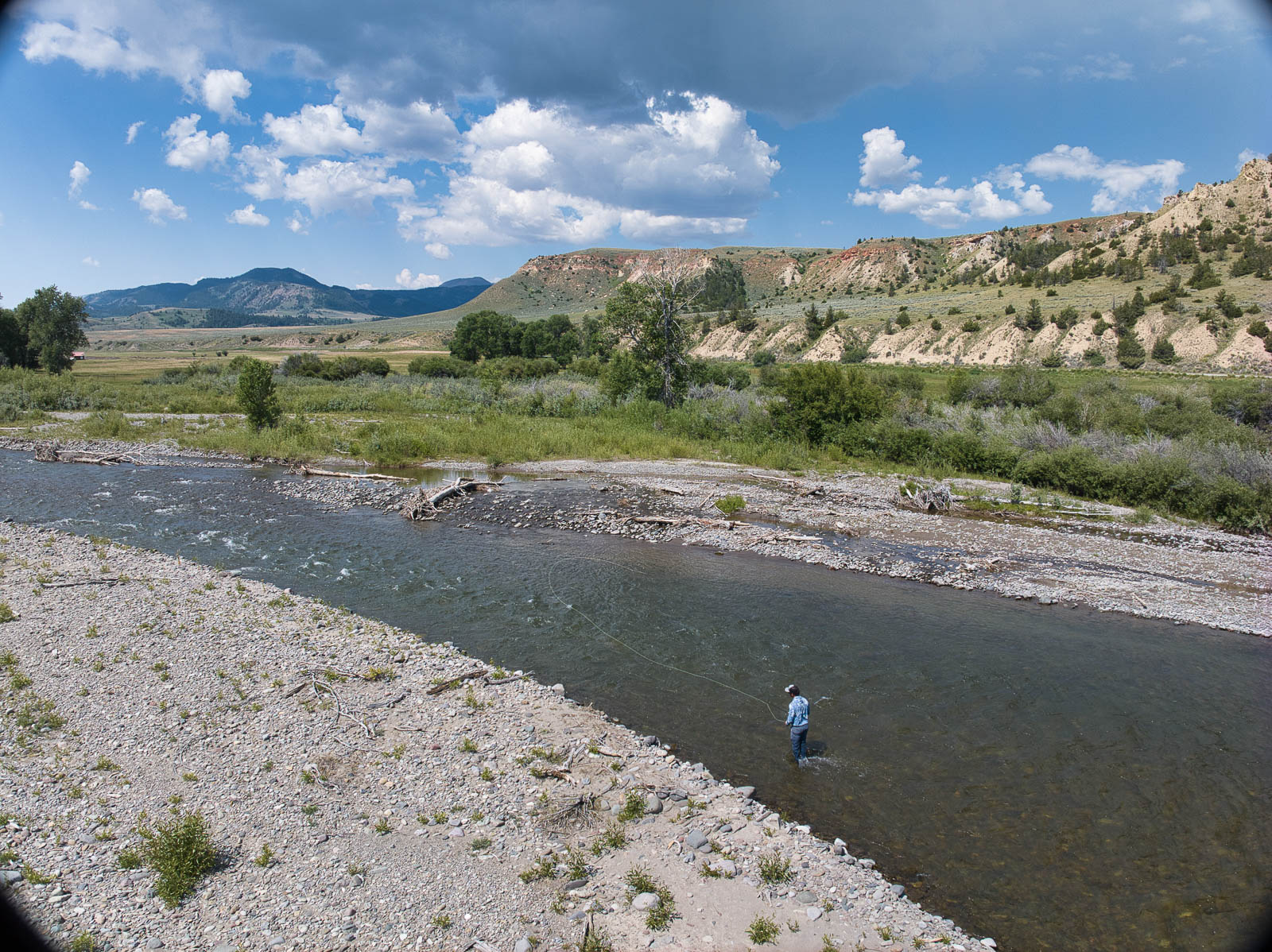
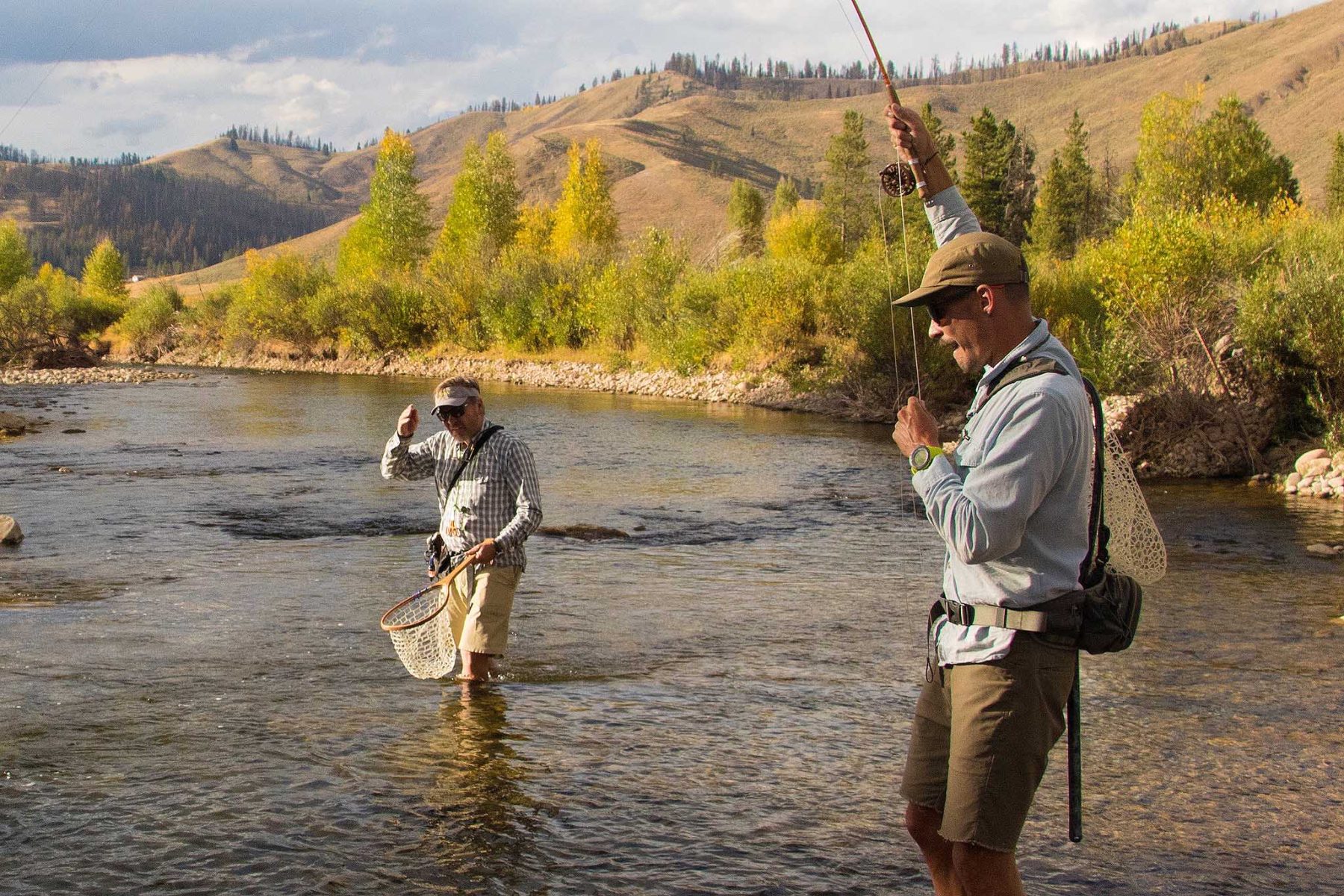
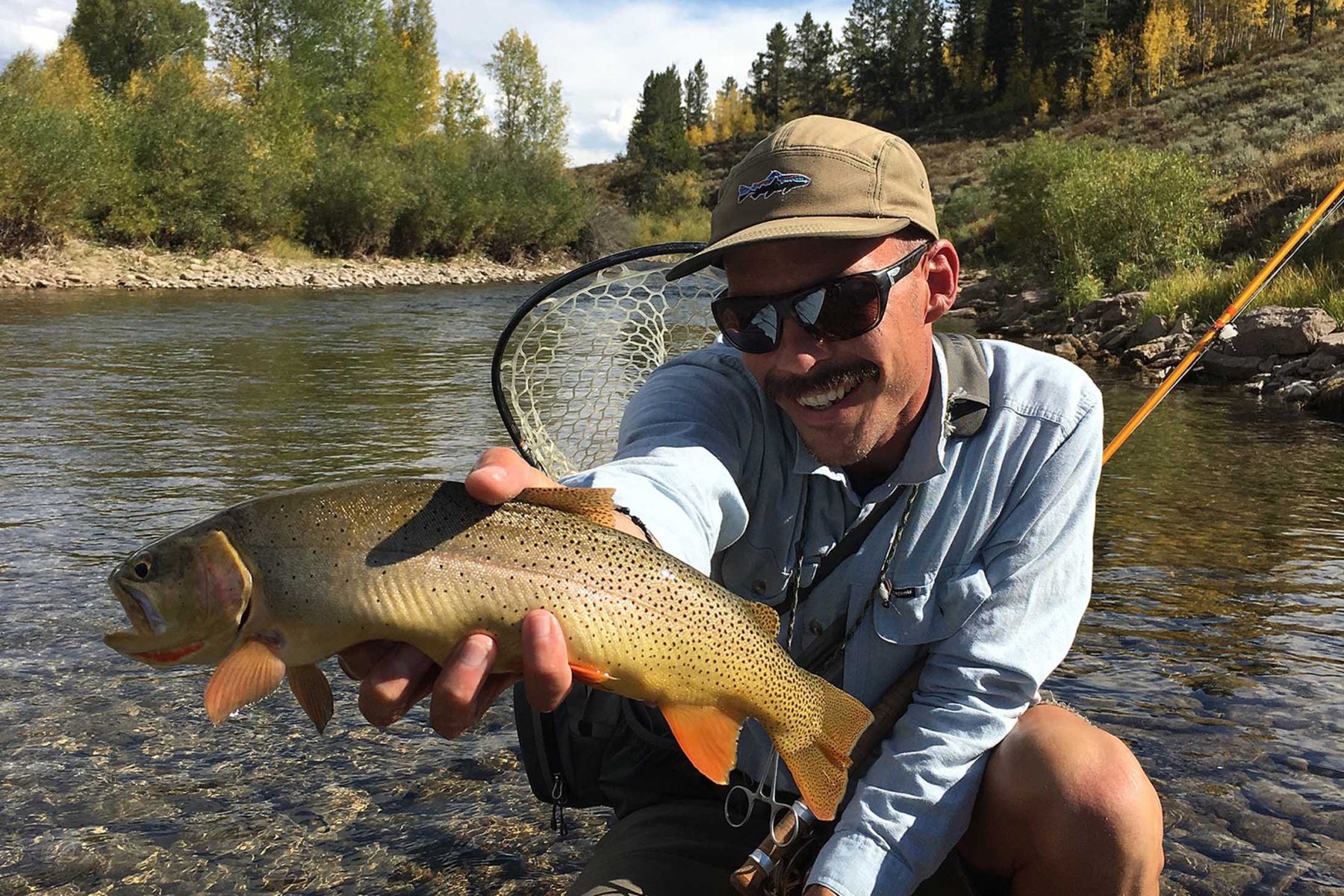
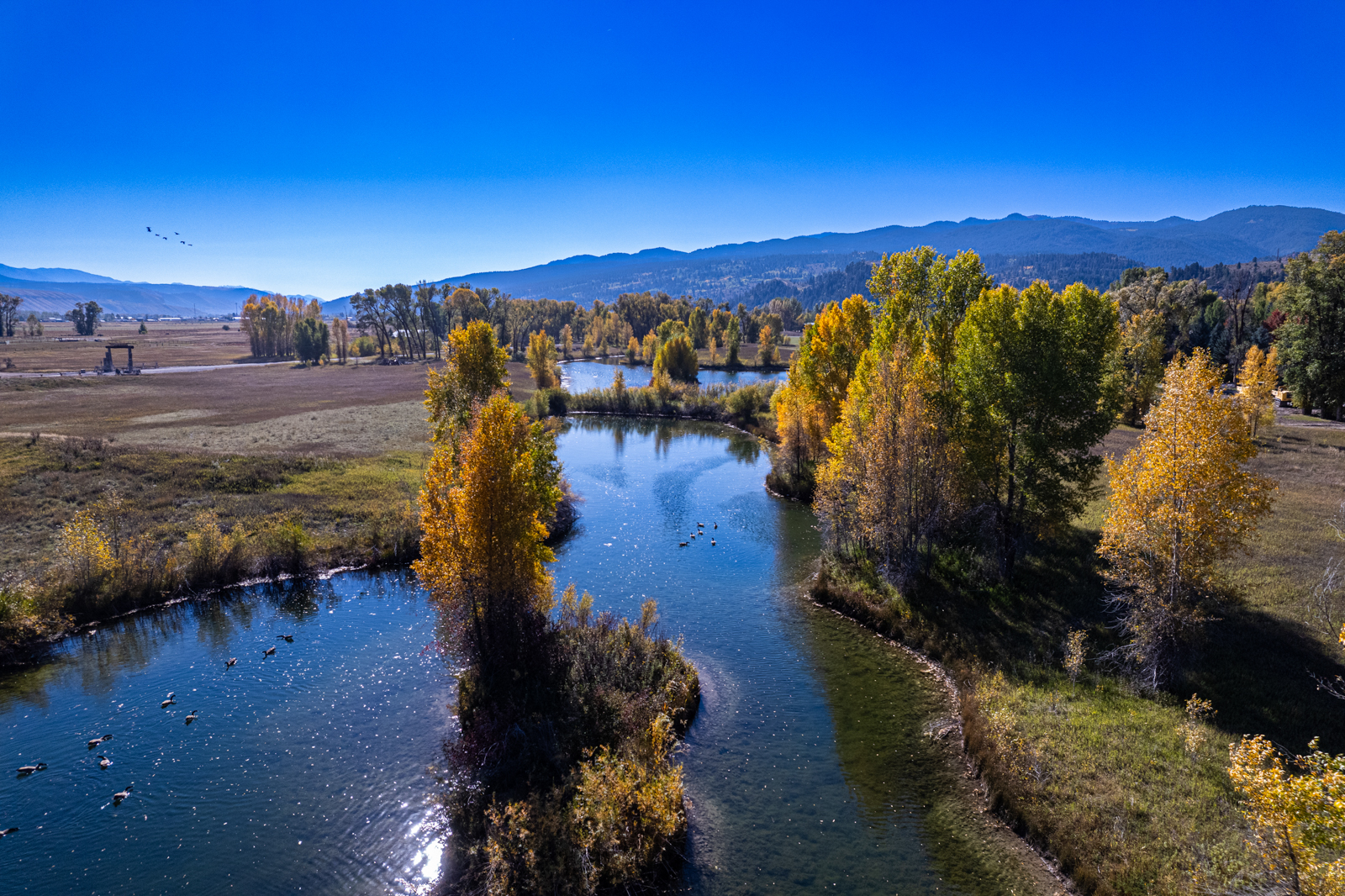
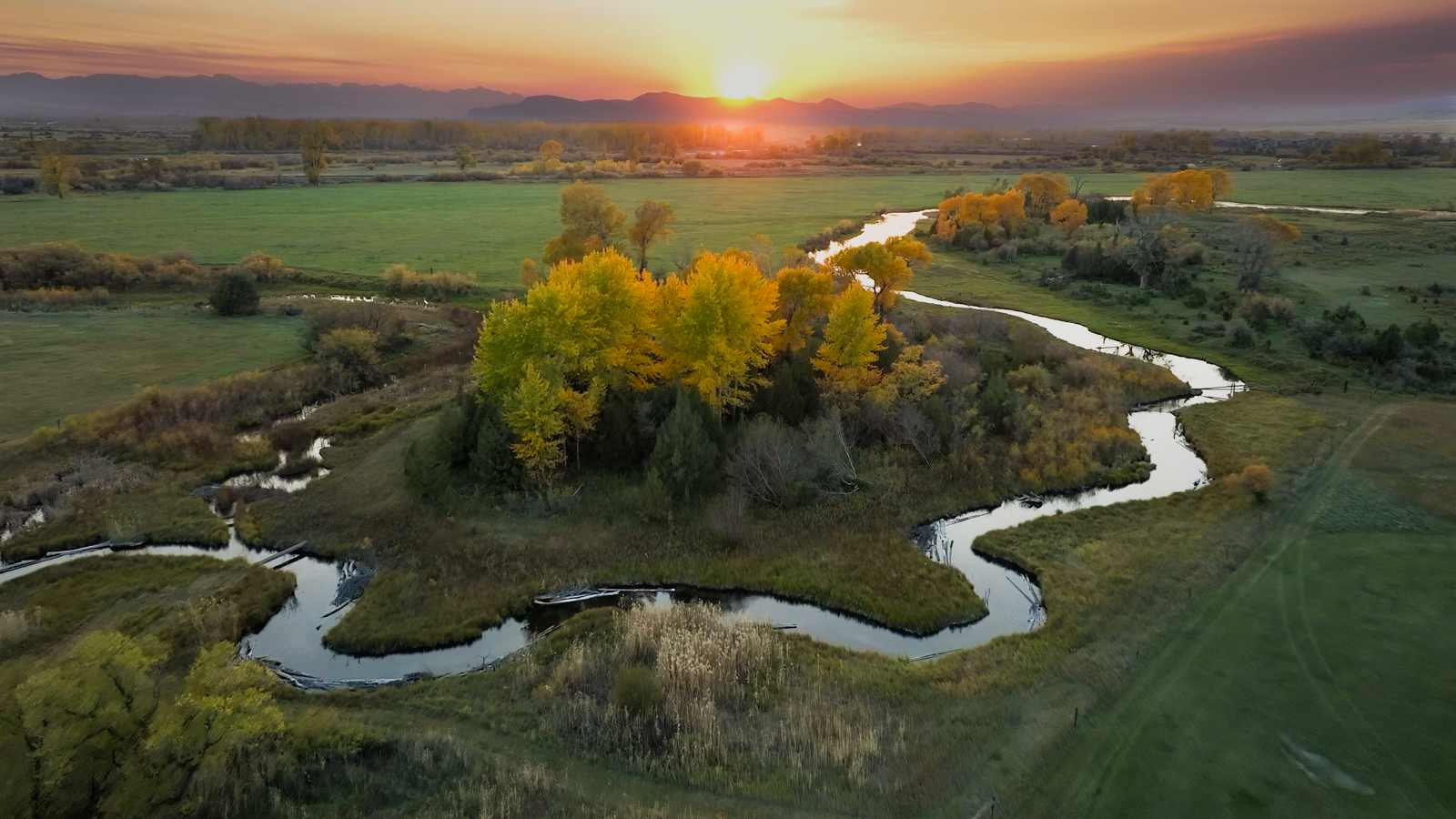
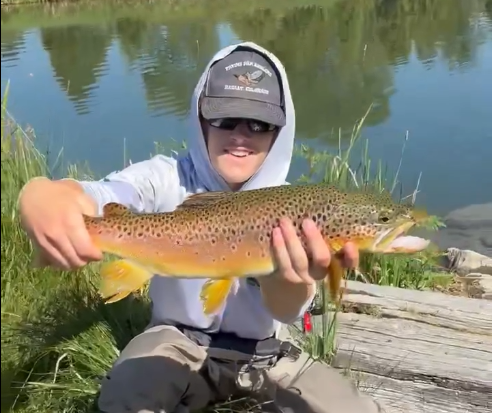
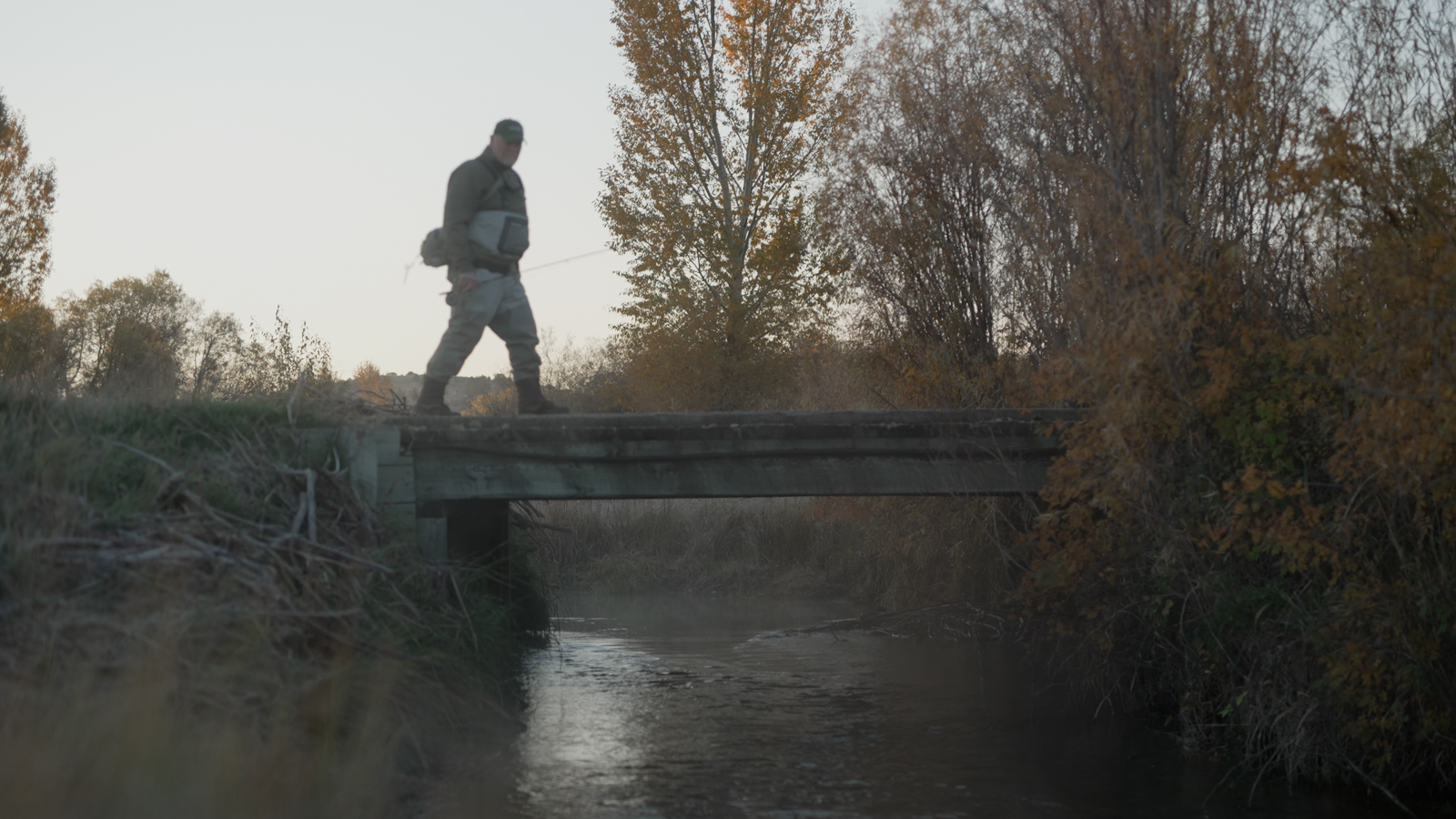
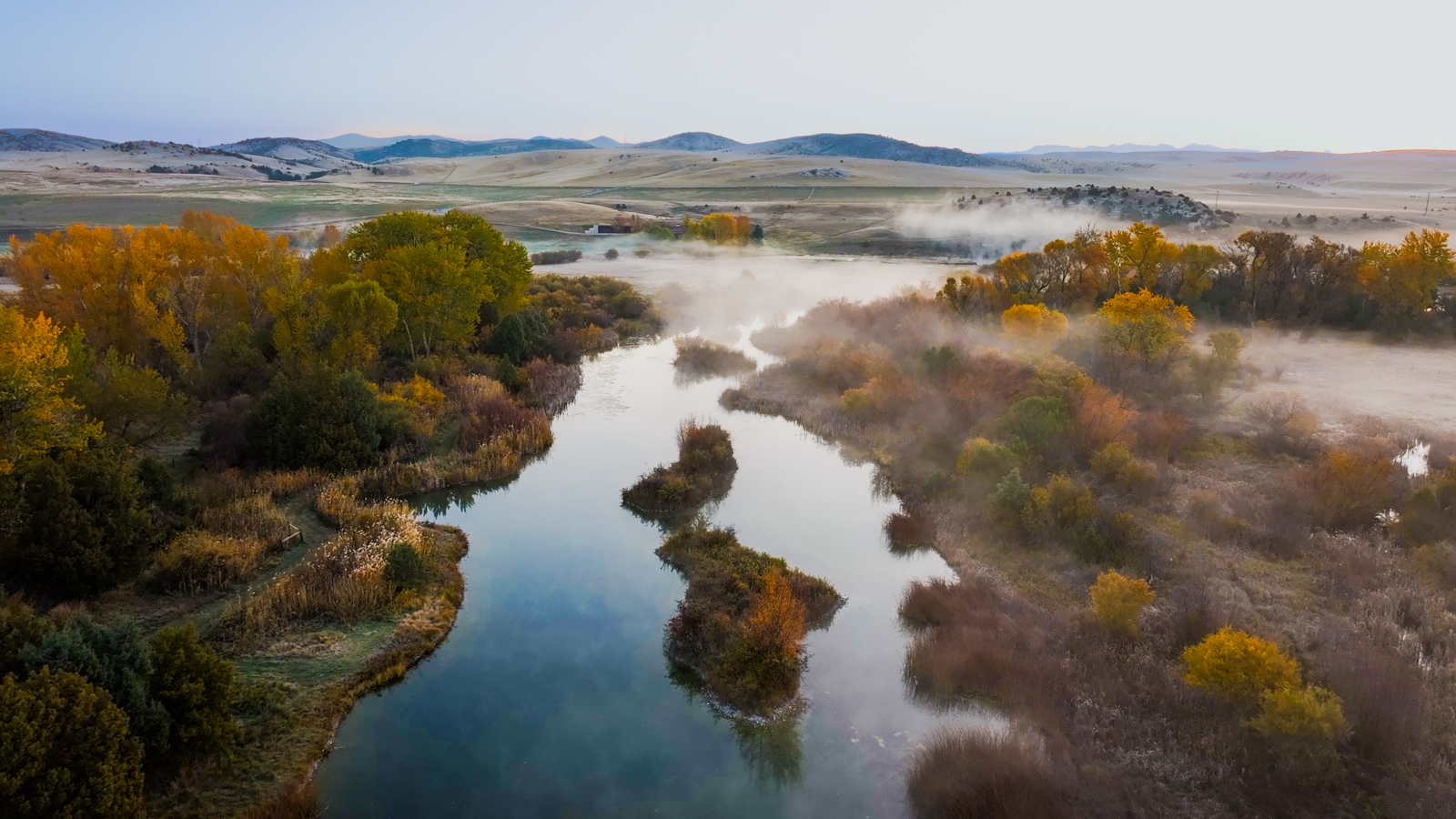
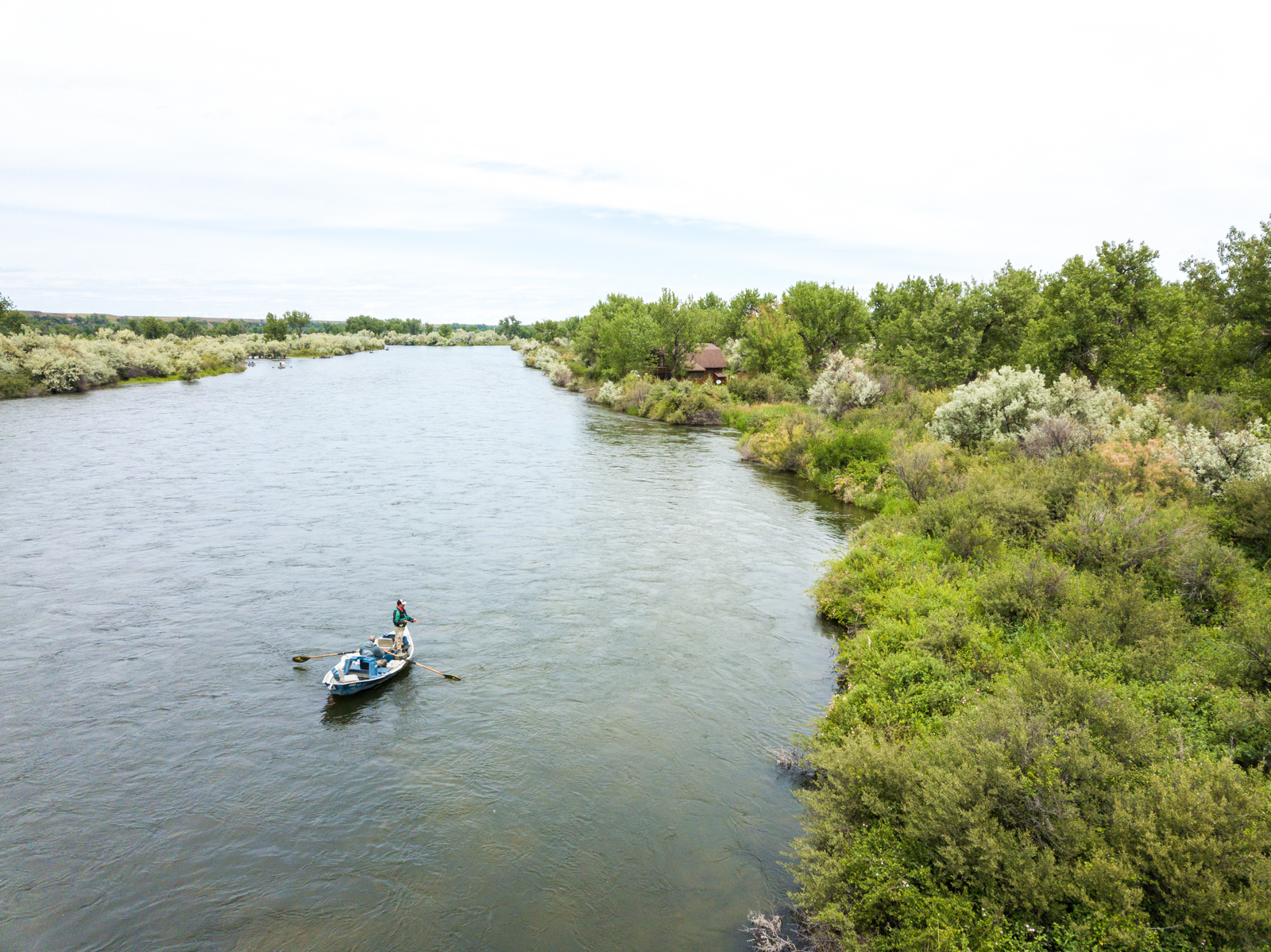
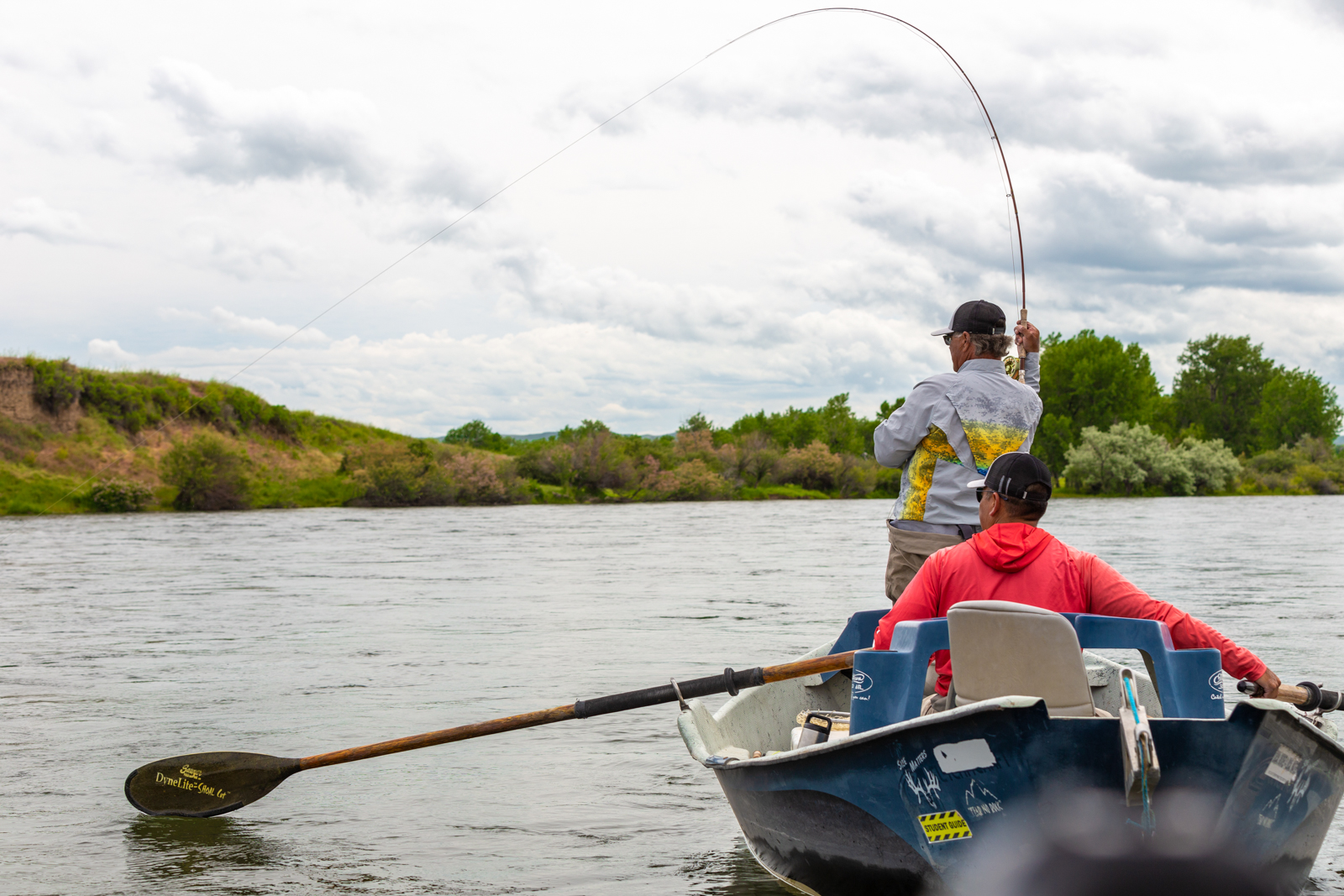
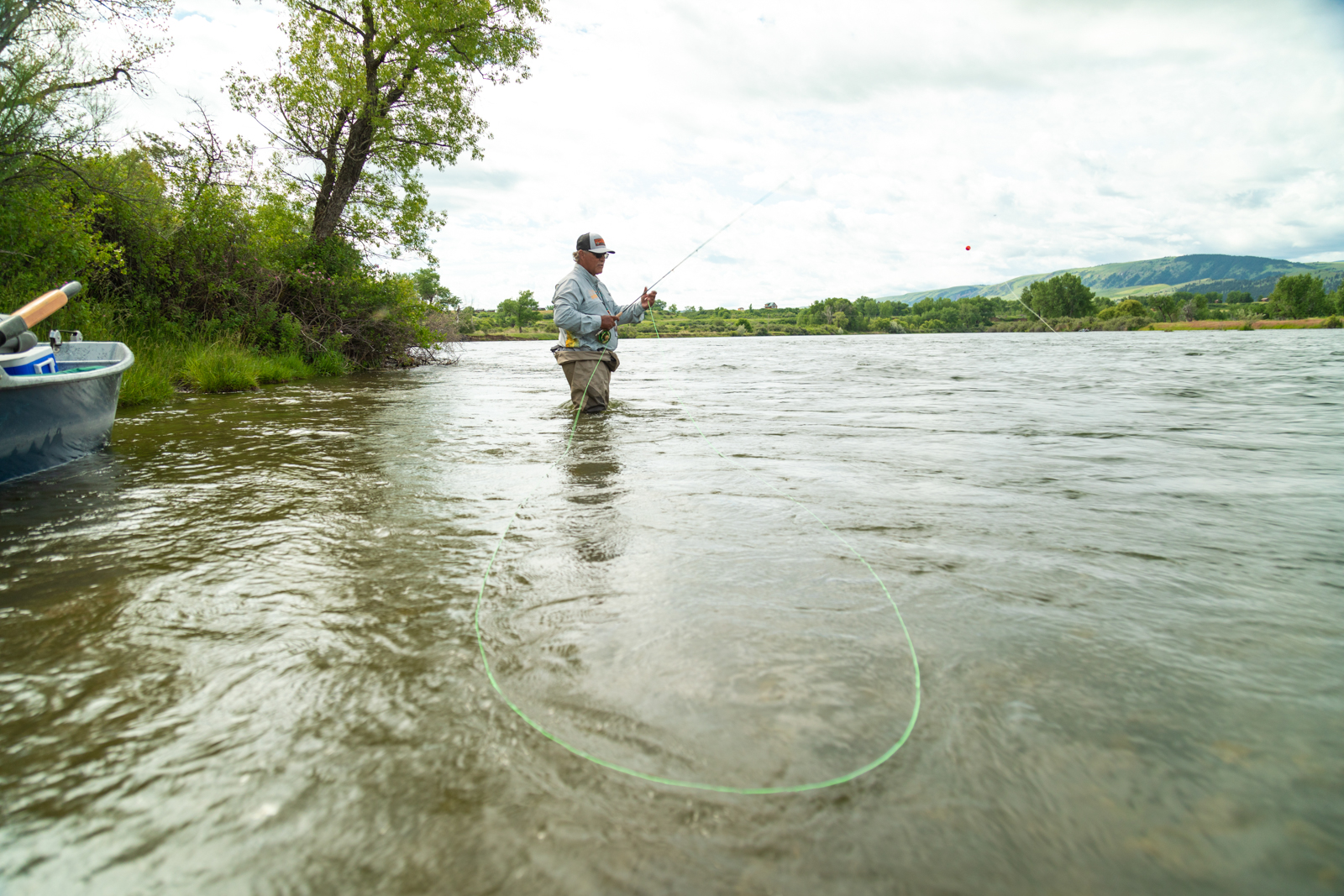
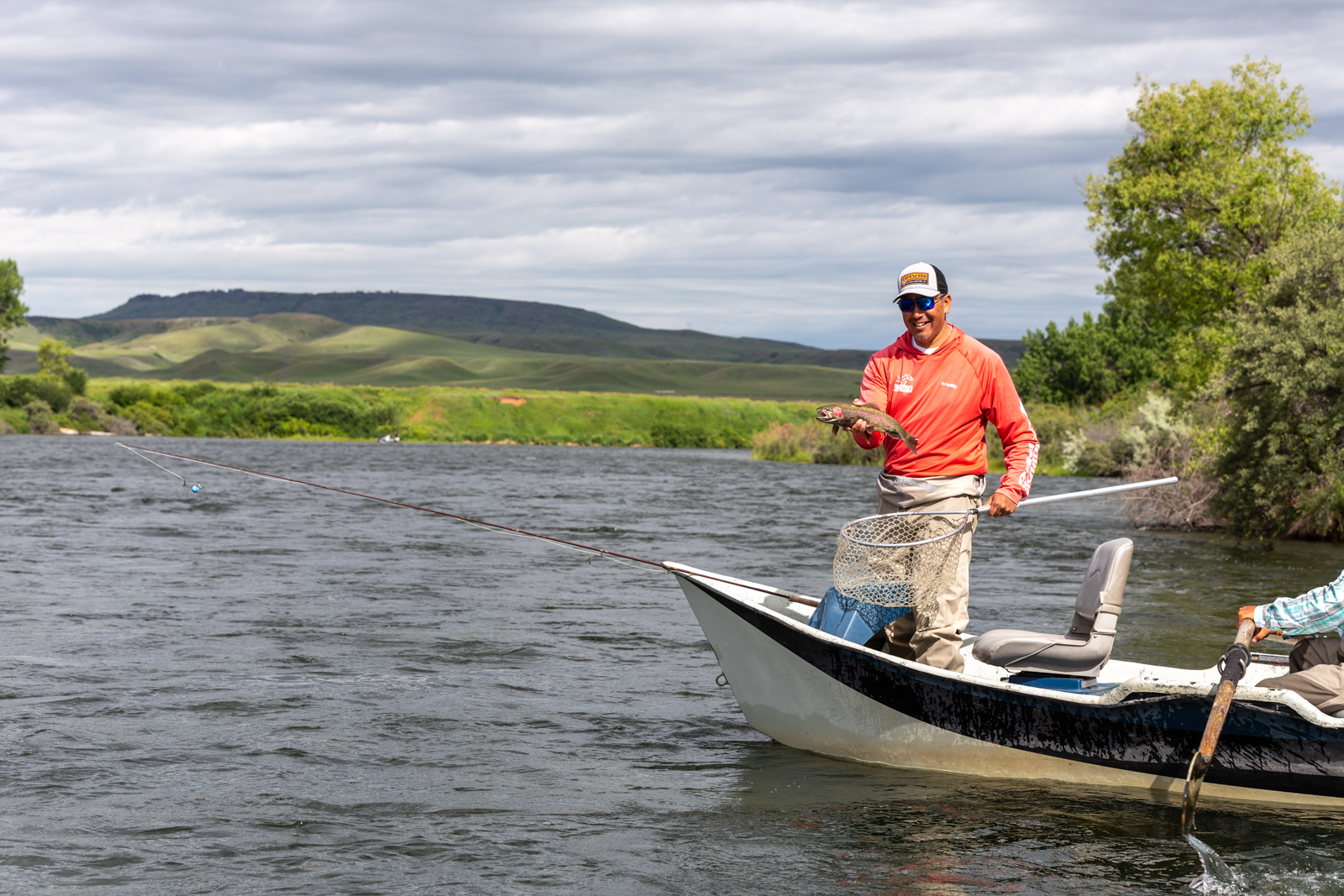
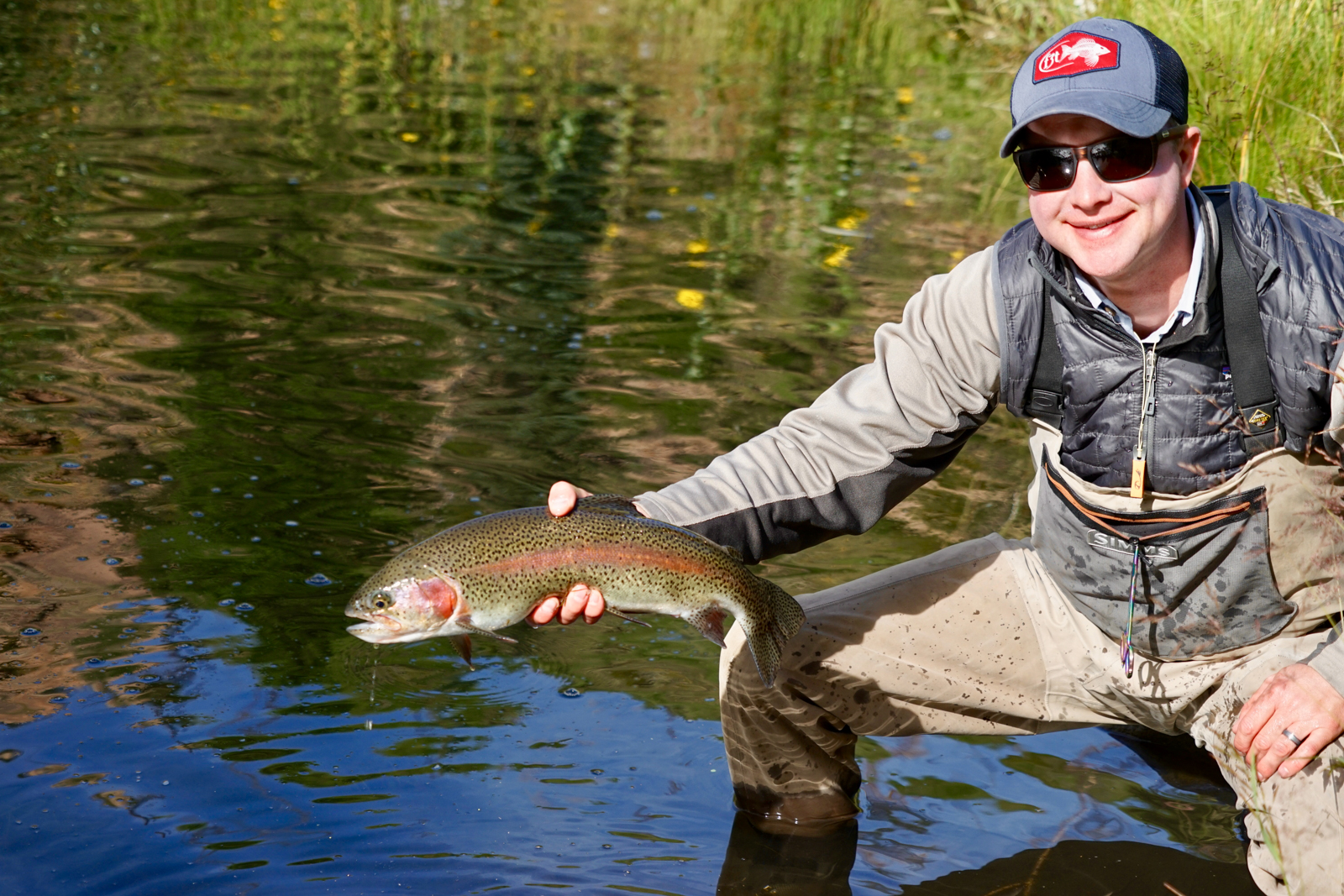
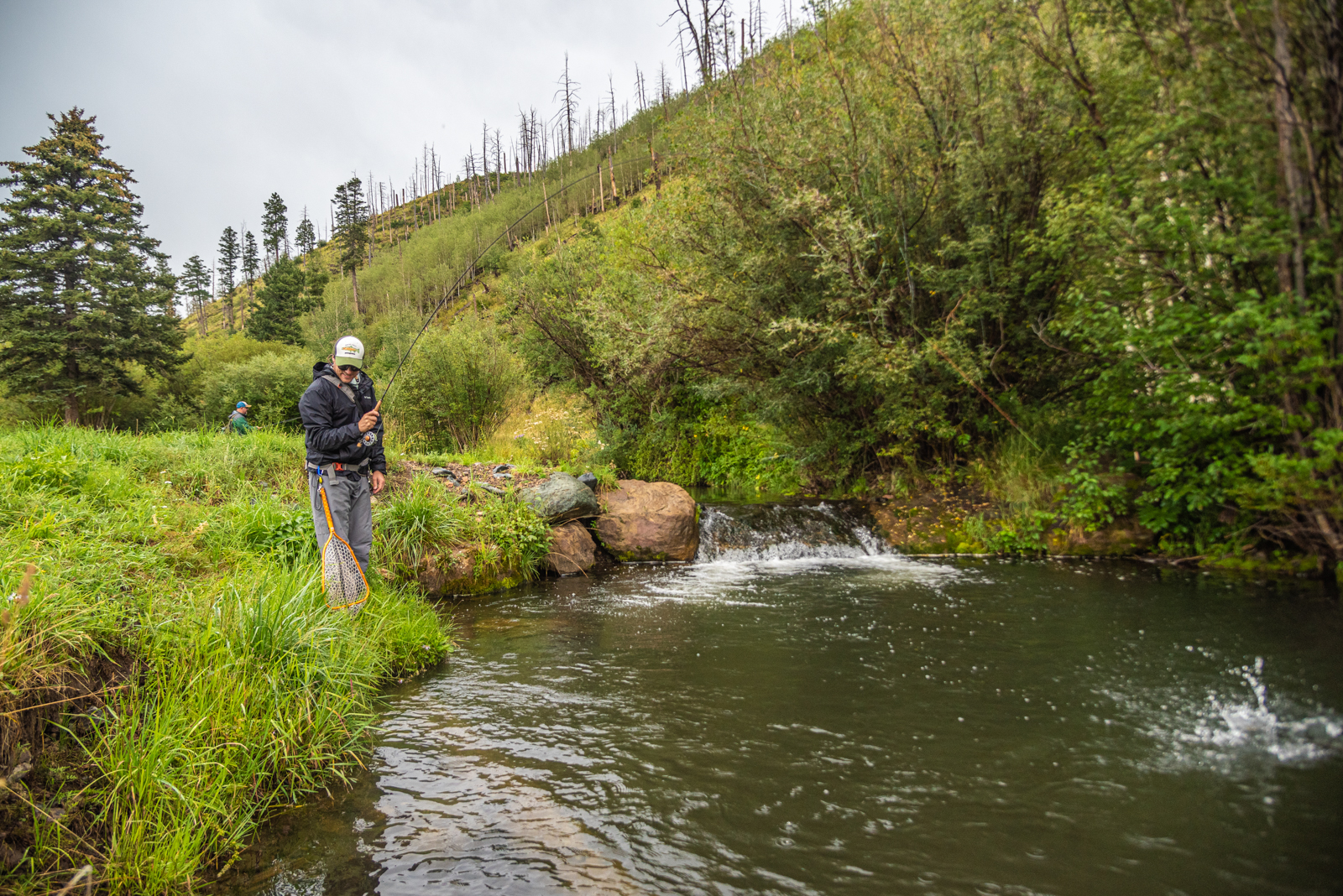
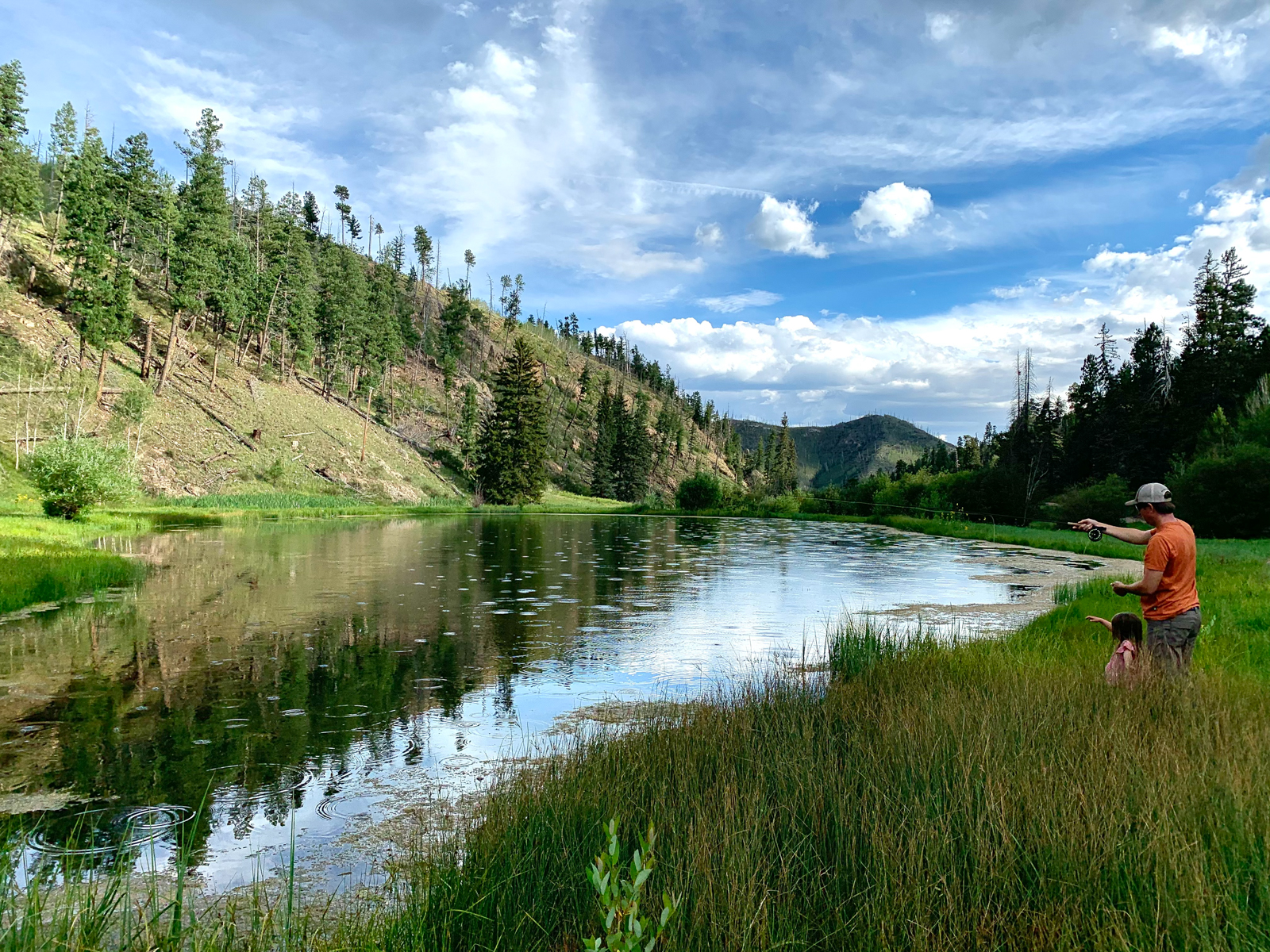
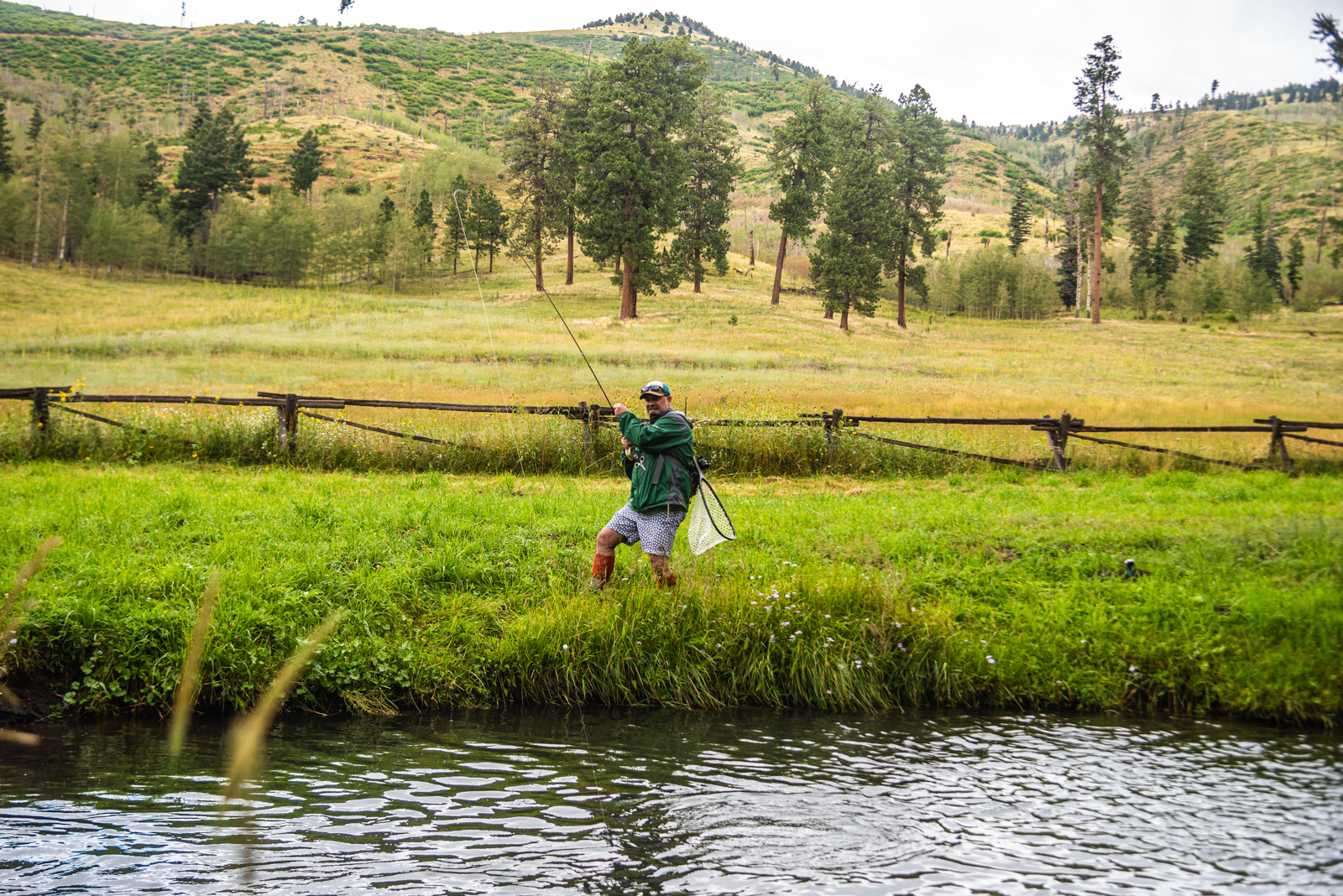
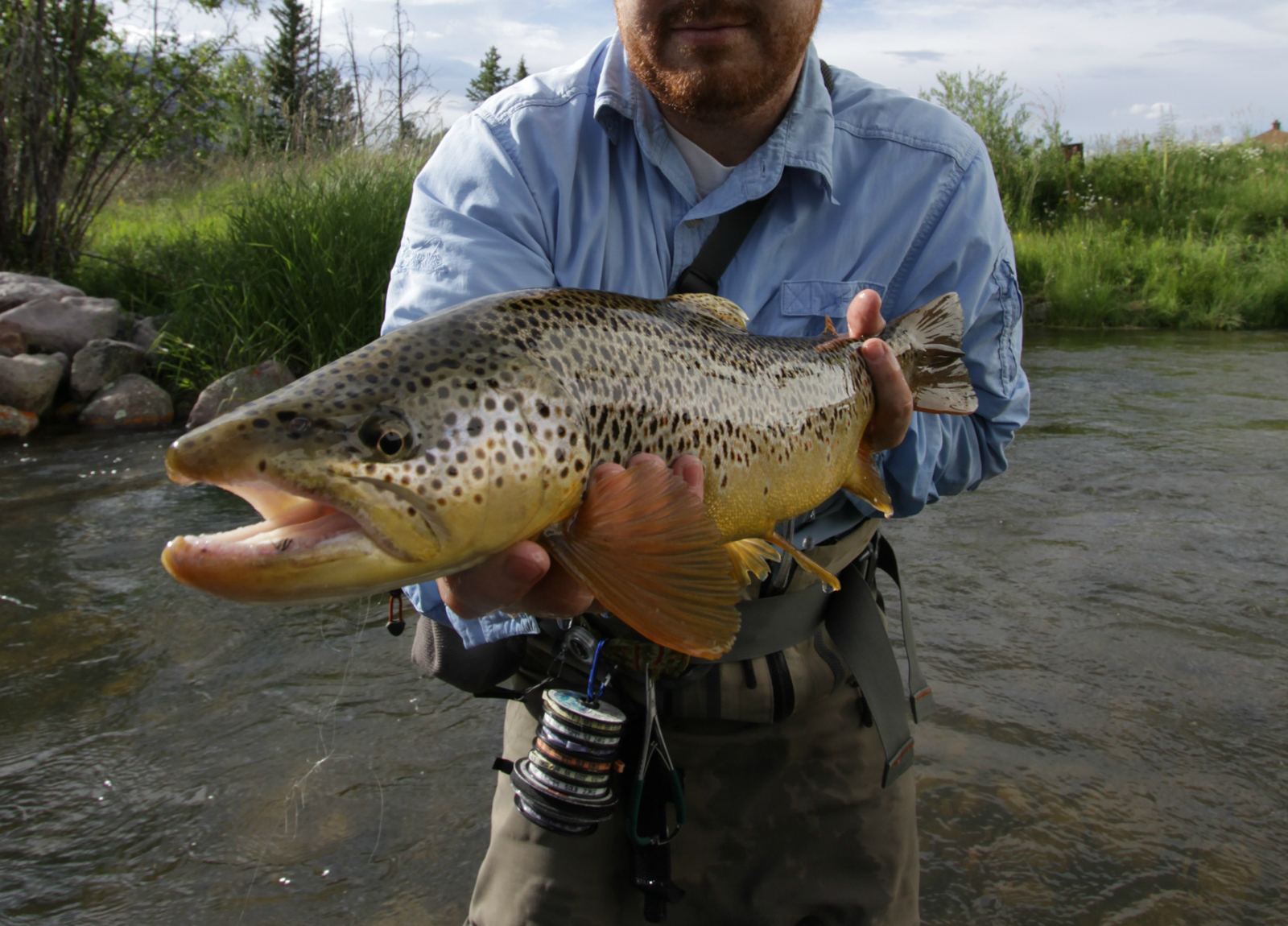
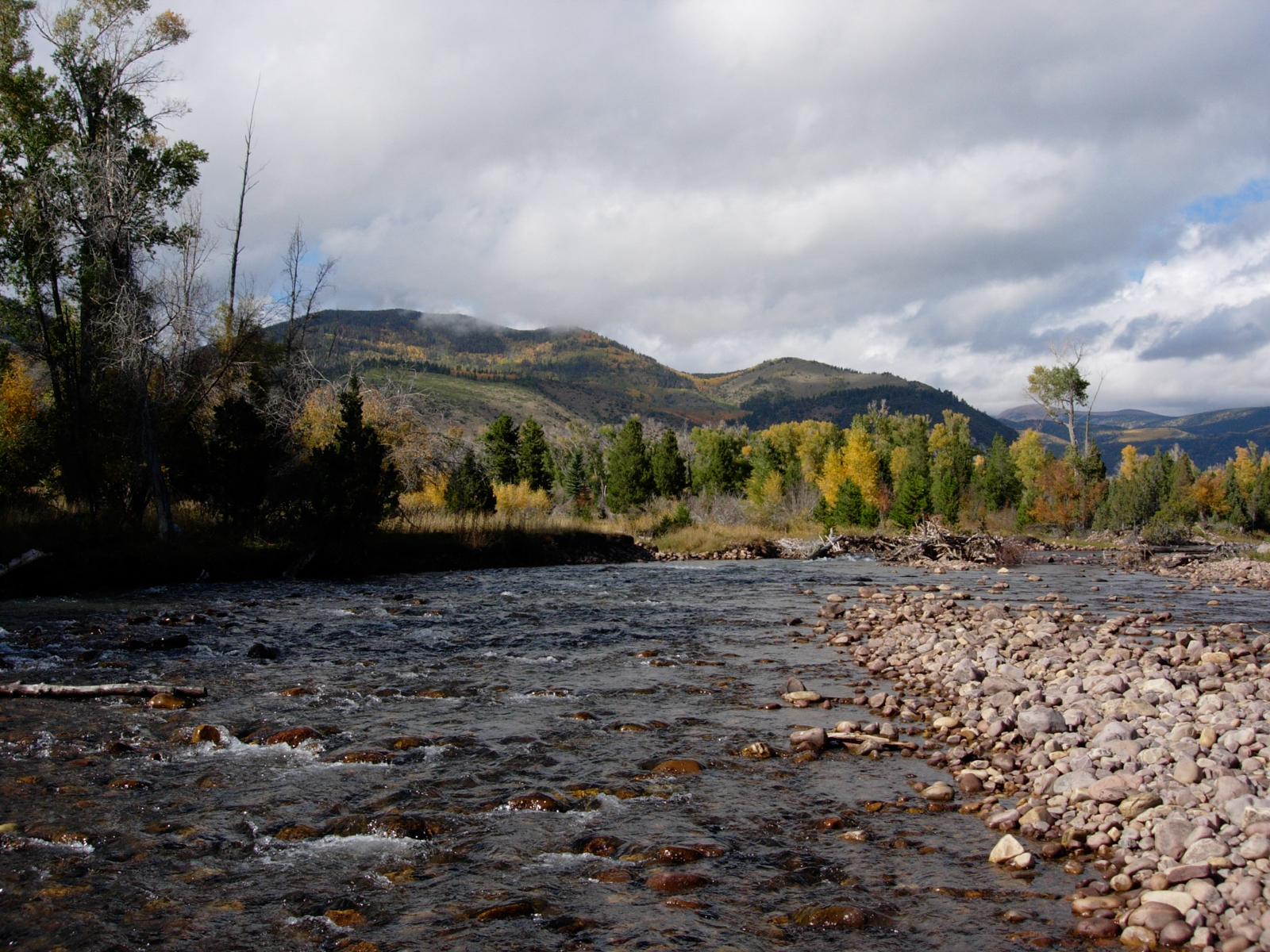
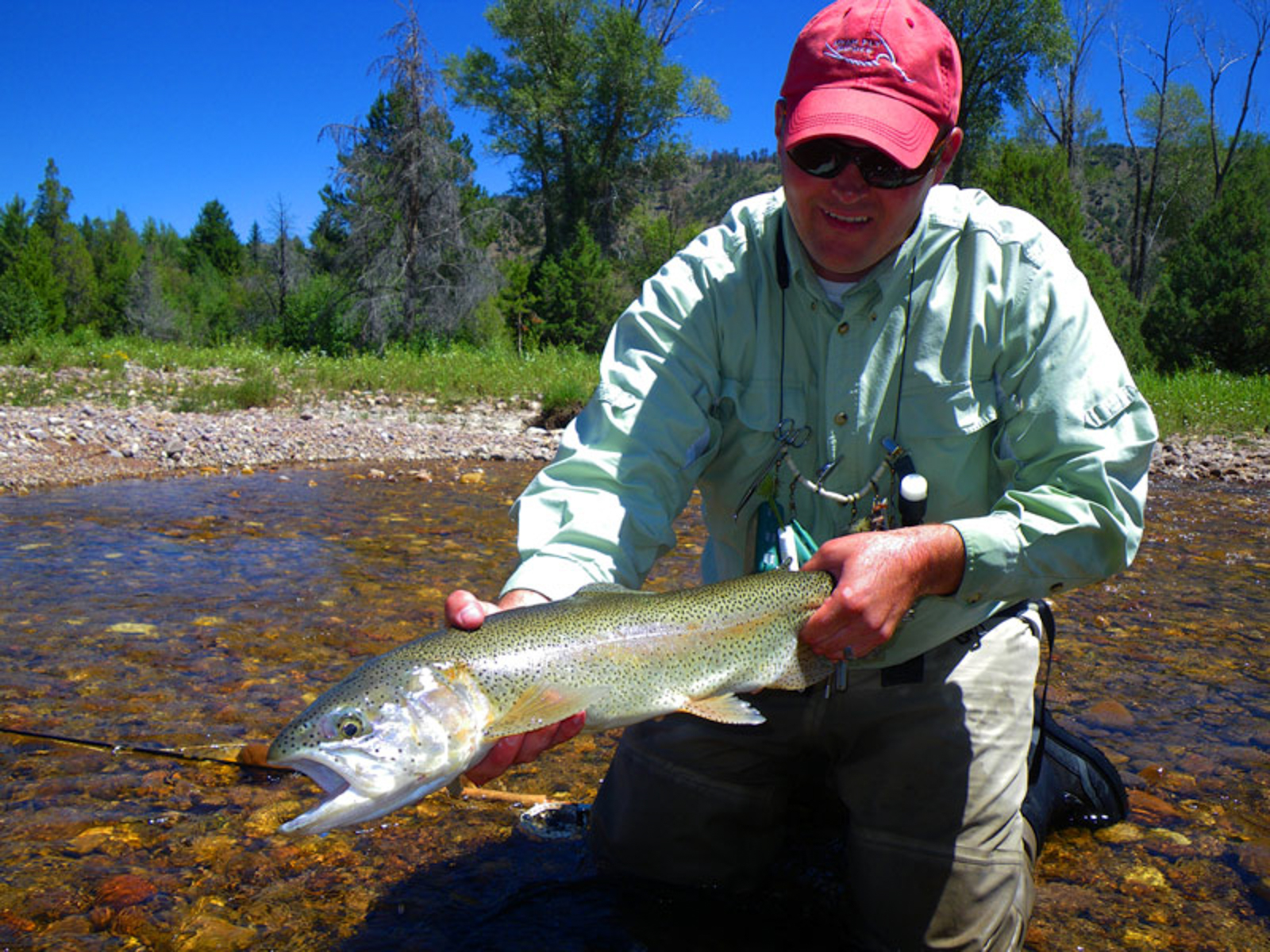
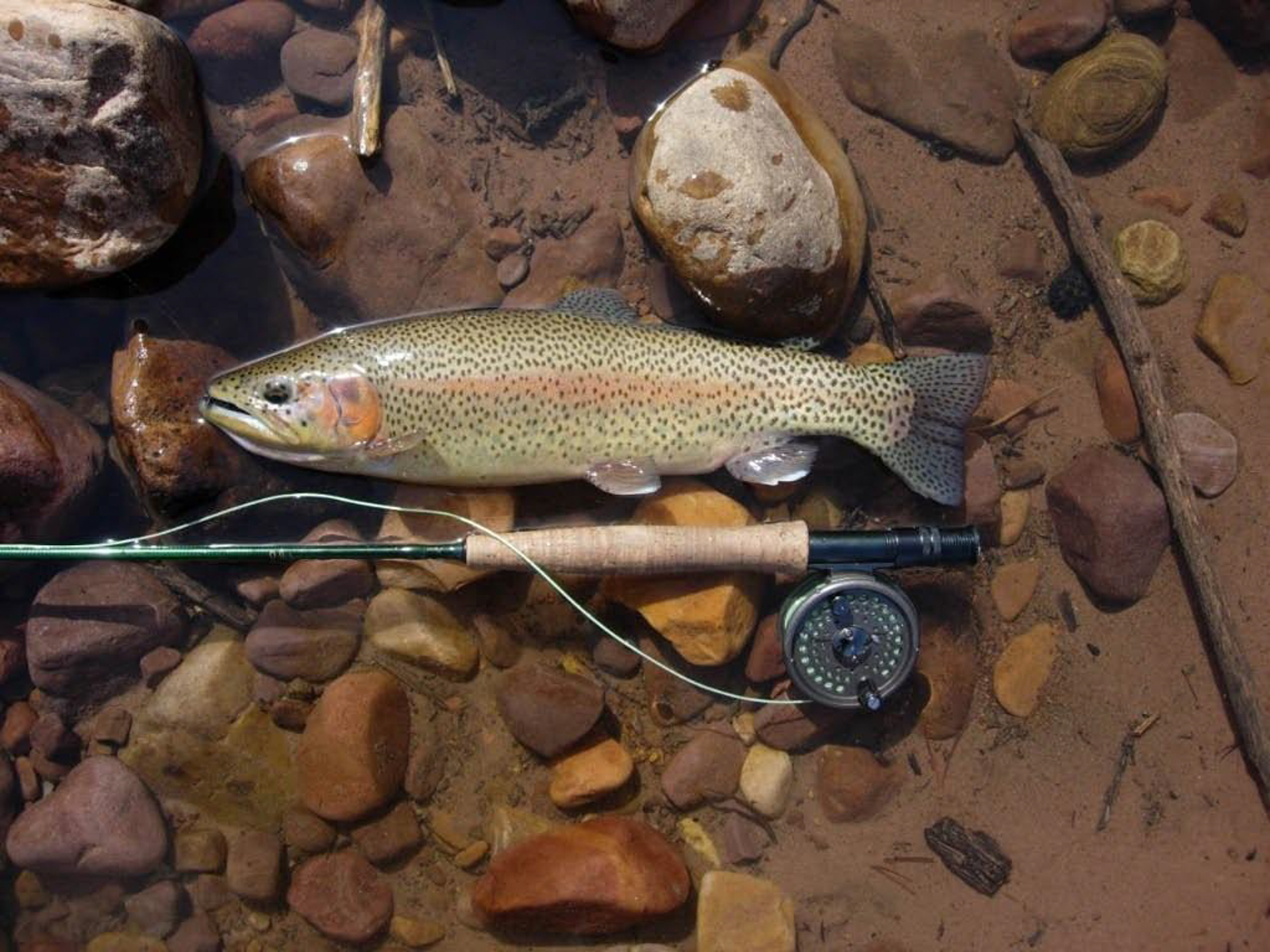
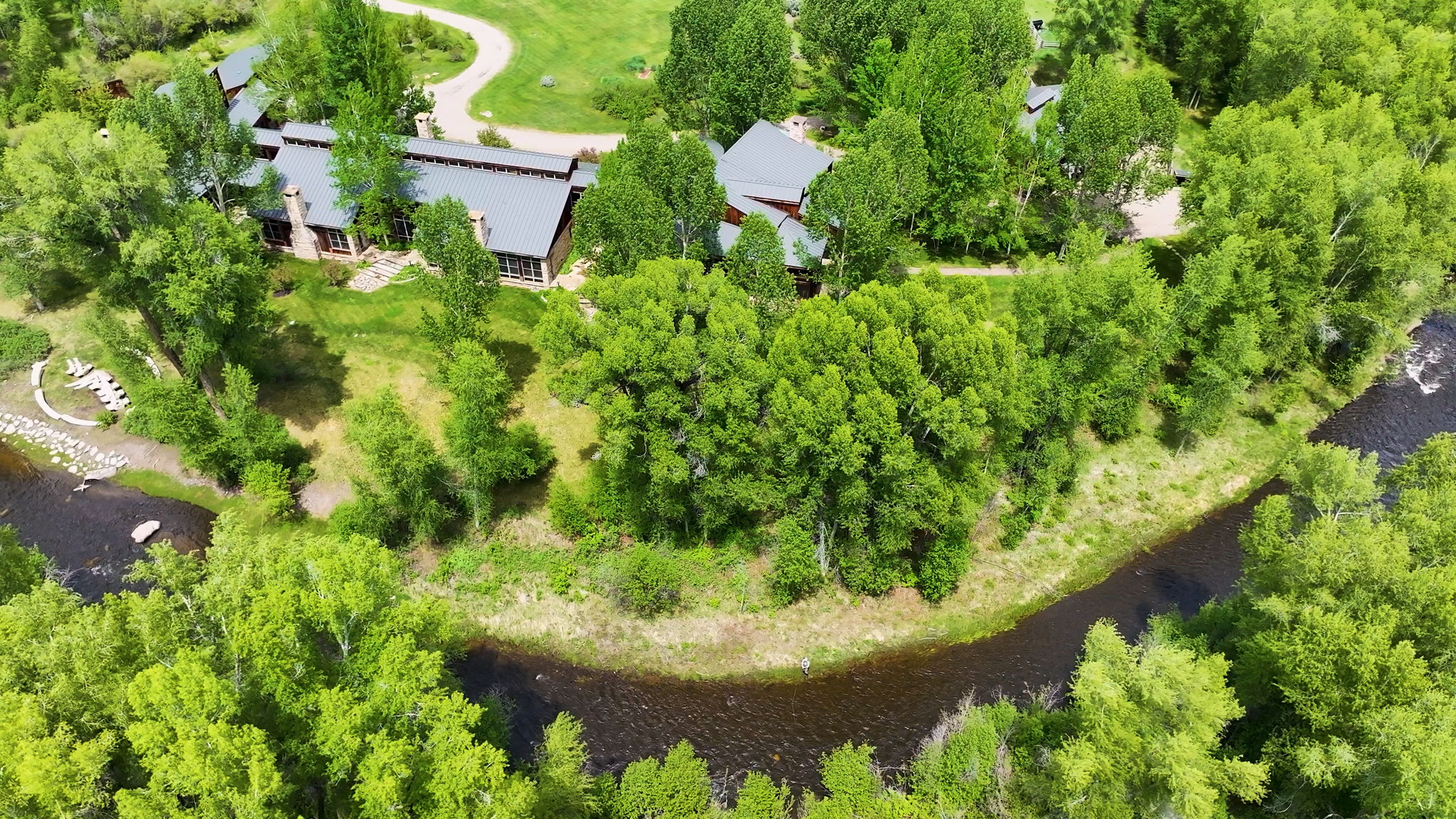
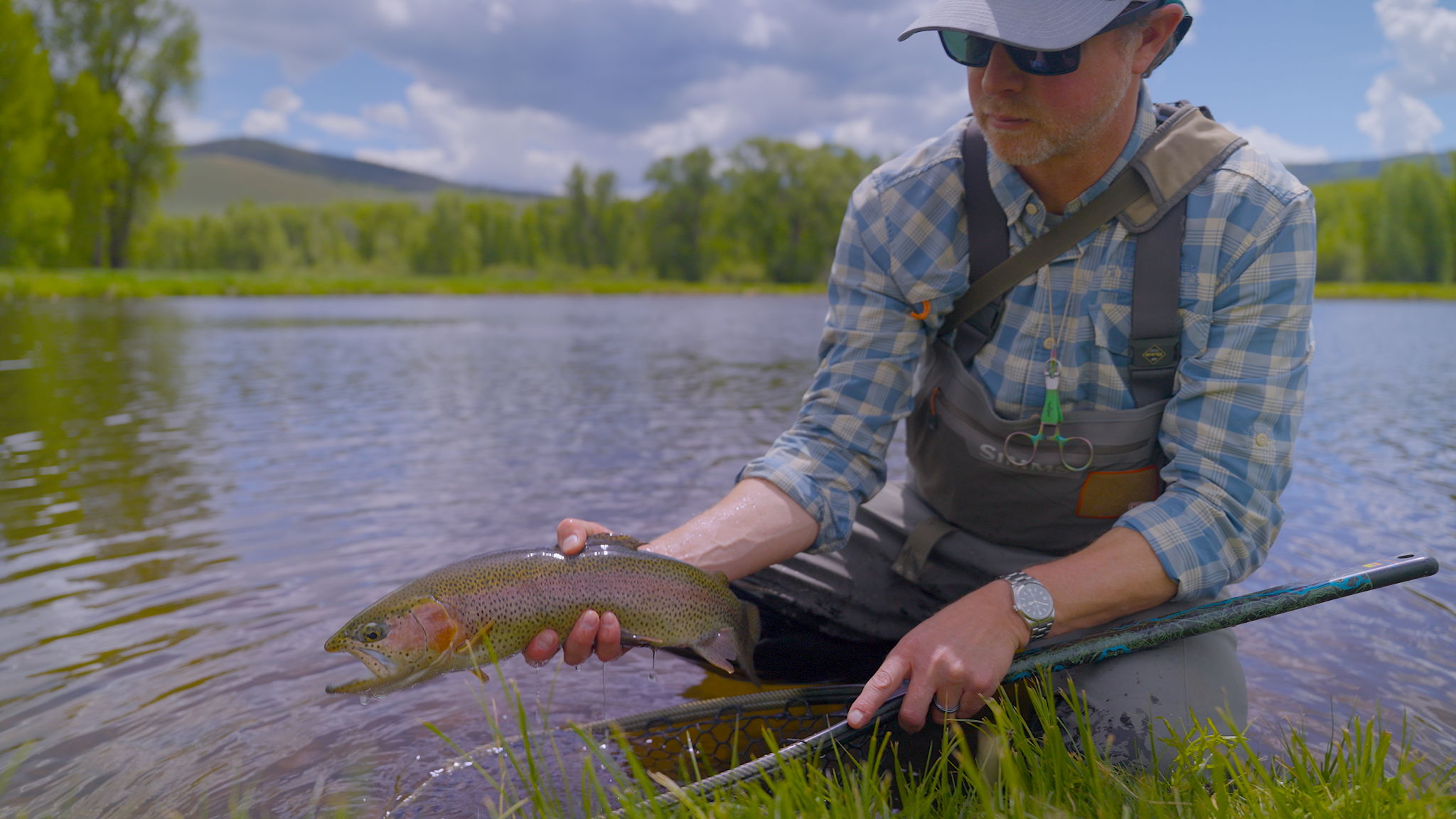
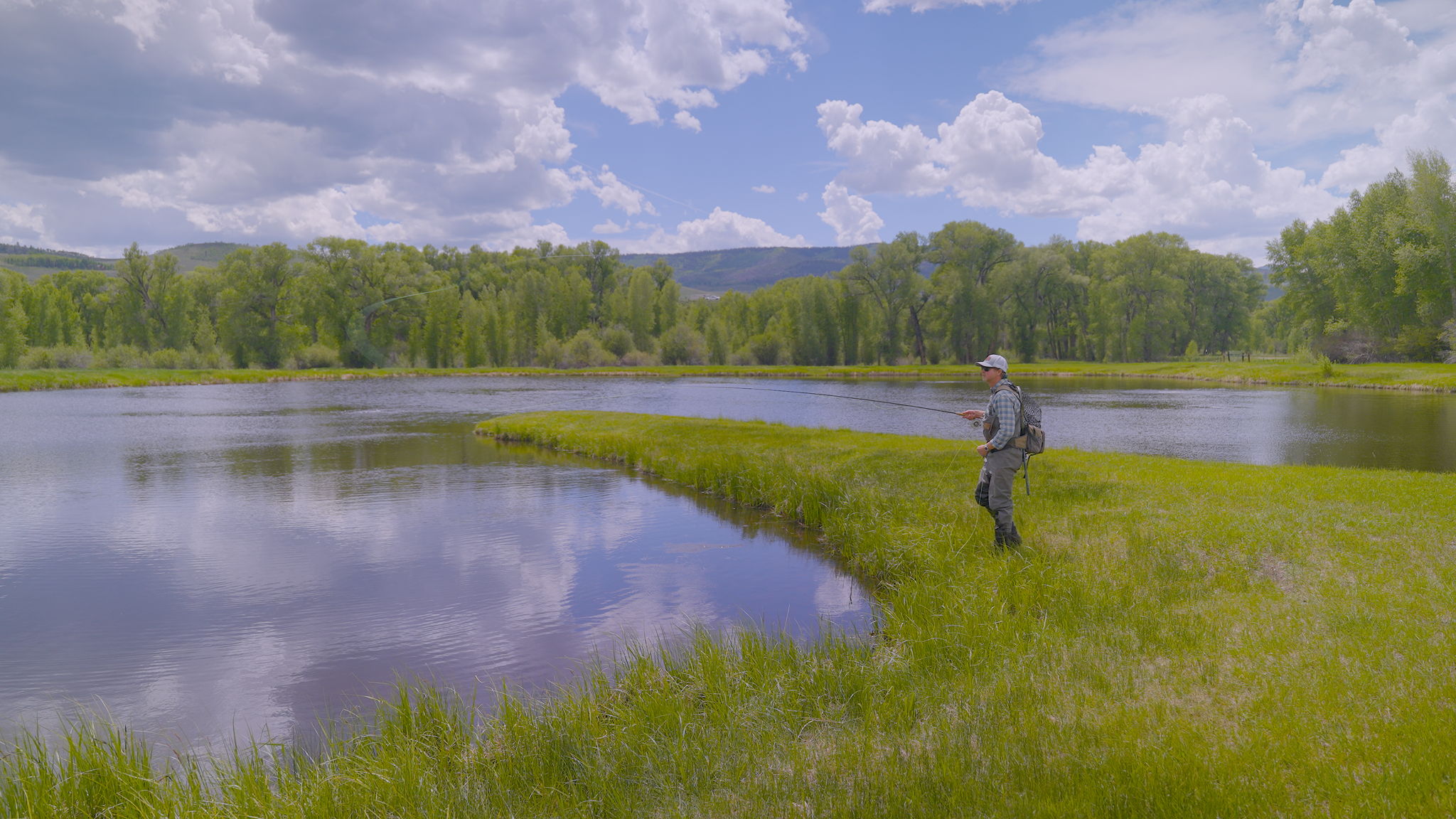
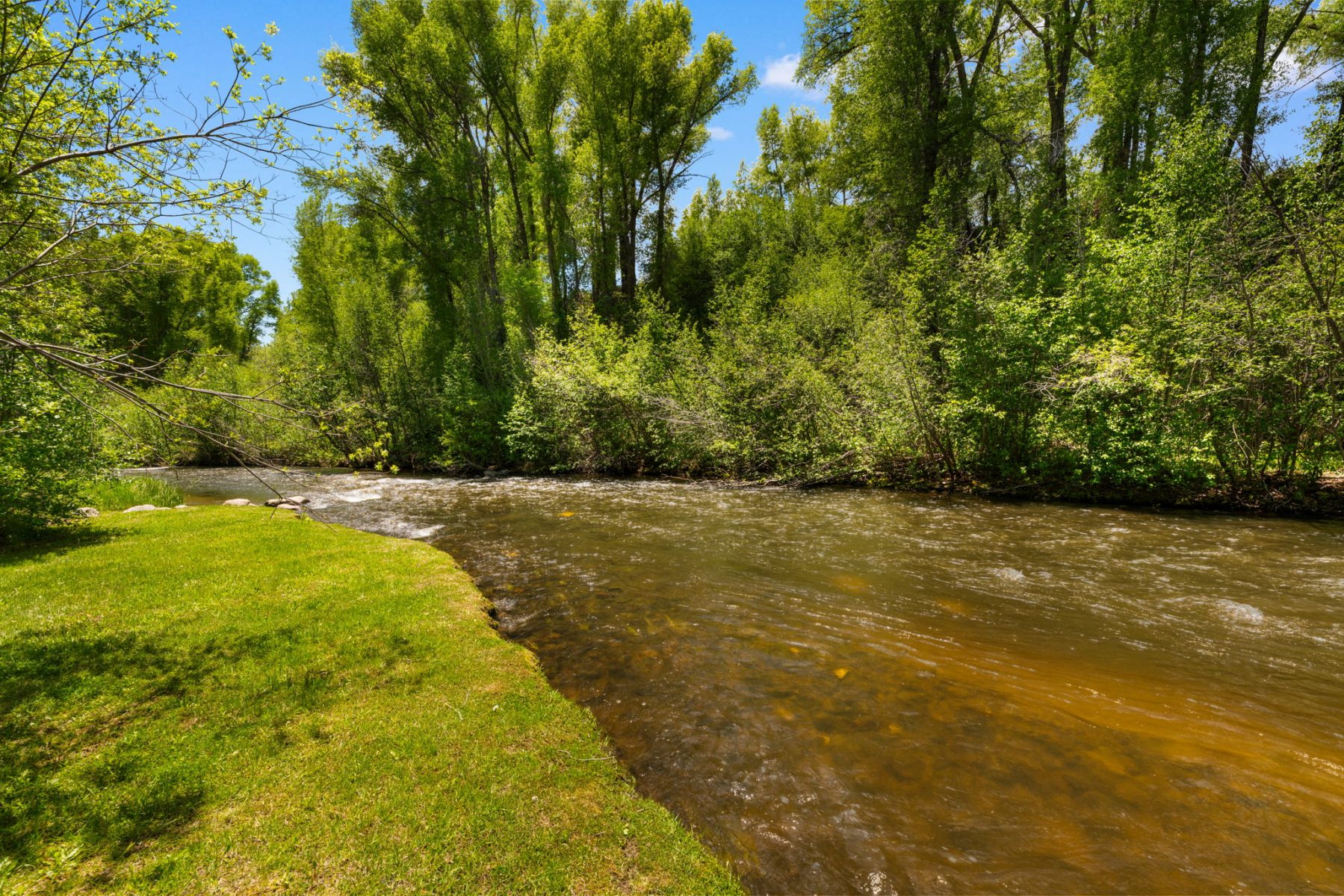
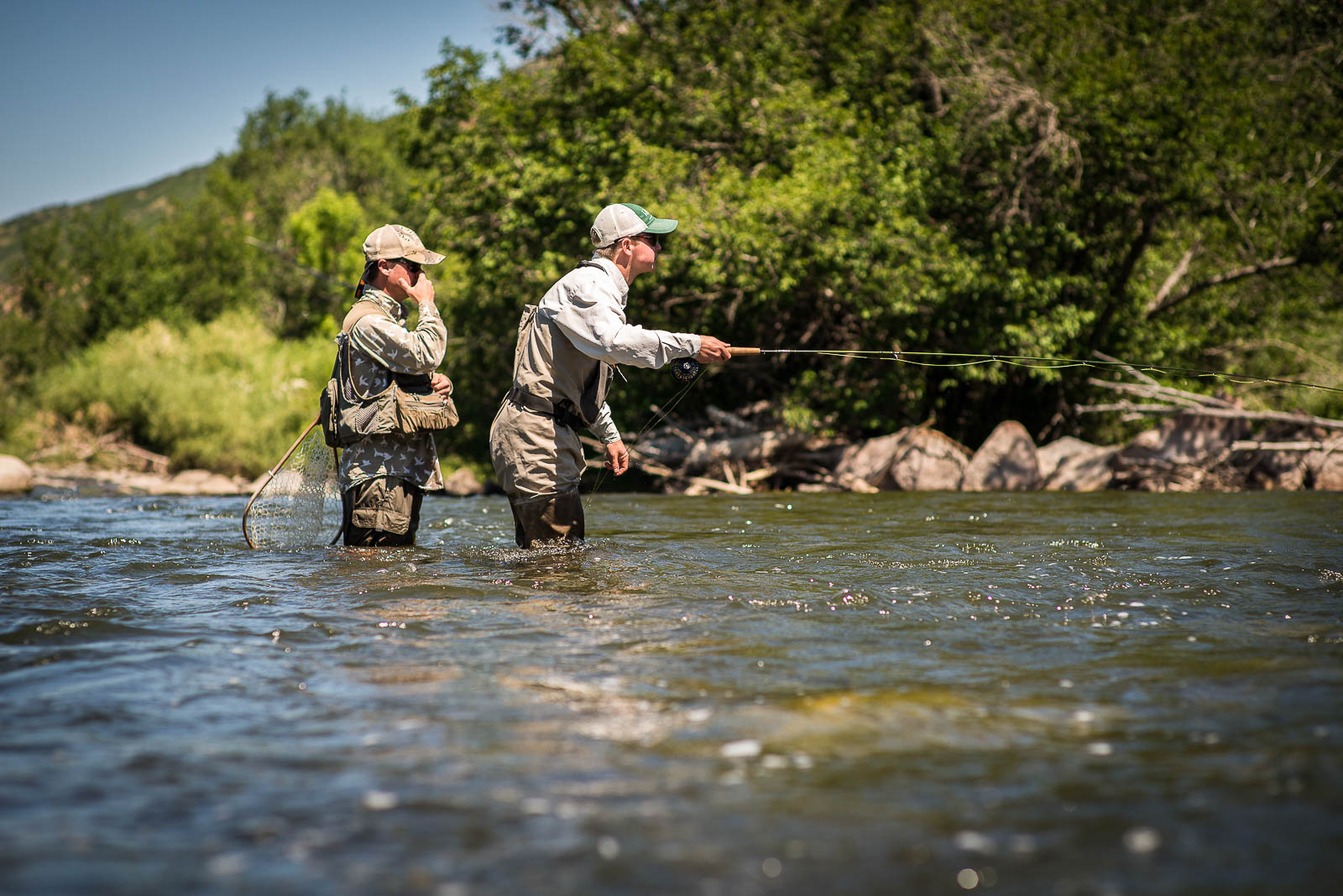
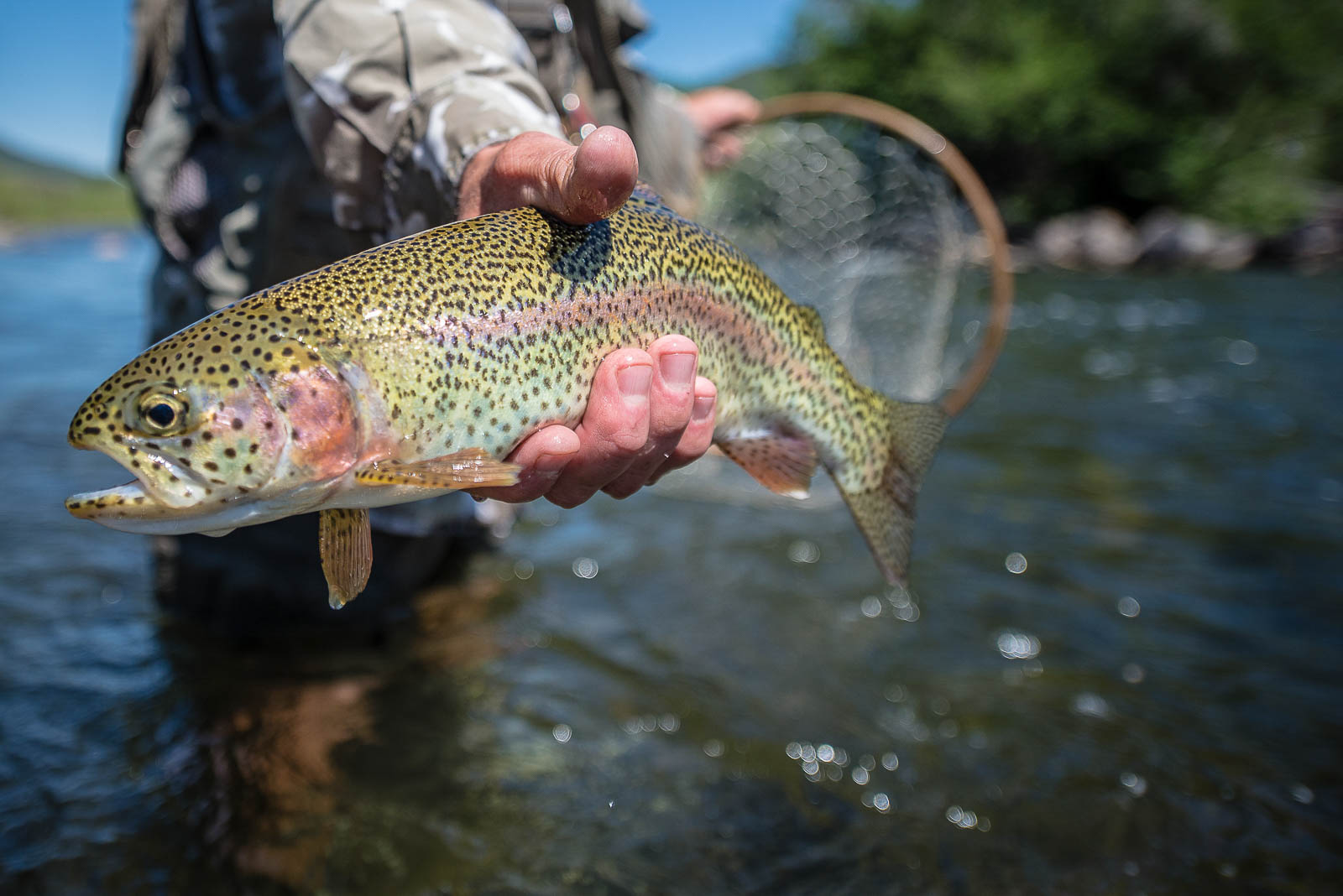
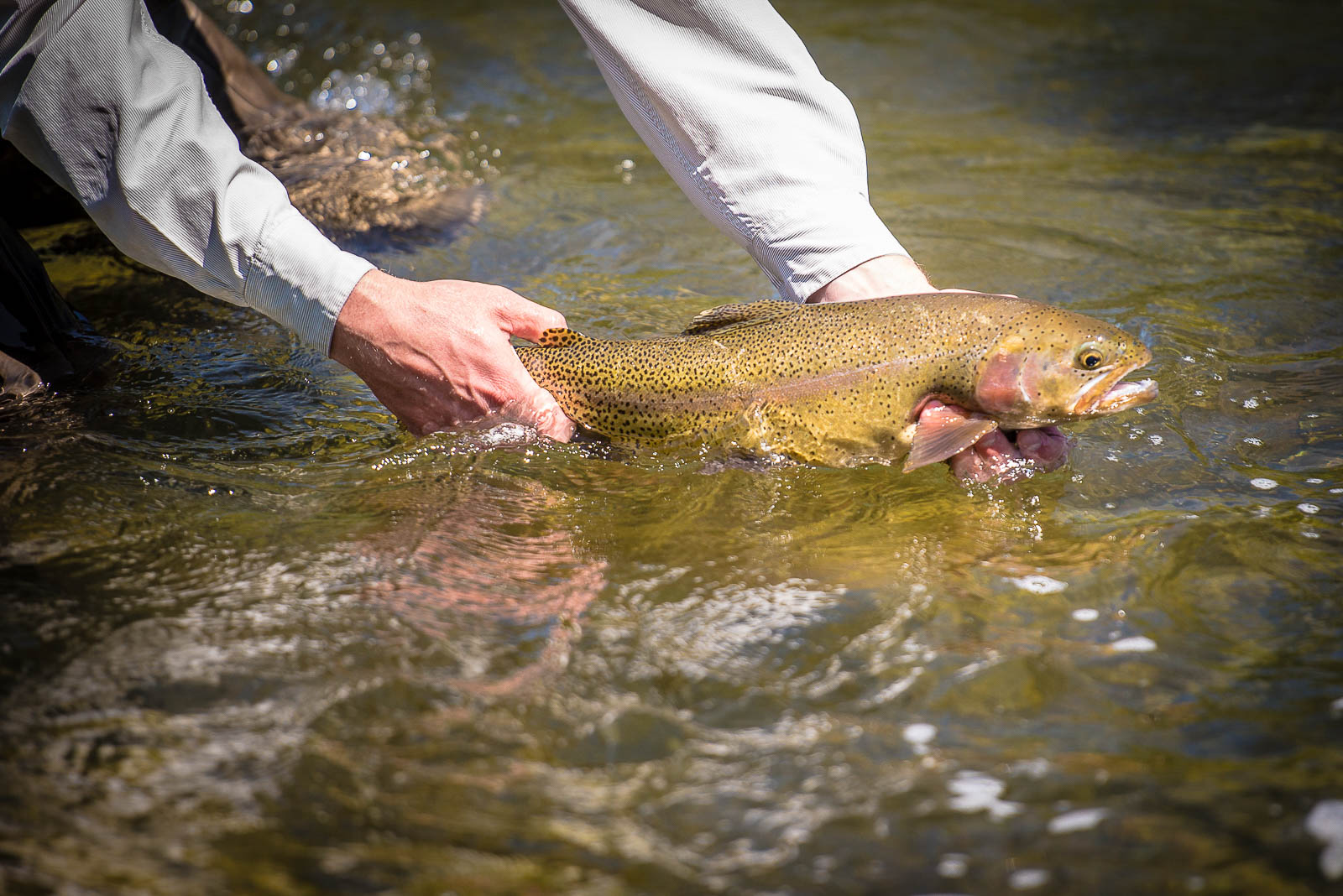
With later sunsets and rising temperatures, summer fishing is finally settling in across the mountains of the Western United States. As runoff subsides and waters run cool and clear, the doors open for world-class fly fishing. Following the hatches of various bugs, fish will be on the lookout for aggressive surface action. It is time to get the fly boxes out and put them to use. Below, our seasoned Brokers share valuable insight into the current and future western fly fishing hatches and hatch patterns to angle the fish native to these waters.

Fly Fishing Ranches for Sale in Wyoming

Antlers Ranch
Meeteetse, WY | 16,532 Acres
Wood River
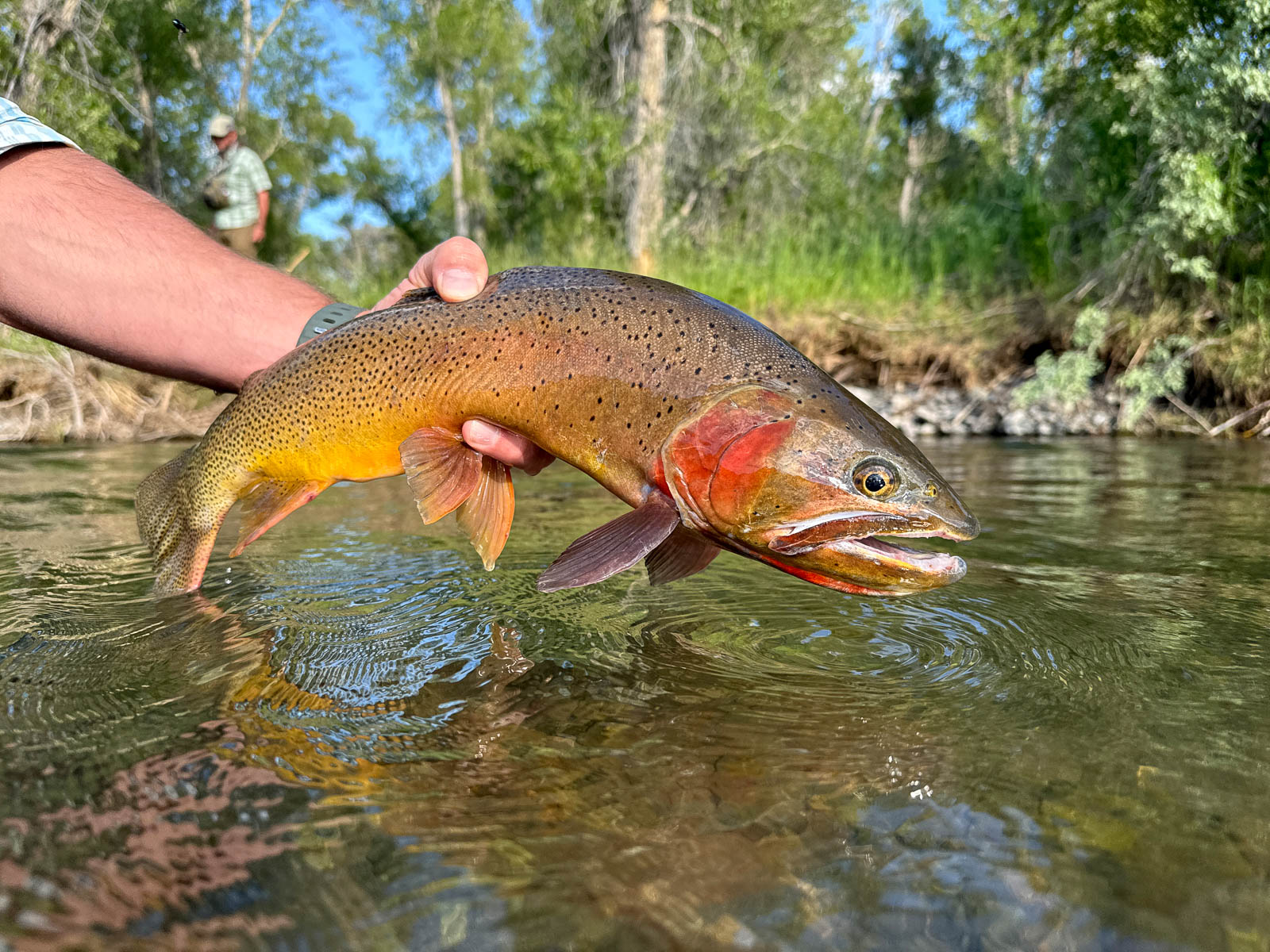
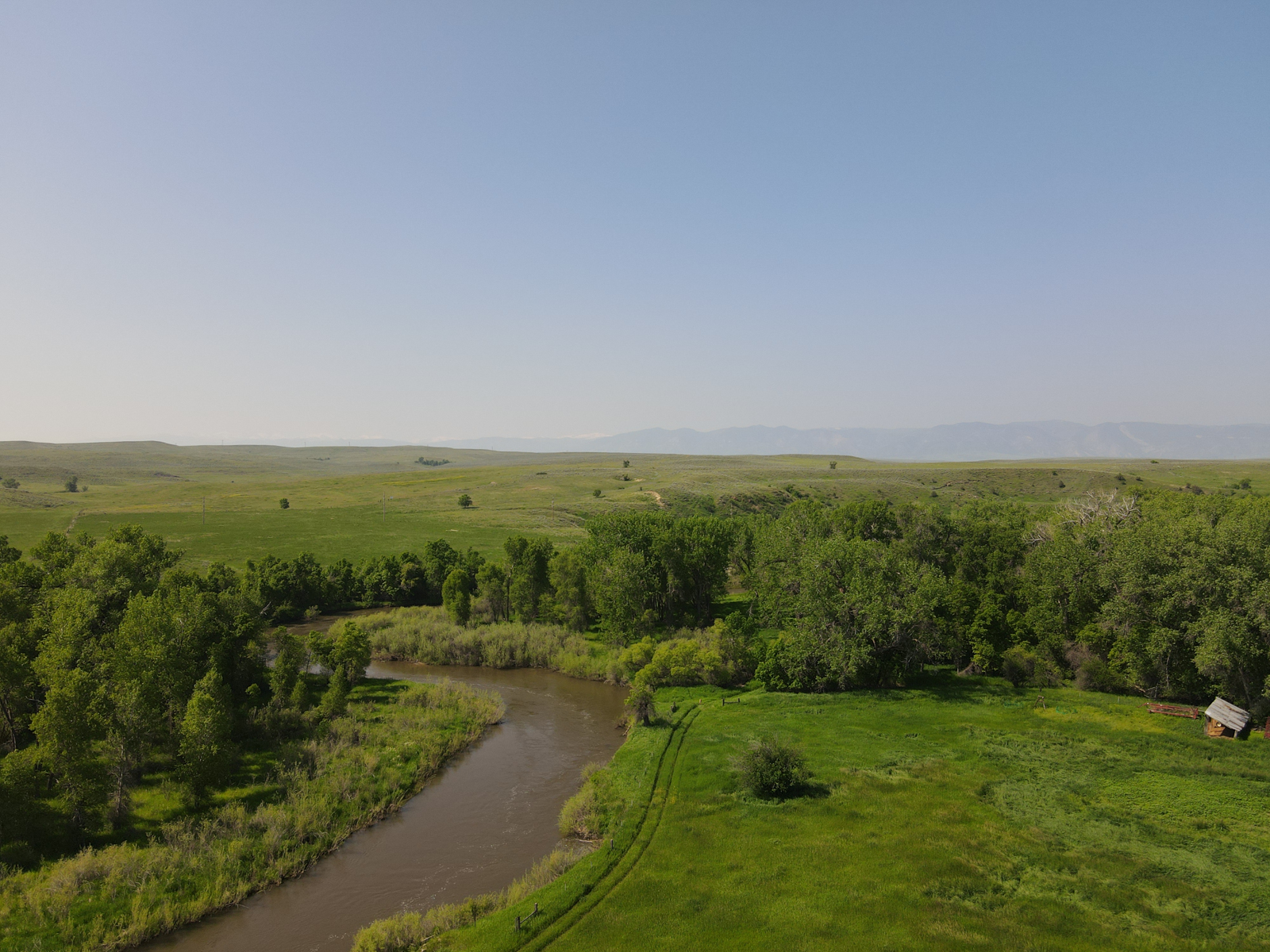
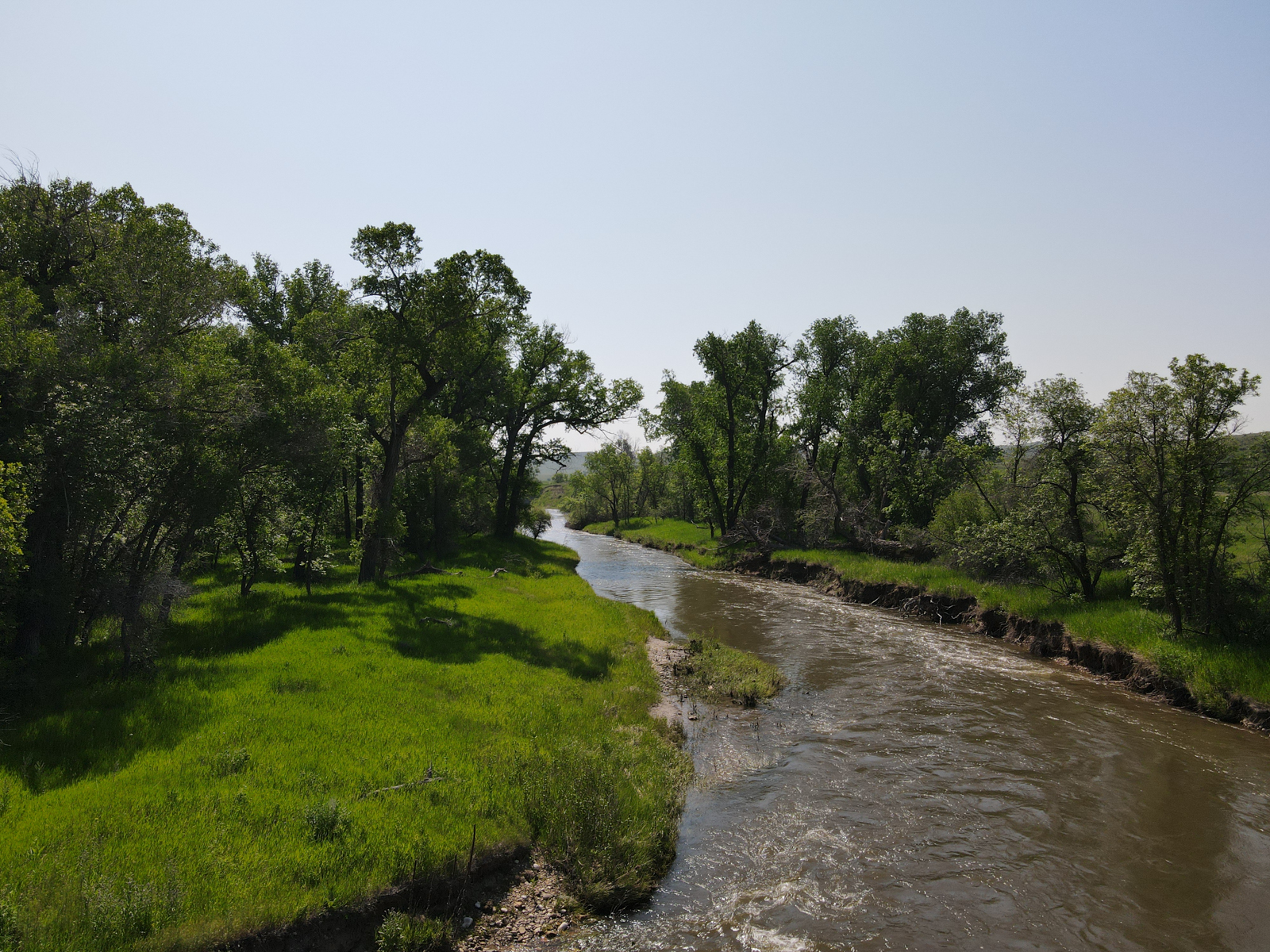
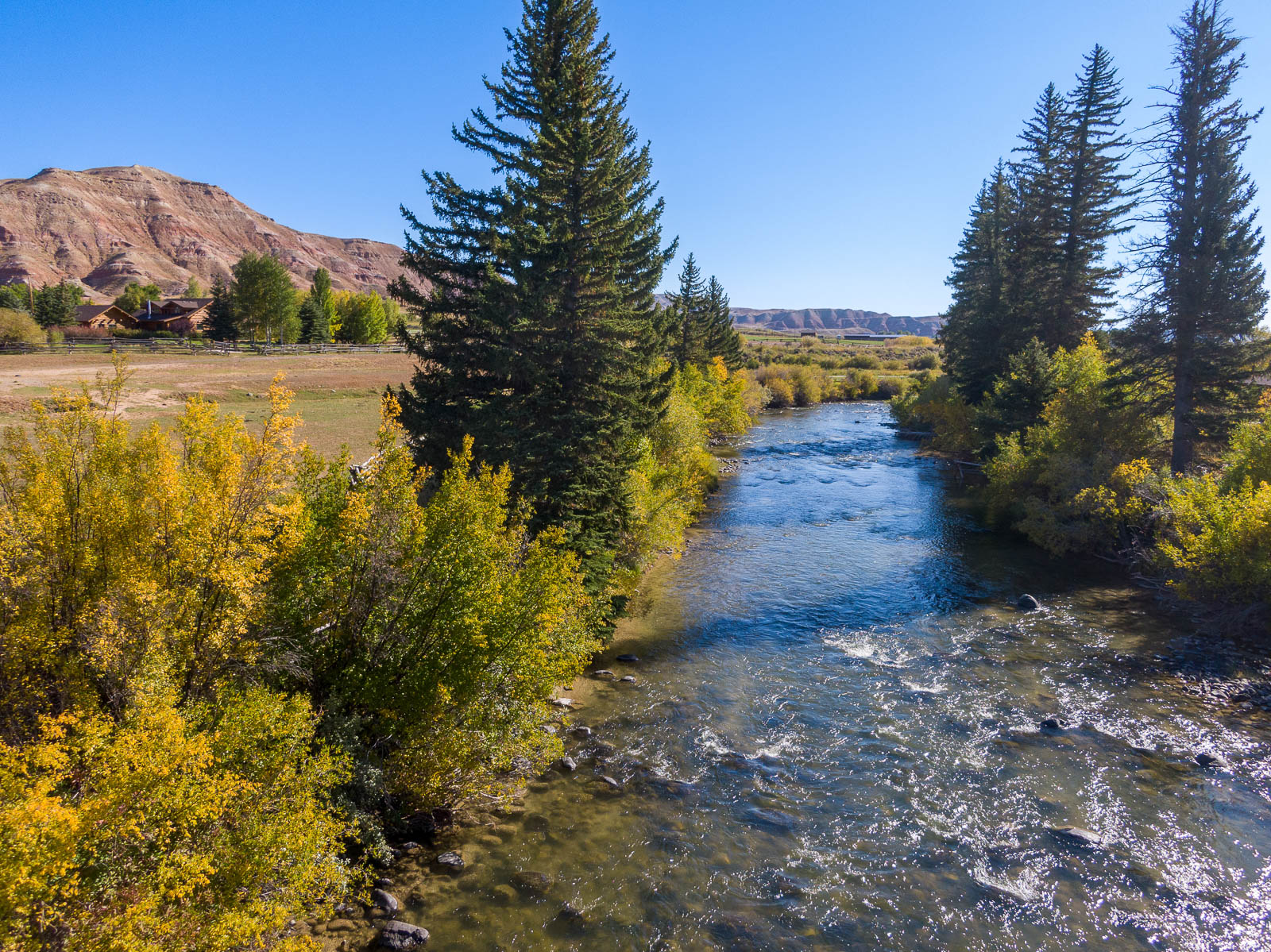
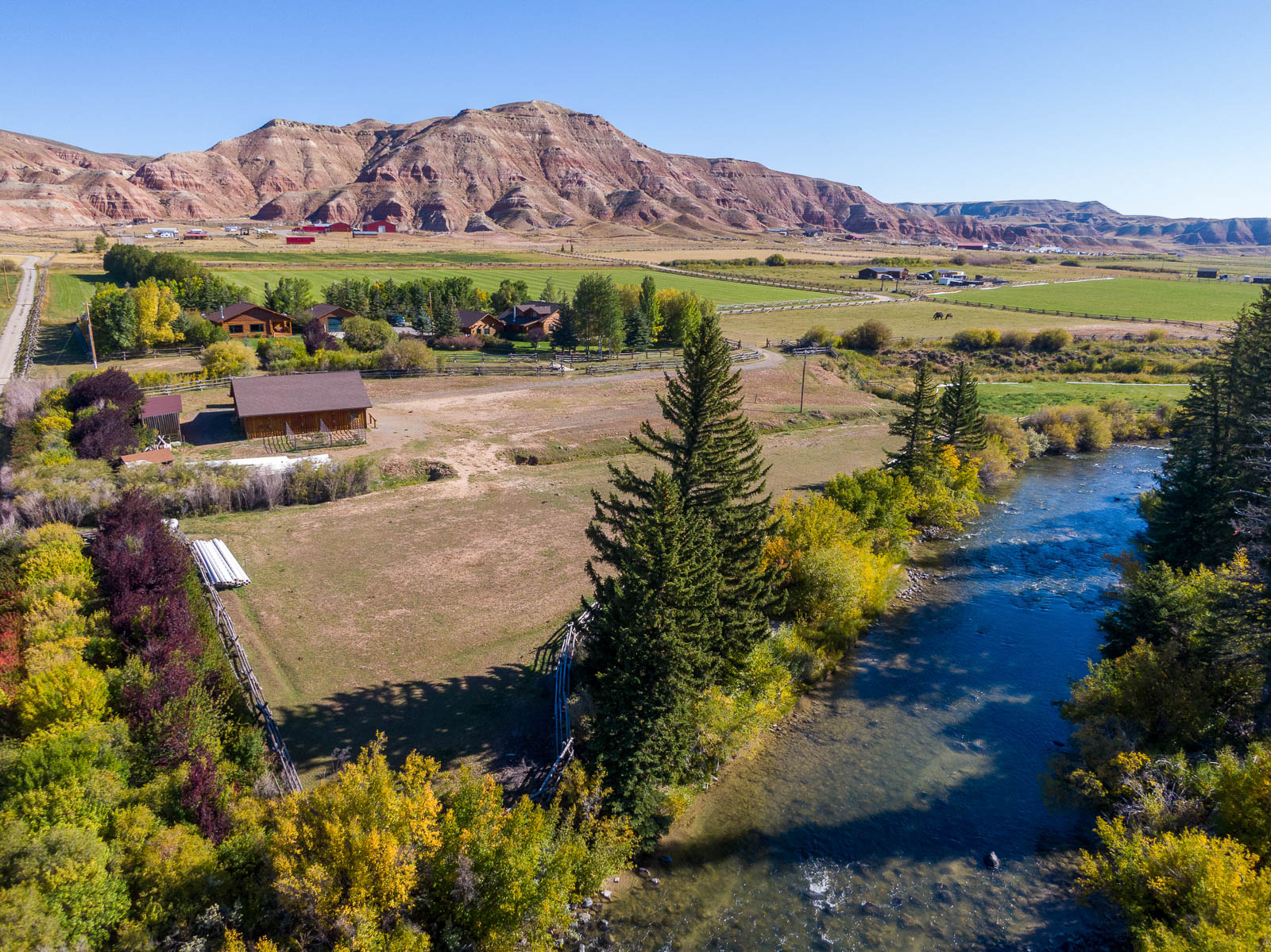
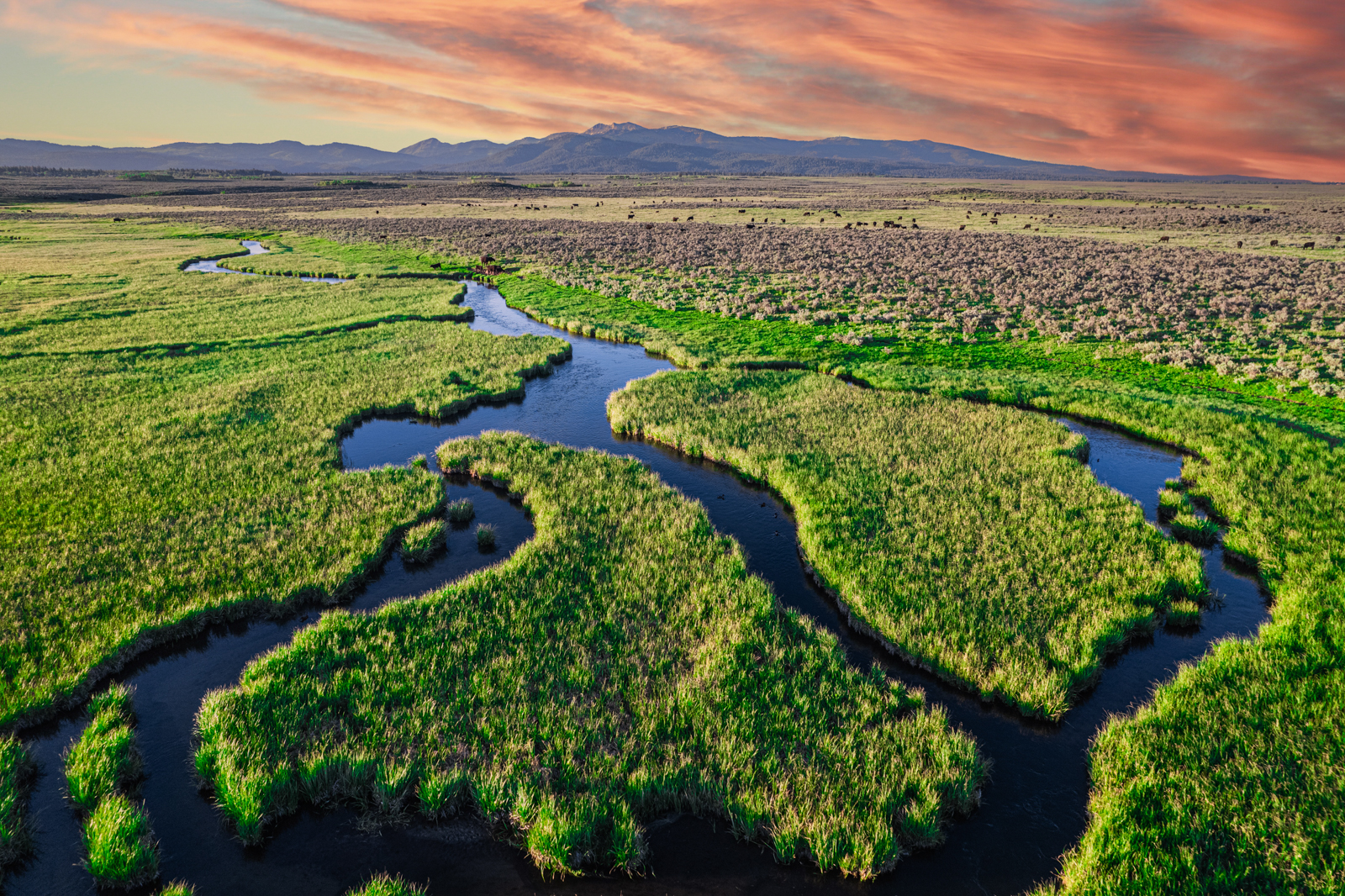
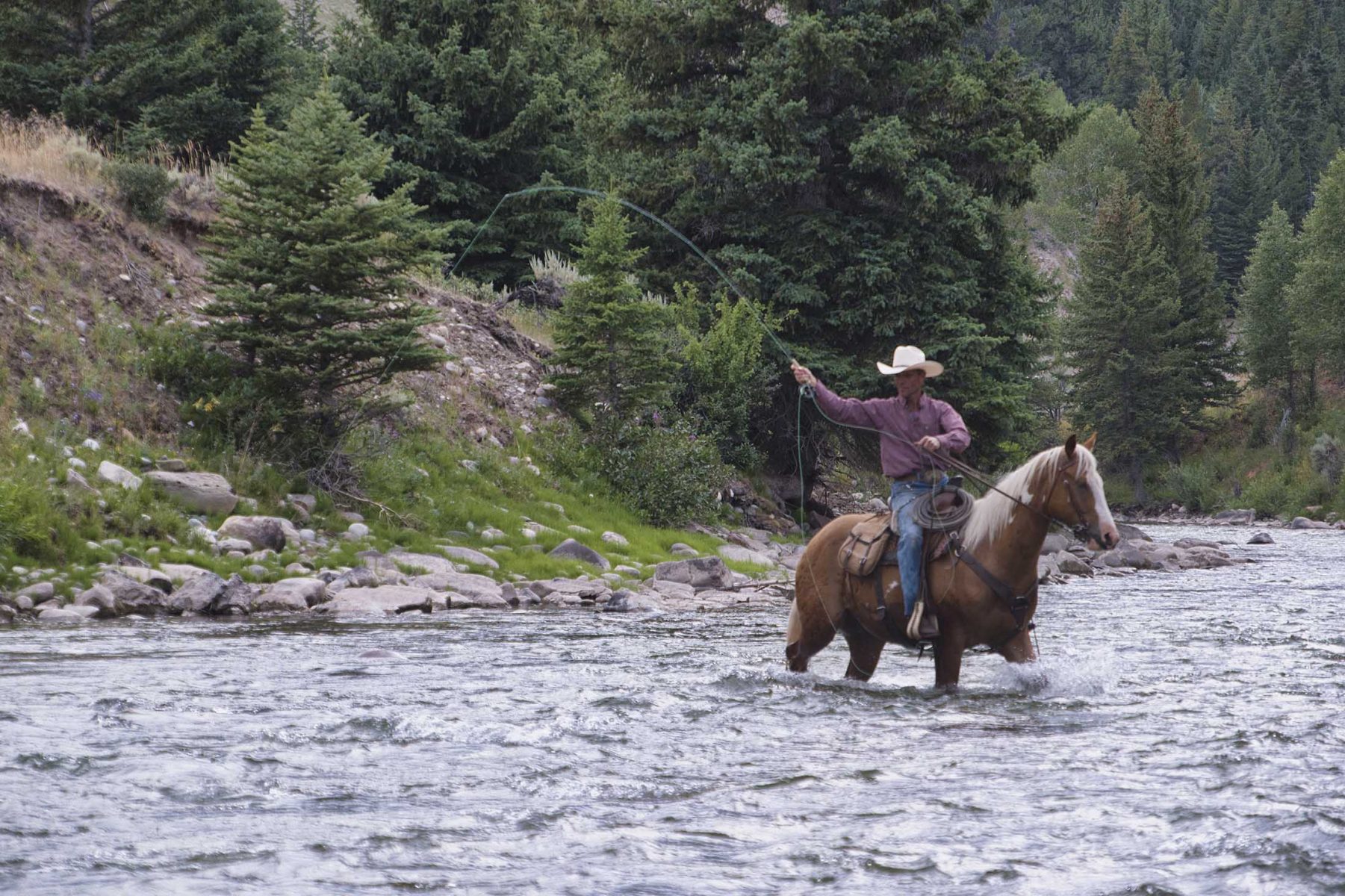
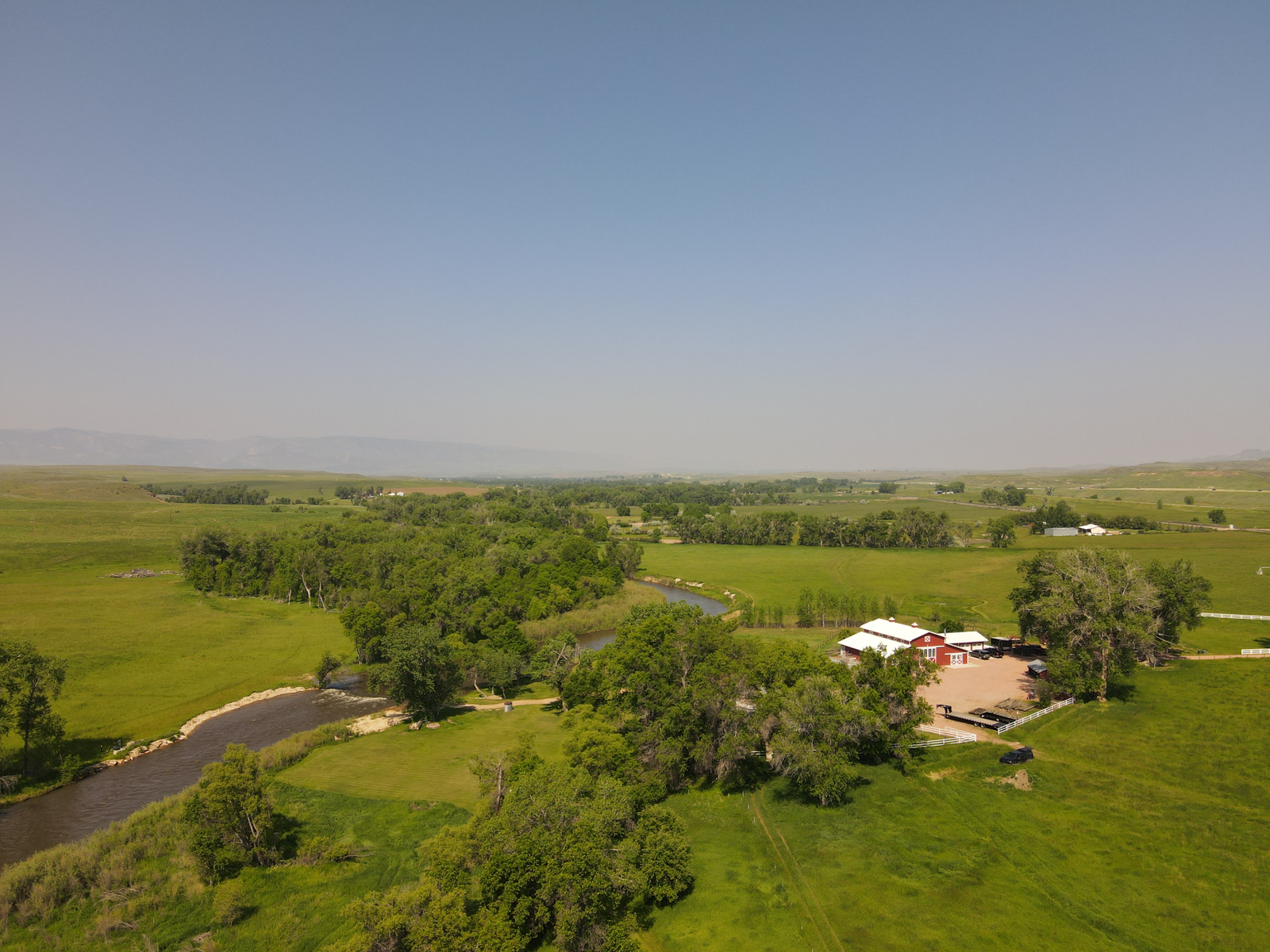
The crown jewel of Antlers Ranch, the Wood River flows for over six miles through deeded lands, creating a quintessential freestone experience. Its healthy, self-sustaining Yellowstone cutthroat population makes it a true native fishery. As June comes to an end, runoff has subsided, revealing clear, cold flows with abundant insect life. Expect consistent stonefly hatches along with PMDs and caddis in the riffles and eddies. Terrestrials become increasingly effective by early July, especially along grassy banks and undercut corners. Water walkers and variations of streamers have been top producers.

Gooseberry Creek
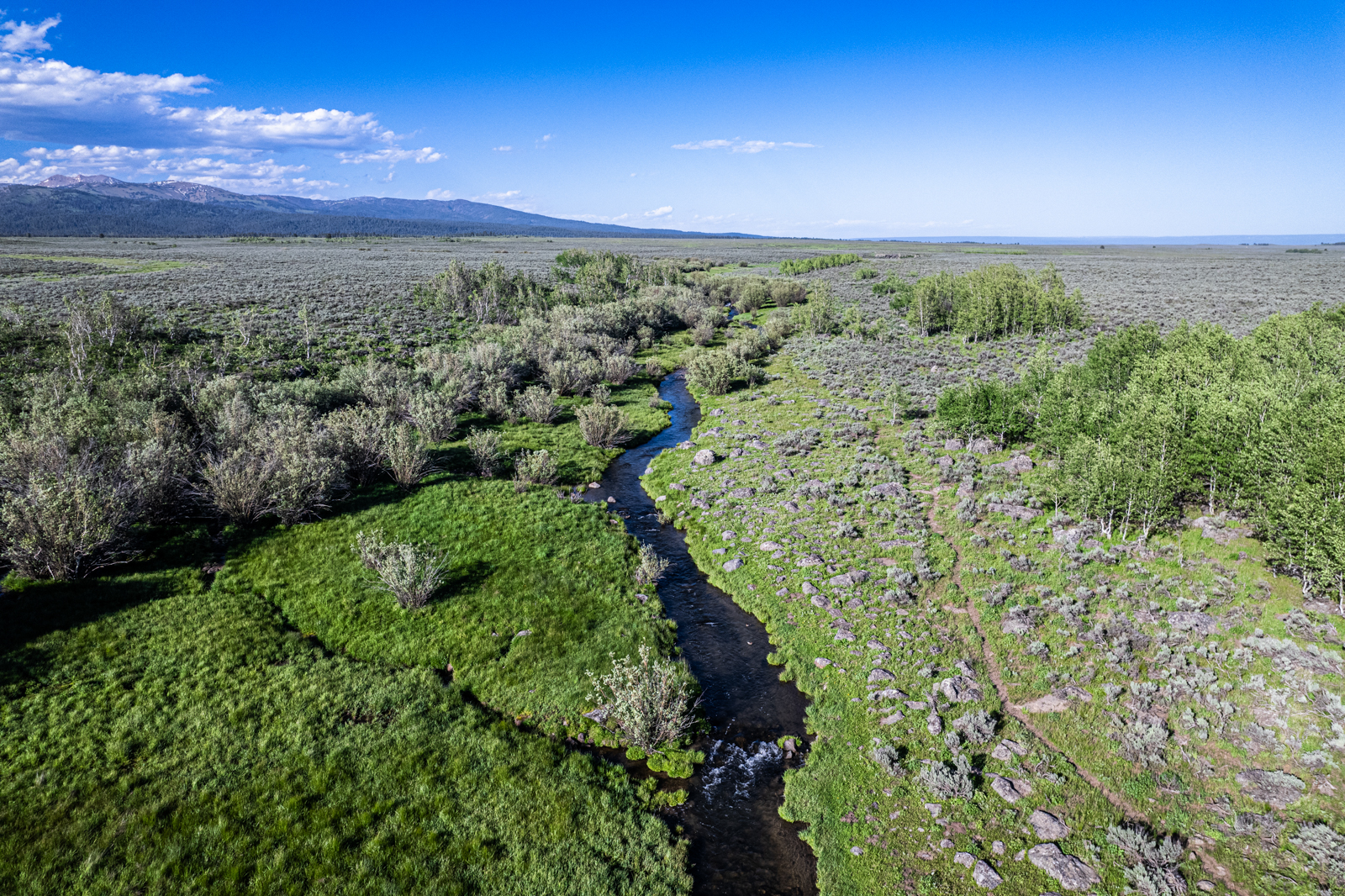
A diverse and dynamic tributary, Gooseberry Creek flows for over seven miles through the ranch, offering everything from willow-lined banks and lazy bends to canyon-style pocket water. Brook trout dominate here, often in the 8-14โ€ range. Mid-June through July brings active western fly fishing hatches of caddis, PMDs, and smaller stones. Terrestrials- especially beetles and small hoppers- also see plenty of surface action. A favorite among the brokers has been Kreelex streamers, which seem to entice brook trout out of the deeper pools. Gooseberry is perfect for a summer day of wet wading and fishing for trout that have never seen a fly.

Dick Creek
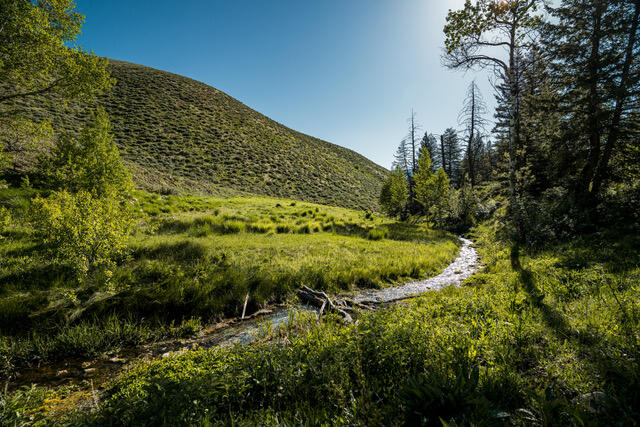
More intimate than the others, Dick Creek is a cutthroat stream with scenic views and restoration potential. It fishes best during early summer when flows are strong and water temps are cool. Expect isolated hatches of mayflies and midges, with dry fly opportunities in slow bends and plunge pools. This is a small-stream anglerโ€™s dream- tight casts, light lines, and high reward in a setting few ever explore.

Stonewall Creek
Stonewall Creek provides a unique fishery thanks to inflow from irrigation canals and proximity to Lower Sunshine Reservoir. The real magic happens in early to mid-summer when lake-run fish push up to spawn. During these periods, anglers can encounter larger-than-expected trout- often migrating cutthroat and the occasional hybrid- holding in deep pools and along tailouts. Fish it with streamers early, then shift to caddis and PMDs during warm afternoons.

Explore Antlers Ranch

Red Hills Ranch
Jackson Hole, WY | 190 Acres
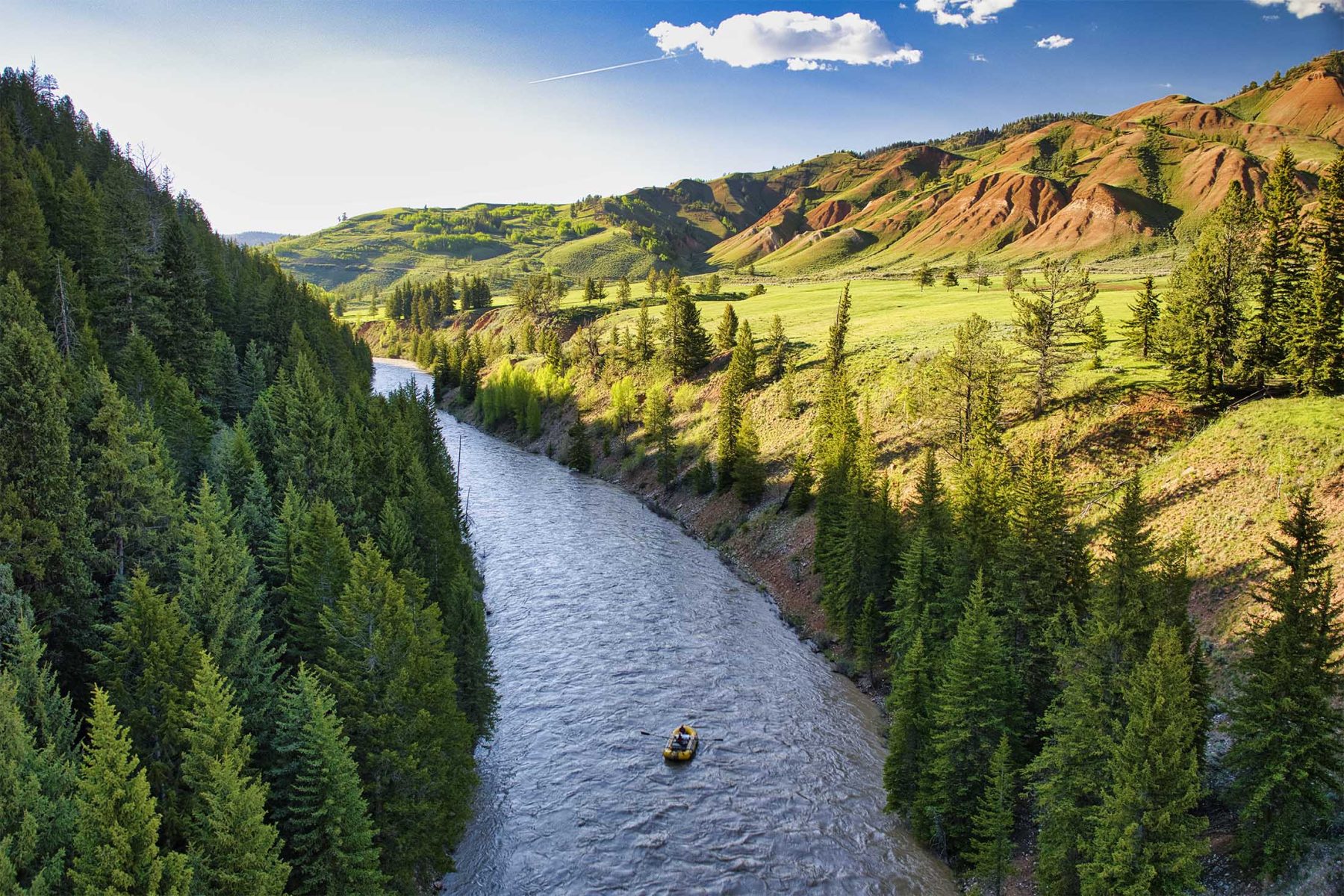
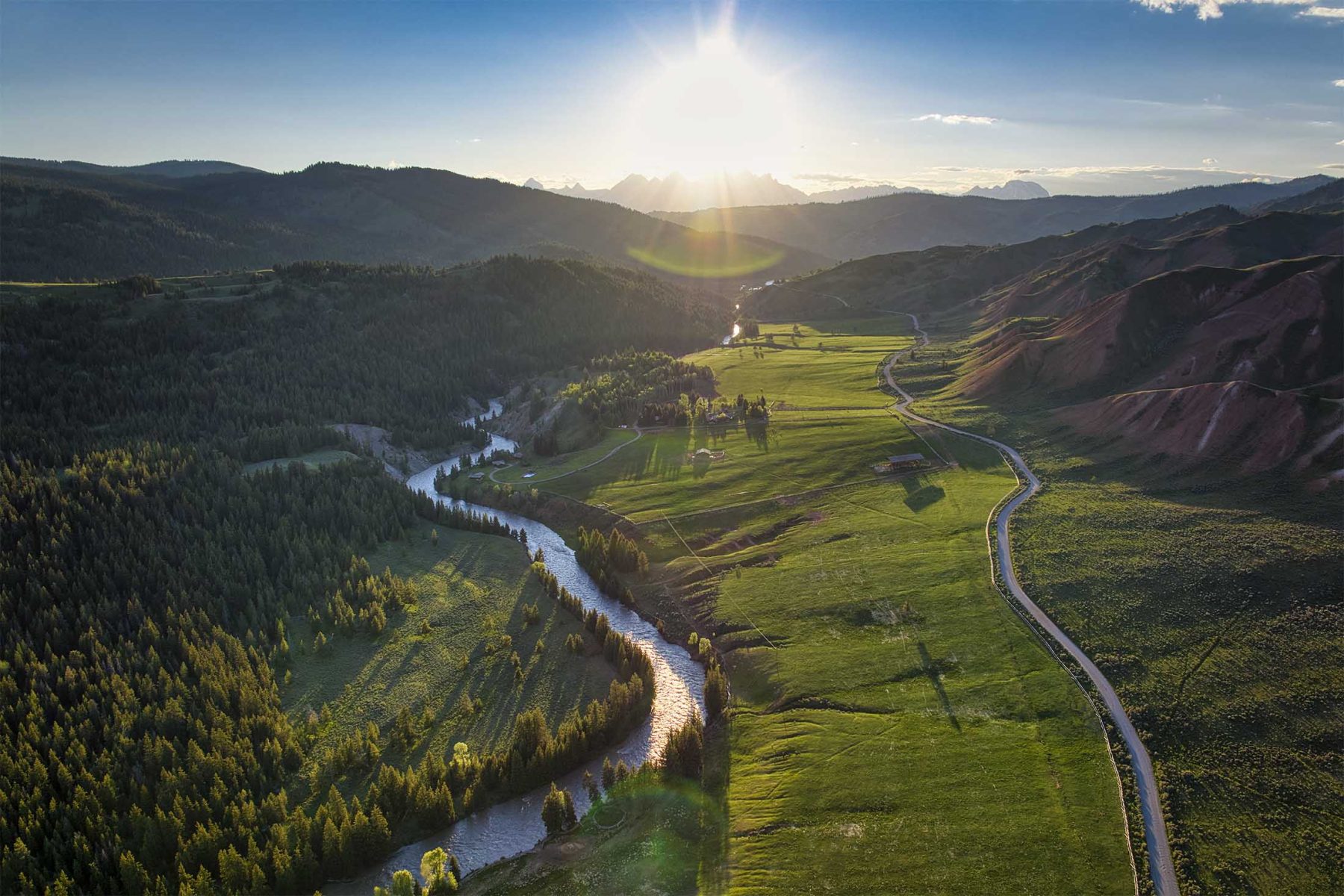
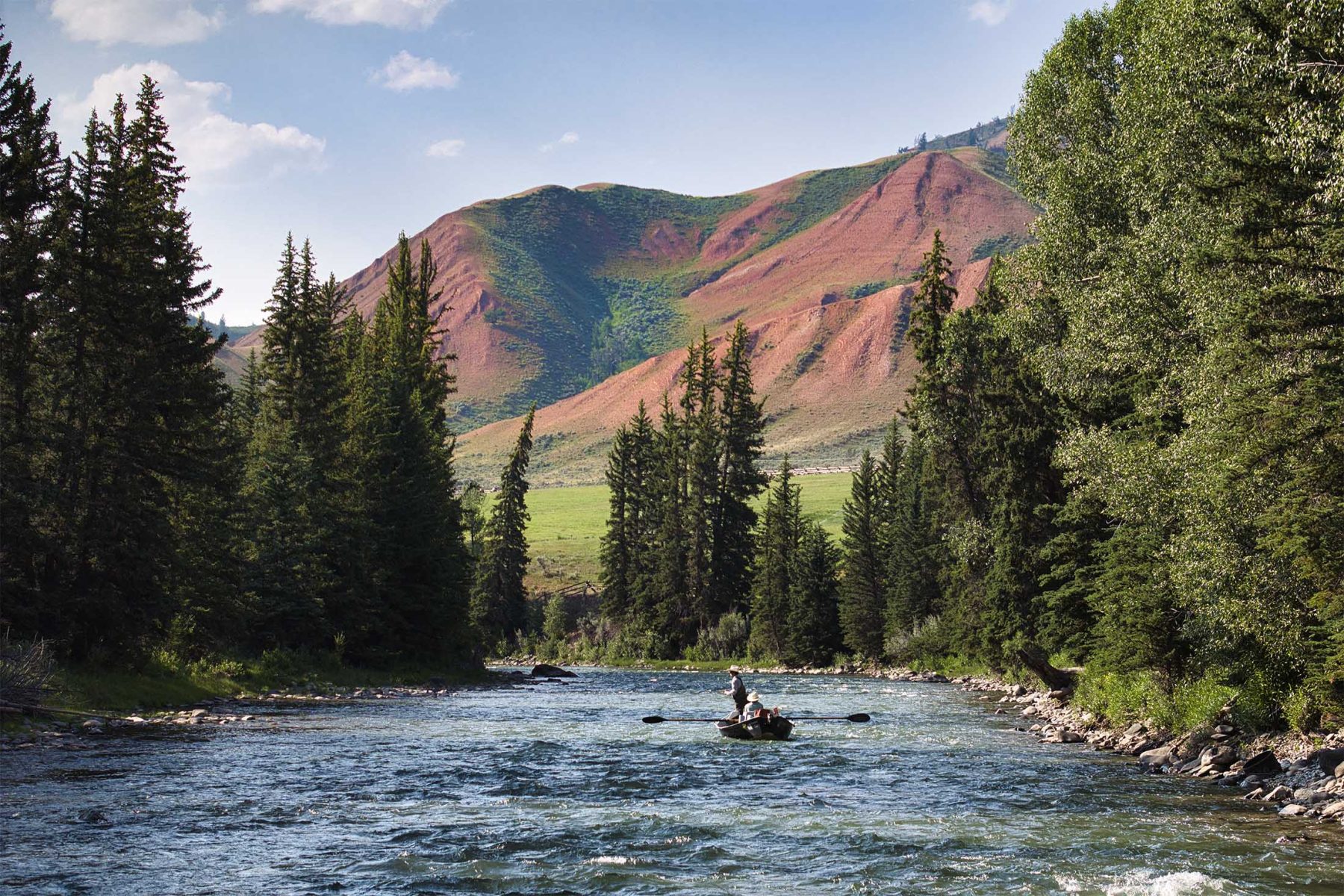
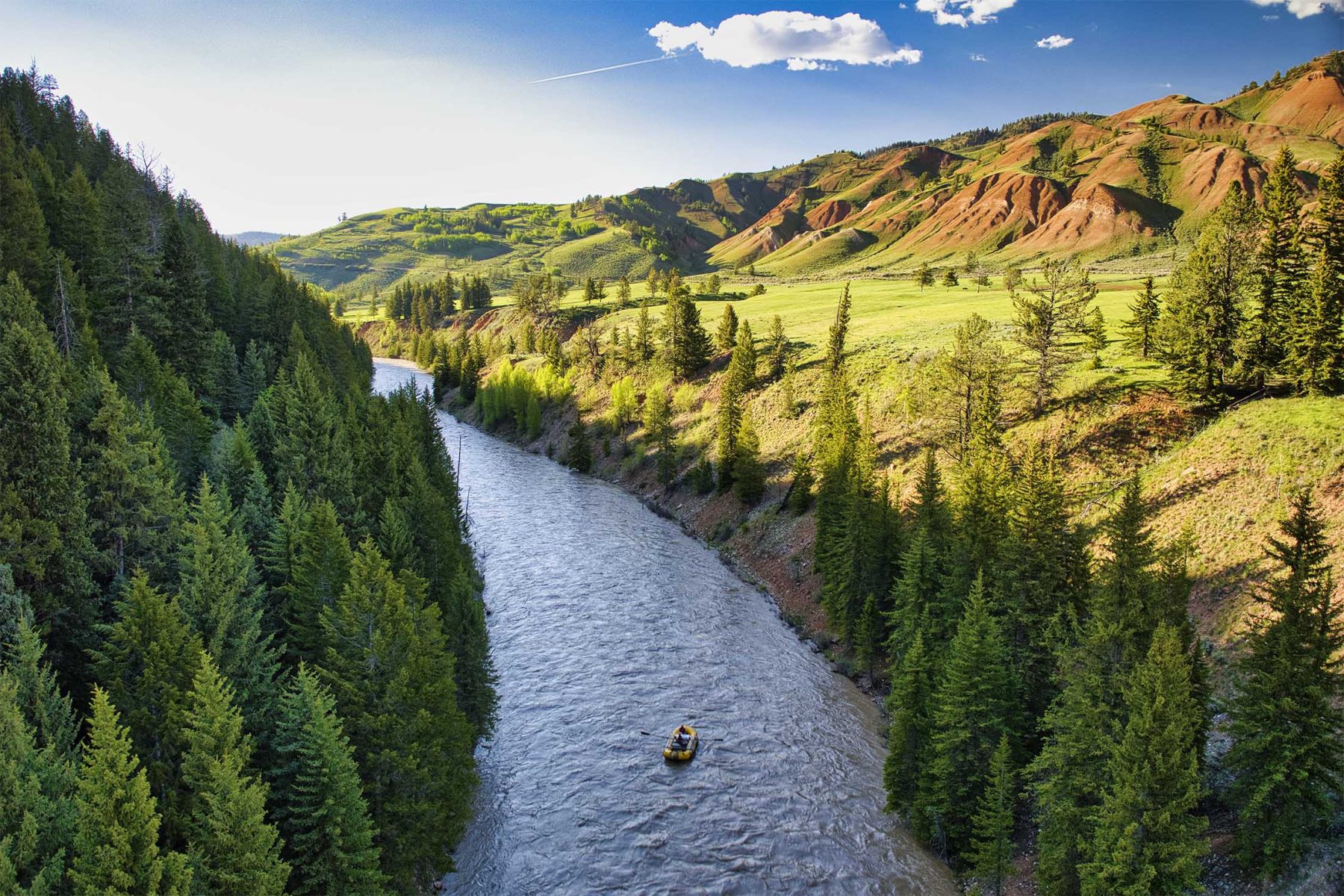
From late June through the end of July, the Red Hills Ranch borders a stretch of the Gros Ventre River that hits its summer stride, offering exceptional walk-and-wade and boat access to cool and clear water. In this section of the river, there are substantial populations of native Snake River fine-spotted cutthroat trout. As runoff fades, the flows settle into ideal levels, and the river becomes increasingly productive for dry fly fishing. Beginning in late June, steady hatches of Pale Morning Duns and caddisflies trigger reliable surface action, especially in mid-morning and late afternoon along riffles and undercut banks. By mid-July, grasshoppers, ants, and beetles become dominant, with cutthroat rising to large attractors like Chubby Chernobyls and Parachute Hoppers. For anglers fishing between hatches or during midday lulls, subsurface patterns like Beadhead Pheasant Tails, Hareโ€™s Ears, and Zebra Midges produce well in deeper pockets and seams. With its combination of high-elevation clarity, prolific hatches, and lightly pressured fish, the Red Hills Ranch section of the Gros Ventre delivers classic Wyoming cutthroat action in a stunning and secluded setting. Explore Red Hills Ranch

485 North Fall Creek
Wilson, WY | 5.13 Acres
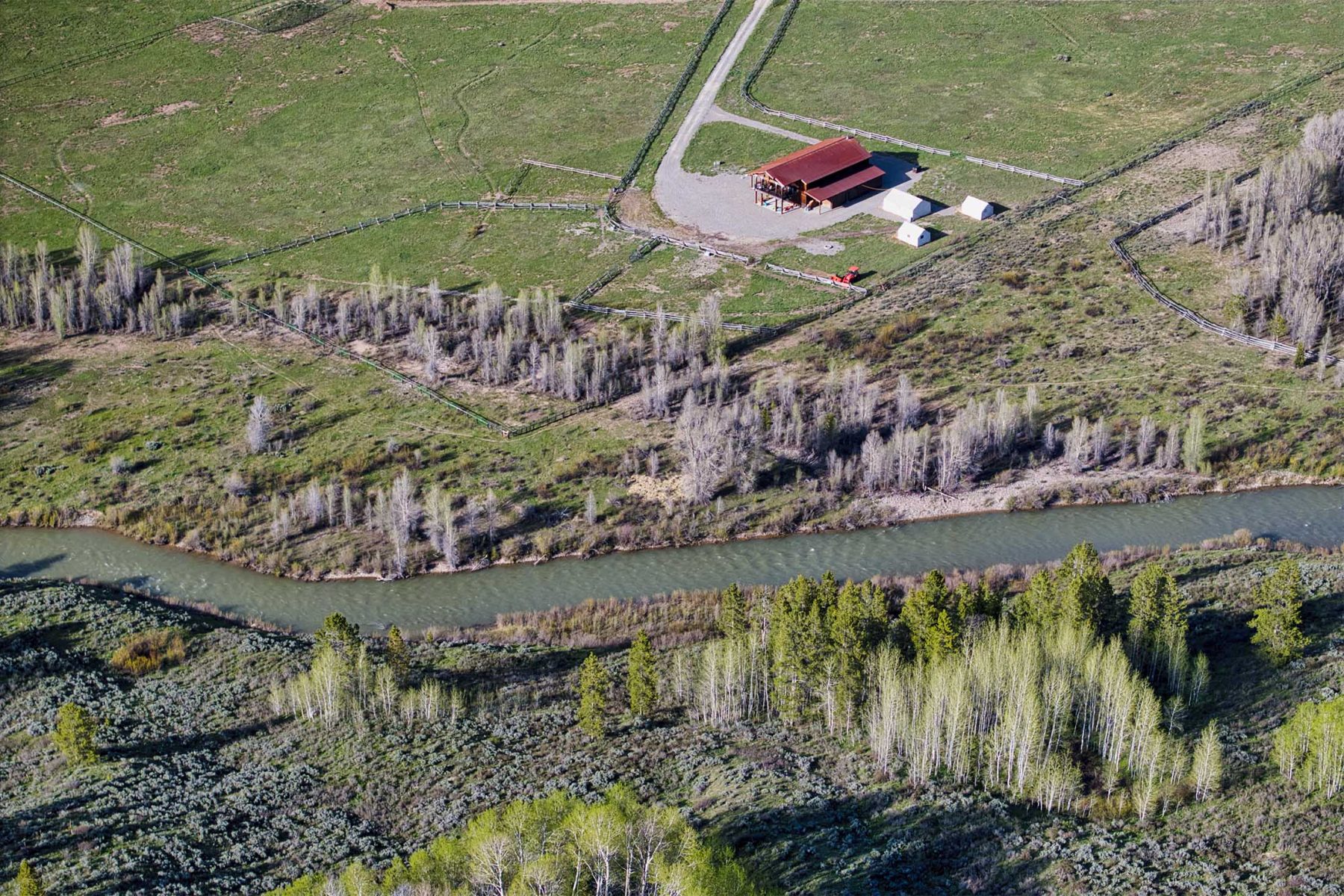
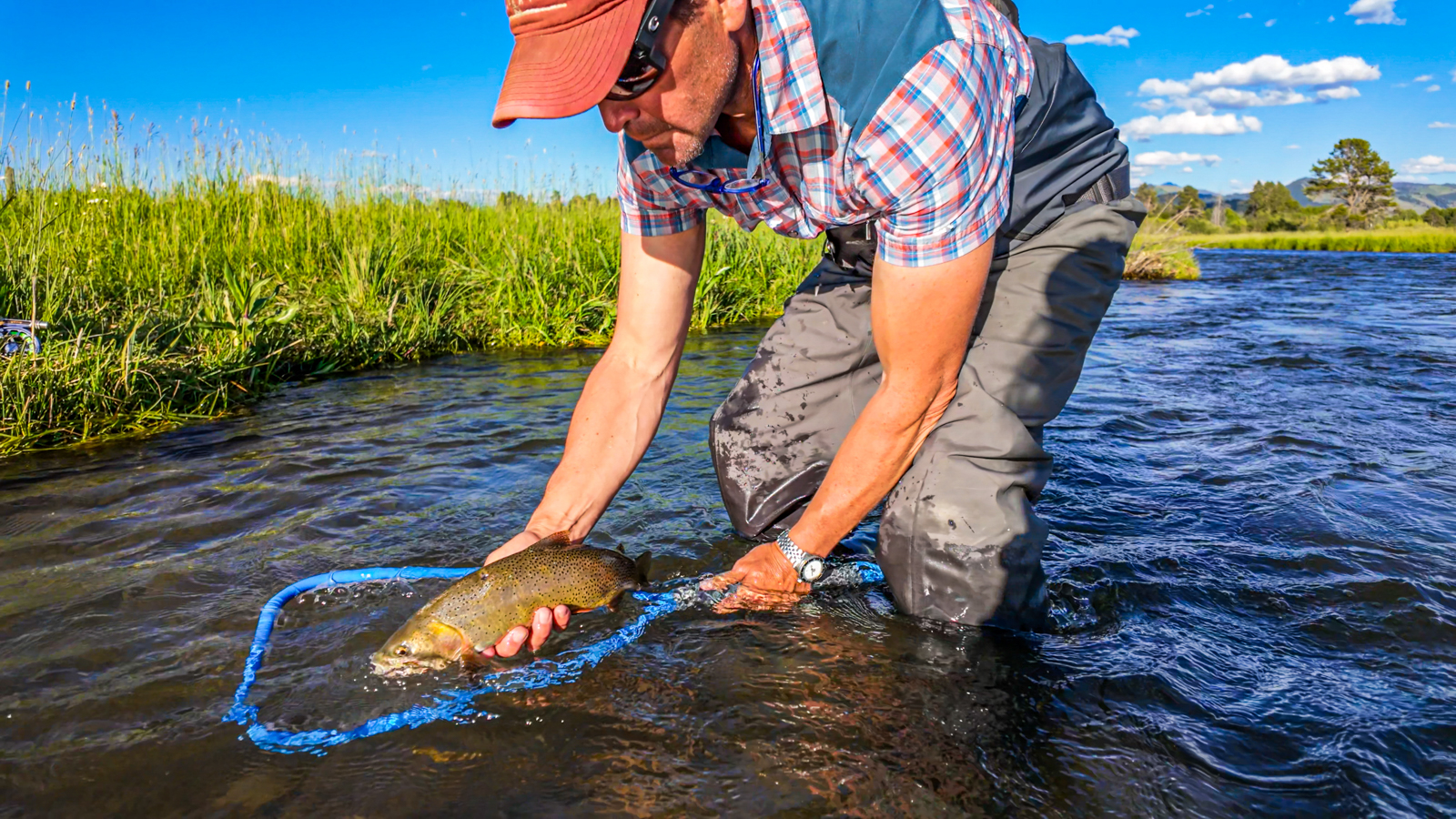
Located South of Wilson 485 North Fall Creek boasts numerous activities for every season of the year. In the summer, many anglersโ€™ attention is drawn to the brook, brown, and native cutthroat trout that reside in Fish Creek, which sits below the property and offers stunning views. Due to much of the water residing on private land, the Fish Creek presents a unique opportunity to target lightly pressured fish. Due to the lack of pressure, many flies will produce eats, but some flies that are working well this time of year are Elk Hair Caddis, Purple Haze, and Parachute Caddis. From the beginning of July to the end of summer, Fish Creek serves as a great opportunity for an avid trout angler. The region has many other superb fishing opportunities. A float trip on the Snake River, accessible ten minutes from the property, is a popular way to experience the superb angling and breathtaking scenery of the Tetons and the surrounding Jackson Hole Valley. Flat Creek is another local favorite located within twenty minutes of the property and is often called the โ€œfinest trophy dry-fly cutthroat fishery in the West.โ€ The Green River, Hoback River, and Salt River offer excellent fishing, all within an hour south of Jackson Hole. The Henryโ€™s Fork, Warm River, Fall River, Teton River, and South Fork of the Snake are located over the Teton Pass in Idaho, within an hourโ€™s drive. The Firehole, Lamar, and Gibbon, world-renowned areas in the Greater Yellowstone ecosystem, are also within a two-hour drive. Explore 485 North Fall Creek

Soaring Eagle Ranch
Ranchester, WY | 287 Acres
Soaring Eagle Ranch provides outstanding brown trout fishing throughout the summer season, right at its doorstep. The Ranchโ€™s section of the South Tongue River is classified as a Class II fishery due to the quality of trout habitat, which supports a diverse population of fish in various sizes and age classes. Though the Tongue has not been stocked since 1990, there is an abundance of wild trout with over 4,000 fish per mile on certain stretches. When fishing the pristine waters of the South Tongue River, anglers should try to be stealthy when navigating the river and use 6x tippet. In terms of flies, Humpies, Turck Tarantulas, and Black Foam Ants will be highly successful. Just 70 miles north of Soaring Eagle Ranch, the Bighorn River near Fort Smith, Montana, provides year-round world-class fly fishing for rainbow and brown trout. Its tailwater, fed by Yellowtail Dam, ensures stable flows and prolific insect life. Float and wade fishing, guided trips, and knowledge from local fly shops enhance the experience, with seasonal western fly fishing hatches adding variety. Explore Soaring Eagle Ranch

Bondurant Barndominium
Bondurant, WY | 11 Acres
With 1.3 miles of frontage to the Hoback River, Bondurant Barndominium provides a unique fishing experience in its backyard. Though the Hoback River is small, relative to other nearby fisheries such as the Snake River, the Hoback River carries an abundance of native cutthroat which will deliver great topwater action in the summer months. The Hoback River also serves as a unique fishery due to its wade fishing accessibility. Many avid anglers on the Hoback recommend a 4-5 weight rod when fishing the river. For flies, hoppers, Beetle patterns, Orange Stimulators, and Parachute Adams serve as reliable options throughout the summer. Despite its size, the Hoback River packs a punch with fish well over 15 inches. Explore Bondurant Barndominium

17 Rocking Chair
Dubois, Wyoming | 22 Acres
Dubois has been one of the first part of Wyoming to start fishing well this summer; the runoff is officially over, and the summer fishing season is upon us. The Upper Wind River, which runs along the propertyโ€™s southern border, is a beautiful, free-flowing river dominated by native cutthroat trout. Further down the river, anglers will encounter larger populations of brown and rainbow trout, making it possible to catch all three species in one day. The river and surrounding water, Torrey Creek, Wiggins Fork, etc., are currently fishing extremely well with Duracell nymphs and midges. Fishing continues to improve by the day, and the dry fly fishing should pick up by the end of the week. A four-weight rod with a floating line will make for tremendous fun on the Upper Wind River any day of the week. Explore 17 Rocking Chair

Fly Fishing Ranches for Sale in Idaho

Anderson Ranch
Mountain Home, ID | 3,896 Acres
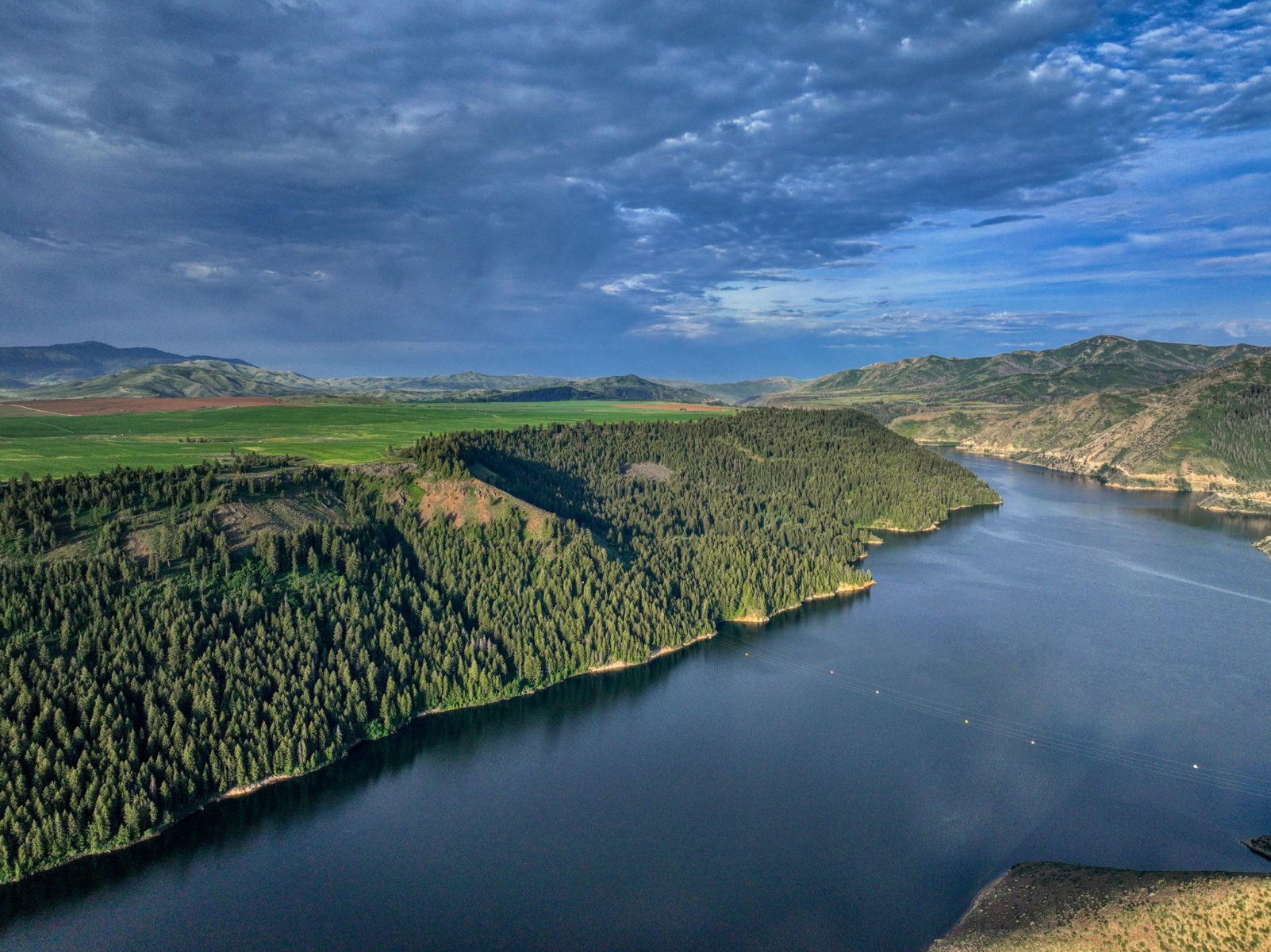
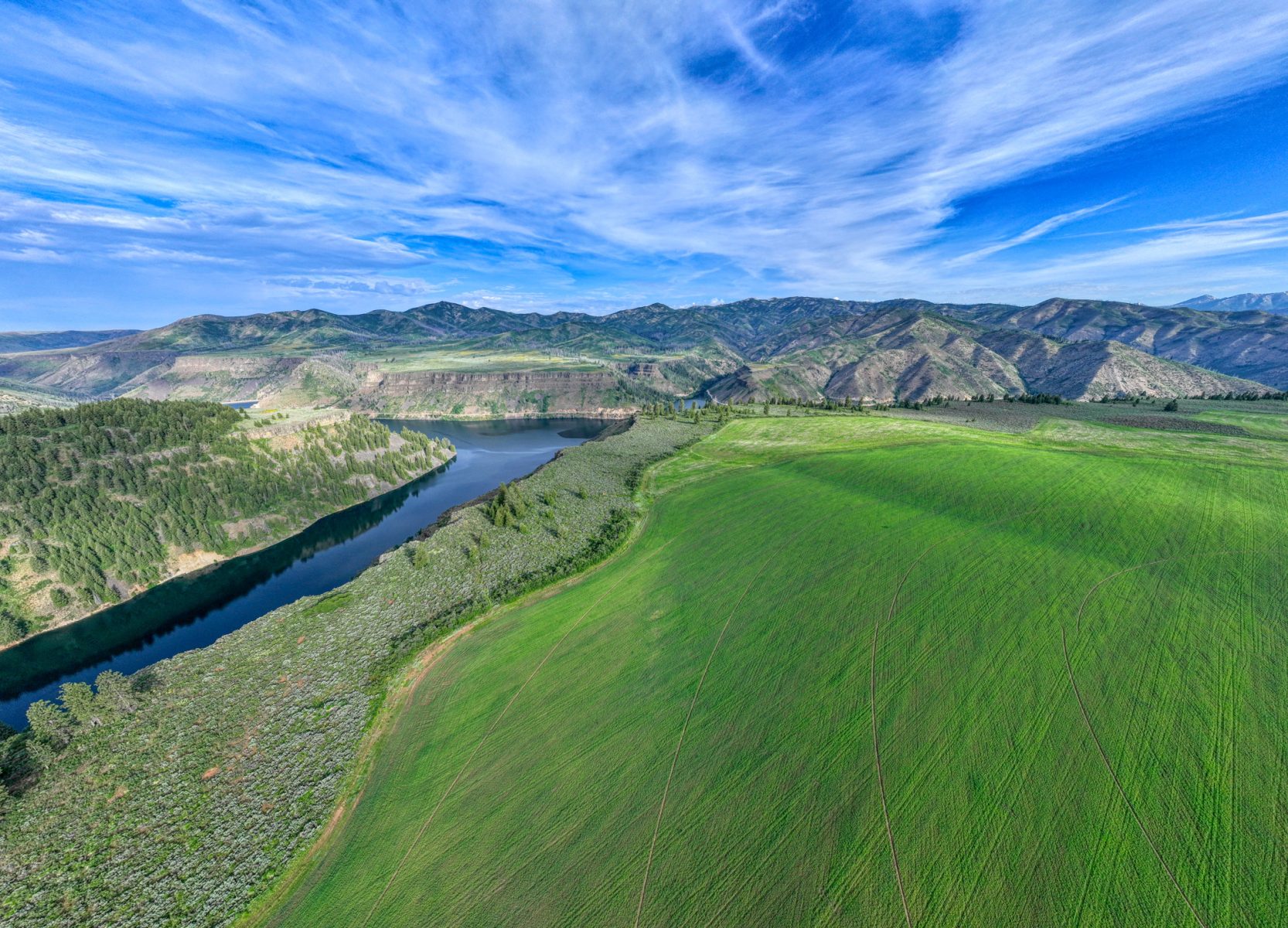
From late June through the end of July, Anderson Ranch Reservoir and the upper South Fork of the Boise River offer a diverse and action-packed summer fishery in a spectacular setting. After spring runoff, the river below the dam becomes productive with cold, clear flows, attracting substantial populations of wild rainbow trout. Pale Morning Duns and Pink Alberts dominate the hatch chart during this period, with dependable midday Pale Morning Duns hatches followed by vigorous evening caddis activity. Anglers can find rising brown trout in riffles, back eddies, and along seams. Hoppers and beetles start gaining traction toward the end of the month. For those targeting larger fish, streamers in olive, white, and black can be effective during low-light periods. Anderson Ranch offers a versatile summer destination that will create memorable days on the water. Explore Anderson Ranch

Sundown Ranch
Driggs, ID | 264 Acres
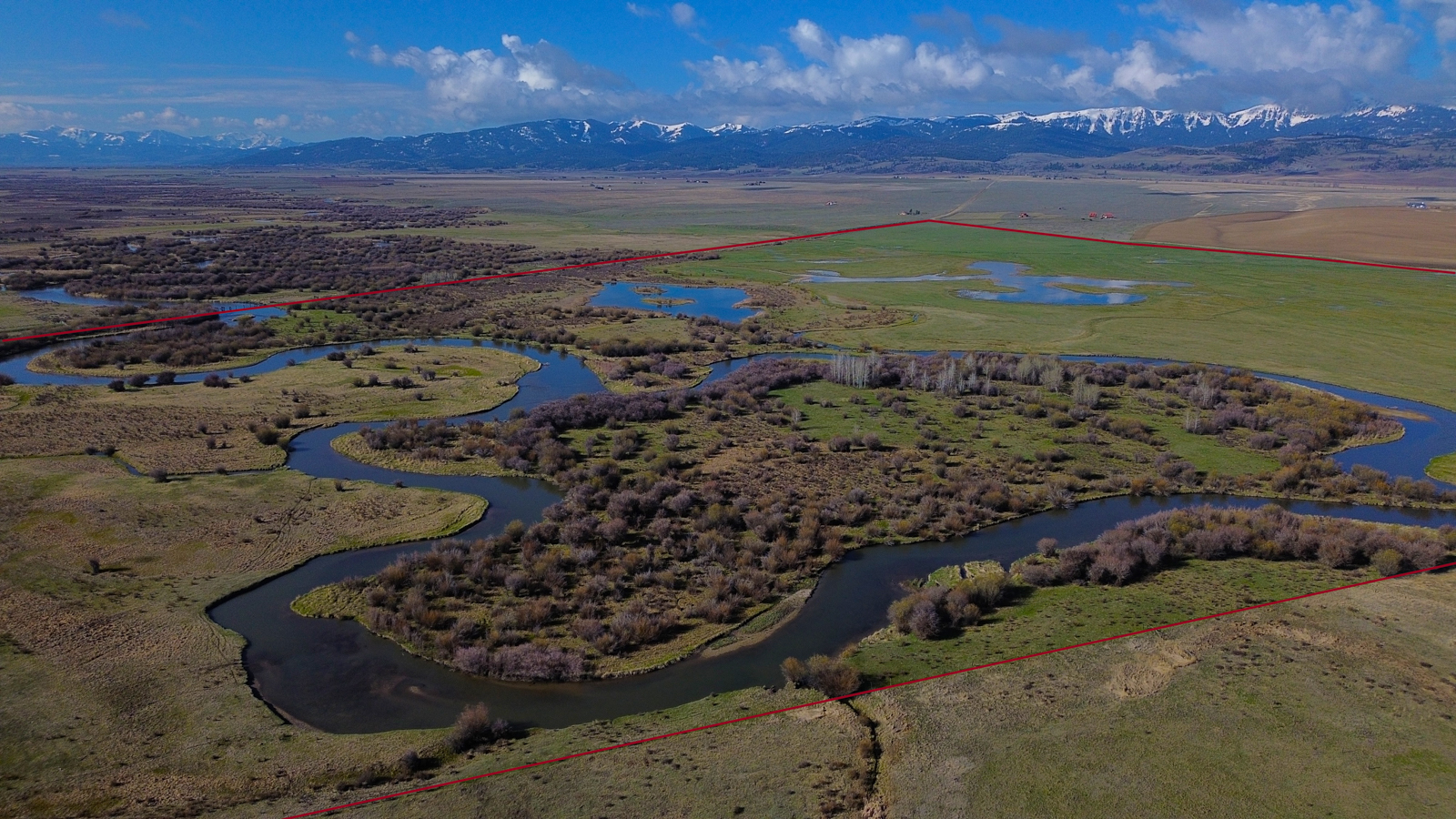
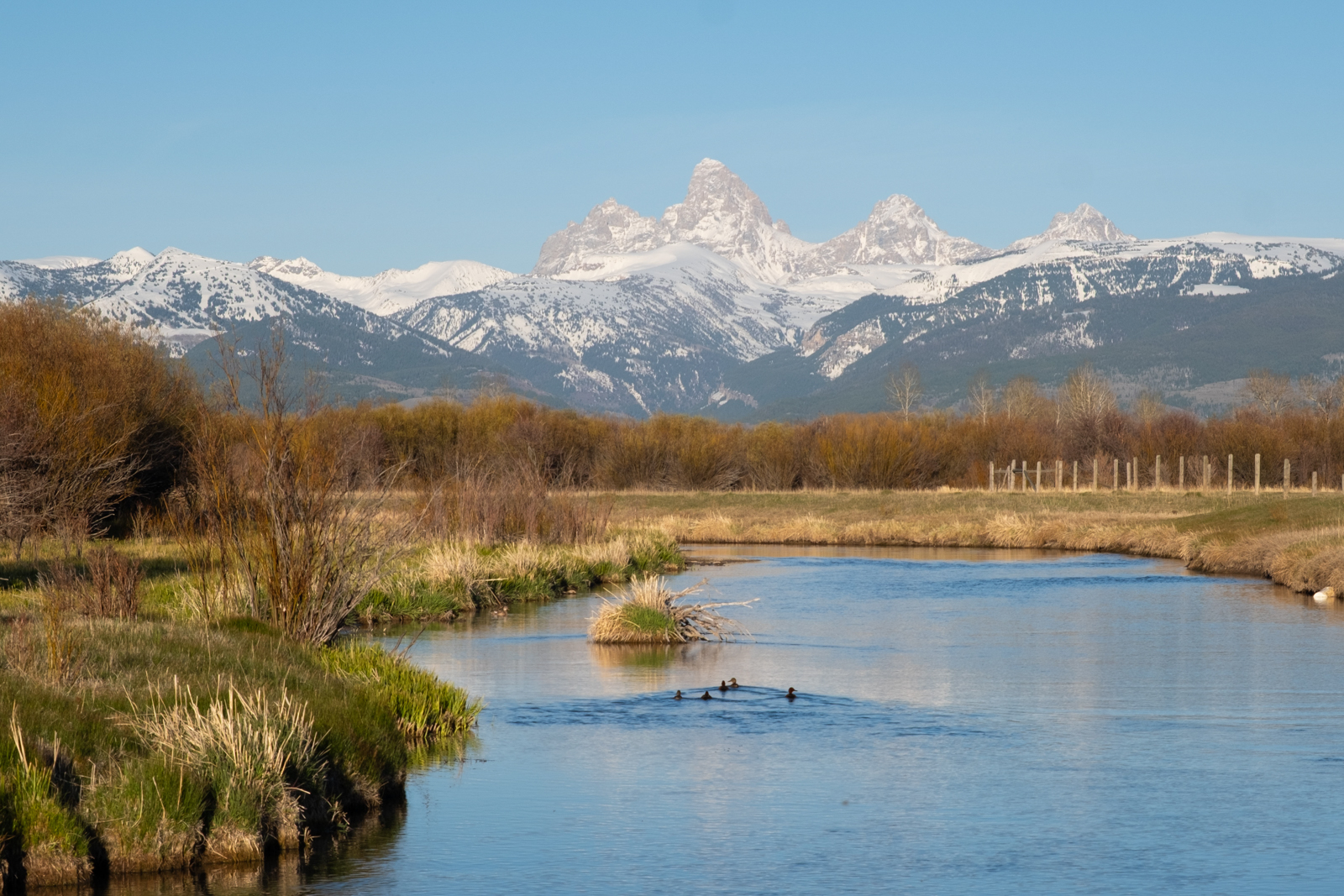
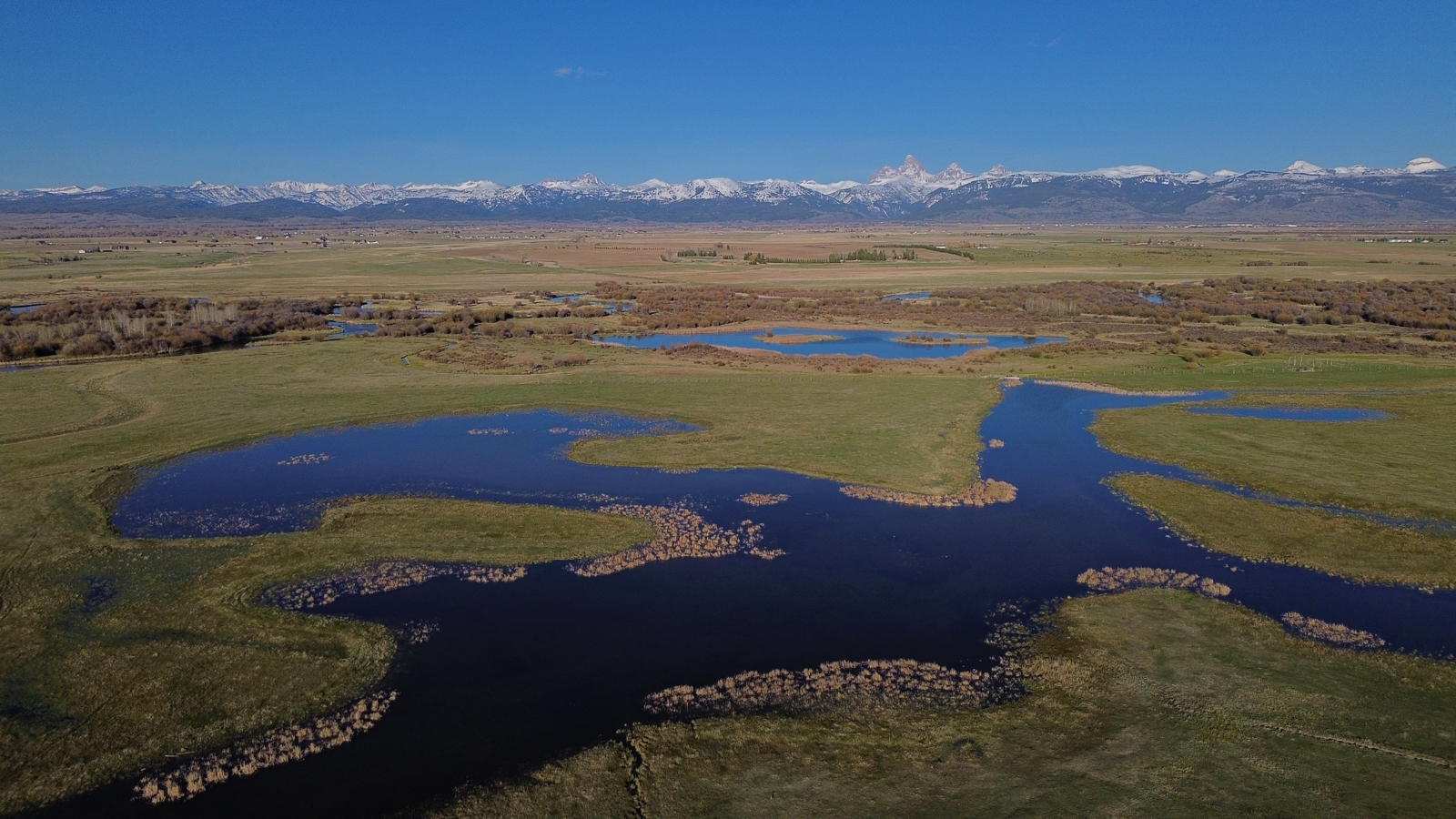
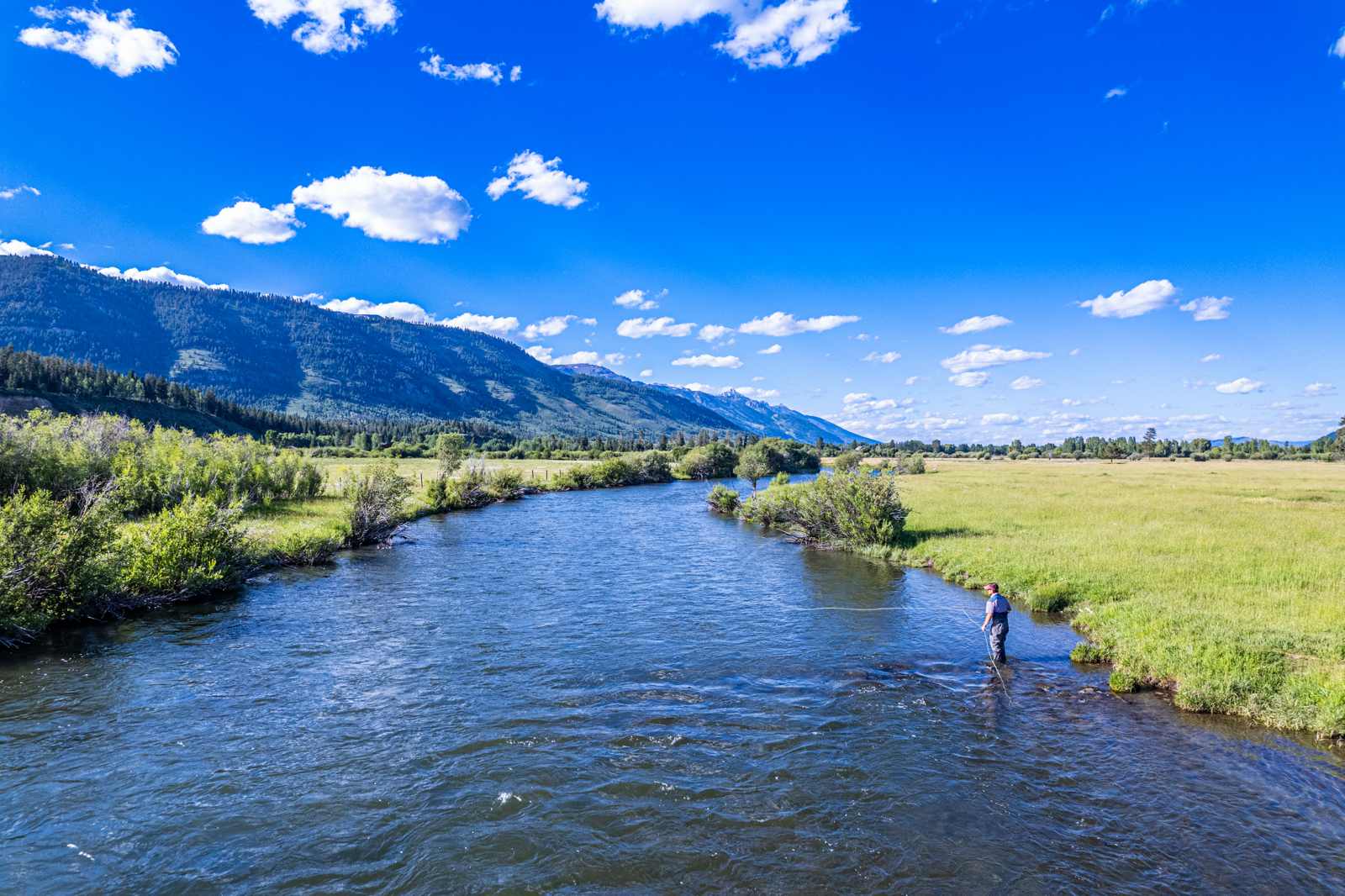
Located in the heart of Idahoโ€™s Teton Valley, Sundown Ranch offers prime access to the upper Teton River. This renowned dry fly fishery is surrounded by expansive meadows and panoramic mountain views, but the views are not the extent of the fisheryโ€™s perks. From mid-June through late July, the river comes alive with consistent hatches and rising trout. Pale Morning Duns and caddisflies begin hatching in mid-June and are present throughout the summer. As July progresses, western fly fishing hatches diversify with the emergence of Yellow Sallies and Salmon flies. By late July, grasshoppers begin to make their appearance along the grassy banks. With its spring-fed clarity, technical currents, and abundance of native cutthroat and rainbow trout, Sundown Ranch delivers a classic Western fly-fishing experience where timing the hatch and presenting the correct pattern is crucial to unlocking the Teton Riverโ€™s full potential. Explore Sundown Ranch

Ice House Creek Ranch
Fremont County, ID | 2,012.63 Acres
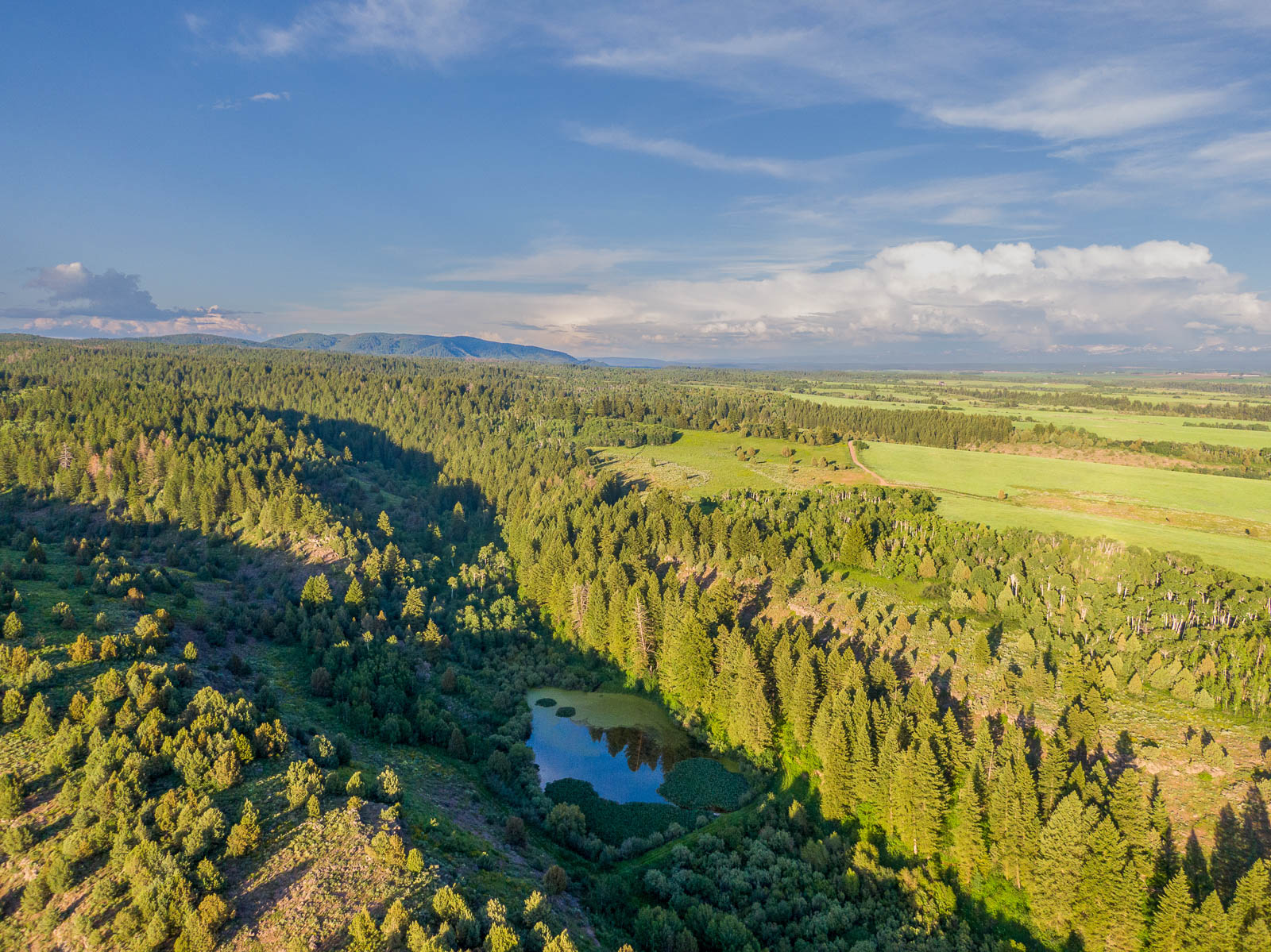
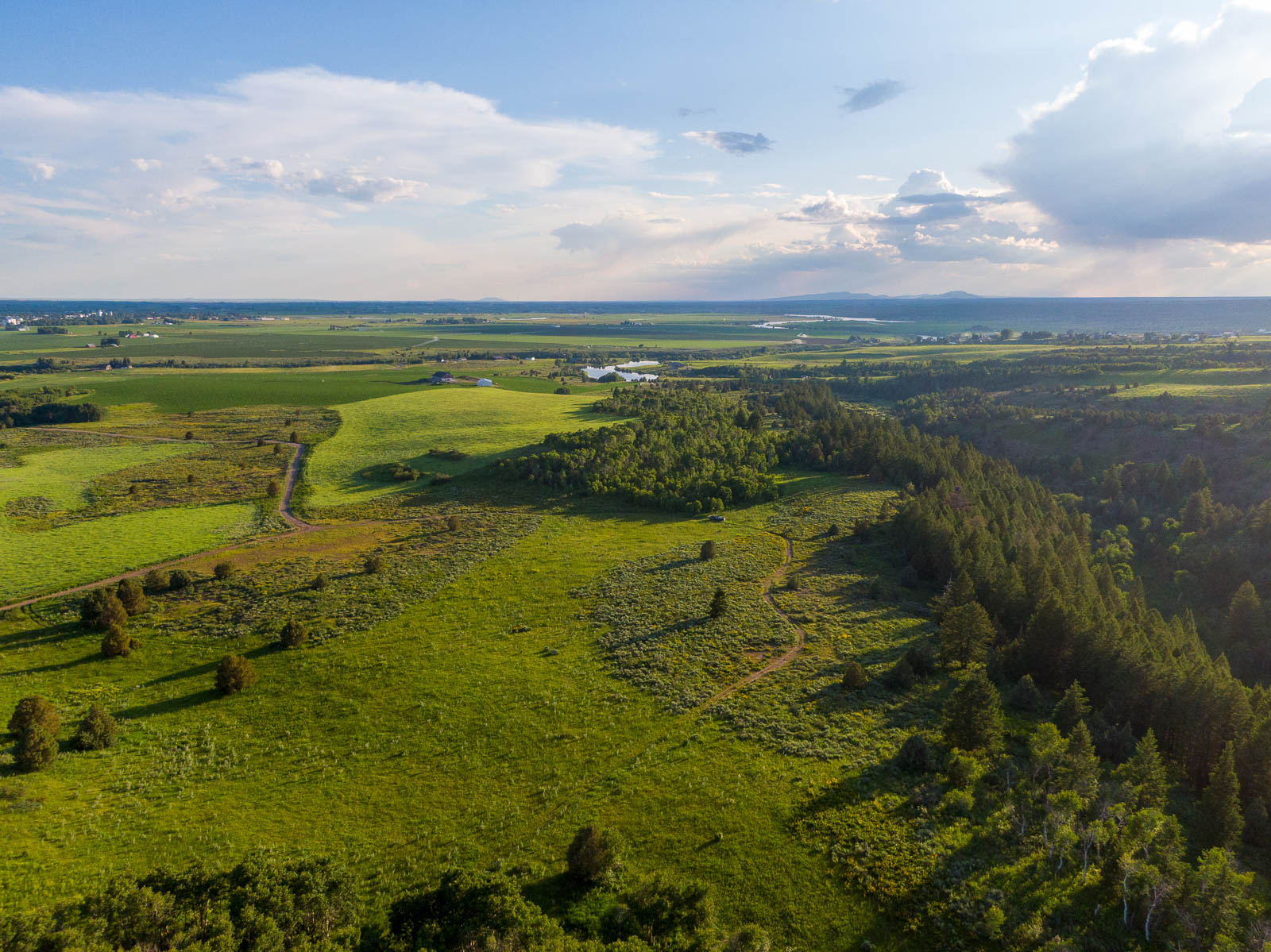
Ice House Creek Ranch is an exceptional property that boasts prime agricultural and cattle opportunities. In addition, Ice House Creek Ranch resides next to one of Idahoโ€™s most renowned fisheries, the Henryโ€™s Fork River. From mid-June to early July, anglers can expect consistent dry dropper opportunities with size 6-10 Golden Stones, Green Drakes, and Flavs being followed by size 14โ€“18 Red and Brown Zebra Midges in the afternoons. In the early mornings, olive, brown and black streamers provide eats as well. With the commencement of July, multiple hatches such as Tricos, Yellow Sallies, and caddis will draw the attention of fish residing in Henryโ€™s Fork. As July advances and the heat rises, anglers should target shade and fast-moving oxygenated waters during the hot afternoons. The property also sits next to the Island Park reservoir which serves as a year-round fishery with an abundance of fish species. With its rich diversity of hatches during the summer season, Henryโ€™s Fork serves as a premier destination for any trout angler. Additionally, the Island Park Reservoir is a great fishing opportunity for those seeking still water fishing. Explore Ice House Creek Ranch

Twin Peaks Guest Ranch
Salmon, ID | 677.81 Acres
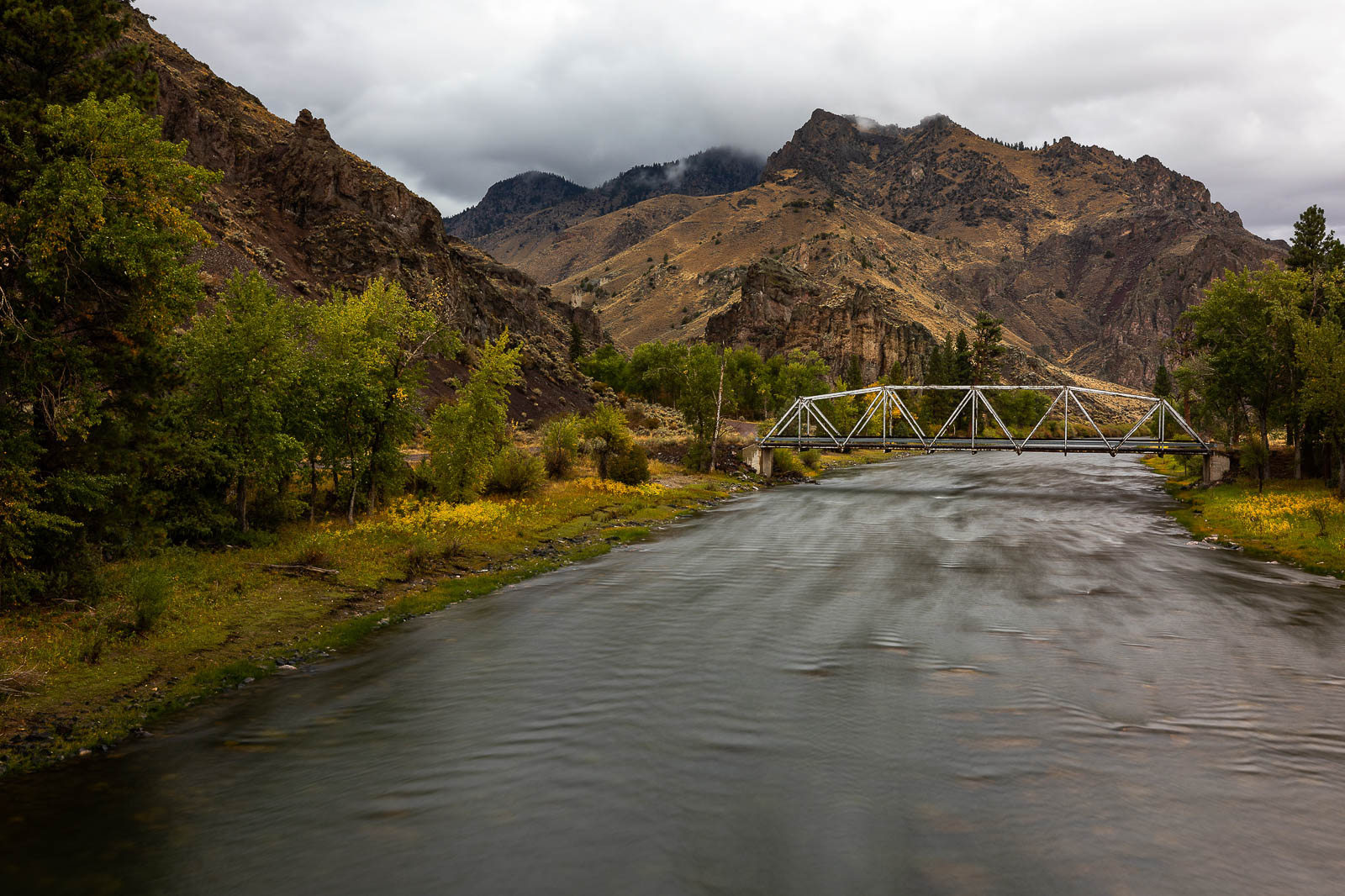
The Salmon River, located at the entrance of Twin Peaks Guest Ranch, offers a dynamic and thriving summer trout fishery. With plentiful fish numbers, fishermen can expect to find native Westslope cutthroat and rainbow trout exceeding 20 inches. As river levels recede from spring runoff, the Salmon River offers excellent conditions for trout. Summer western fly fishing hatches begin with Golden Stones, Yellow Sallies, and Pale Morning Duns, growing stronger into July and August with salmon flies and a surge of terrestrial activity. Fishing is accessible by drift boat or walk-and-wade. Towards the end of summer, large attractor dry flies like Chernobyl Ants, Stimulators, Double Humpies, and Tarantulas are consistently productive. With its spectacular setting, eager surface-feeding trout, and steadily improving hatch cycles, Twin Peaks Guest Ranch and the Salmon River offer an ideal blend of classic Western dry fly fishing. Explore Twin Peaks Guest Ranch

401 Owl Rock Road
Ketchum, ID | 57 Acres
Located just over the hill from Owl Creek, the Big Wood is a classic freestone stream with dynamic structure, riffle-pool sequences, and excellent access points. By late June, runoff is typically tapering off, leaving behind clear water and healthy flows. Expect prolific Pale Morning Duns and caddis hatches, especially during the early mornings and evenings. As July heats up, Golden Stones and Terrestrials (ants and hoppers) start showing up in the mix, particularly effective with a dry-dropper setup. Just 20 minutes from the property, Silver Creek is a mecca for technical dry fly anglers. This spring creekโ€™s gin-clear water and rich insect life demand stealth and precision. June brings the famed Pale Morning Duns hatch, with fish rising selectively to emergers and spinners throughout the day. By early July, Tricos start to show in the mornings, and beetles and damsels become reliable midday options. Long leaders, 6x tippet, and a patient cast are essential. For anyone looking for a serene and sight-fishing-rich experience, this is hard to beat. Explore 401 Owl Rock Road

Henry’s Fork Highlands Ranch
Ashton, ID | 503.5 Acres
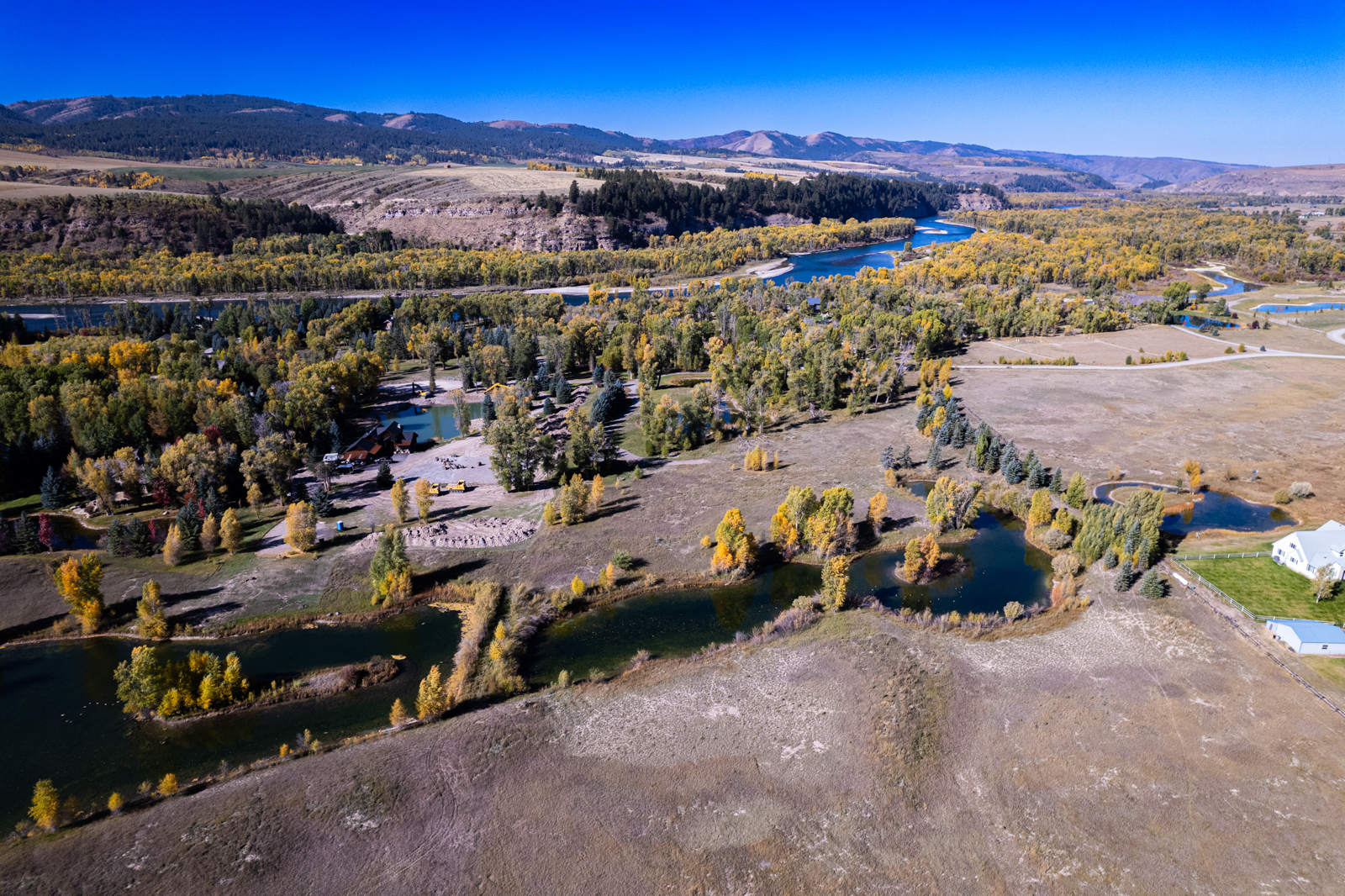
Henryโ€™s Fork Highlands Ranch, set between the Warm River and Ashton reservoir, offers exceptional summer fly fishing with sustained hatches and unique Western trout action. From mid-June to early July, anglers can expect consistent dry dropper opportunities with size 6-10 Golden Stones, Green Drakes, and Flavs being followed by size 14 โ€“18 Red and Brown Zebra Midges in the afternoons. In the early mornings, olive, brown and black streamers also provide bites. With the beginning of July, multiple hatches such as Tricos, Yellow Sallies, and caddis will draw the attention of fish residing in Henryโ€™s Fork. As July advances and the heat rises, anglers should target shade and fast-moving oxygenated waters during the hot afternoon hours. With its rich diversity of western fly fishing hatches during the summer season, the Henryโ€™s Fork serves as a premier destination for any trout angler. Explore Henry’s Fork Highlands Ranch

Swan Valley Cottonwood Lots
Ashton, ID | 24.84 Acres
Situated along the South Fork of the Snake River, anglers can pursue of the most dynamic summer hatches in the West. In late June, the fishing for Yellowstone cutthroat, brown, and rainbow trout are most productive with Stonefly Nymphs, Tungsten Jigs, Worms, and Mop Flies. As the summer season progresses, green drakes and Pale Morning Duns begin to hatch in the afternoons, with large brown and black Rubberleg patterns (sizes 2-4) helping produce aggressive eats. By early July, anglers should also be prepared for the full lifecycle of Salmonflies, Golden Stones, Pale Morning Duns, and Little Yellow Sallies, with dry fly opportunities heating up in the afternoons. Riffle fishing becomes particularly effective, especially with Pale Morning Duns, while the Golden Stone hatch offers exciting surface eats along the banks and seams of the South Fork. Toward mid-to-late July, caddis hatches join the mix, creating efficient fishing windows in the early morning and evening hours. All in all, the South Fork of the Snake River offers exciting fishing that lasts through the summer. Explore Swan Valley Cottonwood Lots

Fly Fishing Ranches for Sale in Montana

LC Ranch
Three Forks, MT | 1,121 Acres
Exceptional sporting amenities abound on the LC Ranch, including trophy fishing for wild brown trout. The ranch is located on the western edge of the Gallatin Valley, and it offers frontage on the Lower Gallatin River. Two unique spring creeks and a large pond provide fantastic, sizeable browns, on the ranch. The summer bugs that are most often targeted by fish are terrestrial insects including hoppers, beetles, and ants. From midday to late afternoon the insects are most active, and it is a dynamic situation to raise a brown from the soft undercuts or jagged logjams. Streamer and crayfish patterns are also highly effective on larger fish. If not stalking with the fly rod, a simple stroll along the creeks and ponds showcase visuals of big browns darting around. For the anglers interested in private spring creek fishing and chances at truly huge brown trout, the LC Ranch should merit consideration. Explore LC Ranch

Montana Riverfront Resort
Fort Smith, MT | 107 Acres
Montana Riverfront Resort has been operated as a premier wild brown and rainbow trout fly fishing destination for over 30 years. Built from the ground up by its current owner, the lodge has earned a strong national reputation within both communitiesโ€”recognized not only for the quality of its experiences, but for the professionalism and hospitality that keep guests returning year after year. The Orvis-Endorsed Main Lodgeโ€™s location on the upper Bighorn River provides immediate access to some of the most productive trout waters in North America. Guided fishing trips are a core element of the lodgeโ€™s offerings, and the private boat launch adds a layer of exclusivity and convenience few competitors can match. In the summer, the Bighorn River produces stable flows along with a multitude of hatches that enable anglers to efficiently fish these waters. From late June to late July, the most prominent western fly fishing hatches are Pale Morning Duns and Yellow Sally stoneflies. Using these patterns, anglers can expect to catch a plethora of trout.ย Explore Montana Riverfront Resort

Fly Fishing Ranch for Sale in New Mexico

Cow Creek Ranch
Pecos, New Mexico | 934 Acres
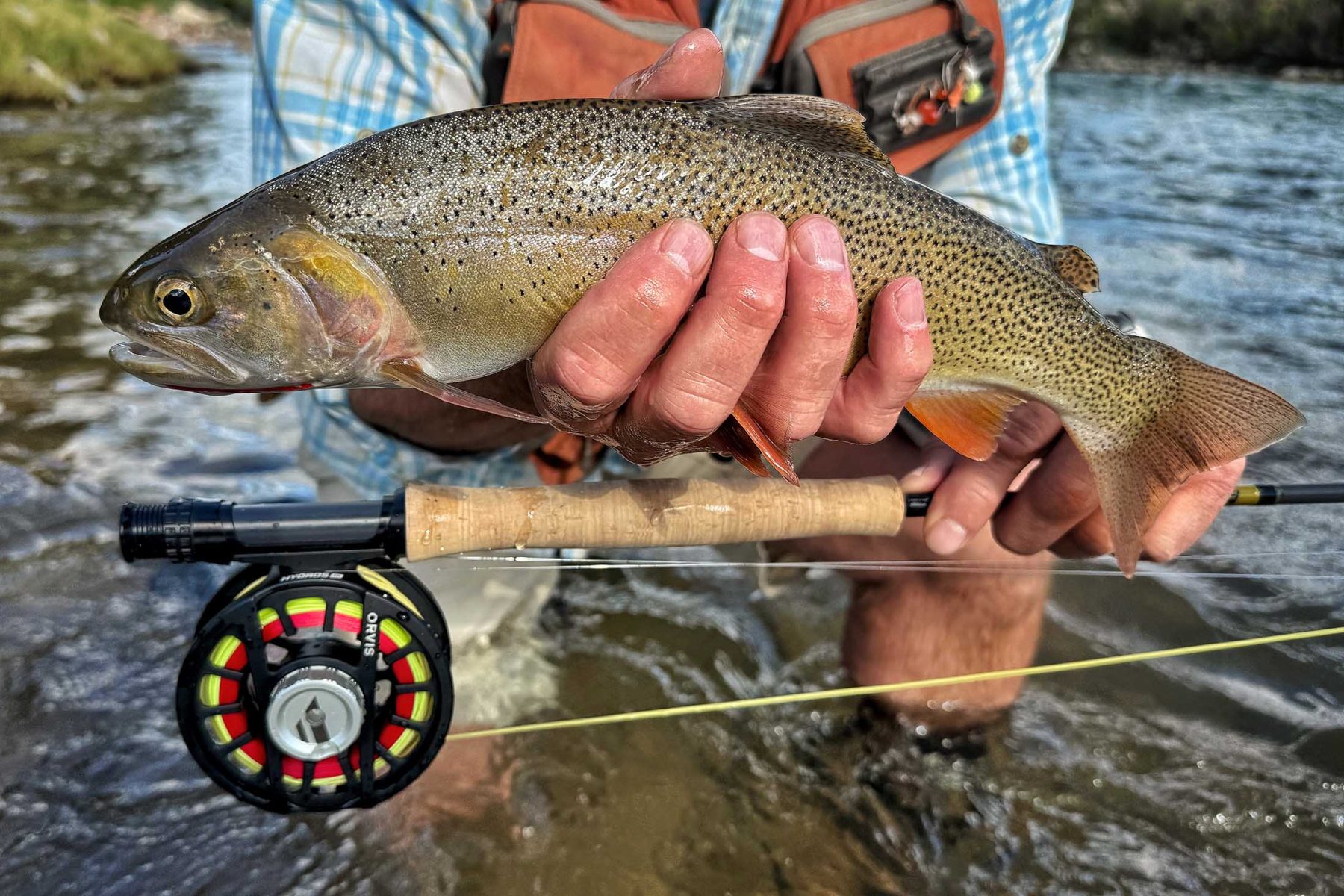
During the summer months, Cow Creek Ranch offers fly anglers a rich and varied hatch schedule that keeps trout actively feeding. Cow Creek, a small but productive stream with over three miles onsite, has been professionally enhanced to provide dozens of pools supporting trout that average 16 to 20+ inches long. The rich aquatic insect base in the stream keeps these fish healthy, and they are an enormous thrill to land on a fly rod. In addition, seven lakes create a still water fishery that offers trout up to 30 inches and in six varieties: rainbows, browns, brooks, cutthroats, cutbows, and tigers. From June through August, the creek comes alive with prolific insect activity, including steady hatches of mayflies, caddisflies, and stoneflies. Pale Morning Duns and Green Drakes make regular appearances, often triggering surface strikes from opportunistic trout. Caddisflies emerge consistently through the warmer months and are particularly effective around midday. Stoneflies such as Golden Stones and Yellow Sallies also hatch during this time, providing larger meals and exciting dry-fly action, especially in the morning and evening. As the summer progresses, terrestrial insects like hoppers, beetles, and ants become key players, offering exciting sight-fishing opportunities. Western fly fishing hatches aside, anglers should always have a black or olive bugger at the ready to prospect deeper holes for large trout. Explore Cow Creek Ranch

Fly Fishing Ranch for Sale in Utah

Crystal Ranch
Mountain Home, UT | 470 Acres
Crystal Ranch is one of the few places in Utah offering anglers the chance to catch a Grand Slamโ€”landing all four trout speciesโ€”from the same stream. Home to brown, rainbow, brook, and cutthroat trout, the live water on Crystal Ranch provides an extended fishing season, thanks to the diverse water types found across the property. With approximately three miles of fishable waterโ€”including roughly 1.75 miles of the Yellowstone River and 1.25 miles of Summer Creekโ€”thereโ€™s plenty for the angler to explore. Per Utah stream law, the waters on Crystal Ranch are 100% private, with no public access, giving the landowner full control of the fishery in a truly uninterrupted and secluded setting. By mid to late June, water levels settle into summer flows, making it one of the best times to prospect with large dry flies or streamers. Currently, anglers are seeing strong evening caddis emergences, some morning mayfly activity, and a few stoneflies hatching along the edges of the Yellowstone. July brings some of the most consistent fishing of the year, thanks to stable flows, predictable weather, and long daylight hours. By mid-July, nearly every major summer hatch is underwayโ€”from caddis, Pale Morning Duns (PMDs), and Yellow Sallies to terrestrialsโ€”along with lingering Golden Stoneflies and Green Drakes. Itโ€™s not uncommon to find trout feeding steadily from early morning into moonlit evenings. Explore Crystal Ranch

Fly Fishing Ranches for Sale in Colorado

Creekside at Eagle Ridge Ranch | 35 Acres
Gunnison, CO
With three miles of professionally enhanced Ohio Creek, Creekside at Eagle Ridge Ranch has premier fishing access out the backdoor of the home, among the multitude of other sporting pursuits available. During the summer months on Ohio Creek, a tributary to the Gunnison River, fly fishing comes alive with prolific hatches. Anglers can expect steady emergences of mayflies, caddisflies, and stoneflies, with peak action typically from late June through August. Pale Morning Duns and Blue-Winged Olives provide reliable dry fly opportunities, while caddis hatchesโ€”especially in the eveningsโ€”create explosive surface action. Golden stoneflies often bring larger trout to the surface, especially near riffles and undercut banks. Terrestrials like hoppers and beetles also become effective as summer progresses. Matching the hatch is key, and observant anglers will be rewarded with aggressive takes and memorable days on the water. Explore Creekside at Eagle Ridge Ranch

Elk Creek Ranch
Meeker, Colorado
With the acquisition of Pollard and Dry Creek Units from the 7 Lakes property in 2021, Elk Creek Ranch has expanded to +/- 25,000 acres, encompassing 30 + miles of private fishing access known by many anglers as the finest dry fly fishing in the country. With 44 fishing beats, guided by top-notch professionals, this is a destination fishery and provides fishing opportunities seen nowhere else in the world. For generations, this property has been managed with the trout fisherman in mind, and the results speak for themselves. Trophy fish can be found in every corner of the ranch, from the slow-moving waters of the upper South Fork to the technical pocket water of Elk Creek itself. Currently, the mayfly and caddis western fly fishing hatches are in full swing with assorted stoneflies getting into the mix as well. However, the true gem of this fishermanโ€™s paradise is the late summer and fall terrestrial fishing, which can be described as nothing short of legendary.

Explore Elk Creek Ranch Lot 48

Explore Elk Creek Ranch Lot 34

Fly Fishing Ranch for Sale in Oregon

R&C Ranch
Fossil, OR
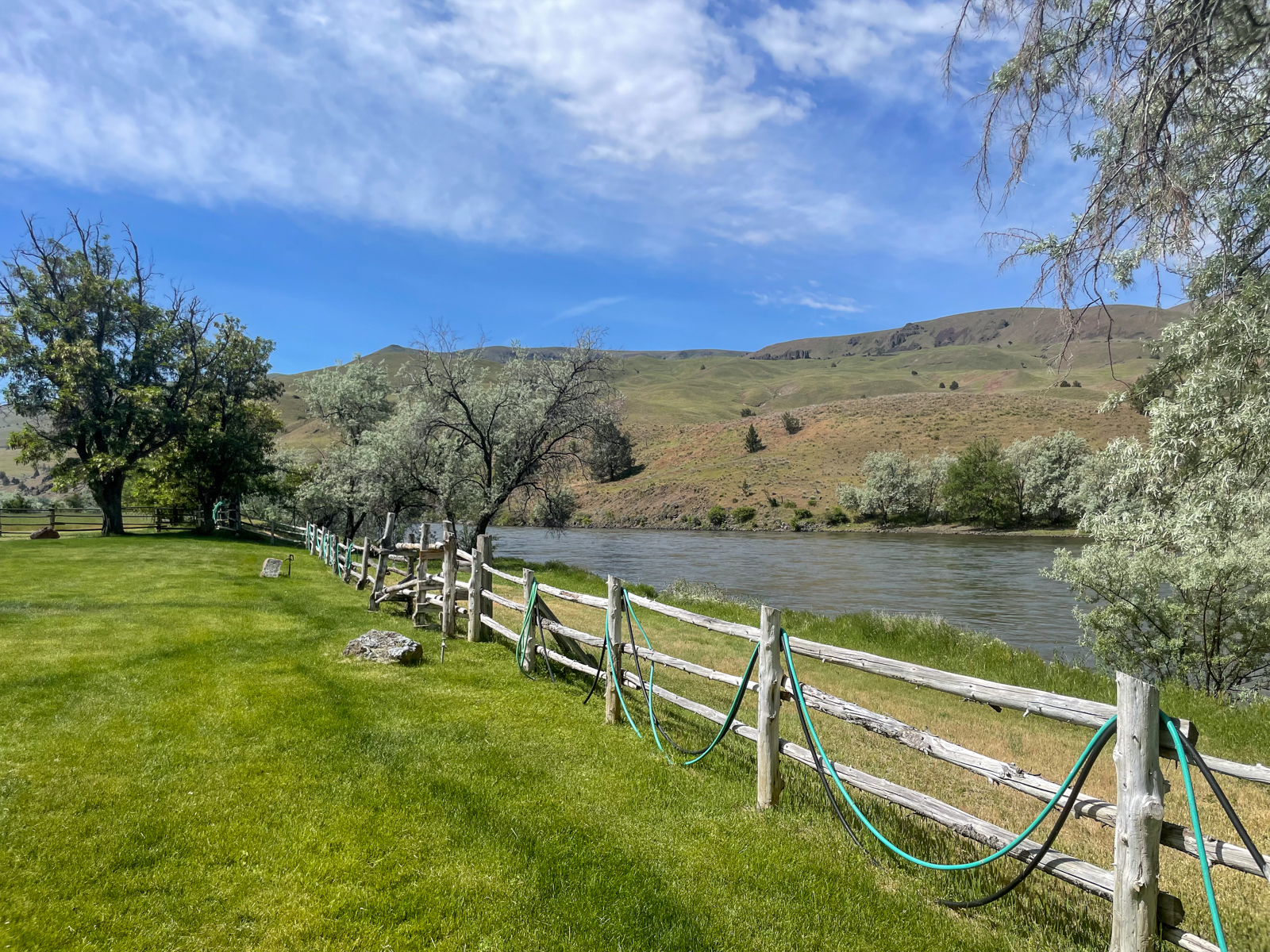
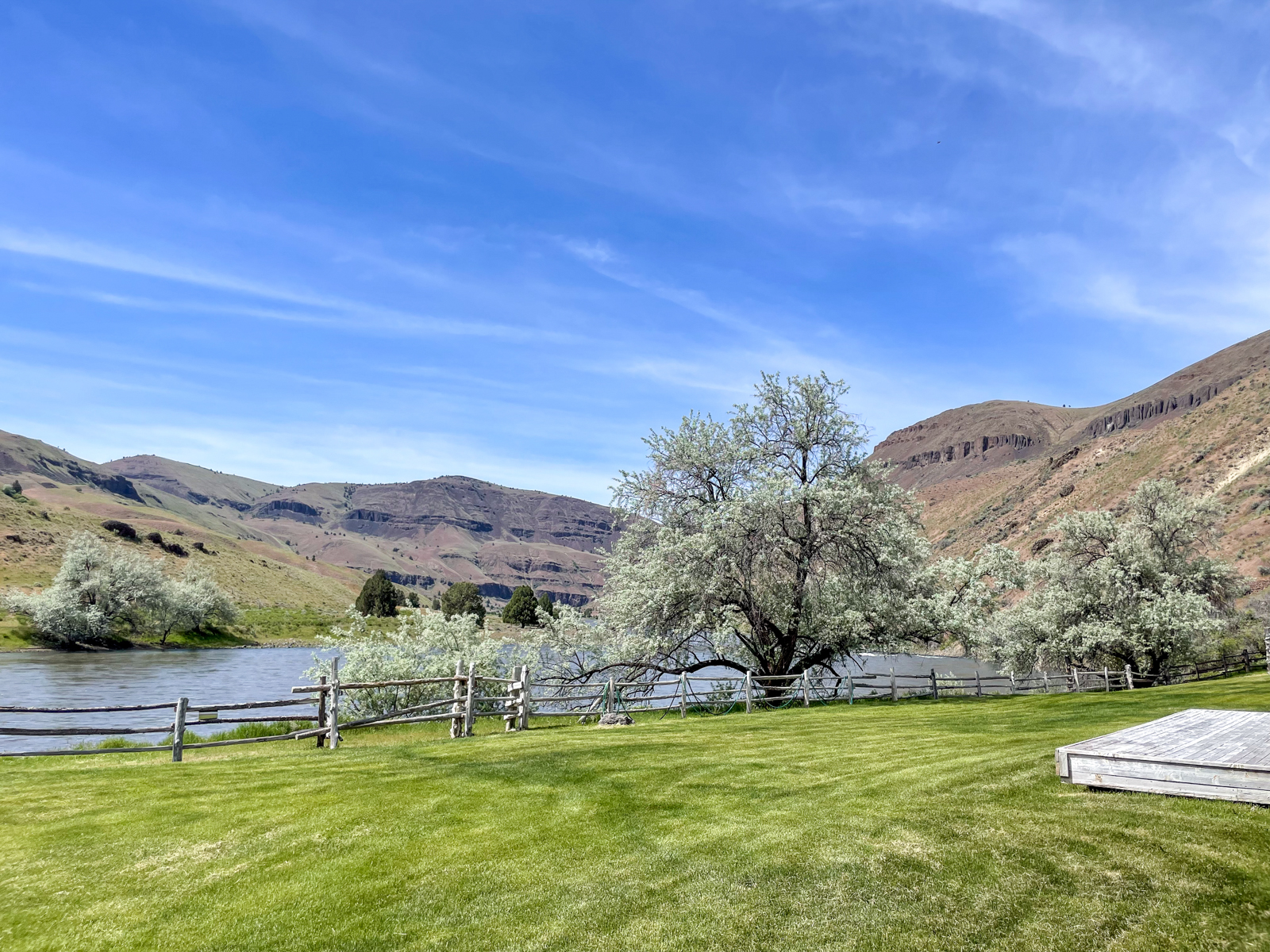
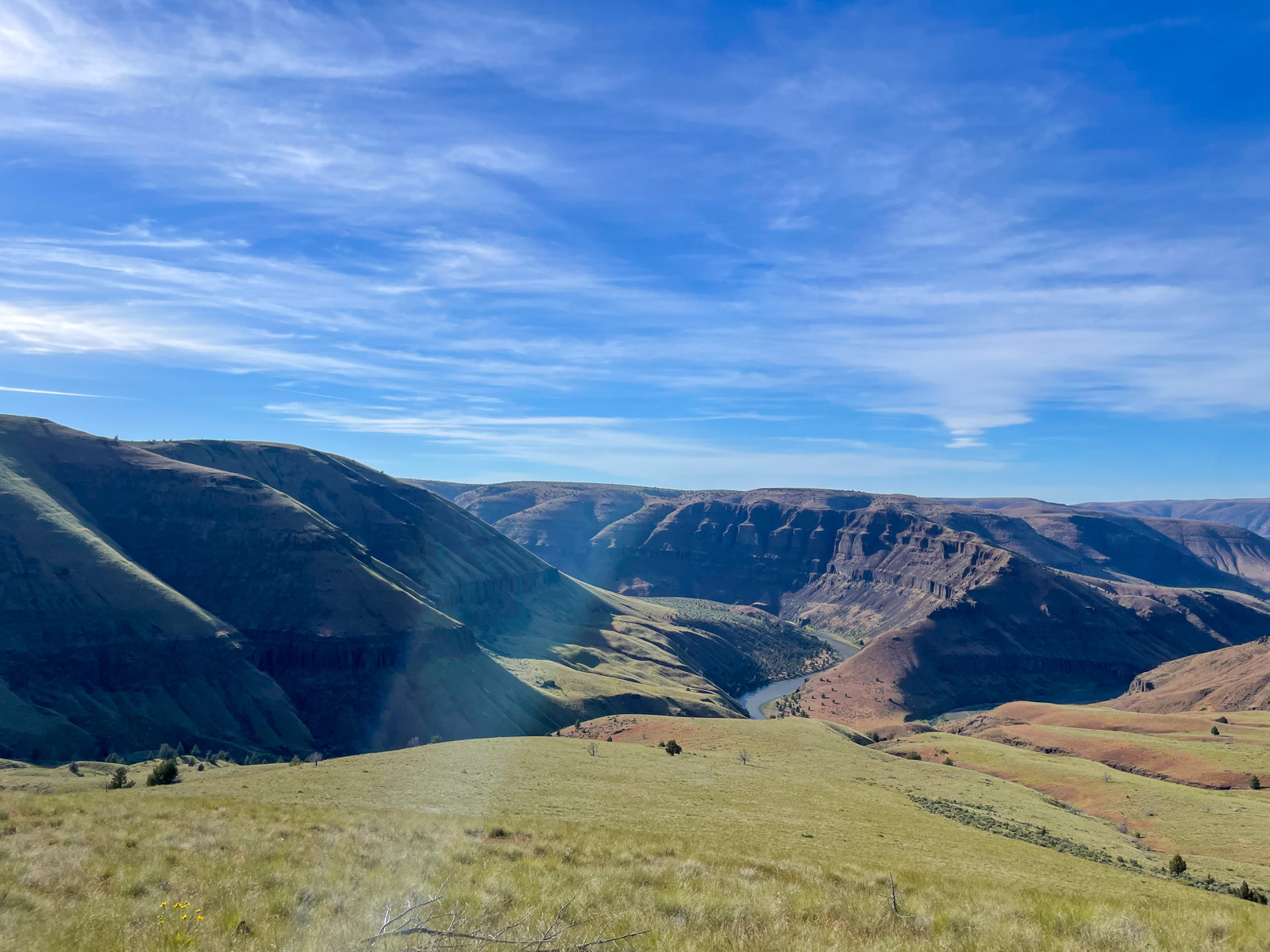
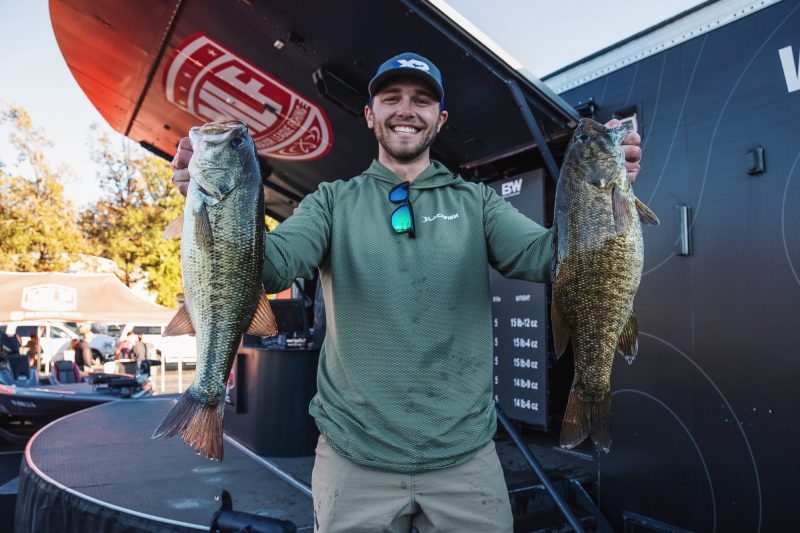
R&C Ranch is conveniently nestled along 1.5 miles of the John Day River, notorious for its smallmouth bass fishery as well as a strong summer steelhead run. Anglers can expect success fishing from the shore however, the true beauty of this location lies in its access to the entire river system. For smallmouth bass fishing, a six to eight weight rod with both an intermediate sinking line and a floating line are recommended. The peak season for smallmouth runs from mid-June to the end of August and 75 fish days are far from uncommon. Both topwater and subsurface action can be extremely productive depending on weather conditions. Typical flies include: the Stealth Bomber, Gamechanger, Bottoms Up, and other assorted poppers and streamers. For steelhead, most anglers will opt to swing subsurface flies such as Intruders or the Burnt Chicken. This can be done with a conventional fly rod, however, a spey or switch rod is recommended. With these two remarkable fishing opportunities, along with a recovering chinook salmon run, R&C Ranch makes for an unparalleled home base to target a wealth of species with a fly rod in hand. Explore R&C Ranch
By Emily Feuz Staal

Processed with VSCO with hb2 preset

While the beef futures market may seem abstract, filled with fluctuating prices and financial jargon, it has real impacts on ranchers, landowners, and investors alike. To shed light on how it works and why it matters, we sat down with Dr. Dillon Feuz for an in-depth discussion. Dr. Feuz a professor of Applied Economics at Utah State University, where he has focused his research on livestock marketing and ranch production since 2006, and served as department head from 2012 to 2021.

โ€œNot everyone will use the futures directly, but almost everyone thatโ€™s selling calves will be impacted by them,โ€ is what Feuz tells his students. โ€œIf you are doing a direct contract with someone, they are looking at what the futures are. Understanding the futures market can help you be better at negotiating.โ€

Understanding the Basics of Cattle Futures Market

The futures market began in the 1850s with cash-forward contracts for corn. To enforce these contracts, the Chicago Board of Trade was established, which evolved into todayโ€™s livestock futures market. Today, thousands of contracts trade daily on the Chicago Mercantile Exchange (CME Group).

In cattle trading, there are two main types of futures: feeder cattle and live cattle. Feeder cattle futures are based on steer calves weighing between 700 and 900 pounds that still need to be finished or fed outโ€”hence the term โ€œfeeder cattle.โ€ Live cattle futures represent cattle that typically come from a feedlot and are ready for slaughter. In ranch real estate, our clients primarily focus on feeder cattle, so that will be our focus here. Many ranches sell their calves at lighter weights than the feeder cattle contract, but Feuz says it is still the best indicator of the likely direction of weaned calf prices.

Feeder cattle futures contracts are based on 50,000 pounds of cattle (typically 70 head). While producers may have more or fewer animals, they can still trade a full contract. Feuz notes, โ€œJust recognize that when you sell them on the cash market, you will have more or less revenue than what the futures pay out.โ€

Futures contracts are offered for specific monthsโ€”January, March, April, May, August, September, October, and Novemberโ€”allowing producers to hedge around their planned sale. โ€œIf I have yearlings on grass this summer and plan to sell in September, I look at the September contract. Use the contract month that aligns with when youโ€™ll sell,โ€ says Feuz.

Iron Gate Ranch
Iron Gate Ranch
How Feeder Cattle Futures Are Settled

According to Feuz, โ€œThe feeder cattle futures market is unique because itโ€™s cash settled, meaning no physical cattle are exchanged. Instead, when the contract expires, it’s settled in cash based on the difference between the contract price and the market price.โ€

The settlement price for feeder cattle futures is based on a cash index that averages the prices of steers sold at auctions across twelve states. This means that instead of traders exchanging actual cattle, the futures contract is settled based on the real market prices of cattle at the time of expiration. Because the final settlement price is tied to real sales data, it accurately reflects the actual market value of feeder cattle.

For example, this fallโ€™s prices are not based on the current spring prices. โ€œItโ€™s based on what traders think the prices will be. By the time October arrives, the futures will be based on fall cattle prices. This prevents excessive speculation from driving prices too high or too low because, in the end, futures have to settle based on real market transactions rather than just trader speculation,โ€ says Feuz.

An example Feuz used is that a rancher might sell a futures contract for 50,000 pounds of feeder cattle (approximately 70 head) at $2.80 per pound for delivery in October. If, by the contractโ€™s expiration, the market price rises to $3.00 per pound, the rancher would lose $0.20 per pound on the futures contract. However, because they can sell their actual cattle at the higher local market price, they effectively recover the difference. Conversely, if the market price drops to $2.50 per pound, the rancher gains $0.30 per pound on the futures contract, offsetting the lower cash market price.

Understanding Basis Risk

While futures contracts provide price stability, there is always basis riskโ€”the difference between the futures price and the actual local market price at settlement. Wyoming markets, such as Torrington, often trade slightly above the 12-state average, meaning local producers may receive more than the futures price.

Additionally, weight plays a role in pricing. As mentioned above, feeder cattle contracts are based on 700 to 900 pound steers, but actual cattle may weigh slightly more or less, which affects the price per pound. Producers must account for this when estimating returns and using futures as a pricing tool. โ€œWeight really matters because as you go from a lighter to a heavier calf, the price per pound is going to change; that weight is an average, but you have to think about it,โ€ says Feuz.

Who Uses Feeder Cattle Futuresโ€”and Why?

According to Dr. Feuz, there are three primary types of participants in the feeder cattle futures market:
1. Those who own cattle or plan to own cattle, such as ranchers raising calves or stockers and yearlings. Their goal is price protection. โ€œIf a rancher is selling cattle, the risk is that the market goes lower,โ€ says Feuz. โ€œThe hope is that futures can offset the price at which they ultimately sell.โ€ To hedge against market declines, these producers put down margin money, a deposit that secures their futures position.

2. Those who want to buy cattle, such as feedlots or even a wheat pasture operator in Oklahoma looking to finish cattle. These buyers use futures to protect themselves against prices rising too high. โ€œTheyโ€™re buying futures contracts to lock in todayโ€™s lower prices in case the market climbs,โ€ says Feuz. Like sellers, they also post margin money to enter the market.

3. Speculators, who neither own nor plan to own cattle. โ€œMost traders today have never owned a cow and donโ€™t want to,โ€ says Feuz. Instead, they try to profit by reading trends and chartsโ€”buying low and selling high, or selling high and buying low. Some trade several times a day, while others take longer positions. โ€œThis is similar to trading stocks. Selling futures is the same concept as shorting a stock. If you think itโ€™s going to go down, you short it.โ€

The Relationship Between Traders and the Market

โ€œDo speculators have any effect as a whole? Yes and noโ€”itโ€™s a heated topic,โ€ Feuz says. On one hand, feeder cattle futures are cash-settled, meaning they ultimately reflect real auction prices. In that sense, speculative trading doesnโ€™t impact long-term prices significantly.

But in the short term, speculation can swing the marketโ€”and for producers caught in that window, those price movements are very real. Feuz recalls a moment from earlier this year: โ€œIn January, I was giving a market outlook talk. At the time, feeder cattle futures for fall delivery were trading well below where I thought theyโ€™d end up in October. Was that because speculators were pessimistic? I canโ€™t prove it, but futures have since risen from around $2.60 to $2.80โ€”closer to where I thought they should be.โ€

This short-term volatility can create challenges. โ€œIf a producer happens to be buying or selling during a time when speculators are pushing prices up or down, they may get caught in a distorted market,โ€ he explains. However, in the long run, speculation tends to balance out.

How the Cattle Futures Market Works Day-to-Day

The futures market may seem intimidating, but at its core, itโ€™s a tool producers can use to manage risk and secure prices for their livestock ahead of time. Here’s how it operates on a day-to-day basis:

Do most ranchers actually use the futures market?

โ€œNot really,โ€ says Feuz. โ€œAbout 90% of producers donโ€™t trade futures.โ€ Many utilize tools like Livestock Risk Protection (LRP) Insurance via the USDAโ€™s Risk Management Agency. LRP operates similarly to a futures or options contract, providing price protection for smaller lots. While a futures contract typically covers 50,000 pounds of cattle, many producers deal in 25,000- or 75,000-pound lots. Insurance offers greater flexibility and is becoming more popular for that reason.

Still, Feuz recommends that even if one doesnโ€™t use futures, they should understand them. Why? Because knowing how the cattle futures market is behaving helps producers negotiate better prices. An example Feuz uses is that if a buyer shows up offering $3.00 per pound for calves to be delivered in the fall, that might sound like a great offerโ€”but is it? If the current futures price for October delivery is $2.87 per pound, and you know that 500-pound calves typically fetch $0.15โ€“$0.20 above futures, that puts your expected price at around $3.02 to $3.07. In that case, $3.00 might be a fair deal, especially if it means locking in a guaranteed price. But if the buyer offers $2.90 when the futures suggest $3.10 is possible, you might want to hold out.

This is where the futures market becomes a valuable benchmarkโ€”even for those who never place a trade. It helps producers evaluate offers in real time and advocate for fairer pricing. If you donโ€™t know the market offhand, you can often call your local auction or check USDA reports, many of which are publicly available. Many auctioneers will share historical pricing information, helping ranchers and ranch managers stay informed.
How Are Prices Determined in the Beef Futures Market?

In short, โ€œsupply and demand.โ€ But as Feuz explains, several key factors play into that balanceโ€”particularly for feeder cattle:

1. Size of the National Cow Herd
The U.S. cow herd is currently the smallest it has been since the 1960s, largely due to prolonged drought. Rebuilding takes time, โ€œusually 2 to 4 yearsโ€ according to Feuz, so โ€œsupply changes slowly. Fewer cattle available means prices remain high.โ€

2. Price of Corn
Feedlots purchase corn at market price, so when corn prices rise (due to drought, politics, or trade issues), feeder cattle prices often drop. โ€œAs the price of corn goes higher, it tends to drive feeder cattle prices lower,โ€ Feuz explains. โ€œIf corn is lower, feeder cattle can be higher.โ€

3. Live Cattle Futures
Feedlot buyers also consider what they expect to sell finished cattle for once theyโ€™re out of the feedlot. If live cattle futures are trending up, theyโ€™re more willing to pay more for feeder cattle.

These are considered the โ€œfundamentalโ€ factors, and they tend to move slowly. But daily market changes? Thatโ€™s a different story. โ€œThe futures market trades more on rumor than it does on fact,โ€ says Feuz. โ€œRumors hit the market, and speculators jump in.โ€ News, government reports, or whispers of trade retaliation can all cause sharp price swings.

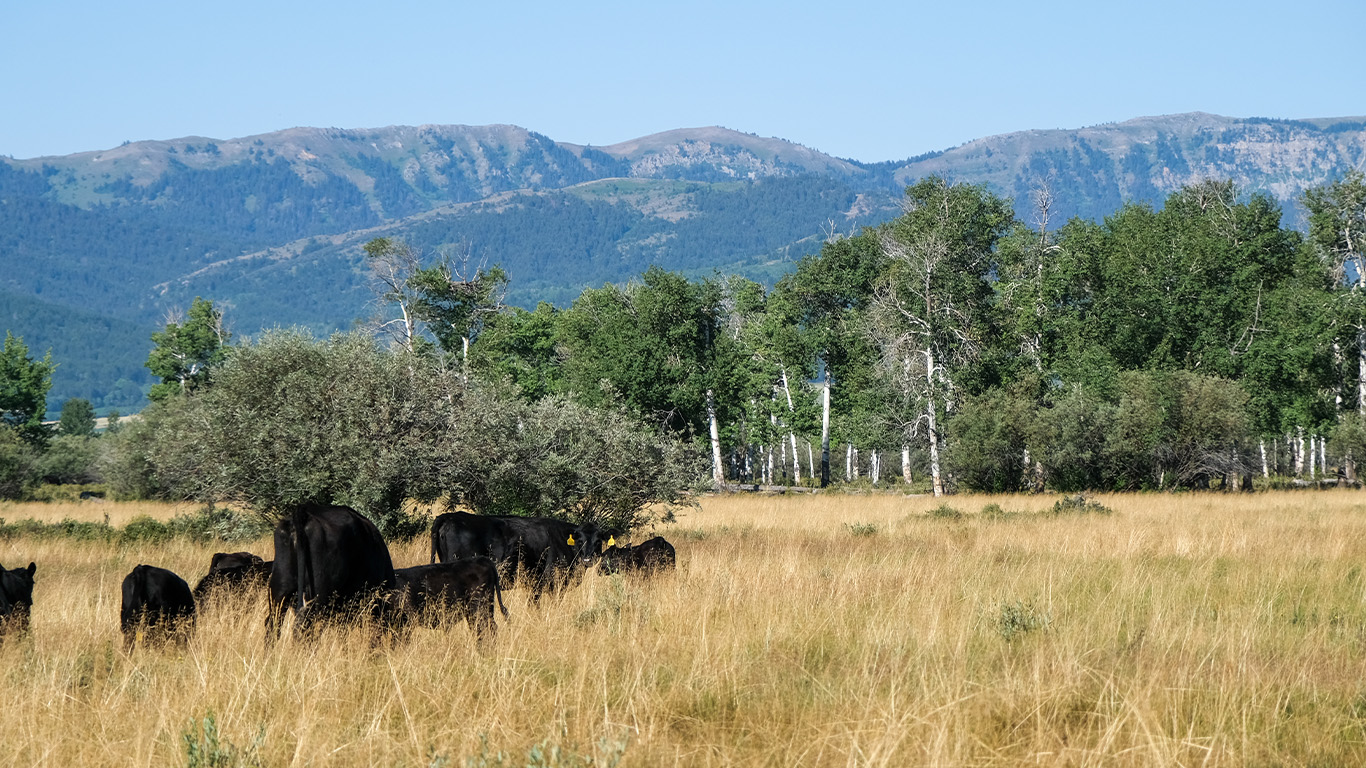
cattle on Centennial Ranch
Centennial Ranch
Real-Life Implications

External Influences to Watch
Outside forces often impact beef prices and affect ranchers and feedlots. Drought can trigger herd reductions, tightening supply and pushing prices up. Rising feed costs, particularly corn, can shrink profit margins and lower feeder cattle prices. Trade policy is a force particularly outside of a producerโ€™s control. While the U.S. exports less than 20% of its beef, according to Feuz, key markets such as Japan, China, Canada, and Mexico still carry significant weight. Trade disputes or new tariffs can quickly shift prices.

As Feuz explains, โ€œThose kinds of things can be completely out of a rancherโ€™s or feedlotโ€™s hands. As compared to a drought or feed cost, which you can adjust for, trade is harder to manage.โ€

Whatโ€™s Coming in the Next Few Years?

Feuz is cautiously optimistic. โ€œThe long-term picture is that we have a relatively small cow herd right now, mostly because of drought in key cow-calf regions like Texas, Oklahoma, Wyoming, and Nebraska,โ€ he says. โ€œProducers cut back. It will take good weather and high prices to encourage rebuilding.โ€ As cow-calf producers return, supply will grow, and prices may gradually declineโ€”especially around 2026 and beyond.

Some wonder if weโ€™ve hit a ceiling. Feuz agrees that while weโ€™re probably near a peak, โ€œthis fall will still be higher than last fall.โ€ But rebuilding the herd will likely bring prices down eventually. Still, the profit margin at the cow-calf level is strong right now. That wonโ€™t last forever. โ€œFeedlots and packing companies wonโ€™t let that happen indefinitely. Theyโ€™ll try to get profitability back. Itโ€™s a continual battle.โ€

For now, Feuz believes calf prices should remain favorable for the next two to three years, barring major trade disruptions.

cattle on Antlers Ranch
Antlers Ranch

Closing Thoughts for Ranchers and Investors

Feuz has attended stock grower meetings since the nineties and continues to hear the idea that futures markets are controlled by big packers or speculators and should be scrapped. However, over 30+ years, the markets have persisted. His advice? โ€œThe markets are not going away. Figure out how to use them in your operation. Not necessarily to trade in themโ€”but to understand them.โ€

That understanding can help you compare local cash markets to futures prices, time your calf sales or explore forward contracting, and ultimately become a better negotiator. โ€œDonโ€™t fight the marketโ€”learn about it and use it to your advantage,โ€ he says. โ€œYou wonโ€™t be right every year, but if youโ€™re right more often, that can help you survive downturns and thrive in the good years.โ€

Want to Learn More? Feuz recommends two trusted resources:
โ€ข CME Group: Offers ag commodity quotes and educational material on using futures
โ€ข Kansas State University Ag Economics: Features farm management tools and resources

For ranchers and investors alike, understanding the beef futures market is essential for making informed decisions in an ever-changing industry. Whether you’re looking to protect your operation from price swings or explore market opportunities, staying educated and proactive are the keys.

At Live Water Properties, we recognize the importance of economic trends in ranch ownership. If youโ€™re interested in learning more about how cattle futures market conditions can impact your ranch investment, reach out to our teamโ€”weโ€™d love to help you navigate the landscape.

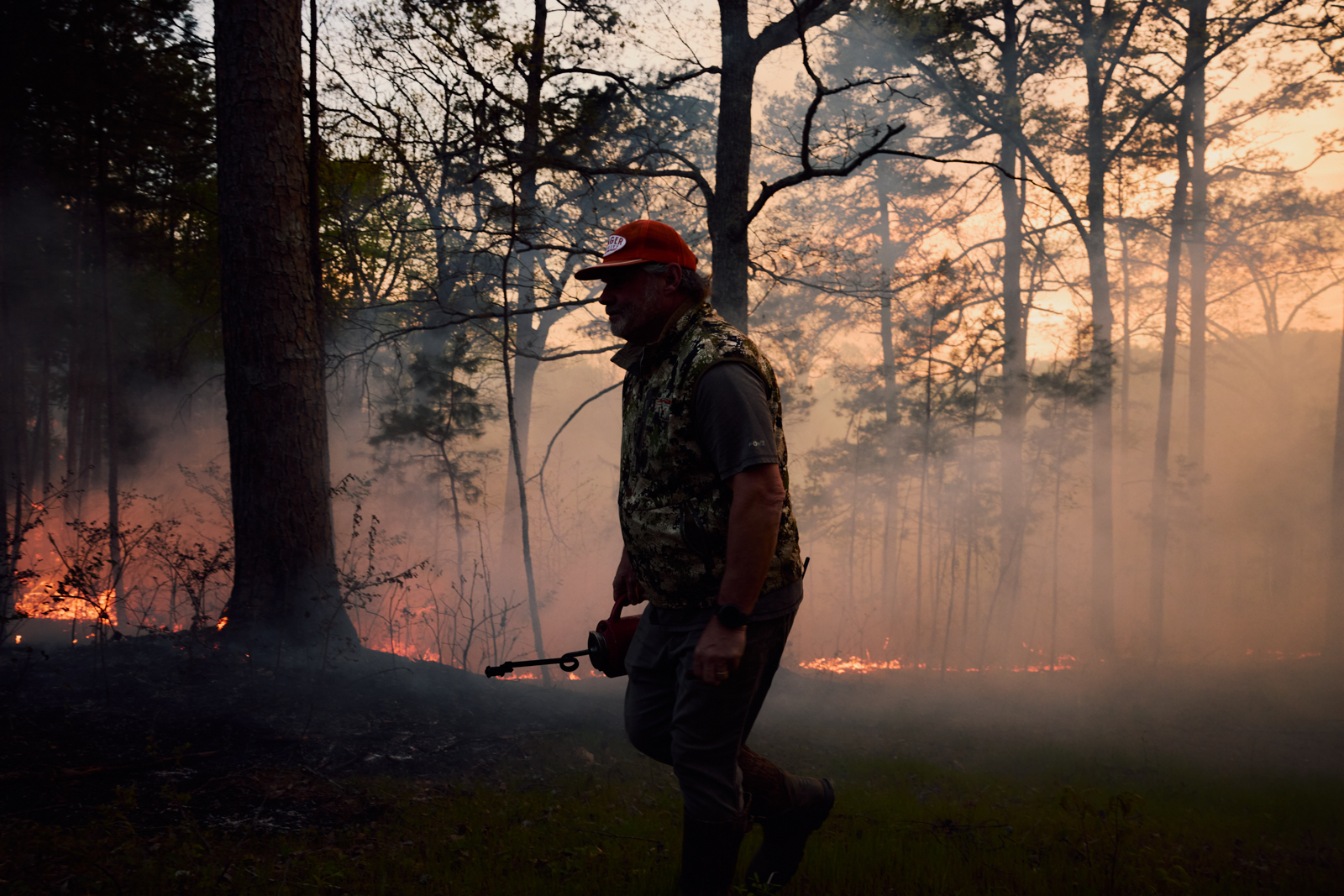
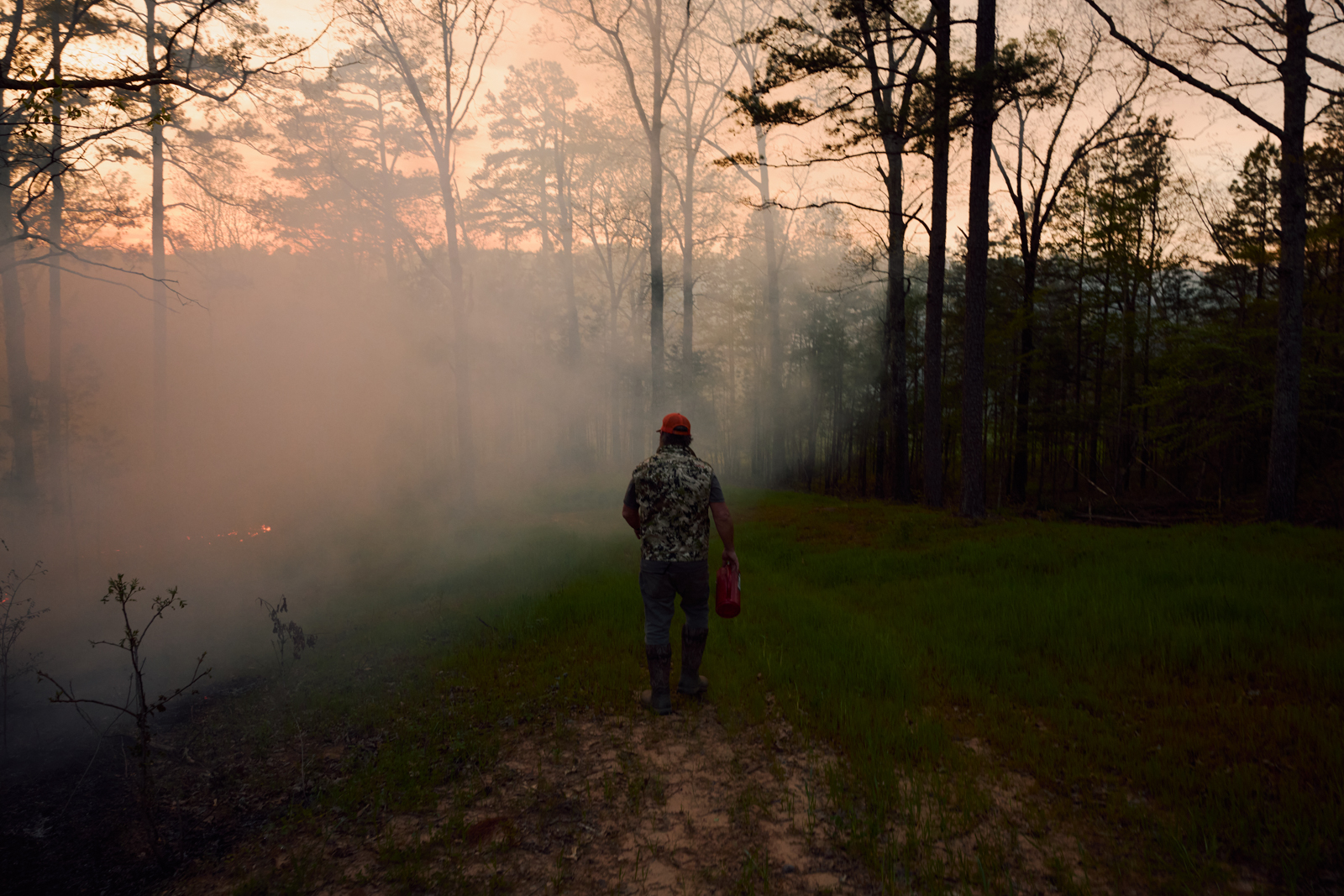
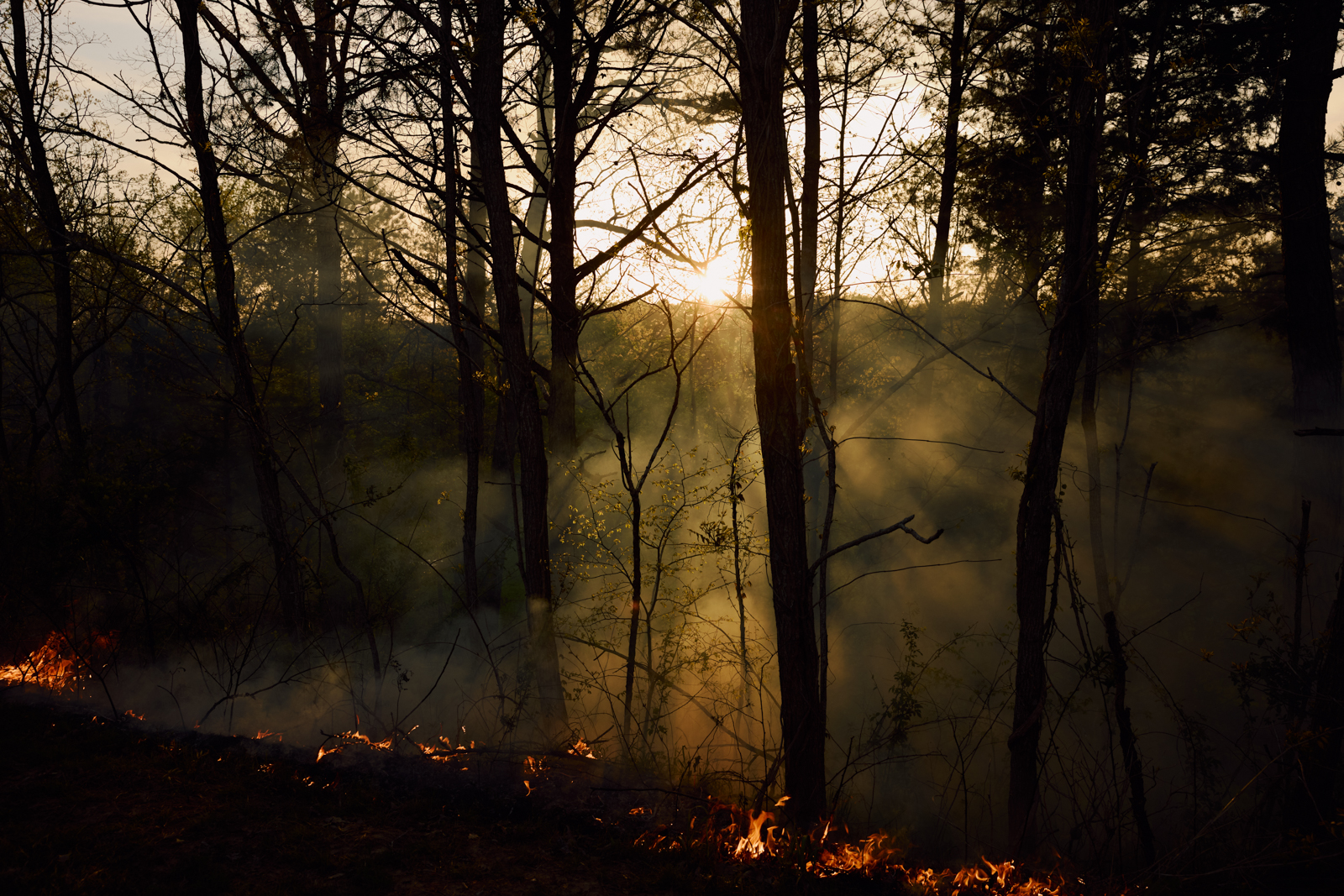
In pine savannahs throughout the Southeast, โ€œsettinโ€™ the woods on fireโ€ is more than a classic Hank Williams tune, it is time-tested controlled burning for land management.

real estate broker davis willis
Davis Willis

โ€œLandowners throughout the Southeast use prescribed burning to keep their landscapes ecologically productive,โ€ said fifth-generation Georgian Davis Willis, who is a Broker for Live Water Properties based in his hometown of Albany, Georgia. โ€œNot only is prescribed burning the most cost-effective technique available, but conscientiously applied fire opens the forest understory, sets back plant succession, helps eradicate invasive species, removes fuel loads helping prevent wildfires and increases plant diversity which improves wildlife habitat and water quality.โ€

Most North American ecosystems, including pine savannahs, evolved with fire. In fact, Native Americans harnessed the power of fire for agriculture and to help direct the movement of game. European settlers had a very different relationship with fire because the ecosystems they were accustomed to did not benefit from periodic burns; therefore, they maintained a fire suppression mindset.

Over time, removing fire from the landscape changed the ecosystemโ€™s composition. Small woody species began to encroach on once open rangelands and forests, consequently changing the wildlife habitat. A classic southeastern example, among other factors, is the decline of bobwhite quail. The beloved game birds need grasslands, not woody brush species, beneath the tree canopy to thrive.

โ€œOn well-maintained pine plantations that are successfully managed for quail, the understory is open and beautiful,โ€ Willis said. โ€œYou can see for miles.โ€

In areas of the Southeast, if plant succession isnโ€™t disrupted, a phenomenon known as mesophication can occur. Previously open forests become closed and filled with shade-loving trees. Because no sunlight reaches the ground, it further destroys the plant community on the forest floor. Humidity increases, rendering the forest uninhabitable for most wildlife species.

โ€œAt that point, there is no fuel on the ground making it difficult to burn,โ€ Willis said. โ€œThe only thing you can do to reclaim the land is to clear cut or drastically thin the trees and start over.โ€

Prescribed burning is the controlled application of fire by a team of experts under specified weather conditions that helps restore health to ecosystems that depend on fire. In the Southeast, the most common land management goal is managing and maintaining the understory in pine savannahs.

According to Willis, Southeastern land managers rely on cool season burns conducted in late winter to early spring prior to plant โ€œgreen upโ€ to achieve their goals. Depending on the size of the property, land managers generally burn between one-quarter of the acreage for smaller properties to one-half for larger properties in an on-going rotation, usually every two to three years. In drier climates such as those in Texas and out West, the rotation between burns is longer, because plants require rain to recover.

โ€œIn dry climates, they try to burn after it rains,โ€ Willis said. โ€œOver here, we try to burn before it rains.โ€

In addition to season, the burn prescription takes in a wide variety of factors including humidity, wind direction and wind speed. Because the Southeast is more humid, smoke does not rise as rapidly or as high as in a drier climate. As a result, smoke behavior and air quality are important concerns in the Southeast.

โ€œIf you, as a land manager, set a fire on a day that prevailing wind is going to carry the smoke cloud across a nearby highway or interstate, youโ€™re liable for any accidents that result from that smoke,โ€ Willis said. โ€œNearby towns and cities are vigilant about air quality. You canโ€™t set a fire unless the conditions are exactly right.โ€

Controlled burning for land management is equal parts art and science, so it is not as simple as purchasing a drip torch and setting fire to the land. It takes planning and expertise to ensure that the burn is effective and safe. The first step is establishing the goals for the burn and identifying the portion of the property to be treated. The goals will dictate the burnโ€™s prescription, including temperature, humidity level, wind speed, and all the other considerations.

Once the site is identified, fire breaks will have to be installed or identified if there are natural breaks such as creeks or rivers. Fire breaks help keep the prescribed fire contained and prevent it from escaping and becoming a wildfire. Safety protocols, ranging from gathering the appropriate equipment to enlisting an experienced burn team to notifying neighbors, local law enforcement, and county officials, have to be put in place. The weather and the fuel load must be monitored until the minute the fire is ignited.

โ€œIf the conditions arenโ€™t exactly right, the burn will have to be postponed until they are,โ€ Willis said. โ€œItโ€™s hard to say, โ€˜No go today,โ€™ but itโ€™s essential that the burn boss be willing to send everyone home. Discretion is always the better part of valor.โ€

Prescribed burning is readily available to all landowners, even those who donโ€™t have first-hand experience themselves. In Georgia, landowners can contact the Georgia Forestry Commission and enlist a team of the agencyโ€™s professionals for a burn. Private contractors are another option for conducting a prescribed burn. Landowners can also get education and certification from several different non-profit organizations, including Tall Timbers Research Station and Land Conservancy based in Tallahassee, Florida.

Willis, who has been part of his familyโ€™s land management efforts on agricultural and recreational properties throughout the Southeast for his entire life, has seen the transformative power of well-applied controlled burning for land management.

โ€œWhen it comes to prescribed fire, my best advice to Southeastern landowners is, โ€˜Donโ€™t hesitate. Just do it,โ€™โ€ Willis said. โ€œA prescribed burn that is well-timed and well-executed ignites a spark of land restoration and rejuvenation unlike anything else.โ€

Photos courtesy of Hunter Gawne – https://www.huntergawne.com/

History of American Farming and Agriculture: Past, Present, and Future

As early as 11,000 BCE, humans cultivated crops and tended animals for sustenance. The history of American farming is a testament to the dedication of farmers, ranchers, and other agricultural professionals who have shaped the land and industry. The birth of agriculture granted humans the freedom to build, grow, and create. Today, as every day, we tip our baseball or cowboy hat to those who have continued to provide us with that freedom. Live Water seeks to preserve that freedom and connect agricultural land with the people who value it.

Conventional Farming

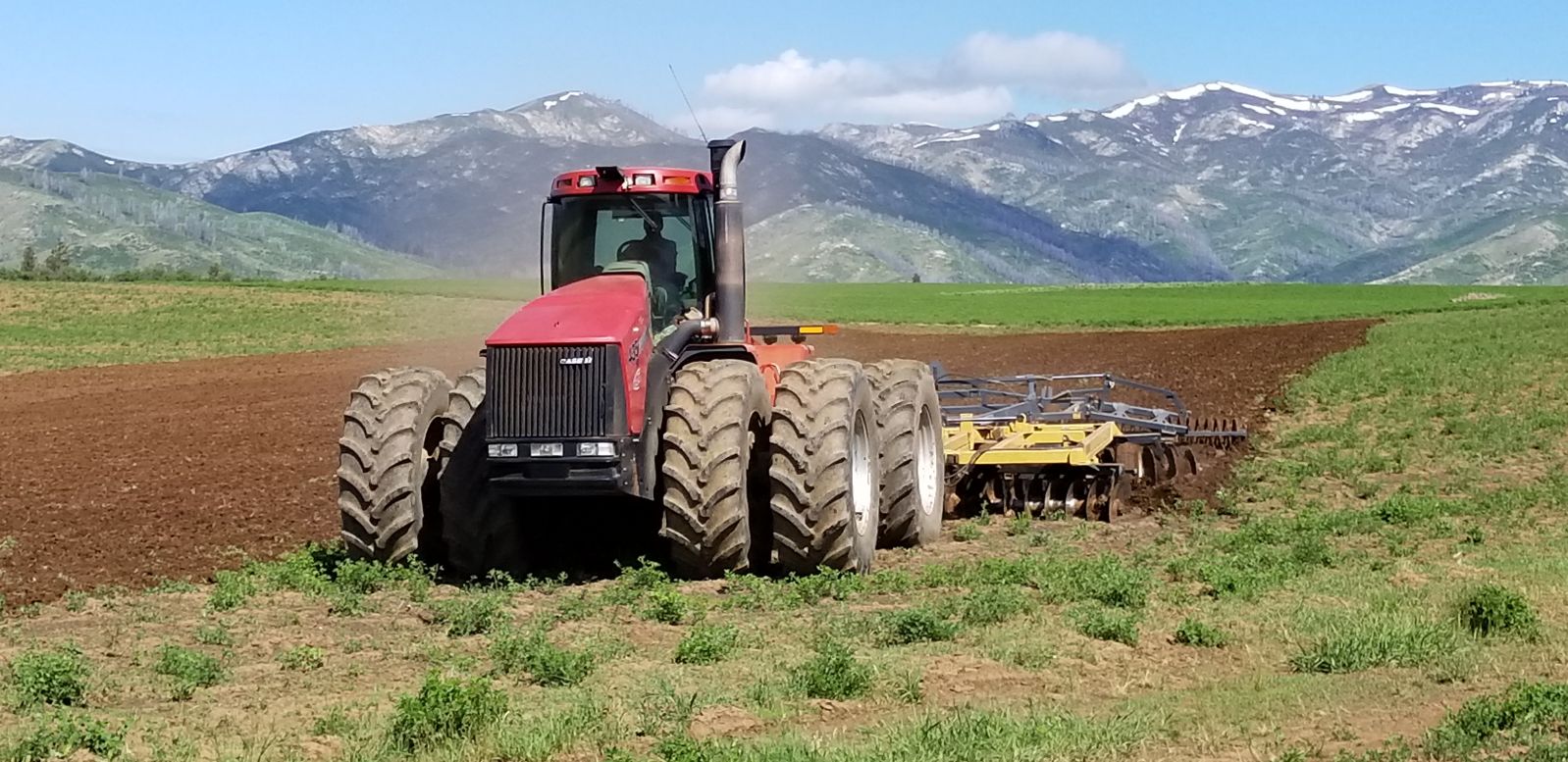
Conventional farming in the United States dates back to the early 20th century. Industrialization, continuous farming, and methods such as monocropping led to a depletion of nutrients in the soil. This form of farming began using synthetic fertilizers, pesticides, and genetically modified organisms (GMOs) to address concerns regarding soil fertility, low yields, and a decrease in the workforce. Synthetic fertilizers, whose main components are nitrogen, phosphorus, and potassium, are used to provide lost soil nutrients. Pesticides were introduced to protect crops from pests, weeds, and diseases that could further reduce the yield. Moreover, GMOs were developed to improve crop resilience to pests and drought while enhancing their productivity. The advancements in industrial farming through scientific methods also contributed to a reduced dependence on manual labor. According to the 1880 census, 49% of workers in the U.S. were farmers, a decrease from 90% in 1862. This number continued to decline, reaching 30% of an approximately 32 million population in 1920, as young people migrated to cities. Today, the percentage of farmers in the workforce is less than 2%.

Pros and Cons of Conventional Farming

Conventional farming remains the most popular form of agriculture in the United States, continuing a long tradition in the history of American farming.. In 2021, 17,445 farms out of an estimated 2.01 million were certified organic. The reason for this is that conventional farming continues to be effective. In 2023, the U.S. had 1.89 million farms generating $267.4 billion in cash crop receipts, with corn and soybeans making up nearly half (49.4%) of the total. The livestock sector brought in $249.6 billion, with cattle and calves accounting for 40.5% and poultry and eggs contributing 26.9%. Large-scale agricultural operations utilizing modern machinery can produce higher yields without long fallow periods using synthetic fertilizers, pesticides, and GMOs, while minimizing the overhead cost of labor and creating food security at a lower cost to the consumer. However, the cost of this efficiency comes with risks. The reliance on synthetic chemicals and monocropping reduces biodiversity, degrades soil nutrients, causes chemical runoff that can contaminate water sources, and potentially long-term health concerns for humans and wildlife. While these methods increase short-term productivity and provide food for our nation at a reasonable cost, they also raise unanswered questions about the long-term impact on our health and the environment.

Organic Farming

real estate broker adam deakin
Adam Deakin

Organic farming in the United States began gaining traction in the 1940s through J.I. Rodale, founder of the Rodale Institute, and other environmental advocates, in response to concerns about the environmental and health impacts of conventional farming. As part of the evolving history of American farming, this form of agriculture avoids synthetic fertilizers, pesticides, and genetically modified organisms (GMOs), instead relying on natural methods to maintain soil fertility, control pests, and sustain yields. Practices such as crop rotation to enhance the variety of root structures for soil fertility; planting cover crops (e.g., crimson clover, black-eyed peas, and hairy vetch) to retain moisture, prevent erosion, help eradicate weeds, and attract pollinators; using a no-till or reduced tilling system to protect root networks; and fertilizing the soil with nitrogen-rich animal manure or food scraps are central to this approach.

Organic farming is gaining attention as a means to support market trends. Live Water Properties Broker Adam Deakin noted, โ€œBoth investors and farmers are looking to capitalize on the growing consumer demand for organic products and thereโ€™s a premium to be had. If someone is looking to distinguish themselves in a market, organic is a great way to do so, particularly if they are vertically integrated.” The ability to process, label, and distribute organic products allows producers to sell directly to major retailers, taking advantage of nice market potential. “Anderson Ranch is an example of an organic farm that geographically sets itself apart
from other farms with its complete isolation, offering both natural pest control and a buffer from contaminants.”

Pros and Cons of Organic Farming

Organic farming relies on natural methods that have a reduced environmental impact. With the prohibited use of antibiotics, synthetic fertilizers, and pesticides, agricultural production tends to have a lesser impact on the welfare of animals, human health, and the environment. Conversely, organic farming requires a higher workforce and more land, which can lead to further deforestation while producing lower yields that have a shorter shelf life and higher cost to the consumer. Furthermore, the transition process to become a certified organic farm is strenuous. Producers must undergo a three-year transition period where no unauthorized fertilizers or pesticides have been applied to the land while investing money and resources into rebuilding soil health, managing pests, and improving animal well-being. After the transition is completed, an Organic System Plan must be implemented and submitted to a USDA-accredited certifier, which can take three to six months to be approved.

The Future

Farmers and ranchers have been the backbone of the United States since its inception, adapting to scientific and technological advancements, economic pressures, and environmental concerns. While respecting and maintaining the landโ€™s agricultural heritage, Live Water strives to preserve and enhance agricultural land as changes in ownership take place. Conventional farming has established food security in our nation through highly efficient methods, but raises concerns related to sustainability and environmental impact. Meanwhile, organic farming has the potential to reduce environmental impact but comes with a higher cost to consumers and financial barriers for small-scale farmers. As we continue to grow and evolve as a nation, there is hope to find a balance between the two methods to create a better and more stable future for farmers, ranchers, and the American people.

JACKSON HOLE, WYO โ€“ For 2024 and for the third time in his eight-year real estate career, Jackson Hole real estate broker Latham Jenkins has been named Live Water Propertiesโ€™ Top Producing Broker, achieving this prestigious honor with an outstanding $88M in sales volume. Jenkins continues to lead Live Waterโ€™s luxury residential division, Live Water Jackson Hole, solidifying his reputation as one of the top brokers in not only Jackson Hole but the nation. Lathamโ€™s success in 2024 was highlighted by the sale of Jackson Holeโ€™s iconic Lost Creek Ranch, which had a last asking price of $39.5M, and Granite Ranch, with a last asking price of $8.995M. Both properties received national attention, ranking among the most-viewed articles on Mansion Global this year. Live Water Properties was the only firm with two properties featured on this prestigious list, and Jenkins was the sole individual broker to achieve this recognition twice.

โ€œI do not know of another Broker in the business who works harder for his clients than Latham,โ€ says Live Water Properties CEO/Founding Partner Alex Maher. โ€œThe countless hours he spends on these legacy projects shines through our marketing efforts and produces the most desirable results year after year.โ€

In addition to his record-breaking sales, Jenkinsโ€™ influence extends into the coming year. He has already secured two marquee listings for 2025: Antlers Ranch, listed at $85M, and Red Hills Ranch, listed at $65M. These legacy properties showcase his ability to represent some of the most exclusive real estate in the market.

โ€œLatham finds a way to uncover the story of a property and accurately tell it to the audience like no other broker in the field,โ€ says Live Water Properties COO/Partner John Merritt. โ€œIt is awesome to see his continued success, and we are thankful to have him on Live Waterโ€™s team.โ€

This marks the third time Jenkins has been named Live Water Propertiesโ€™ Top Producer, previously earning the title in 2021 and 2022. In 2024, he was also recognized as a finalist for the prestigious Inman Gold Club Award, further cementing his status as an industry leader.

โ€œLatham Jenkins has an unflinching ability to read situations properly for a buyer. He pays attention to the smallest details for a seller,โ€ says Live Water Properties CFO/Founding Partner Macye Maher. โ€œGood luck in 2025, Lathamโ€”we cannot wait for another successful year collaborating with you.โ€

Live Water Properties is a land and ranch real estate brokerage specializing in premier fly fishing, hunting, ranching, recreational, and conservation land. With $3.5 Billion in closed deals, they are uniquely qualified to assist in all aspects of ranch ownership. Since their inception in 2001, Live Water Properties has grown into a 25-person, 15-state land brokerage firm. They are represented throughout the country with Brokers in the Rocky Mountain West, Pacific Northwest, Northern Plains, Texas, and the Southeastern United States. The team at Live Water Properties is distinctly qualified to connect clients with their dream properties.

Latham Jenkins, a nationally ranked professional real estate broker, has been a consistent leader in Wyomingโ€™s luxury residential market. Recognized as the #1 agent in individual residential sales in Wyoming (2021) and #2 in 2022 and 2023, as ranked by Real Trends, Jenkins brings unparalleled expertise to showcasing Wyomingโ€™s most coveted properties. His ability to craft compelling narratives for listings and connect with buyers on a global scale has established him as a preeminent name in the industry.

real estate broker latham jenkins giving property tour on horseback


Combining his sales leadership with an unmatched passion for Wyomingโ€™s natural splendor, Jenkins consistently elevates the profile of the stateโ€™s most exceptional real estate offerings. For more information, please visit: Latham Jenkins – Live Water Properties.

John Merritt
COO/Partner/Responsible Broker John Merritt

Ranch real estate market trends have shifted in 2024, offering valuable insights into pricing, inventory, and buyer behavior that will shape the industry through 2025.

“From my perspective, in 2024, our industry moved past the 2021-2023 Covid pandemic market,” said John Merritt, COO/Partner/Responsible Broker of Live Water Properties based in Jackson Hole. “Overall, the market was more balanced and followed historic trends more closely than it had since the pandemic.”

โ€œHistorically, during a presidential election year, the rural real estate market is a bit off because people take a โ€˜wait-and-seeโ€™ attitude,โ€ said Merritt. โ€œFor us, 2024 defied history, and we didnโ€™t experience the typical election-year market lull until October. It was a busy year for our Brokers and Agents.โ€

Some of the notable deals in 2024 included the 50-acre Lost Creek Ranch in Wyoming (last asking price of $39.5 million), the 2,145-acre Twin Buttes Farm in Idaho (last asking price of $15 million), and the 2,300-acre Lightwood Plantation in Georgia (last asking price of $15 million) in Georgia.

These successes came as the team represented both Buyers and Sellers. In theory and in fact, Live Water Properties is a listing-based business by design. As a listing brokerage, the team controls the marketing and the leads, creating the greatest opportunity to bring a deal to fruition for the Seller.

This past year, ranch real estate market trends show 61 percent of the transactions by volume were on the Seller side of the equation. According to Merritt, this fell within the firmโ€™s historic norms and signaled a shift from 2023 when, for the first time, the majority (52 percent) of the firmโ€™s transactions were on the Buyer side of the deals.

In October, when activity slowed a bit, Merritt noted that interest in rural land did not wane, but that dealmakers began to encounter a lack of conviction in the marketplace as the election neared. Negotiations began to stretch out or, in some cases, stalled. And while the change in behavior can be attributed in part to the historic โ€œwait-and-seeโ€ attitude that accompanies presidential elections, Merritt suggested that increasing inventory could be a factor as well.

When the Live Water team gathered for its broker workshop in mid-May, the company was experiencing incredible momentum. Since then, their inventory has tripled, driven by the trust of clients and our commitment to results. At the same time, they successfully represented 28 sellers this year, demonstrating their ability to not just grow but also deliver exceptional outcomes. The firm is entering 2025, with several exceptional, once-in-a-lifetime properties, including the 16,532-acre Antlers Ranch in Meeteetse, Wyoming (listed at $85 million) and the 190-acre Red Hills Ranch in Jackson Hole, Wyoming (listed at $65 million).

โ€œInventory across the nation has grown,” Merritt said. “We’re seeing more Sellers, including Baby Boomers making meaningful legacy decisions, enter the market and provide Buyers with a greater range of opportunities.”

The ranch real estate market trends started earlier in the year but has picked up steam. Merritt anticipates that it will continue into 2025, creating a more balanced market. Currently, inventory is increasing, Buyer and Seller behaviors are changing.

โ€œIn my experience, after a really hot market, the gap between Buyer and Seller is very wide,โ€ Merritt said. โ€œThen, we go through a transition period where their expectations move closer to one another. Finally, a balanced market is established when expectations on both sides are closely aligned.โ€

Merritt predicts winter, a traditionally slow season, will come and go, and by spring people will return to a business-as-usual mindset post-election. For him, the big question for 2025 is: What will Buyer activity do?

โ€œUltimately, ranch and recreational real estate is a supply and demand business,โ€ Merritt said. โ€œSupply is increasing. If the number of Buyers stays high, the market will continue at a strong pace, but if the number of Buyers decreases or Buyers decide to invest in other assets, the market will reflect those choices as well.โ€

Although itโ€™s too early to call it a Buyerโ€™s market, a more balanced market means that accurate pricing is essential for Sellers. Gone are the days of posting a picture online and getting three above-asking-price offers by sundown.

โ€œPremium properties will always bring premium prices, but other types of properties need to be priced according to market realities,โ€ Merritt said. โ€œSellers need to understand that the overheated market of COVID is gone, which means that price sensitivity is once again a major factor in the marketplace. Sellers need to level-set their expectations if they donโ€™t want to suffer through a series of price reductions and have a property that lingers on the market.โ€

Whether buying or selling, Merritt said itโ€™s a good idea to work with a Broker who is knowledgeable in the location of interest. On the Buyersโ€™ side, many transactions are still occurring off-market, and the only way to find them is to have a trusted insider. On the Sellersโ€™ side, itโ€™s important to recognize that the market is much more balanced and potentially moving toward a Buyerโ€™s market. So, choose a Broker who understands the true value of what you have and can activate a Buyerโ€™s pool with a supportable price.

โ€œOverall, I think itโ€™s going to be a very dynamic market where things could evolve quickly,โ€ Merritt said. โ€œWhether youโ€™re a Buyer or Seller, Iโ€™d advise you to know exactly what you want to doโ€”and do it with conviction.โ€

A Snapshot of the Southeast

Southeastern Market Director Bill Calton

One of the firmโ€™s most significant accomplishments that contributed to shifting ranch real estate market trends for 2024, is the successful expansion into the Southeast. The effort began in March 2023, when Bill Calton, based in Chattanooga, Tennessee, was hired as the Southeastern Market Director. His four decades of experience in the real estate and timber industries throughout the Southeast made him a natural choice to oversee and orchestrate Live Water Propertiesโ€™ expansion.

According to Merritt, the expansion made sense for many reasons. Many of Live Waterโ€™s clients live in the Southeast and own recreational property in the Mountain West.

โ€œBy establishing our presence in the Southeast, we are attuned to the market in both places and stay close to our clients who are engaged in the natural world across the country,โ€ Merritt explained.

In addition, the Southeast, because of its milder climate, is a year-round market, while naturally the Mountain West showings slow during winter months.

โ€œWorking in the Southeast allows us to leverage our marketing platforms and knowledge year-round, offsetting the ebb and flow of the Western market,โ€ Merritt said.

And as importantly, Live Waterโ€™s executive team, co-founders Alex and Macye Maher, and Merritt all hail from the Southeast. Alex is from Alabama, Macye from Virginia, and Merritt from Georgia. They all still have family and deep roots in the region.

โ€œWe all came of age in the South and share a deep love of the land and natural resources there,โ€ Merritt said. โ€œThat has to be acknowledged.โ€

The demographics also support the firmโ€™s move. According to Calton, four of the five states enjoying the fastest population growth are in the Southeastโ€”a trend that has remained steady since 2022. Americansโ€™ reasons for moving are varied, but generally, people are leaving high-tax states and making their way to the more affordable South.

โ€œWhen it comes to the overall lifestyle, the South is less crowded and more affordable,โ€ Calton said. โ€œThe affordability extends to rural land.โ€

Currently, Live Water Properties is focusing on Georgia, Alabama, South Carolina, Mississippi and Florida. Tennessee and North Carolina are on the radar.

In the Southeast, clients are not only seeking out the desirable hub cities such as Atlanta, Memphis, Charleston, Savannah, and Birmingham but good, accessible land within a two-hour drive of their city of choice. Being within two hours makes a weekend getaway or even a day trip easy. The regionโ€™s varied landscape means the outdoor recreational options are equally diverse.

โ€œMost of our clients are searching for their piece of rural heaven where they can bird hunt on a quail plantation, deer hunt in the timber, shoot ducks and geese at sunrise in the marshes or flooded timber or fish in lakes, ponds or rivers,โ€ Calton said. โ€œPeople want to get outdoors and enjoy it on their terms.โ€

He continued, โ€œThey want to get their nails dirty and improve a property, either by doing the work themselves or envisioning the result that guides someone elseโ€™s work. Ultimately, they want to build a place that delivers a sense of arrival.โ€

Since signing on, Calton has hired two Brokers, Jon Callaghan, based in Atlanta, and Davis Willis of Albany, Georgia. The duo joined the firm in late 2023 and already have $40 to $50 million of deals working right now.

Merritt said, โ€œItโ€™s a sign of a maturing business. Weโ€™ve established ourselves and grown quickly in the Southeast by having the systems to support our people and continuing to do our jobs the best we can every day.โ€

As Calton looks at 2025, his advice for Buyers looking for land in the Southeast is simple.

โ€œDonโ€™t spend too much time looking around after you find something you like in hopes that youโ€™ll find a deal,โ€ Calton said. โ€œDemand throughout the region is strong, and if you find something you like, you should act on it, or youโ€™ll likely lose it.โ€

For Sellers, his advice echoes Merrittโ€™s, even in the high-demand Southeast.

โ€œThe market has normalized,โ€ he said. โ€œBe realistic about the listing price. Then, be patient. If you have a good piece of property at the right price, it will sell.โ€

In the Right Places

While the geography, the geology, the cultures, and the lifestyles of the Mountain West and the Southeast are vastly different, they have two things in common. People want to be there. And when they are in those places, they want to be outdoors.

“Whether it’s the Mountain West or the Southeast, we know the land, we know the lifestyle, and we know the market,” Merritt said. “We live it. We love it. And that makes us good match-makers for Buyers and Sellers.”

Regardless of where Live Water Propertiesโ€™ team members are working, their goals are the same year after year.

โ€œAs always, our team keeps their eyes on the job and dedicates themselves to knocking it out of the park for every client, every time,โ€ Merritt said. โ€œSuccessful clients make for a successful business year after year.โ€

"(Required)" indicates required fields

This field is for validation purposes and should be left unchanged.
Name(Required)
Skip to content