Networking and Off-Market Deals
Over the past 15 years of working in Oregon’s farm and ranch market, Moore’s network has grown alongside his knowledge of the state. Being plugged in with landowners, land professionals, and guides and outfitters of all types provides him with an inside track on off-market deals.
“Off-market deals are often a win-win situation where buyers obtain a perfect-fit property that isn’t publicly listed. Sometimes, the start of a deal is knowing that a long-time agriculture producer is considering retiring, or a recreational landowner is thinking about selling,” Moore says.
Since 2017, off-market deals have been a large percentage of Moore’s transactions. He recalls one deal where a potential Buyer walked into the office asking to see one of his listings. As part of the conversation, the Buyer mentioned he had already looked at 20 ranches and rejected them all.
After spending some time, asking a lot of questions, and hearing what the Buyer described as his ideal ranch, Moore said, “You’re not looking at the right properties for what you say you want.”
Knowing what the Buyer had in mind, Moore made one phone call. Although the landowner hadn’t listed the property, he was willing to let Moore show the property. As Moore anticipated, it was a perfect fit and the landowner agreed to sell.
The Buyer, though, wanted a larger property. Moore got back on the phone. Eventually, he identified three other neighboring ranches, none of which were on the market, that together met the Buyer’s needs. They closed on all four properties on the same day.
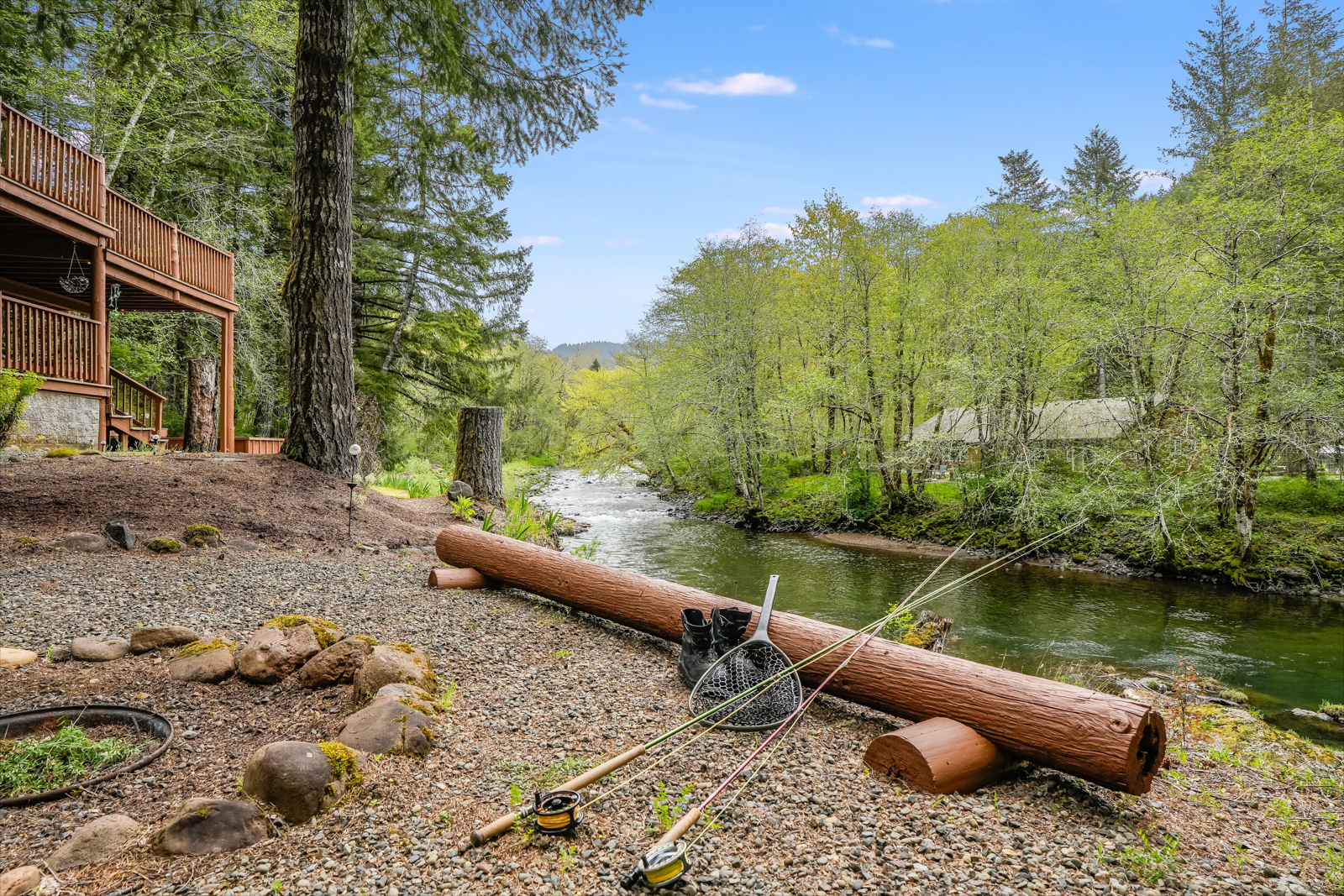
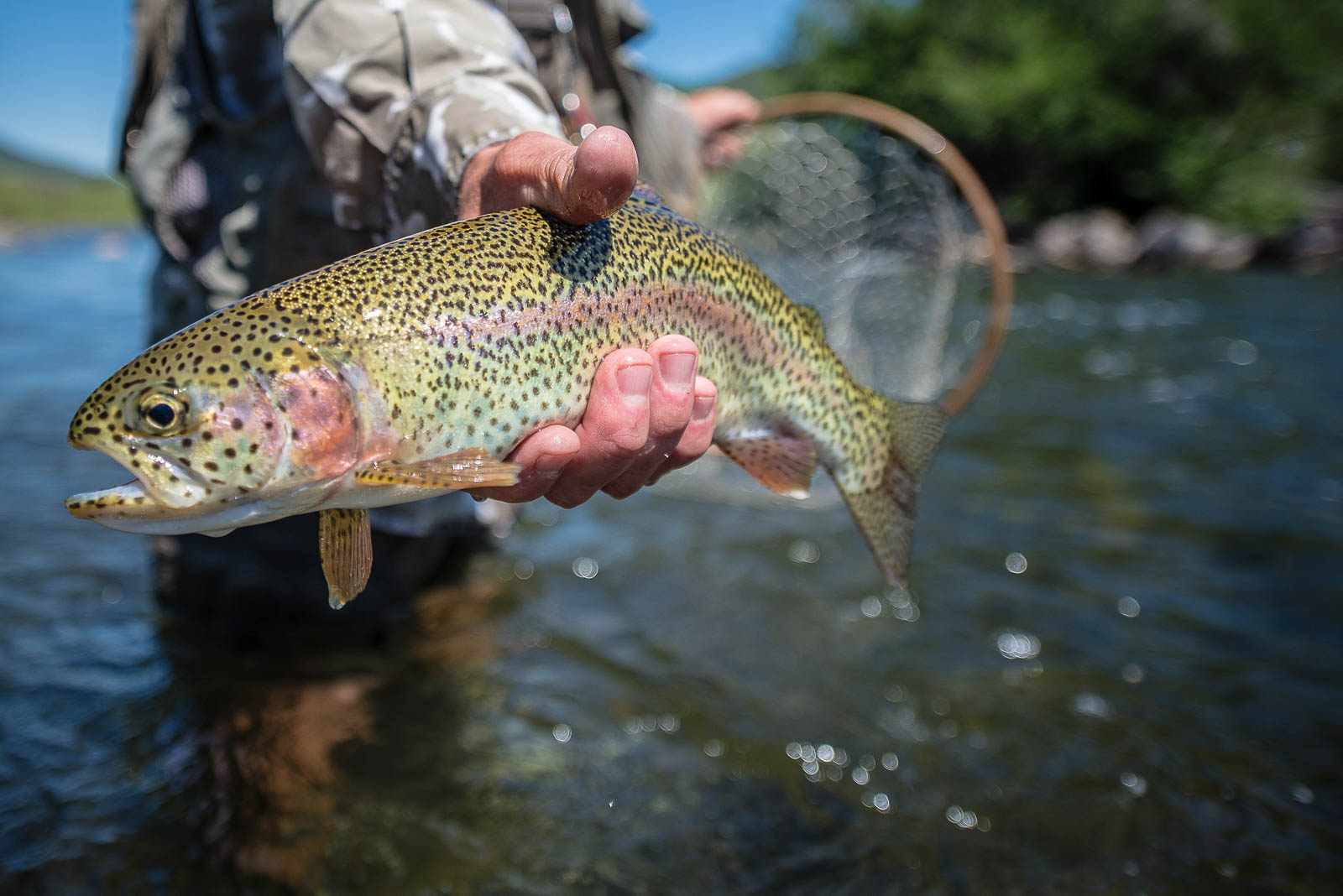
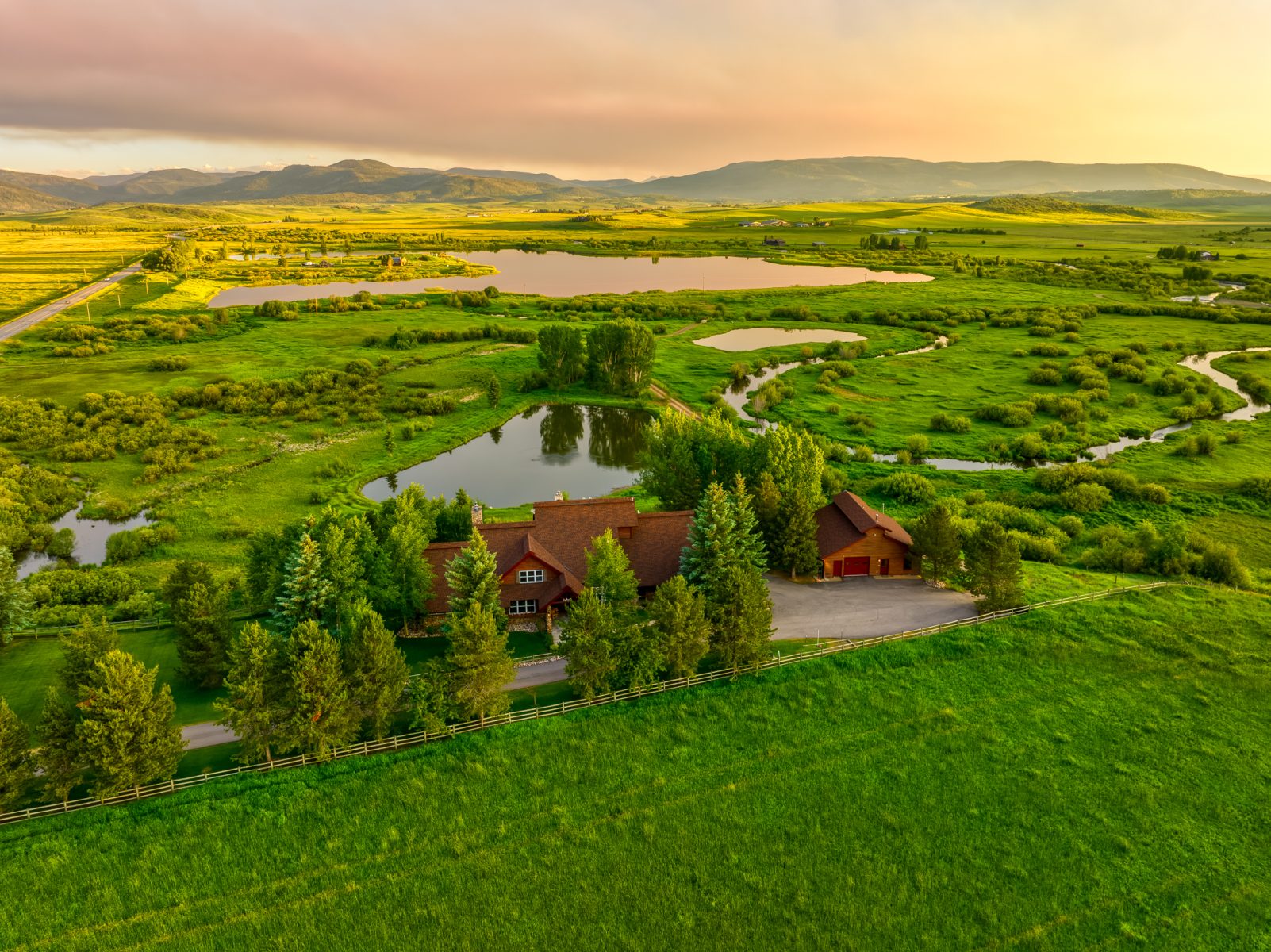
In another example, a Buyer had close ties to a specific location because his grandfather had owned a place there and it held many special memories. When the Buyer contacted Moore, he had already purchased his grandfather’s original 100-acre property. Still, he had a bigger vision for a multi-faceted property that included a trophy fishery, among other attributes.
“We started knocking on doors,” Moore recalls.
Over the course of several years, the duo closed on nine transactions to create the Buyer’s dream property. Only three of the properties he acquired were listed. Because he had the luxury of time, he eventually purchased those properties, which lingered on the market because they were initially priced too high, for significant discounts to their original asking price.
In addition to having patience and the luxury of time, the Buyer had a commitment to paying fair market value. To that end, the Buyer and the Sellers would commission a joint appraisal so there was an objective measure of value.
Ascertaining true market value is another benefit of using a Buyer’s agent. In farm and ranch real estate, where comparable properties are not nearly as easy to identify as in residential real estate, experience counts, especially when the Buyer may not be familiar with the nuances of farming, ranching, or wildlife and fisheries management.
According to Moore, value in rural real estate, depending on the type of property, can be a complicated mix of factors. In the case of a working ranch, it may include everything from carrying capacity and water rights, state and federal grazing leases, and/or the availability of reliable workers. On the recreational side, a Buyer’s agent can provide keen insight into how big game animals move, the quality of a fishery in a certain stretch of a specific river, or the quality of habitat for upland game birds.
“It’s up to the Buyer’s agent to ground truth all the information during due diligence and to ask the hard questions that the paperwork might not answer,” Moore says. “Good Buyer’s agents know exactly what they’re looking at, its current condition and its potential, as well as the questions to ask to ensure the Buyer’s interests are protected.”
A Buyer’s agent who is enmeshed in land-based lifestyles such as farming, ranching, and legacy hunting and fishing properties can also provide helpful insight to buyers who may not understand the ties that families have to the land. In Moore’s experience, the sale of multi-generational property stirs up deep emotions that need to be recognized and valued.
“Obviously, my job as a Buyer’s agent is to know the best qualities of the land, but I also need to be able to read the emotional temperature on the Seller’s side and convey that to the Buyer,” Moore says. “Sometimes, it’s important to give on seemingly small details to make a transaction happen.”
In the past, he’s helped negotiate deals that allowed legacy owners to visit a family cemetery once a year or made it possible for grandchildren to return to fish a stretch of river for a specified number of years. On more than one occasion, he’s helped Buyers see the benefit of providing a life estate that allowed lifelong farming and ranching couples to live out their independent days in their home on the property after the operation sold.
“Concessions like this can go a long way to helping Sellers come to peace with their decision and move forward with a transaction,” Moore says.
“It’s a way that the Sellers can have their cake and eat it, too that can also benefit the Buyer. Those Sellers have a lifetime of experience with the property, which means a new Buyer won’t have to reinvent the wheel when they start managing their purchase.”





 When Jenkins arrived, Jackson Hole was a relatively isolated, small town in the nation’s least populous state where the year-round residents had been drawn by the rich diversity of the natural playground. Most residents came from other places, leaving the security and support of extended family behind. As a result, the townspeople relied on one another to meet the challenges of life in a place that was equally beautiful and unforgiving.