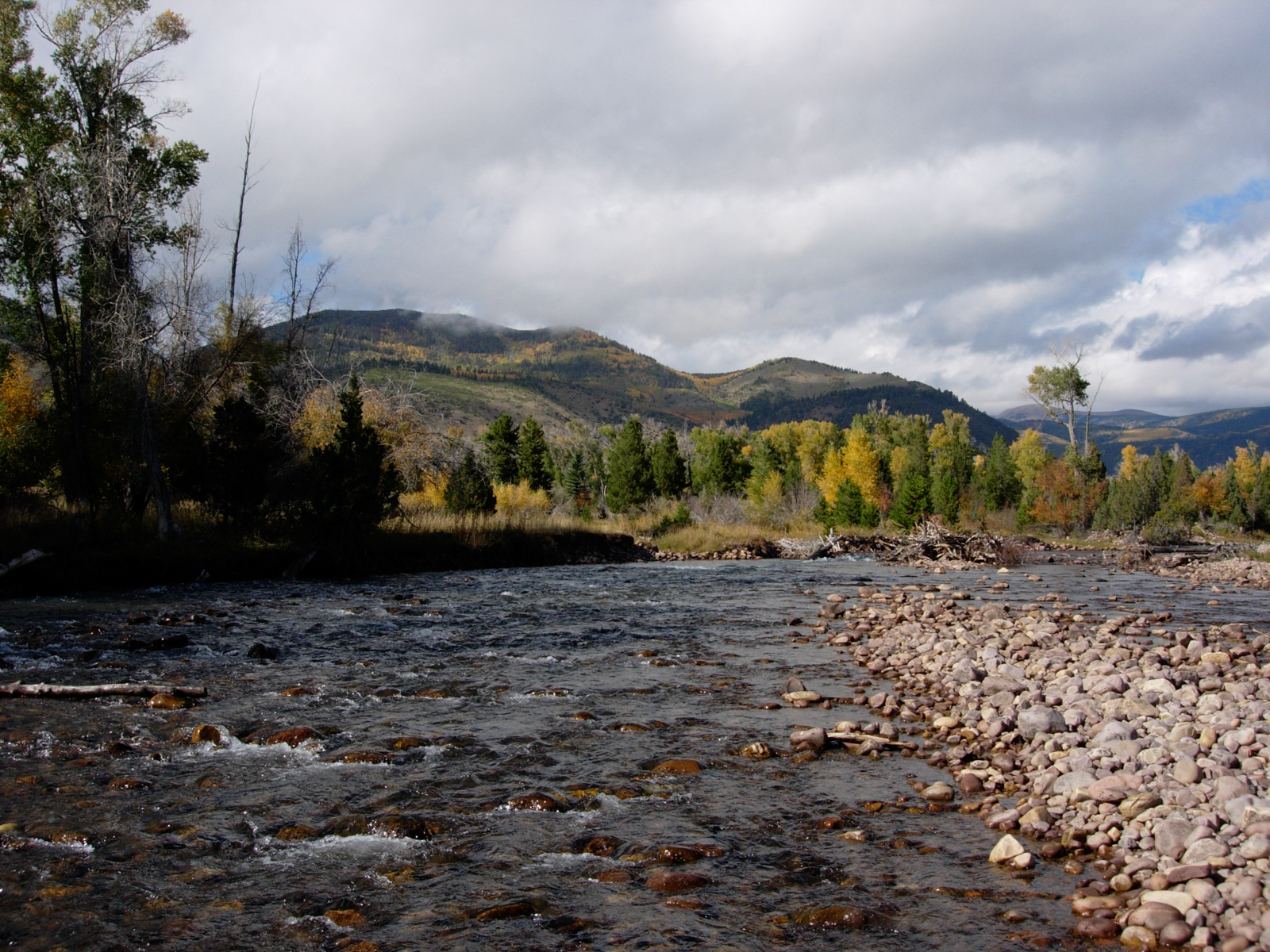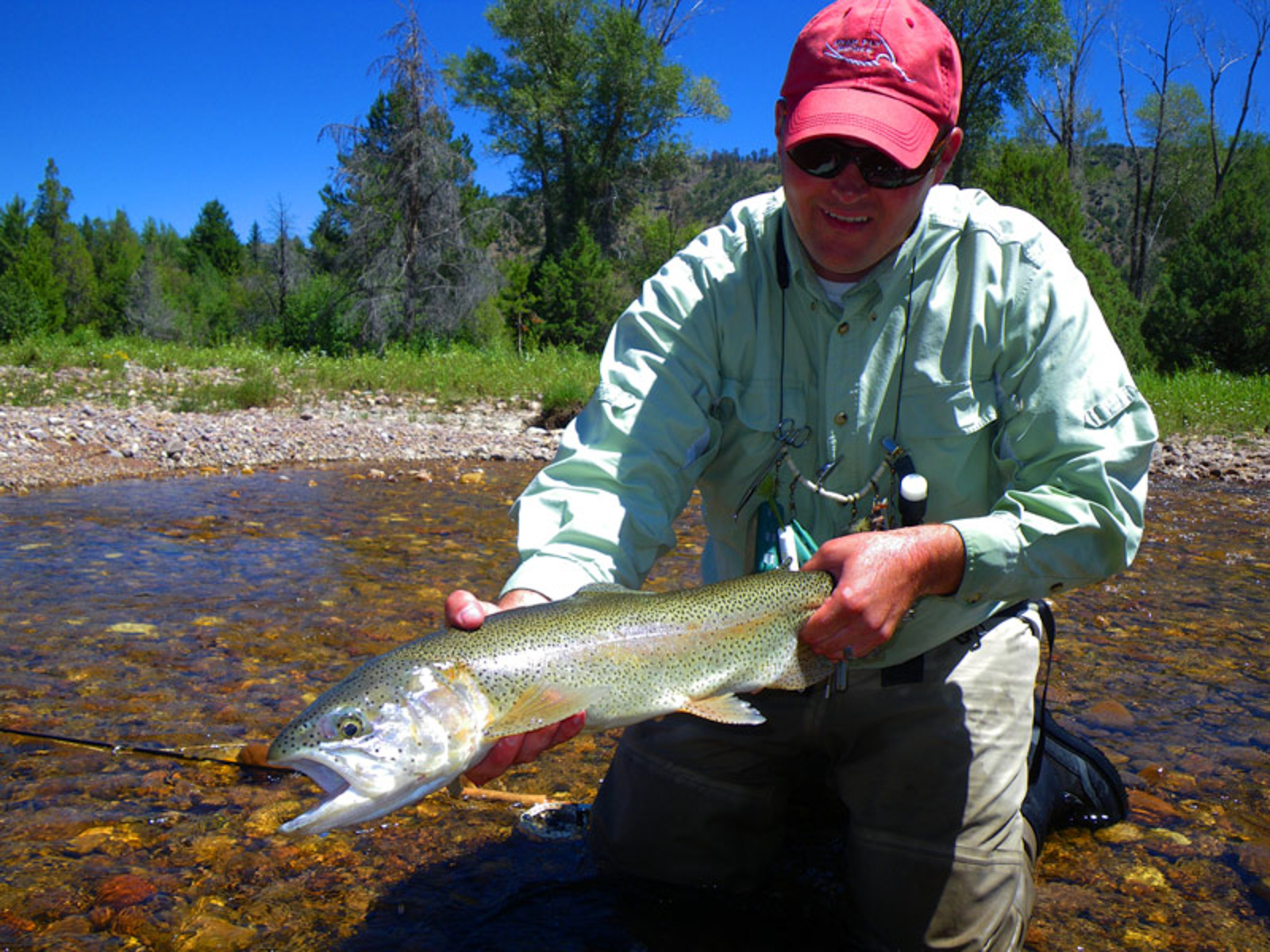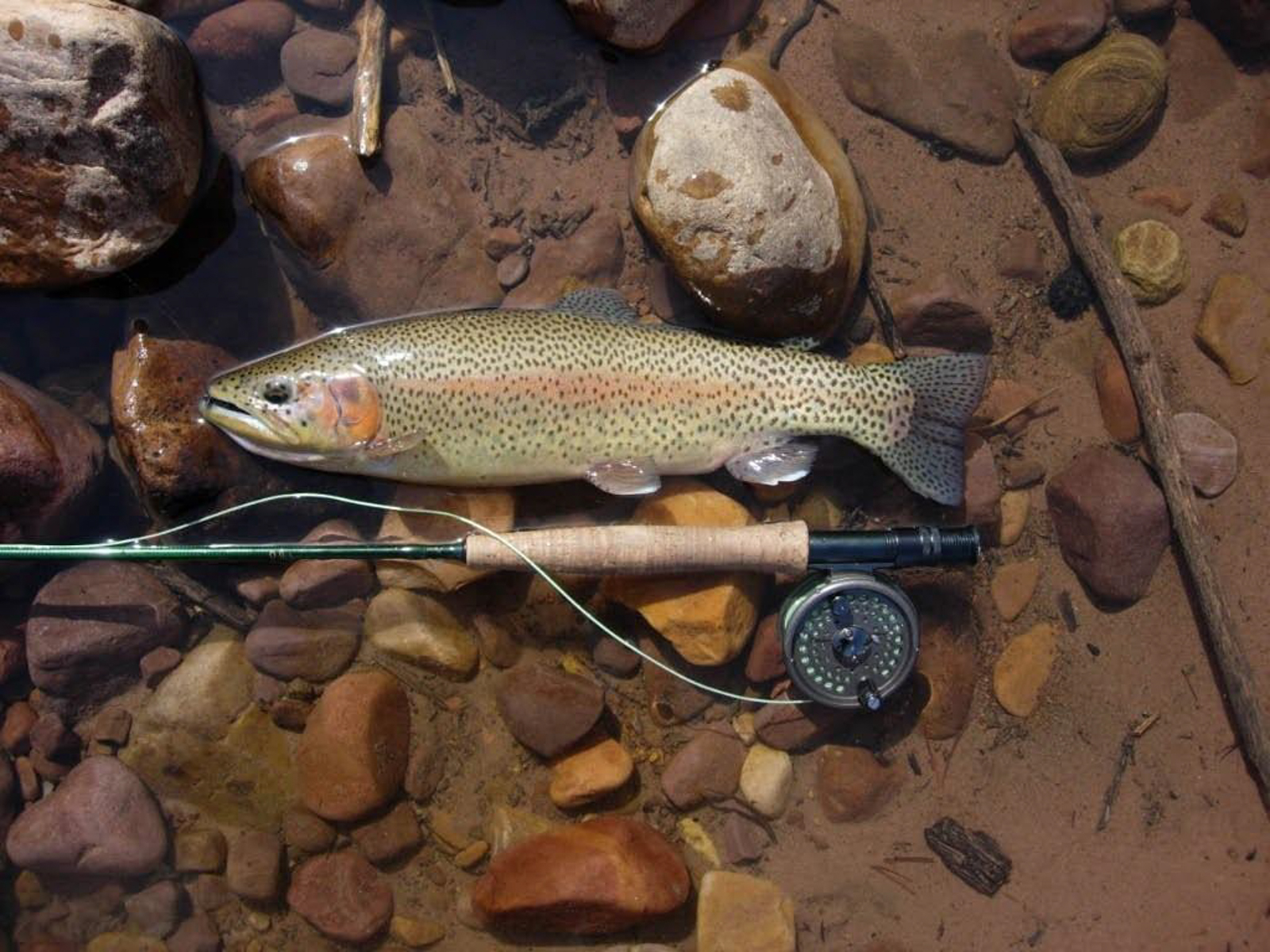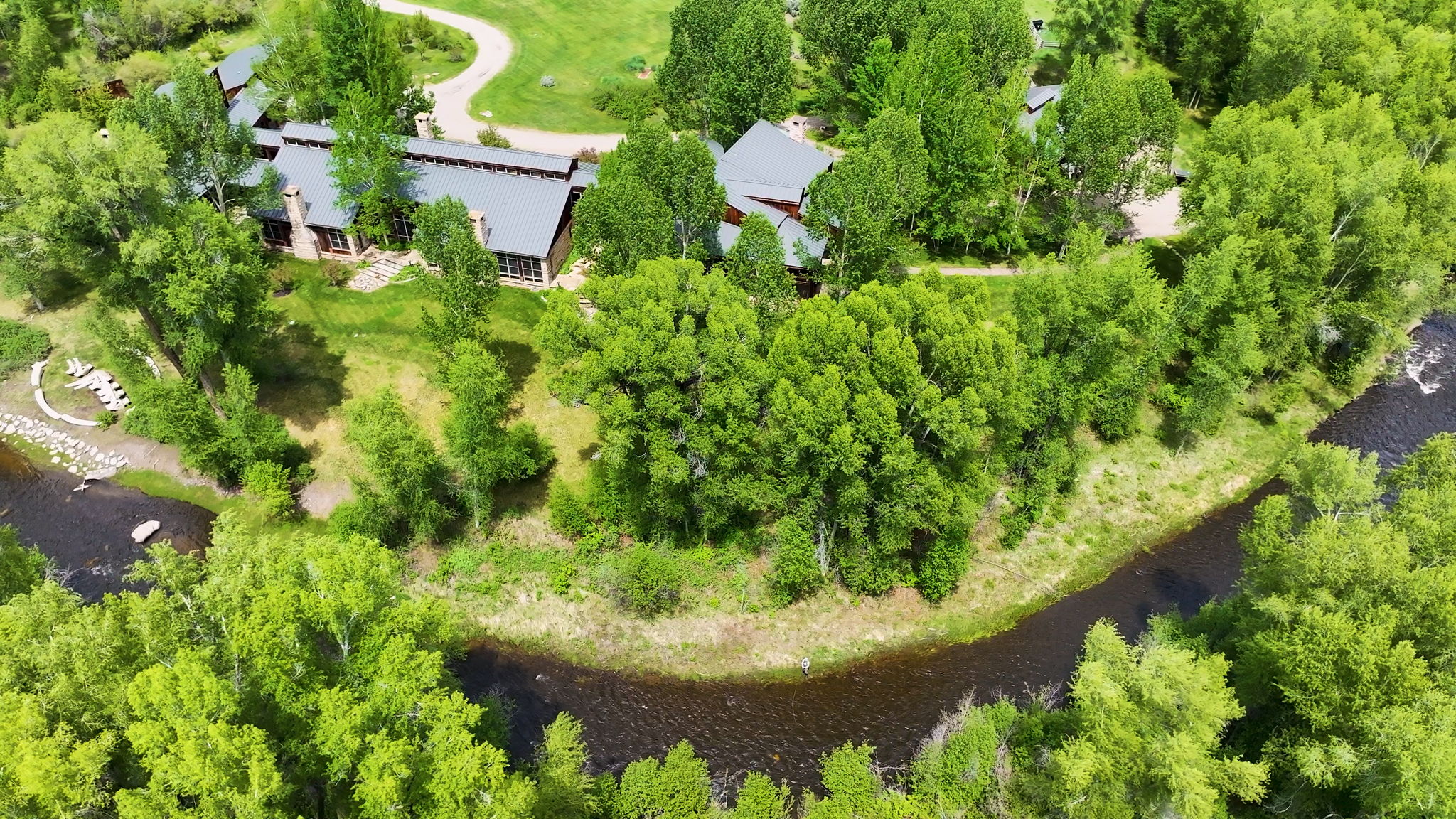



Celebrating 25th Anniversary for Live Water Properties
Following Record-Breaking Year for Our Expert Ranch Brokers
A Quarter Century of Ranch & Land Brokerage Defined by Preservation, Sales Performance, and Legacy
In 2001, Live Water Properties was founded with a clear and focused mission: to represent exceptional ranch and land properties while honoring the stewardship, heritage, and legacy they embody as leading ranch brokers.
Twenty-five years later, that founding vision remains unchanged. As experienced ranch brokers, Live Water Properties continues to define excellence in land brokerage.
As Live Water Properties enters its 26th year in business in 2026, the firm is poised for record momentum following its most successful year in history. In 2025 alone, Live Water represented $529.621 million in closed and pending transactions at last asking price. Since its inception, the firm has surpassed $4+ billion in closed sales nationwide.
These numbers tell a story of scale. However, behind them lies something far more enduring: trust, stewardship, and a disciplined approach to ranch and land brokerage that has defined Live Water Properties for a quarter century.
Record-Breaking Performance in 2025
The year 2025 marked a historic milestone for Live Water Properties.
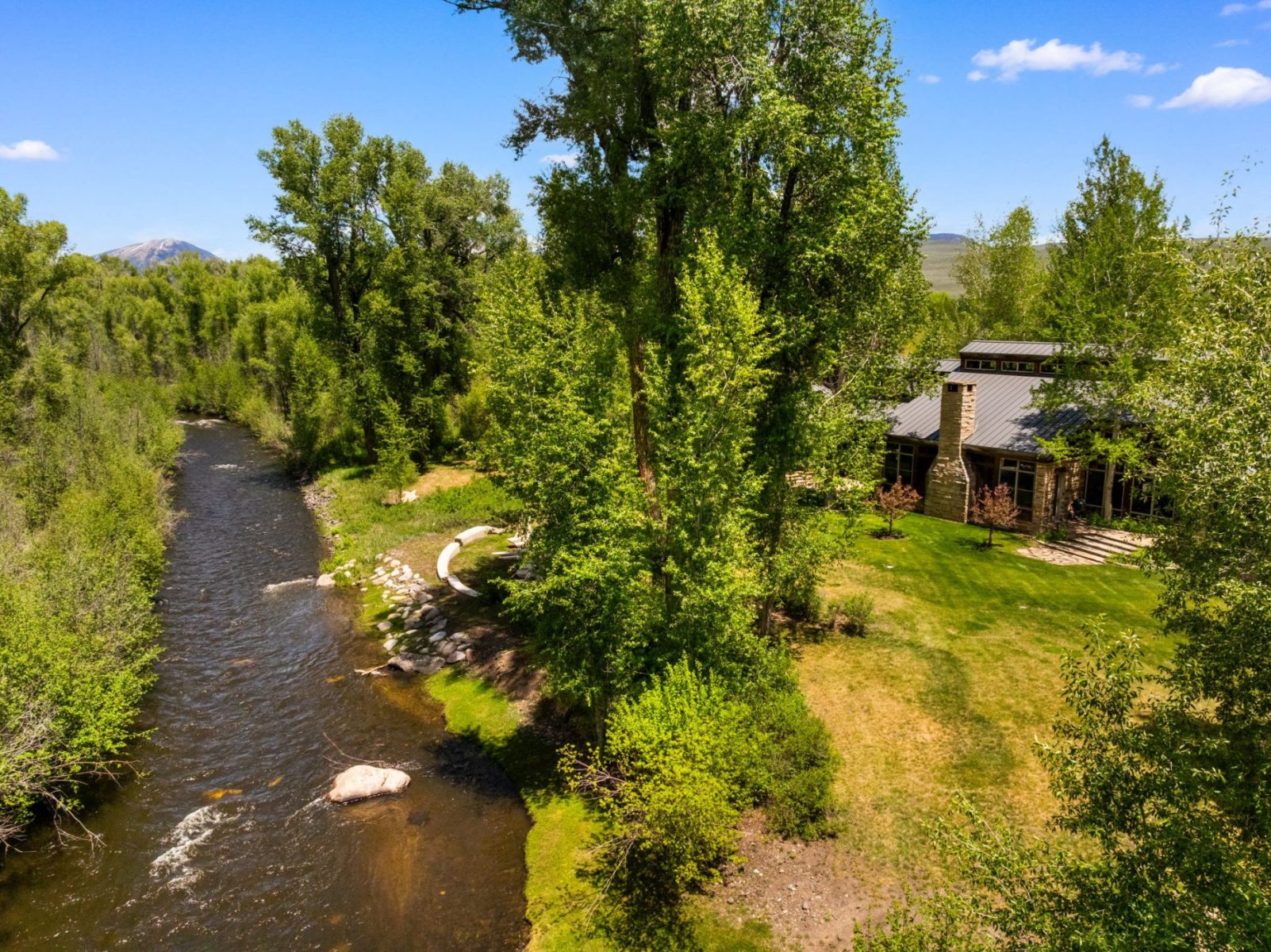
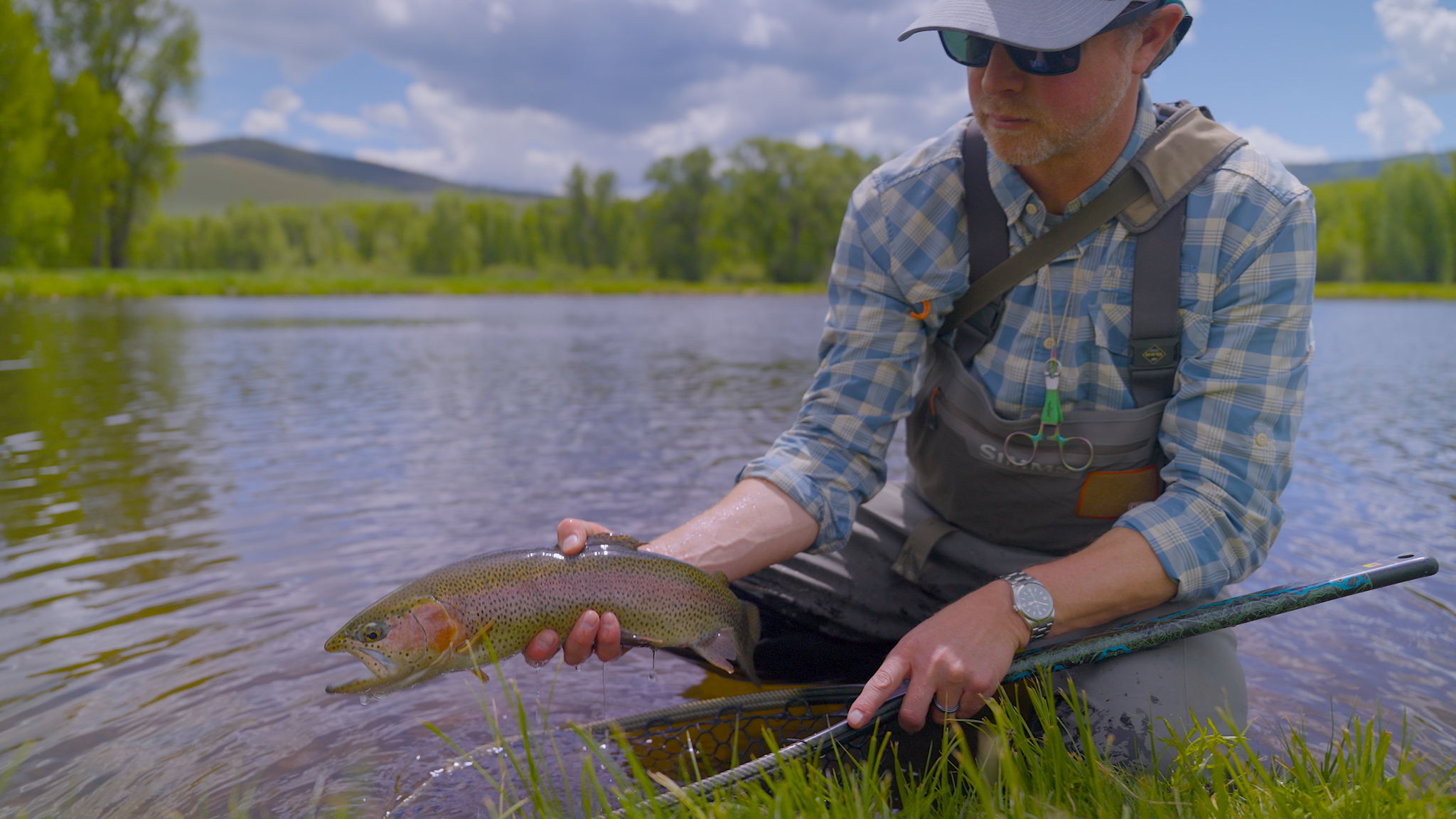
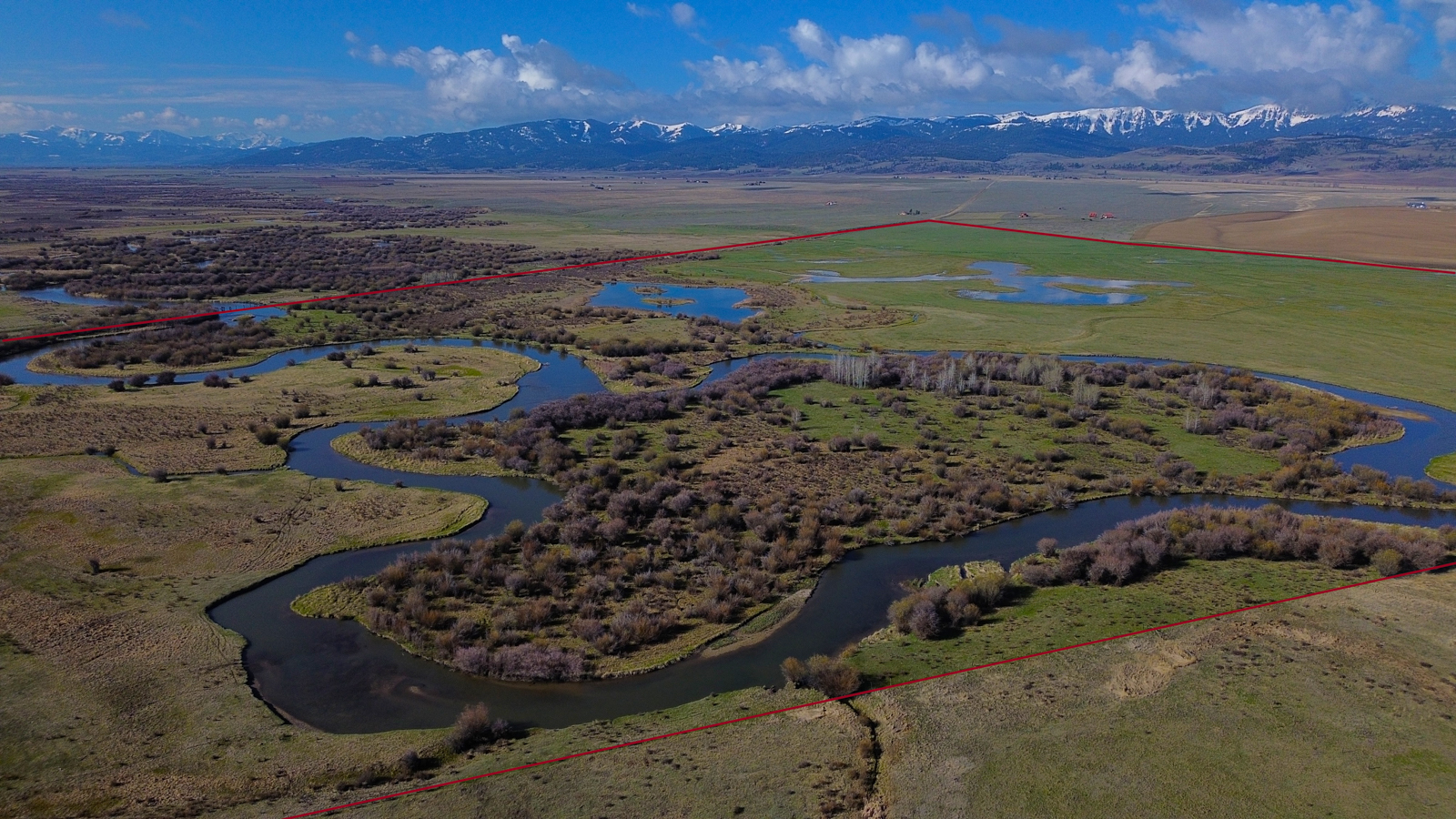
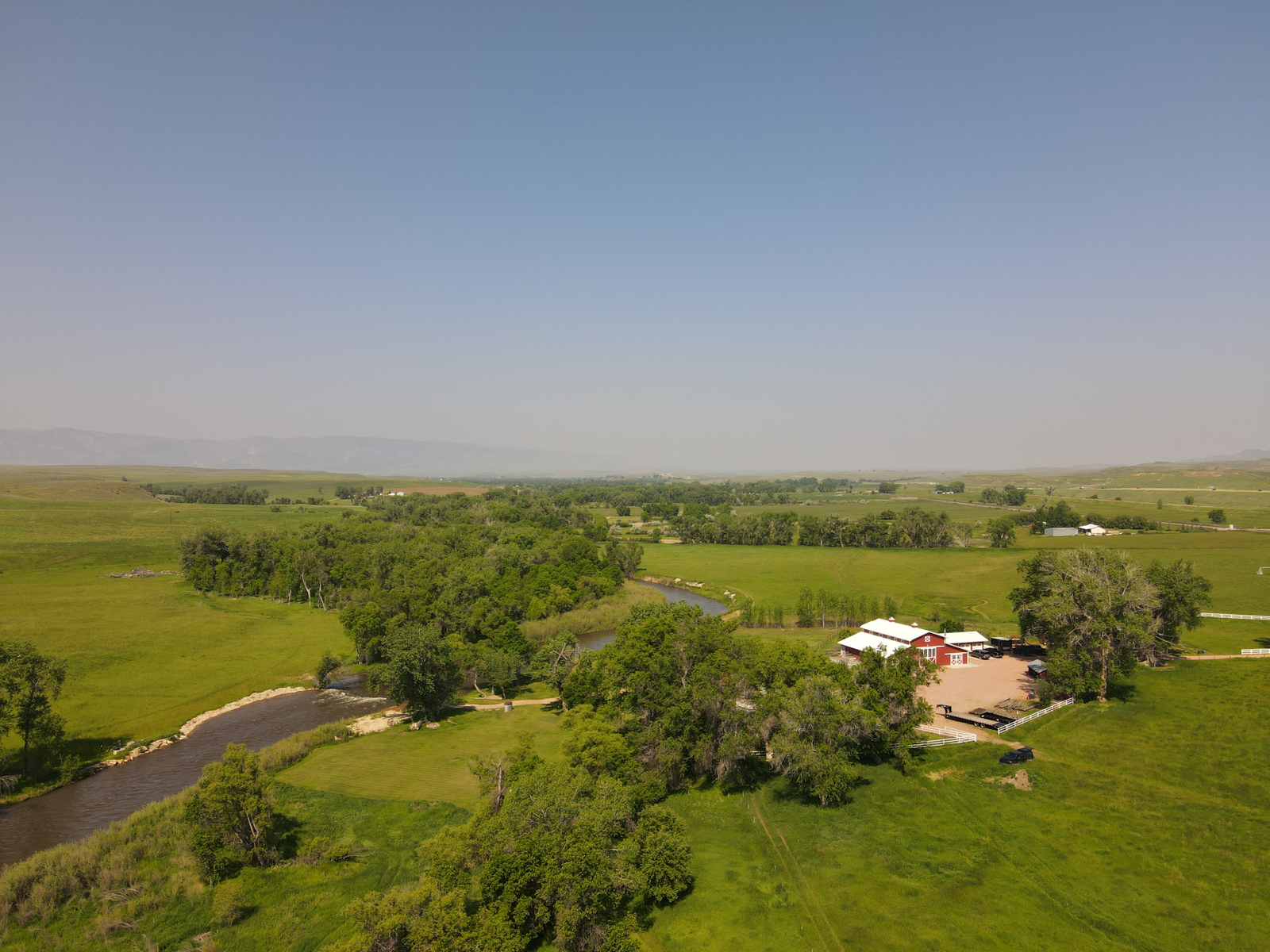
Across legacy working cattle ranches, income-producing agricultural operations, premier fly-fishing properties, conservation landscapes, and multigenerational family compounds, the firm achieved record-breaking transaction volume while maintaining its relationship-driven, high-integrity approach as trusted ranch brokers.
2025 By the Numbers:
- $529.621 million closed and pending at last asking price

Approximately 50,000 acres sold 34 Sellers represented 48 Buyers represented
These transactions reflect more than market strength. They demonstrate national reach, deep Buyer relationships, and an evolving understanding of how ranch real estate brokerage must operate in today’s environment.
“Our record year in 2025 reflects both the strength of the land market and the trust our clients place in our team,” said John Merritt, COO & Partner. “These properties represent far more than acreage; they represent legacy, stewardship, and long-term vision. It’s a responsibility we take seriously.”
The scale of 2025 was not accidental. It was the result of 25 years of accumulated expertise, refined marketing strategy, and a growing national network of qualified Buyers seeking legacy investments.
Preserve & Enhance: The Principle Behind Every Transaction
At the core of Live Water Properties’ approach is a philosophy that has guided the firm since its founding:
Preserve & Enhance.
Ranch and land brokerage requires far more than listing property and negotiating price. Each ranch carries unique operational, ecological, and historical dimensions. Water rights, grazing capacity, wildlife habitat, conservation easements, mineral interests, fisheries management, and generational planning all influence value and long-term viability.

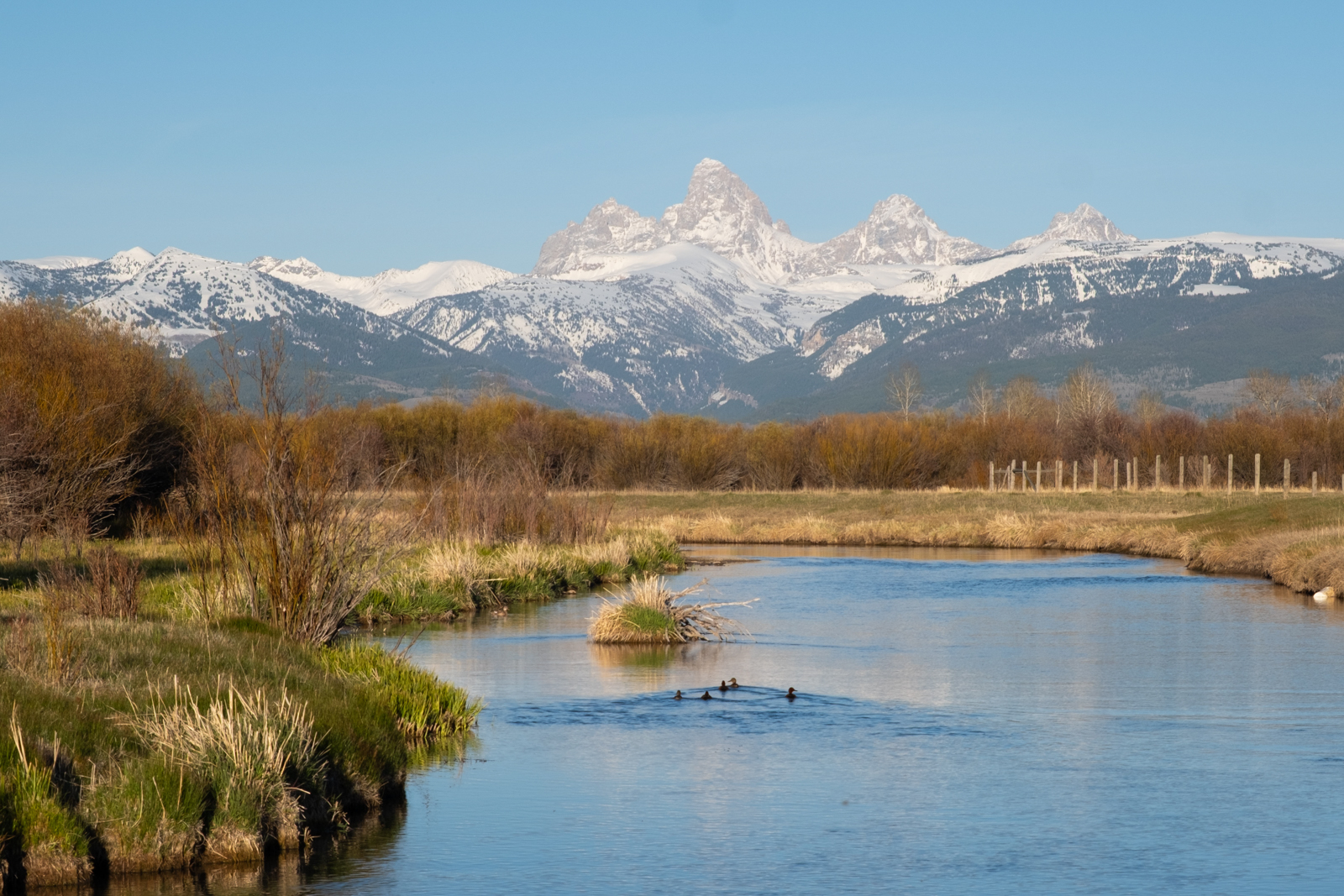
Preservation means understanding what makes a property irreplaceable. It means protecting productive agricultural ground, ensuring wildlife corridors remain intact, recognizing the intrinsic value of private river frontage, and guiding ownership transitions in ways that honor the land’s character.
Enhancement means positioning a property for its next chapter. That may involve strategic marketing to conservation-minded Buyers, connecting working ranches with experienced operators, advising families through succession planning, or highlighting the agricultural and recreational attributes that define long-term value.
Live Water has consistently approached transactions through the lens of preservation and enhancement. The firm’s role is not merely to transact land, but to steward its transition responsibly.
“Have you ever heard the saying you should leave something better than you found it? If you are looking to go for a win – that is buy or sell a legacy or recreational ranch, there is no better team than Live Water Properties. We believe there is a higher purpose to preserve and enhance.”, said Macye Maher, Owner and CFO
25 Years of Growth in the Ranch & Land Market
When Live Water Properties began in 2001, the ranch and land market looked very different. Digital marketing was limited. Buyer networks were often regional. Agricultural land was frequently viewed separately from recreational or sporting value. Conservation-driven ownership was growing but had not yet become central to many transactions.
Over the past quarter century, the landscape of ranch real estate brokerage has evolved dramatically.
Today’s Buyers include:
- Multigenerational families seeking legacy ranch ownership
- Agricultural investors focused on income-producing land
- Conservation-minded individuals prioritizing habitat preservation
- Recreational Buyers seeking privacy and sporting opportunity
- Investors diversifying into tangible land assets
Demand for ranches for sale in the United States now reflects a convergence of agriculture, recreation, conservation, and wealth preservation. Buyers increasingly seek properties that deliver both operational performance and long-term legacy.
Live Water Properties has evolved alongside this shift, combining traditional ranch expertise with modern, data-driven marketing strategies, national exposure, premium visual storytelling, and targeted outreach.
The record-setting 2025 performance demonstrates how 25 years of market knowledge translates into measurable results.
What Sets Ranch & Land Brokerage Apart
Ranch real estate is unlike any other asset class. This level of complexity underscores the importance of working with knowledgeable ranch brokers.
Each transaction involves layers of complexity that extend well beyond residential or commercial real estate. Agricultural production, water adjudication, federal and state grazing permits, habitat conservation, mineral rights, development potential, tax structuring, and estate planning all shape how a property must be evaluated and positioned.
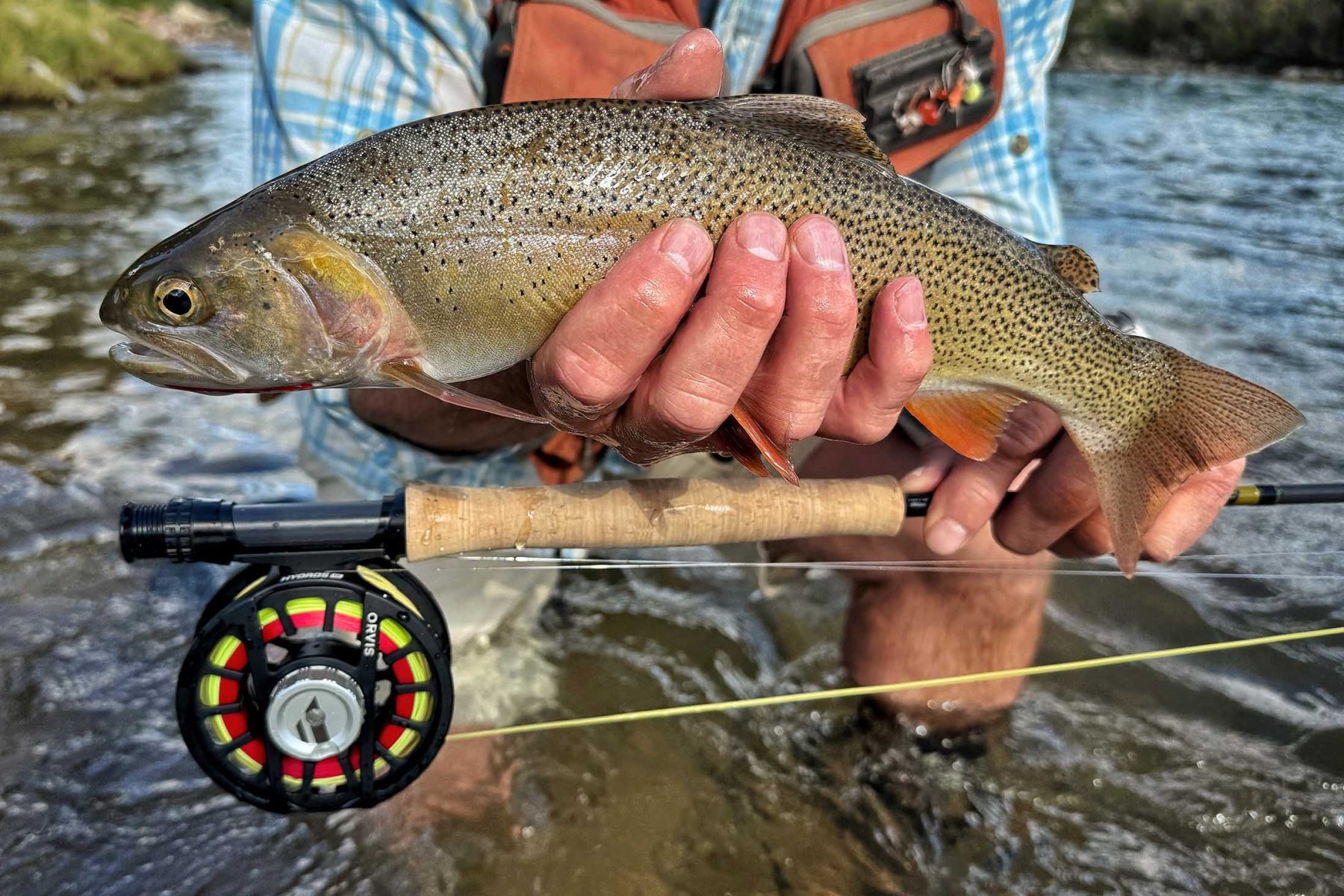
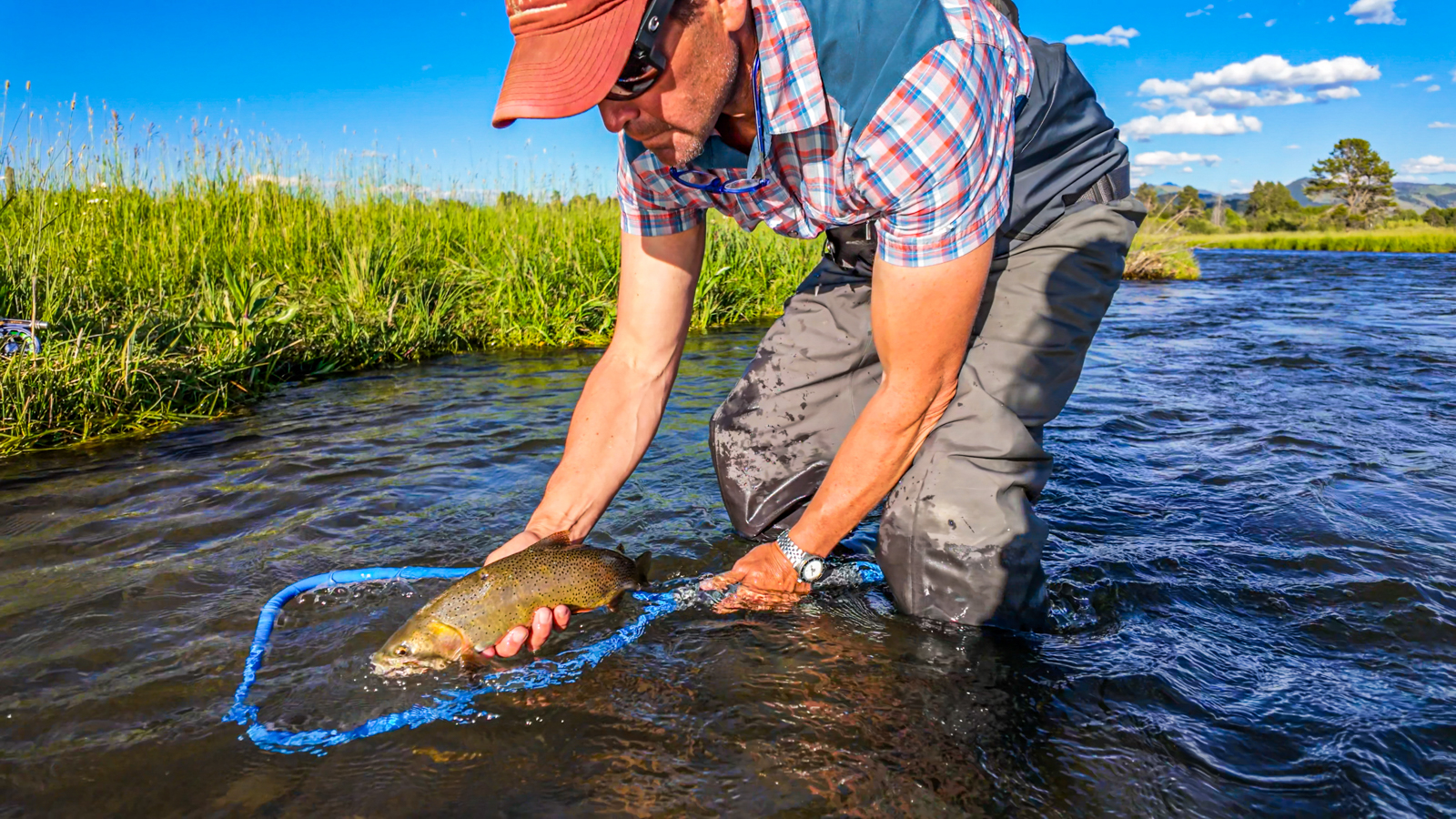
Fly-fishing properties require an understanding of fisheries management and river systems. Conservation ranch sales demand knowledge of easements and long-term land stewardship. Agricultural land brokerage requires operational fluency in farming and ranching economics.
Live Water Properties has built its reputation on this depth of expertise.
The firm provides strategic guidance on valuation, marketing, operational transition, and ownership strategy. Its clients include multigenerational ranching families, institutional investors, conservation-focused Buyers, and individuals seeking meaningful long-term land ownership.
“The landscapes we represent are finite,” said Macye Maher, Owner & CFO. “Our role is to ensure they are represented with the care, strategy, and expertise they deserve. As we begin our 26th year, we remain deeply committed to our clients and the land itself.”
A National Footprint, A Relationship-Driven Model
Live Water Properties currently represents 19 states, demonstrating both geographic reach and sustained Buyer relationships.
Unlike transactional models built purely on volume, Live Water’s growth has been rooted in trust. Many clients return over decades. Buyers become Sellers. Families rely on the firm for valuation guidance long before a sale occurs.
This relationship-driven approach is particularly critical in the ranch and land sector, where ownership transitions are often generational and highly personal.
The firm’s marketing platform, which combines premium visual storytelling, targeted digital strategy, editorial positioning, and direct Buyer outreach, has evolved alongside the market. However at its core, success remains grounded in relationships and credibility.
Milestones Along the Way
Over 25 years, Live Water Properties has marked significant milestones:
- Founded in 2001, with a focused ranch brokerage vision
- Expansion beyond the Rocky Mountain West into a national footprint
- Representing major legacy ranch and conservation transactions
- Achieving $4+ billion in total closed sales
- Record-breaking performance in 2025
- Established a premium marketing platform combining cinematic film, editorial storytelling, and targeted national exposure for ranch and land properties
Each milestone reflects steady, disciplined growth rather than rapid expansion for its own sake.
Looking Ahead: The Next Chapter
As Live Water Properties enters its 25th year, the broader land market continues to be shaped by enduring fundamentals: agricultural productivity, conservation awareness, recreational demand, privacy, and long-term wealth preservation.
Land remains limited. Water remains essential. Stewardship remains critical.
The firm’s record-breaking 2025 performance provides a strong foundation for the years ahead, but the guiding philosophy remains unchanged.
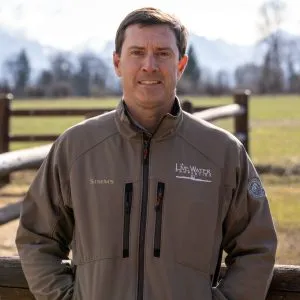
“Our responsibility is larger than any single transaction,” said Alex Maher, Owner & CEO. “We are entrusted with properties that carry history, ecological value, and generational significance.”
Twenty-five years is a milestone, yet for Live Water Properties, it is also a starting point.
With national reach, deep expertise, and a steadfast commitment to land stewardship, Live Water looks toward the next quarter century prepared to continue representing exceptional ranch and land properties across the United States.